How to Remove Poly from Wood: Expert Tips and Techniques
To remove polyurethane from wood, use a chemical stripper, sand it off, or soften it with a heat gun and scrape it away – there’s no shortcut that skips all three approaches, since cured polyurethane is a tough, cross-linked plastic film that resists mild solvents. Which method makes sense depends on the size of the job, whether you want to avoid chemical fumes, and how thick the old finish is.
Preparation
Gather a scraper, sandpaper (coarse to fine grits), a chemical stripper if you plan to use one, protective gloves, safety goggles, and a drop cloth. Work in a well-ventilated area – open windows or run a fan – regardless of which method you choose, since sanding dust and stripper fumes both need somewhere to go.
Choosing a Method
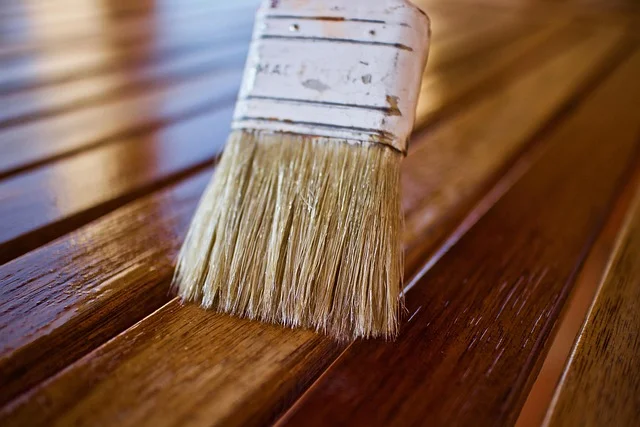
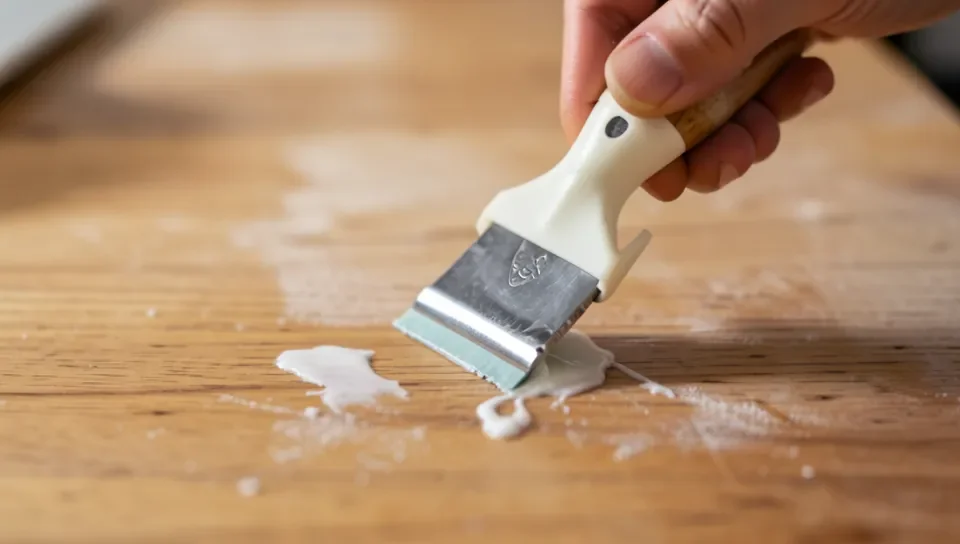
Chemical strippers are the fastest option for a fully cured finish. Brush the stripper on evenly, let it sit until the poly bubbles and softens (check the product’s specific wait time), then scrape it off with a plastic scraper – plastic won’t gouge the wood the way a metal scraper can.
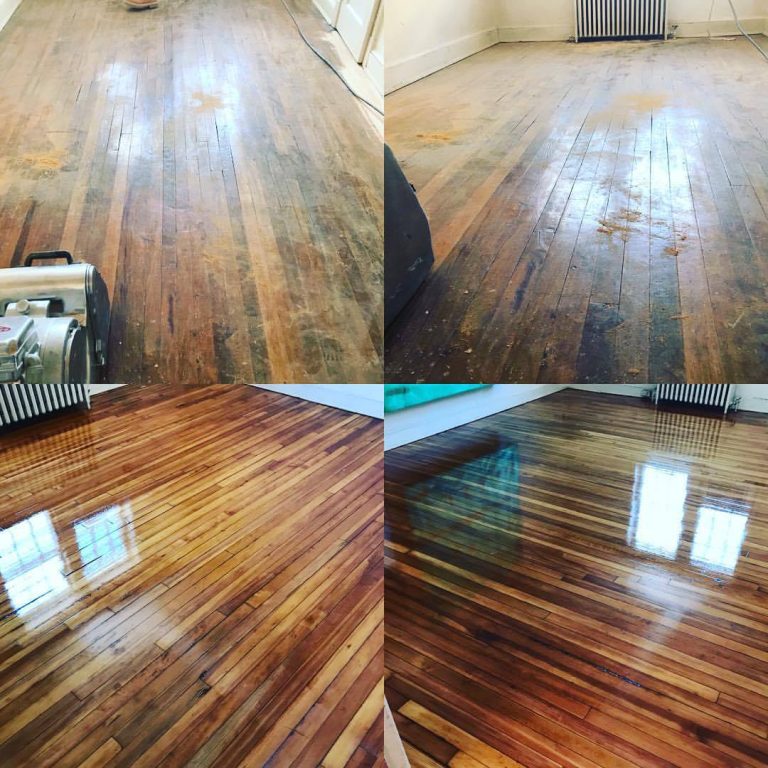
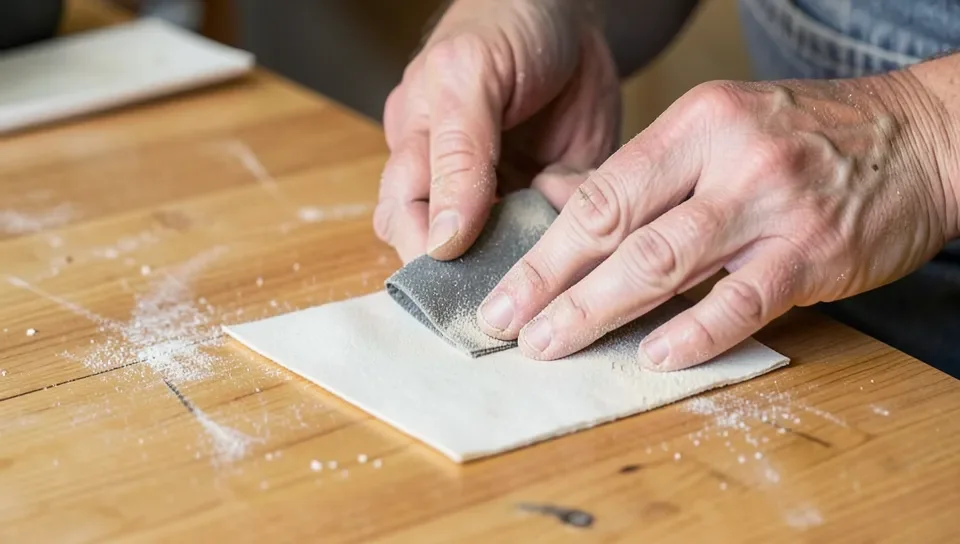
Sanding is slower but avoids chemicals entirely. Start with a coarse grit to cut through the finish, then move to progressively finer grits to smooth the bare wood. Always sand with the grain, not across it, to avoid visible scratches.
Heat guns soften poly so it can be scraped off, which works well on thicker buildups. Keep the gun moving – holding it in one spot risks scorching the wood – and use a lower heat setting with a putty knife to lift the softened finish as you go.
Best For Softening Thick Poly Without Chemicals
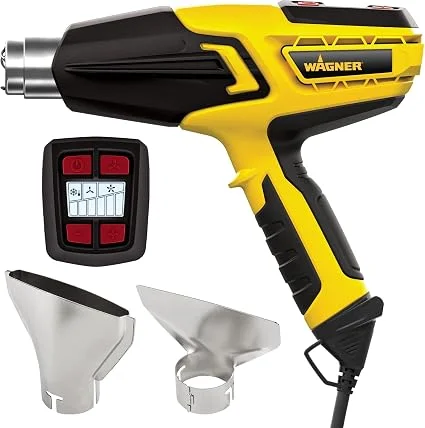 |
Wagner Spraytech FURNO 500 Heat Gun – $51.99 12 temperature settings let you dial in enough heat to soften poly without scorching the wood underneath – useful control a fixed-temp gun doesn’t give you.
|
Sanding Techniques
Start with a coarse grit (60-80) to cut through the finish, move to a medium grit (120) to remove sanding marks, then finish with fine grit (220) for a smooth surface ready for a new finish. Sand with even pressure and keep the sandpaper flat – tilting it concentrates pressure on one edge and gouges the wood. Vacuum or wipe away all dust before applying a wood conditioner or new finish; leftover dust causes an uneven result.
Dealing With Stubborn, Thick Buildup
Multiple old coats of poly may need a second application of stripper, or alternating between the heat gun and a scraper in small sections. Don’t try to remove everything in one pass on thick buildup – working in small, controlled sections gives you better results than forcing a single heavy application to do it all.
Post-Removal Care
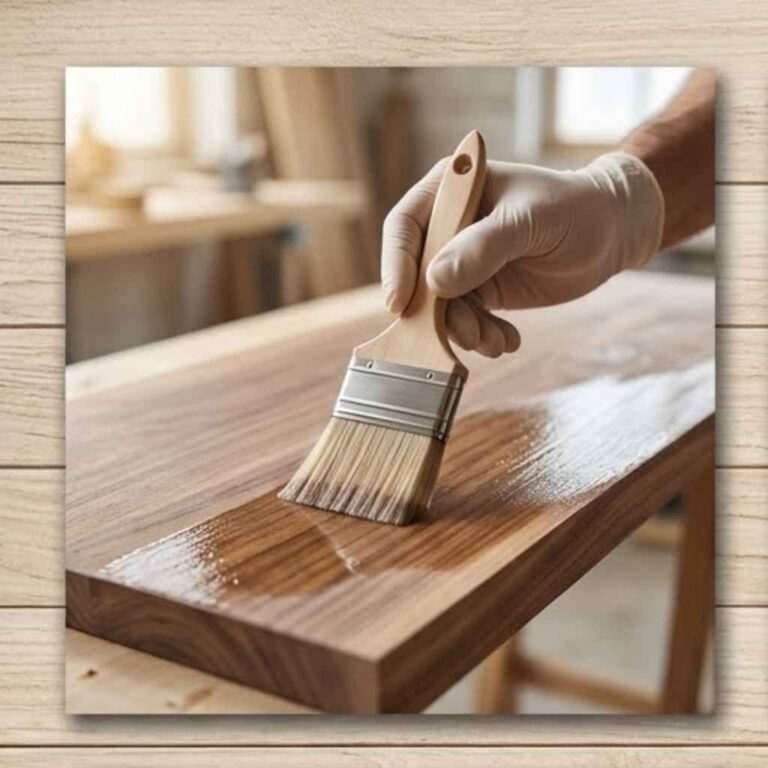
Clean the bare wood with a soft, dry cloth and let it dry fully if you used a water-cleanup stripper. Apply a wood conditioner if you plan to stain, especially on blotch-prone species like pine or cherry, then let it penetrate per the label (typically 15-30 minutes) before wiping off the excess. Once refinished, apply a new sealer or topcoat in smooth, even strokes, letting each coat dry fully (usually 24 hours) before a light scuff-sand and a second coat.
Common Mistakes
- Using the wrong tool for the job – a metal scraper can gouge wood that a plastic one wouldn’t.
- Pressing too hard while sanding or scraping, which causes scratches and uneven removal.
- Skipping a test spot – always try any method on an inconspicuous area first.
- Assuming a mild household product will dissolve cured poly – it won’t, and wasting time on it just delays the job.
Conclusion
Removing polyurethane comes down to three real methods – chemical stripper, sanding, or heat – chosen based on job size and whether you want to avoid fumes. Work in a ventilated space, use the right scraper for the surface, and finish with a full sand before refinishing for a smooth, even result.
Frequently Asked Questions
Can polyurethane be removed from wood?
Yes. A chemical stripper, sanding, or a heat gun with a scraper are the three effective methods; which one to use depends on job size and whether you want to avoid chemical fumes.
What dissolves dried polyurethane?
A dedicated chemical stripper is what actually softens cured polyurethane for scraping. Acetone or lacquer thinner can soften some finishes but aren’t reliable on fully cured poly the way a purpose-made stripper is.
Does vinegar remove polyurethane from wood?
No. Cured polyurethane is a tough, cross-linked plastic film that a mild acid like vinegar doesn’t break down. Use a chemical stripper, sanding, or a heat gun instead.
What is a good polyurethane remover for wood?
Citrus-based strippers are a lower-odor option than traditional solvent strippers and work well for indoor use, though they still require gloves and ventilation like any stripper – no stripper is fully without hazard.
Sponsored / affiliate links. As an Amazon Associate I earn from qualifying purchases. I may earn additional commission from eligible campaigns.