Best Roller for Water-Based Polyurethane: Foam or Microfiber?
Use a high-density foam or microfiber roller with a 1/4- to 3/8-inch nap for water-based polyurethane. Both are synthetic, so they will not shed fibers or react with the water in the finish the way a natural-bristle or wool roller can. Foam gives the smoothest result on flat panels and cabinet doors; microfiber holds more finish and covers larger flat surfaces, like tabletops, with fewer reloads.
The Short Answer: Stick to a Synthetic Roller
Best Mini Foam Roller Kit
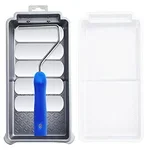 |
Mister Rui 4″ Foam Mini Roller Kit – $12.56 A high-density foam mini roller sized for furniture, cabinets, and small panels, exactly the scale most water-based polyurethane projects call for.
|
If you only take one thing from this guide, take this: the roller material matters more than the brand name on the package. Water-based polyurethane is a water-carried acrylic/urethane blend, and any roller cover made from a natural fiber, lambswool, mohair, or blended wool, is built to work with oil and solvent-based products. Those natural fibers absorb water differently than they absorb oil, which causes matting, shedding, and an uneven release of finish. A synthetic foam or microfiber cover is chemically inert to the water base, so it holds its shape, releases the finish evenly, and does not leave loose fibers baked into your topcoat.
Why Roller Material Matters More With Water-Based Poly Than Oil-Based
With an oil-based finish, a cheap natural-fiber roller can get away with mediocre performance because the oil keeps the fibers conditioned and slick. Water does the opposite: it swells natural fibers, and as they dry out mid-project, they stiffen and start dropping tiny hairs into the wet film. Those hairs show up as texture under a clear topcoat, which is exactly the defect most people trying to get a glass-smooth finish are trying to avoid. This is also why the container on most water-based polyurethanes explicitly says to use a synthetic or foam applicator; it is a manufacturer instruction, not just a woodworking forum opinion.
Foam vs. Microfiber vs. Short-Nap Synthetic Rollers
Once you have ruled out natural fiber, the remaining choice is about the project, not the finish itself. Here is how the three common synthetic options actually differ in practice:
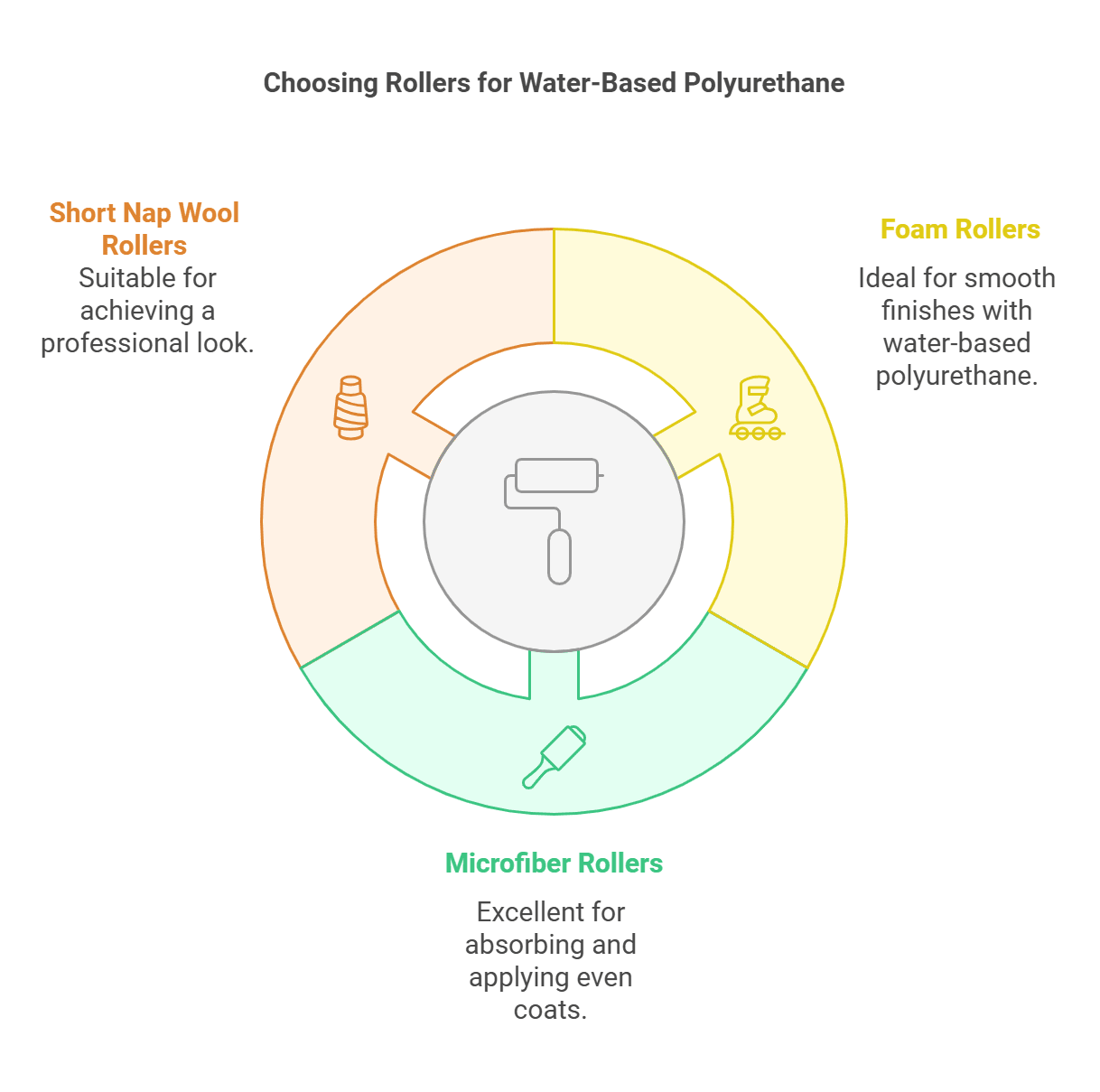
High-density foam lays down the smoothest, most orange-peel-free coat on small, flat surfaces like cabinet doors, drawer fronts, and picture frames. Its trade-off is that pressing too hard or rolling too fast can trap air and create tiny bubbles, so foam rewards a light touch and a slow pass.
Microfiber holds noticeably more finish per load than foam, which means fewer trips back to the tray on a tabletop, a door, or a floor. It also tends to release fewer bubbles than foam because the fibers do not compress and spring back the way foam does, though it lays down slightly more texture than a well-applied foam coat.
Short-nap synthetic wool (sold as a synthetic blend, not real lambswool) sits between the two: more forgiving than foam on a slightly uneven surface, and a common choice for floors where speed matters more than a mirror finish.
Picking the Right Nap Length and Roller Size
Nap length controls texture, and size controls how much of the project you cover before the finish starts to flash over. A 1/4-inch nap gives the flattest finish and is the standard choice for furniture and cabinetry. A 3/8-inch nap is still fine for most projects and is more forgiving if the surface has minor imperfections. Anything longer than 3/8 inch is really meant for wall paint, not a clear wood finish, and will leave more stipple than most woodworkers want.
On size, most polyurethane projects are smaller than a wall, so a 4-inch or 6-inch mini roller is the right scale for doors, drawer fronts, and small tabletops. Reach for a 9-inch roller only on larger flat surfaces, like a dining table top or a floor, where a mini roller would mean constant reloading and a higher chance of the leading edge drying before you can blend into it.
How to Apply Water-Based Polyurethane With a Roller
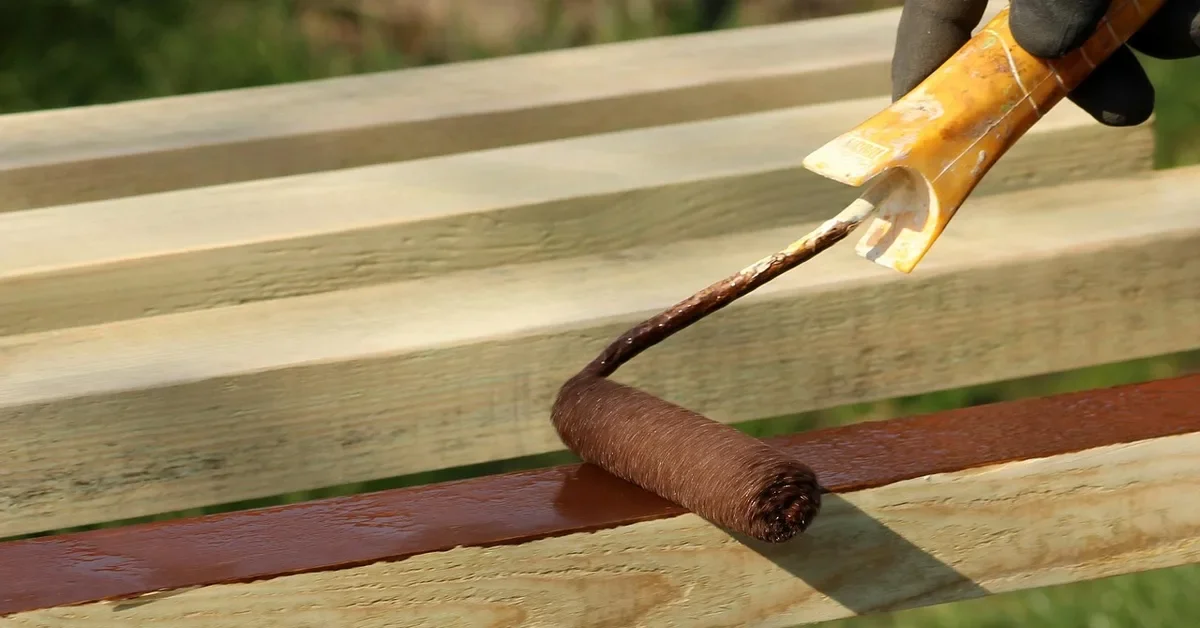
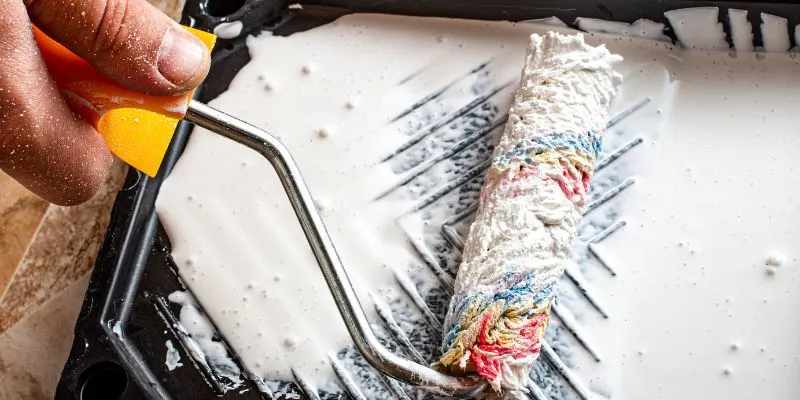
Load the roller lightly and off-load the excess on the ridged part of the tray before it ever touches the wood; a saturated roller is the single biggest cause of drips and pooled edges. Roll with the grain in slightly overlapping passes, working from a wet edge into the next section so you never lay fresh finish over a coat that has already started to skin over. Finish each section with one very light pass in a single direction, barely touching the surface, to pop any bubbles the loading process introduced before they set.
Between coats, a light scuff-sand with 220-grit paper knocks down any raised grain or dust nibs and gives the next coat something to grip; skip this step and the layers can delaminate later. If you want more detail on when and how aggressively to sand between coats, see our guide on whether to sand the final coat of polyurethane.
Common Mistakes That Ruin a Rolled Finish
Two mistakes account for most of the rolled-finish problems woodworkers run into. The first is overloading the roller, which shows up as drips along edges and a noticeably longer dry time in the thick spots; the fix is simply loading less and doing an extra coat instead of one heavy one. The second is skipping the scuff-sand between coats, which leaves a visible line between layers and, over time, a finish that can peel at the edges because the top coat never mechanically bonded to the one underneath it.
Cleaning and Storing Your Roller
Water-based polyurethane cleans up with plain water if you do it before the finish skins over, roughly within 15 to 20 minutes of your last pass. Scrape excess finish off with the flat edge of a putty knife, then rinse and work the nap under running water until it runs clear, followed by a firm shake-out and a full air-dry before storage. If you are also cleaning a brush you used to cut in edges on the same project, our separate guide covers how to clean a water-based polyurethane brush without leaving it stiff.
Prefer to Wipe It On Instead of Rolling?
A roller is the faster choice for a floor or a large tabletop, but for smaller furniture and detail work, some woodworkers prefer the thinner, more drip-resistant coats a wiped-on finish gives. If that sounds like your project, see our guide on how to make wipe-on water-based polyurethane, including the correct water ratio and the mixing mistake to avoid.
Frequently Asked Questions
What type of roller is best for water-based polyurethane?
A synthetic roller, either high-density foam or microfiber, is best for water-based polyurethane. Both apply the finish evenly without shedding fibers into the coat. A short nap between 1/4 inch and 3/8 inch keeps stipple texture to a minimum on furniture and trim.
Can I use a natural bristle or wool roller instead?
No. Natural fibers like lambswool and mohair are made for oil-based and solvent finishes. Water in a water-based polyurethane can mat down natural fibers, cause them to shed into the wet coat, and shorten the roller’s life. Stick to a roller cover labeled for water-based or latex products.
How do I clean a roller after using polyurethane?
Scrape off as much excess polyurethane as possible, then rinse the roller under warm water while working the nap with your fingers until the water runs clear. Foam and microfiber covers used only with water-based finish can be reused several times if they are fully dry before storage.
Should I thin water-based polyurethane before rolling it on?
Most water-based polyurethanes are ready to roll straight from the can. Thinning is only needed if the product has thickened with age or the manufacturer’s label calls for it, and then only with a small amount of water, never a solvent.
Bottom Line
For water-based polyurethane, the roller material matters more than the roller brand: pick a synthetic foam or microfiber cover with a 1/4- to 3/8-inch nap, size the roller to the project instead of grabbing whatever is in the garage, and load it lightly. Get those three things right and the rest of the application, working wet edge to wet edge with a light scuff-sand between coats, is straightforward.
Sponsored / affiliate links. As an Amazon Associate I earn from qualifying purchases. I may earn additional commission from eligible campaigns.