How to Connect 2 Planks of Wood: Seamless Joinery Tips
To connect two planks of wood, you can use wood glue and clamps to hold them together. Ensure the surfaces are clean and dry before applying the glue.
For added strength, consider using dowels or biscuits along the joint.
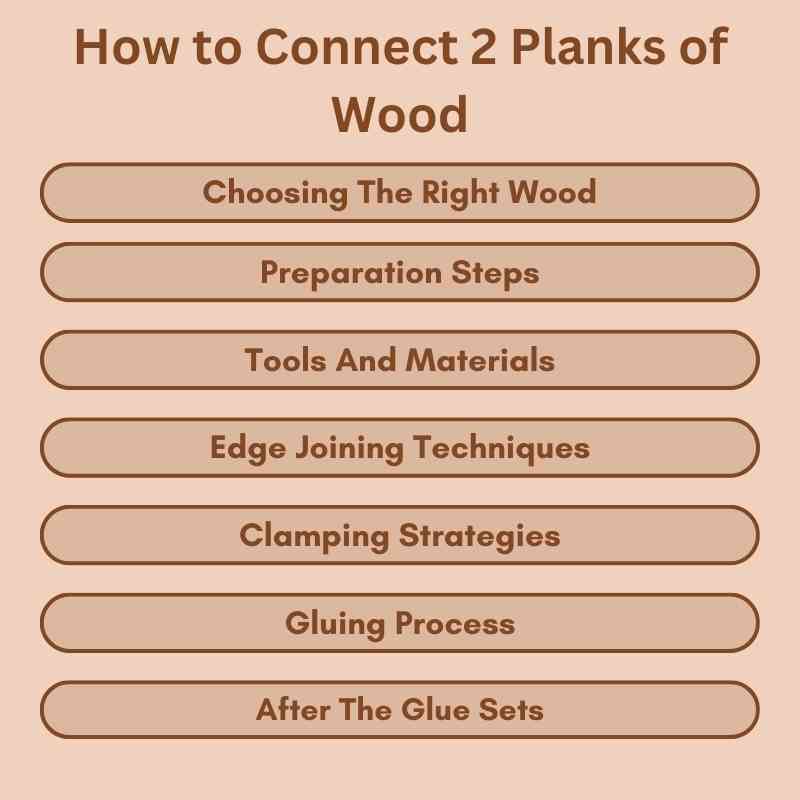
Choosing The Right Wood
When connecting 2 planks of wood, it’s crucial to choose the right type of wood. Selecting boards with the appropriate wood grain is essential. Always opt for boards with matching grain patterns to ensure a seamless connection.
Preparation Steps
When it comes to connecting two planks of wood, there are a few preparation steps you need to follow. One of the important steps is cutting the boards oversize. This allows you to have some extra material to work with and ensures that you can trim the planks to the desired size later on. Another crucial step is straightening the edges of the boards. This can be done using tools such as a jointer or a hand plane to create flat and even edges that will fit together seamlessly. By following these steps, you can successfully connect two planks of wood and create a sturdy and reliable joint.
Tools And Materials
Joining two planks of wood requires some essential tools. You will need a saw, a hand plane, a chisel, a mallet, a drill, and screws. Adhesives such as wood glue or epoxy can be used to bond the two planks together.
When edge joining two planks, it is important to ensure the edges are straight and smooth. To do this, use a jointer or a hand plane to flatten and square the edges. Alternatively, you can use a router with a straight bit to create a joint that interlocks the two planks.
When joining two narrow boards lengthwise to make a wide panel, a sprung joint can be used. This is achieved by cutting a slight curve along the length of the boards and clamping them together tightly. The curve will create tension that helps to keep the joint tight.
Overall, the key to a successful joint is to take your time and ensure that the surfaces are clean, flat, and free of any defects or debris before bonding them together.
Edge Joining Techniques
When connecting 2 planks of wood, basic edge joining is the go-to technique. One method is creating a spring joint, where the boards are slightly bowed in the center before clamping. This ensures a tight seam when the pressure is released. Additionally, consider using dowels or biscuits along the joint for added strength. Another common method is a butt joint, which is the simplest type of joint to use. Proper alignment and clamping are crucial to achieve a seamless connection. When edge joining wood, it’s important to ensure that the surfaces are clean and dry before applying the glue.
Clamping Strategies
Connect two planks of wood seamlessly with effective clamping strategies. Achieve a strong and secure joint by using pipe clamps, straightening the edges, and gluing the boards together. Enhance the connection by considering dowels or biscuits for added strength.
To connect two planks of wood, there are several clamping strategies you can use. One of the most common methods is using pipe clamps. To do this, you will need to cut the boards oversize and then edge join them. Once you have marked the edge, apply glue and clamp the boards together using pipe clamps. After scraping off any excess glue, allow the boards to dry before cutting them to their final size. If you don’t have access to pipe clamps, there are alternative clamping methods you can use such as bar clamps, parallel clamps, and even hand screw clamps. Each method has its own advantages and disadvantages, so it’s important to choose the right clamping strategy based on your project and available tools.
Gluing Process
To connect two planks of wood, you can use the gluing process. Apply wood glue to the edges of the planks and press them firmly together. Use clamps to hold the planks in place until the glue dries completely. This method creates a strong and seamless joint between the two pieces of wood.
To connect two planks of wood, the gluing process is crucial to ensure a strong bond. The first step is to make sure the surfaces to be glued are clean and dry. Apply wood glue evenly onto one of the surfaces and then press the two pieces of wood together. Use clamps to hold the wood in place while the glue dries. It’s important to wipe off any excess glue that squeezes out of the joint to prevent it from hardening and affecting the final finish. Once the glue is completely dry, the joint will be strong and ready to use. Remember to choose the right type of glue for the wood you are working with and follow the manufacturer’s instructions for best results.
After The Glue Sets
Once the glue sets, it’s time to remove any excess glue that may have squeezed out during clamping. This can be done using a scraper or chisel, being careful not to damage the wood. It’s important to remove as much excess glue as possible, as it can interfere with the final finish of the project.
After removing the excess glue, the final trimming and planing can be done to achieve a smooth and even surface. This can be done using a hand plane, power planer, or sandpaper. It’s important to take your time and make sure the surface is even and smooth before moving on to the next step.
Advanced Joinery Options
To join two pieces of thin plywood without ruining their finish, use wood glue and clamps to hold the pieces together. For added strength, consider using dowels or biscuits along the joint. Ensure the surfaces are clean and dry before applying the glue.
Common Methods for Joining Wood include butt joints, which are the most common and easiest type of joint to use. Another technique is to flip the boards and line them up while marking, then flip them back to face each other after the cuts.
Finishing Touches
To connect two planks of wood, there are several methods you can use without ruining their finish. One common method is using wood glue and clamps to hold the pieces together. Ensure that the surfaces are clean and dry before applying the glue. For added strength, you can consider using dowels or biscuits along the joint. Another method is to create a butt joint, which is the most common and easiest type of joint to use. Flip the boards and line them up while marking, then flip them back to face each other after making the cuts. This will ensure a secure connection. Additionally, you can use a sprung long grain to long grain joint, which involves creating a spring joint and clamping the ends together. Straighten the edges and glue supports to further strengthen the joint. These techniques will help you achieve a solid connection between two planks of wood.
Common Joinery Mistakes
When connecting 2 planks of wood, it’s important to avoiding alignment issues. Ensure the edges are straight and square to prevent weak joints. Use clamps to hold the planks together during the gluing process. Dowels or biscuits can add strength to the joint. Clean and dry surfaces are crucial before applying the glue. For a strong joint, consider a sprung long grain to long grain joint. When joining 2 pieces lengthwise, straighten the edges and use gluing supports for a sturdy connection. Butt joints are common and easy, but for added strength, consider using dowels or biscuits. Proper alignment and support are key to successful wood joining.
Real-world Examples
| Case Study: Tabletop |
|---|
|
One real-world example of connecting two planks of wood is creating a tabletop. To make a tabletop, you can use the technique of edge joining lumber. This involves cutting the boards oversize, marking the edges, applying glue, and clamping the boards together. Once the excess glue is scraped off, the boards can be cut to the final size. Another case study is paneling. To make wide panels, you can edge joint the boards without a jointer. This process involves selecting boards, making straight edges, assembling the panels, and gluing the edges together. Checking the edges ensures a good glue joint. |
Maintaining Your Woodwork
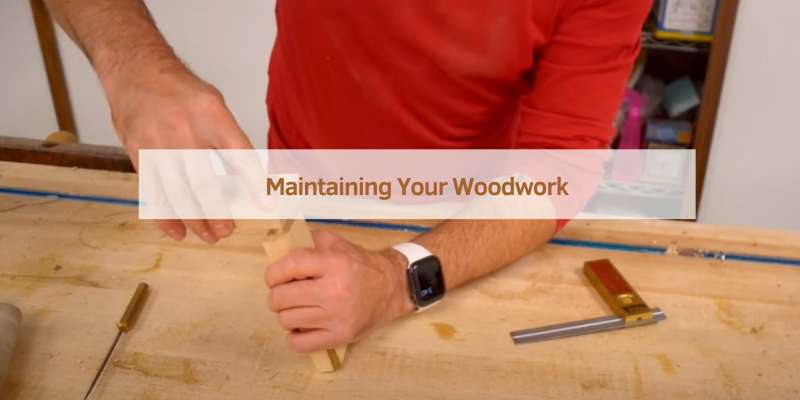
When connecting 2 planks of wood, it’s crucial to consider the seasonal wood movement. Wood expands and contracts with changes in humidity and temperature. To prevent issues, allow for movement when creating joints.
Over time, joints may weaken due to the natural movement of wood. Inspect joints periodically and repair any damage. Maintaining and repairing joints will ensure the longevity of your woodwork.
Frequently Asked Questions
How To Join Two Wooden Planks Together?
To join two wooden planks, apply wood glue along the edges and clamp them tightly together. Ensure the surfaces are clean and dry before gluing. For added strength, consider using dowels or biscuits along the joint.
How Do You Combine Wooden Planks?
To combine wooden planks, follow these steps:
1. Ensure the surfaces are clean and dry.
2. Apply wood glue along the joint.
3. Press the planks together firmly.
4. Use clamps to hold them in place while the glue dries.
5.Consider using dowels or biscuits for added strength. Remember to align the edges properly and make sure they are straight and square.
How Do You Join Two Pieces Of Wood Lengthwise?
Join two pieces of wood lengthwise using wood glue and clamps for a seamless finish. Ensure clean, dry surfaces before applying glue. For added strength, consider using dowels or biscuits along the joint.
How Do You Join Two Pieces Of Wood Without Seams?
To join two pieces of wood without seams, follow these steps:
1. Clean and dry the surfaces of the wood.
2. Apply wood glue to the edges of the wood pieces.
3. Press the pieces together firmly.
4. Use clamps to hold the pieces in place while the glue dries.
5. Consider using dowels or biscuits for added strength along the joint. Remember to ensure the edges are straight and square for a strong joint.
Conclusion
Connecting two planks of wood requires precision and patience. Whether using edge joining, a sprung joint, or another method, ensure clean, dry surfaces for gluing. Straight edges and proper clamping are essential for a strong, seamless bond. Consider dowels or biscuits for added strength.
Choose the method that best suits your project.