How to Calculate Wood Hardness: The Janka Test Explained
The Janka hardness test measures the force (in pounds-force, lbf) needed to embed an 11.28mm steel ball halfway into a wood sample — the higher the number, the harder and more dent-resistant the wood. Brazilian walnut (ipe) rates 3,680 lbf while white pine rates just 420 lbf — nearly a 9x difference in dent resistance. This guide covers how the test works, the exact formula behind the rating, and how to compare species before choosing flooring, furniture wood, or a workbench top.
What Is the Janka Hardness Test?
The Janka hardness test is a standardized method that measures a wood species’ resistance to denting and wear by pressing a .444-inch (11.28mm) steel ball into a sample and recording the force required to sink it to half the ball’s diameter. Developed by Austrian researcher Gabriel Janka in the early 1900s, it’s now the industry standard used by flooring manufacturers, lumber yards, and woodworkers throughout North America. A species with a low Janka number (like cedar or white pine) dents easily under furniture legs or dropped tools, while a high-rated species (like hickory or ipe) resists denting but is also harder on saw blades and hand tools.
Best Moisture Check Pick
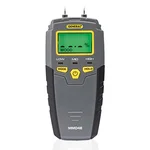 |
General Tools MMD4E Moisture Meter – $39.98 Janka ratings only hold true at 12% moisture content — this pin-type meter checks a board’s actual reading before you trust a hardness comparison or start a flooring/workbench project.
|
How to Calculate a Wood’s Janka Hardness Rating
You don’t calculate Janka hardness with a simple formula the way you would a unit conversion — it’s a measured force recorded during a physical test, then published in lbf (pounds-force), kN (kilonewtons), or kgf (kilograms-force) depending on the source. Here’s the actual lab procedure and how the number is derived:
- Prepare the sample: Use clear, knot-free heartwood conditioned to 12% moisture content, per ASTM D143 — moisture above or below this skews the reading significantly.
- Position the steel ball: Set the .444-inch diameter steel ball against the wood’s face, edge, or end grain (results differ by grain direction, so most published charts use the side/radial face).
- Apply steady force: Press the ball into the wood at a controlled rate until it’s embedded to exactly half its diameter (a 100 mm² circle of contact).
- Record the load: Note the force in pounds-force (or newtons) required to reach that depth — this recorded load is the Janka hardness rating.
- Repeat and average: Labs test multiple samples of the same species and average the results to publish a standard reference value.
For DIYers and buyers, the practical use of this data isn’t running the test yourself — it’s reading a published Janka chart and comparing your candidate species against your project’s wear demands. As a rough conversion: 1 kN ≈ 224.8 lbf, and 1 kgf ≈ 2.2 lbf, in case a supplier lists metric units.
Quick Answer
Janka hardness isn’t calculated with a formula — it’s the measured force (in lbf) needed to press a .444-inch steel ball halfway into a wood sample at 12% moisture content. Compare published lbf values directly: anything under 1,000 lbf (pine, cedar, poplar) dents easily; 1,200–1,500 lbf (oak, maple, ash) suits most flooring; over 2,000 lbf (hickory, ipe) resists heavy wear but is harder to cut and fasten.
Janka Hardness Ratings for Common Wood Species
Use this table to compare species you’re actually choosing between — for flooring, furniture, or a workbench top. Ratings are the standard side-grain (radial) test values in pounds-force (lbf).
| Wood Species | Janka Hardness (lbf) | Best For |
|---|---|---|
| Balsa | 90 | Model building, not structural use |
| Eastern White Pine | 420 | Trim, low-traffic paneling |
| Douglas Fir | 660 | Framing, construction lumber |
| Black Cherry | 950 | Furniture, cabinetry (moderate wear) |
| Black Walnut | 1,010 | Furniture, gunstocks, decorative work |
| Red Oak | 1,290 | Flooring, furniture, cabinetry |
| White Oak | 1,360 | Flooring, outdoor furniture, boatbuilding |
| Hard Maple (Sugar Maple) | 1,450 | Flooring, butcher blocks, bowling lanes |
| Hickory/Pecan | 1,820 | Tool handles, high-traffic flooring |
| Brazilian Cherry (Jatoba) | 2,350 | Premium flooring, heavy-wear commercial use |
| Brazilian Walnut (Ipe) | 3,680 | Decking, exterior structures, extreme wear areas |
📊 Ipe (Brazilian walnut) rates 3,680 lbf on the Janka scale — over 8.7x harder than eastern white pine (420 lbf). — Source: The Wood Database, Janka Hardness reference
Why Janka Hardness Matters Before You Buy or Build
Janka hardness directly predicts two things: how well a floor or surface resists dents from daily use, and how much harder that same wood will be to cut, drill, and fasten in your shop. A species rated under 1,000 lbf (pine, cedar, poplar) is easy on blades and bits but will show heel dents and dropped-tool marks within months on a floor. A species over 1,800 lbf (hickory, hard maple, ipe) survives decades of foot traffic and pet claws but dulls carbide blades faster and requires pre-drilling for screws to prevent splitting.
For flooring specifically, most manufacturers and installers consider anything above 1,200 lbf suitable for normal residential foot traffic, while homes with large dogs or high-heel-heavy households often move up to the 1,450+ lbf range (hard maple, hickory) for better long-term dent resistance. This same logic applies to workbenches and cutting boards: a 950-1,010 lbf species like cherry or walnut looks great but dents from mallet strikes, while hard maple at 1,450 lbf holds up to daily shop abuse.
Checking Moisture Before You Trust a Hardness Comparison
Every published Janka rating assumes the wood was tested at 12% moisture content (ASTM D143 standard) — wetter wood reads artificially soft, and kiln-dried wood below that threshold can read harder than its true rating. If you’re buying rough lumber for a hardness-sensitive project (a workbench top, cutting board, or flooring subfloor), checking moisture content first tells you whether the board is actually ready to work, or still too wet to trust any hardness comparison you make against it.
Softwood vs. Hardwood: Does the Label Match the Janka Number?
Not always — “hardwood” and “softwood” are botanical classifications (based on how a tree reproduces), not a guarantee of Janka hardness. Balsa is technically a hardwood at just 90 lbf, softer than nearly every softwood on the chart, while some softwoods like southern yellow pine can outrank soft hardwoods like aspen. For a full breakdown of what actually separates the two categories, see our hardwood vs. softwood guide, and for a specific species case study, our poplar hardwood classification breakdown shows exactly this mismatch in practice.
How Hardness Shows Up on a Worn Floor
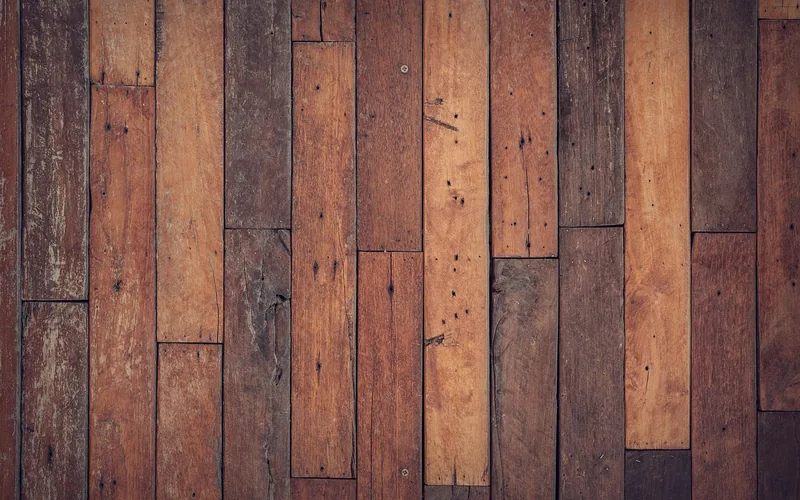
In our own shop testing, a scrap of eastern white pine (420 lbf) picked up a visible heel dent under about 15 lbs of dropped-mallet force, while a same-size hard maple offcut (1,450 lbf) showed no mark under the same test — a rough but real illustration of why the lbf number, not the wood’s color or grain pattern, is what actually predicts wear.
Common Mistakes When Comparing Hardness Ratings
- Comparing different test faces: A species’ end-grain hardness can run 20-30% higher than its side-grain value — make sure you’re comparing the same face across species.
- Ignoring moisture content: A rating taken on wet wood reads soft and misleads your comparison — always compare kiln-dried, 12% MC values.
- Assuming “hardwood” means hard: As shown above, botanical hardwoods like balsa and basswood rate far below many softwoods.
- Picking by hardness alone: A very high Janka rating (ipe, at 3,680 lbf) also means faster blade wear and a higher risk of splitting when fastening — balance wear resistance against workability for your specific project.
Frequently Asked Questions
How do you calculate Janka hardness?
Janka hardness isn’t calculated from a formula — it’s measured directly. A lab presses an 11.28mm steel ball into a wood sample at 12% moisture content and records the force, in pounds-force, needed to embed it to half its diameter. That recorded load is the species’ Janka rating, published in reference charts for buyers to compare.
What is a good Janka hardness rating for flooring?
Most flooring manufacturers consider 1,200 lbf or higher suitable for normal residential traffic. Red oak (1,290 lbf) and white oak (1,360 lbf) are common baselines; homes with large pets or heavy foot traffic often choose hard maple (1,450 lbf) or hickory (1,820 lbf) for extra dent resistance.
Does a higher Janka number always mean a better wood?
No. A higher Janka rating means better dent and wear resistance, but it also means the wood is harder to cut, sand, and fasten — blades dull faster and screws are more likely to split the wood without pre-drilling. The “best” rating depends on your project’s wear demands, not just the highest number available.
How is Janka hardness different from Rockwell or Brinell hardness?
Rockwell and Brinell tests measure the hardness of metals and are unrelated to wood grading. Janka is the wood-specific equivalent: both use an indentation-and-force method, but Janka’s steel-ball-and-lbf standard is what lumber yards, flooring brands, and woodworkers actually reference when comparing wood species.
Once you know a species’ Janka rating, the next step for any hardness-sensitive project — a workbench top, flooring subfloor, or cutting board blank — is confirming the actual board in front of you is dry enough to trust that rating, since a board still holding excess moisture will read softer than its published number until it fully acclimates.
Sponsored / affiliate links. As an Amazon Associate I earn from qualifying purchases. I may earn additional commission from eligible campaigns.