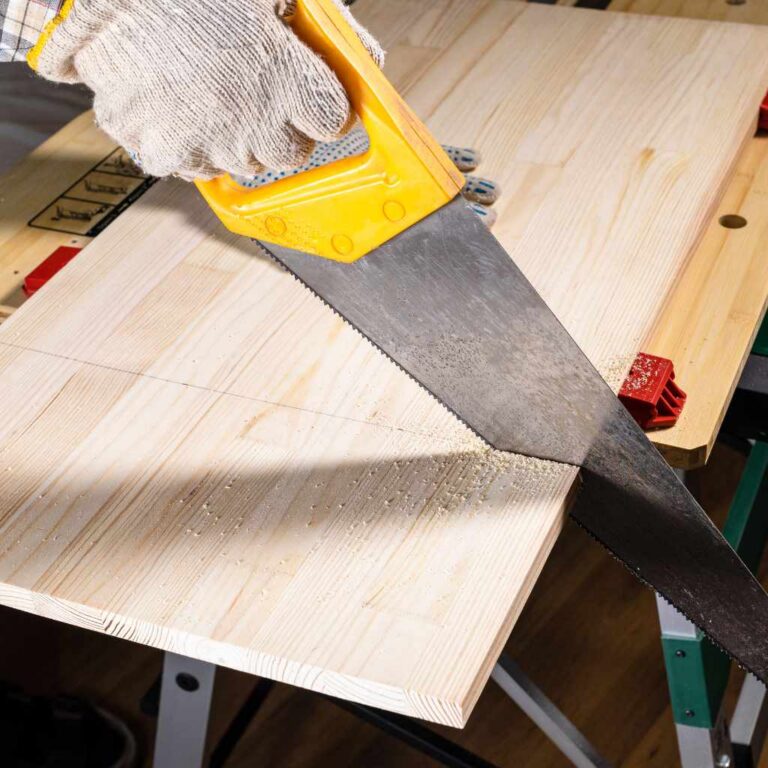
How to Cut a Recess in Wood: Router vs. Table Saw vs. Chisel
A plunge router with a straight bit cuts most wood recesses cleanly, but a table saw with a dado stack is faster for long, straight recesses that run edge to edge. Cutting more than 1/4 inch of depth in one pass causes tear-out and burning. This guide covers when to choose a router, table saw, or chisel, the multi-pass depth technique, and how to square the round corners a router leaves behind.
Quick Answer
Cut a wood recess with a plunge router and straight bit for enclosed areas, a table saw with a dado stack for long straight recesses, or a chisel for one-off work and squaring round corners. Take 2-3 shallow passes for any depth over 1/4 inch to avoid tear-out and burning.
Router vs. Table Saw vs. Chisel: Which Tool Should You Use?
Best Recess-Cutting Router Pick
Bosch 1617EVSPK Combination Plunge- and Fixed-Base Router
A 2.25 HP motor with both bases included, so one purchase covers enclosed recesses (plunge) and edge-guided cuts (fixed-base).
- Best for: Woodworkers who need both an enclosed-recess plunge cut and edge-guided fixed-base work from one motor
- Why we picked it: Matches this guide’s core recommendation — plunge for enclosed recesses, fixed-base from an edge
- Main drawback: Heavier than a dedicated compact router, so it’s less ideal for one-handed trim work
Compare more recess-cutting options
 Option 1 DEWALT Fixed and Plunge Base Router Kit
|
 Option 2 Freud Double Flute Straight Bit
|
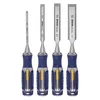 Option 3 IRWIN Woodworking Chisel Set (4-Piece)
|
As an Amazon Associate we earn from qualifying purchases.
Each tool suits a different recess job. A plunge router with an edge guide or template gives the most repeatable, precise results and is the only option for a recess that does not start at an edge. A table saw with a dado stack is fastest for long, straight recesses that run the full width or length of a board — see our guide to cutting dados for the cut-list setup. A chisel and mallet work best for one-off recesses or for squaring the rounded corners a router leaves behind. This guide is part of our broader wood cutting techniques hub.
| Tool | Precision | Speed | Best For |
|---|---|---|---|
| Plunge router | Highest — repeatable depth via depth stop | Moderate | Enclosed recesses, hinges, inlays, templates |
| Table saw + dado stack | High for straight cuts only | Fastest | Long, straight edge-to-edge recesses and dados |
| Chisel + mallet | Precise in skilled hands, slower to learn | Slowest | One-off recesses and squaring router-cut corners |
Introduction To Recess Cutting In Wood
Cutting a recess in wood requires precision. This process helps ensure a perfect fit for your project. Accurate cuts prevent mistakes and save time. A clean recess also enhances the overall appearance of your work.
Using the right tools is essential. They make the job easier and more efficient. Common tools include a router, chisel, and saw. A measuring tape ensures accurate dimensions. A square helps maintain straight lines.
| Tool | Purpose |
|---|---|
| Router | Creates smooth and precise recesses |
| Chisel | Fine-tunes edges and corners |
| Saw | Initial cuts for larger recesses |
| Measuring Tape | Ensures accurate dimensions |
| Square | Maintains straight lines |
Selecting The Right Wood
Choosing the right wood is important for recess cutting. Different types of wood have unique qualities. Here are some common types:
| Type of Wood | Features |
|---|---|
| Softwood | Easy to cut and shape. Ideal for beginners. |
| Hardwood | Durable and strong. Great for detailed work. |
| Plywood | Stable and resistant to warping. Good for larger projects. |
Always choose wood that fits your project. Quality wood ensures better results and longevity. Check for any defects before starting.
Designing Your Recess
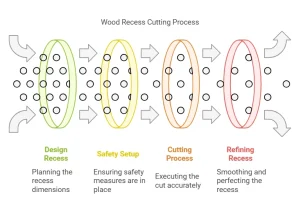
Start by deciding the size of your recess. Measure the width, length, and depth needed. Use a pencil to mark the area on the wood. Make sure to keep the lines straight and clear.
Use a square to ensure right angles. This will help in making a precise cut. Check the measurements twice for accuracy. A small mistake can lead to a bad fit.
After marking, take a straight edge and draw lines. These lines guide your cutting tool. Make sure the area is clean before starting.
Safety Measures
Always wear safety goggles to protect your eyes. Ear protection is important when using loud tools. A dust mask helps keep your lungs safe from wood particles.
Wear gloves to protect your hands from splinters and cuts. Use non-slip shoes to prevent falls while working.
Hold tools with both hands for better control. Always keep blades sharp for safer cuts. Store tools properly to avoid accidents.
Check cords and plugs for any damage. Unplug tools when not in use to avoid shocks. Follow instructions carefully to ensure safety.
Setting Up Your Workspace
Start by gathering all necessary tools. This includes a saw, chisel, and measuring tape. Keep your workspace tidy for safety and ease of use.
Organize your materials. Place the wood securely on a flat surface. Use clamps to hold the wood in place. This prevents movement while cutting.
Double-check your measurements. Mark the area you wish to recess clearly. A pencil or marker works well for marking.
Ensure the area is well-lit for better visibility. This helps avoid mistakes during the cutting process.
The Cutting Process
To create a recess in wood, start by drilling starter holes. These holes help guide your chisel. Place the drill bit where you want the recess. Drill down to the desired depth.
After drilling, use a chisel for shaping. Choose a chisel that fits the size of the recess. Hold the chisel at an angle and tap it gently with a hammer. This technique removes wood easily.
Make sure to work slowly and check the depth often. A clean recess will look better and function properly. Always wear safety gear when using tools.
Plunge Router vs. Fixed-Base Router for an Enclosed Recess
A plunge router is the only safe choice for a recess that does not start at an edge — the base sits flat on the workpiece while the bit lowers straight down into the cut. A fixed-base router only works from an edge, guided by a straight edge, template, or bearing-guided bit, because tipping a spinning fixed-base bit into the middle of a panel is unsafe and hard to control. If your recess is fully enclosed (not open on any side), use a plunge router; if it starts at an edge, either type works with an edge guide.
How Many Passes Should You Take for Depth?
Cutting a recess deeper than 1/4 inch in a single pass strains the router bit and causes tear-out or scorch marks along the edges. Set the router’s depth stop to remove roughly 1/4 inch per pass, and take 2-3 progressively deeper passes to reach the final depth. On a plunge router, this means resetting the turret stop between passes; on a fixed-base router, it means loosening and re-lowering the base after each pass. Going slower on the final pass leaves the cleanest wall and floor.
Using a Table Saw and Dado Stack for Long, Straight Recesses
For a recess that runs straight across the full width or length of a board — a shelf dado or a rabbet along an edge — a table saw fitted with a dado stack is faster than routing. Stack the dado blades and chippers to the recess width, set the blade height to the target depth, and clamp a fence or stop block to control the cut location. This method cannot cut an enclosed recess that stops before the board’s edge — for that shape, use a plunge router instead.
Refining The Recess
To achieve a smooth finish, use sandpaper on the edges. Start with coarse sandpaper, then move to finer grits. This method helps remove any splinters or rough spots.
Check the edges frequently to ensure they are even and smooth. Pay attention to the corners for any sharpness. A rounded edge can look more professional.
To maintain depth uniformity, use a depth gauge. This tool helps keep the recess consistent. Measure regularly during the cutting process.
Mark your starting point clearly. This practice guides your cuts and prevents mistakes. Always work slowly for better accuracy.
Finishing Touches
Start by using fine-grit sandpaper. This helps to smooth the edges of the recess. Sand in a circular motion for the best results. Make sure to check for any rough spots.
After sanding, clean the area with a damp cloth. This removes any dust or debris. Let it dry completely before applying the finish.
Applying a finish protects the wood and enhances its beauty. Choose a suitable finish like varnish or paint. Use a brush for even application. Apply thin coats and allow each coat to dry.
Check the finish after it dries. Sand lightly between coats for a smooth surface. Repeat until you achieve the desired look.
Troubleshooting Common Issues
Splintering can ruin a clean cut in wood. Use a sharp chisel or knife to score the wood. This helps prevent splinters. Always cut slowly and gently to maintain control.
For uneven depths, check your cutting tool settings. Make sure they are correctly adjusted. Use a depth gauge to help measure the cut depth. Regularly check your progress as you work. This ensures a consistent and smooth recess.
Maintenance And Care For Your Tools
Cleaning your tools after use is very important. It prevents rust and damage. Use a damp cloth to wipe off dust and debris. For sticky substances, a mild soap solution works well.
Make sure to dry tools completely. Store them in a dry place to avoid moisture. Regular cleaning keeps your tools in great shape.
Sharpening cutting instruments helps them work better. Use a sharpening stone or file. Always follow the manufacturer’s instructions for best results. Sharp tools cut smoothly and safely.
Check your tools often for dullness. A regular sharpening routine will extend their life.
Squaring Router-Cut Corners with a Chisel
A router bit is round, so it always leaves a rounded inside corner, no matter how small the bit — a fixed limitation of the tool, not a mistake in technique. For a mortise-style recess that needs sharp, square corners (for a hinge leaf or a squared inlay), rout out the bulk of the waste first, then finish the corners by hand with a sharp chisel matched to the recess width. Pare in thin slices rather than one heavy strike, working down to the scored line on each side of the corner.
📊 Routing a hardware mortise first and squaring the corners by hand is more than twice as fast as cutting the entire mortise by hand — Source: Fine Woodworking magazine, “Routing Hardware Mortises”
This same rough-with-router, finish-with-chisel approach also works for router-cut inlay recesses, where a crisp, square edge matters for a tight, gap-free fit.
Advanced Techniques
Creating complex recess shapes in wood can be fun and rewarding. Start by choosing the right power tools for the job. A router is great for smooth edges and intricate designs.
Use a jigsaw for curves and detailed patterns. Ensure you have the correct blade for your material. For straight cuts, a circular saw works well.
| Tool | Best Use |
|---|---|
| Router | Detailed edges and designs |
| Jigsaw | Curves and complex shapes |
| Circular Saw | Straight cuts |
Always wear safety gear, like goggles and gloves. Follow the tool’s instructions for best results. Practice on scrap wood to build your skills before starting your project.
Practical Applications
Recesses in woodworking projects offer both functionality and aesthetic appeal. They can create space for hardware or other decorative elements. For example, a recessed drawer front can enhance a modern cabinet design.
Another application is making shelves with built-in recesses. This can hold books or display items securely. Recessed lighting in wooden frames adds a stylish touch to any room.
Recesses also improve ergonomics. A recessed grip area on furniture makes it easier to handle. These practical designs showcase creativity and craftsmanship in woodworking.
Frequently Asked Questions
How Do You Measure For A Wood Recess?
To measure for a wood recess, first determine the desired depth and width. Use a measuring tape to mark these dimensions clearly on the wood. Ensure accuracy by double-checking your measurements. It’s essential to mark both ends of the recess to guide your cutting process effectively.
What Tools Are Needed To Cut A Recess?
To cut a recess in wood, you’ll need several tools. A circular saw or a router is ideal for clean cuts. A chisel and hammer can help refine edges. Additionally, a measuring tape, straight edge, and clamps will ensure precision and stability during the cutting process.
Can I Cut A Recess Without Power Tools?
Yes, you can cut a recess without power tools. Use a hand saw for the main cuts, followed by chisels for detailed work. A coping saw can also be useful for intricate shapes. While it requires more effort, it’s entirely feasible for those who prefer traditional methods.
What Is The Best Wood For Recess Cutting?
The best wood for recess cutting is typically hardwood, such as oak or maple. These woods offer durability and strength, making them ideal for furniture and cabinetry. Softwoods like pine can also work but may be less durable. Choose based on your project’s requirements and desired finish.
What Is the Difference Between a Plunge Router and a Fixed-Base Router for Cutting a Recess?
A plunge router lowers the bit straight down into the workpiece with the base flat on the surface, so it can start a recess anywhere on a panel, not just at an edge. A fixed-base router only works safely from an edge, guided by an edge guide or template, since tipping a spinning fixed-base bit into the middle of a board is unsafe.
How Deep Can You Cut a Recess in One Router Pass?
Keep each router pass to about 1/4 inch of depth. Cutting deeper than that in a single pass strains the bit and causes tear-out or scorching along the recess walls. For a deeper recess, take 2-3 progressively deeper passes using the router’s depth stop instead of removing all the material at once.
Can You Cut a Recess With a Table Saw?
Yes, for a recess that runs straight across the full width or length of a board. Fit a dado stack sized to the recess width, set the blade height to the target depth, and use a fence or stop block to control the cut. A table saw cannot cut an enclosed recess that stops before the board’s edge — use a plunge router for that shape instead.
Conclusion
Choosing the right tool — plunge router for enclosed recesses, table saw and dado stack for long straight ones, chisel for one-off work and squared corners — and cutting in 2-3 shallow passes rather than one deep pass are what separate a clean recess from a torn-out one. Practice on scrap first, and keep your cutting tools sharp and dust-clear for a cleaner result on the real workpiece.
Sponsored / affiliate links. As an Amazon Associate I earn from qualifying purchases. I may earn additional commission from eligible campaigns.