How to Cut Plywood for Gable Ends: Quick & Easy Guide
To cut plywood for gable ends, measure and mark the plywood according to the required dimensions. Use a circular saw for precise cutting.
Ensure safety precautions are followed. Cutting plywood accurately is crucial for constructing gable ends that fit seamlessly into the overall structure. By mastering the cutting process, you can achieve professional-looking results and ensure the structural integrity of your project. Properly cut plywood will contribute to the stability and aesthetic appeal of the gable ends, enhancing the overall quality of the construction.
Mastering this skill will enable you to tackle future projects with confidence and precision.
Introduction To Plywood Gable Ends
To cut plywood for gable ends, measure and mark the plywood according to your desired dimensions. Use a circular saw to make the cuts, ensuring precision and accuracy. It’s important to use safety equipment such as goggles and gloves during this process to avoid any accidents.
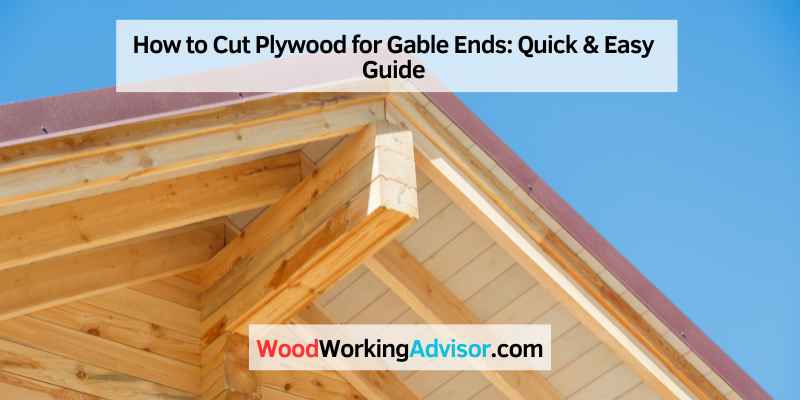
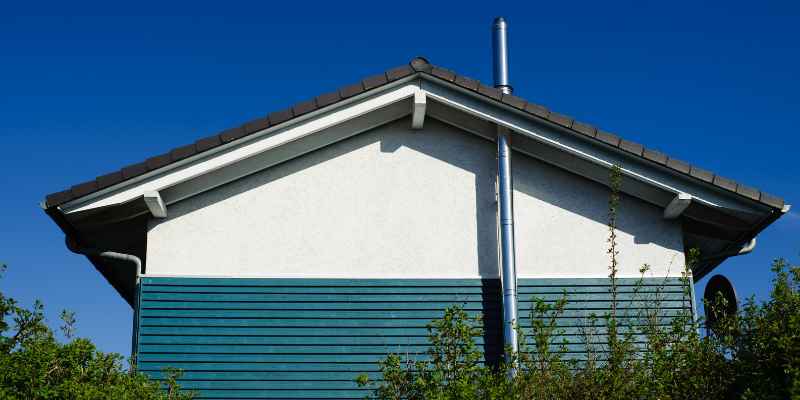
When it comes to home design, gable ends play a crucial role in not only the aesthetics but also the structural integrity of the roof. A gable end refers to the triangular portion of a wall between the edges of the intersecting roof pitches. Plywood is a popular choice for gable ends due to its strength, durability, and ease of use. In this post, we will discuss the benefits of using plywood for gable ends and how to cut it properly.
The Role Of Gable Ends In Home Design
Gable ends are an essential element in the design of a home’s roof structure. They provide a finished look to the roof, enhance the overall curb appeal, and protect the interior from the elements. Gable ends also play a crucial role in the ventilation system of the roof, allowing hot air to escape and preventing moisture buildup. The design of gable ends can vary from simple and traditional to more intricate and modern, depending on the homeowner’s preference.
Benefits Of Using Plywood For Gable Ends
Plywood is a popular choice for gable ends due to its many benefits. Firstly, plywood is a strong and durable material that can withstand harsh weather conditions, making it ideal for outdoor use. Secondly, plywood is easy to work with and can be cut to any size or shape, allowing for greater flexibility in design. Thirdly, plywood is cost-effective compared to other materials like metal or concrete. Fourthly, plywood is readily available at most home improvement stores, making it a convenient option for DIY enthusiasts.
To summarize, using plywood for gable ends is a practical and cost-effective solution that offers durability, flexibility, and ease of use. In the next section, we will discuss how to cut plywood for gable ends properly.
Selecting The Right Plywood
When it comes to constructing gable ends, selecting the right plywood is crucial for ensuring a sturdy and durable structure. By choosing the appropriate type and thickness of plywood, you can create gable ends that are not only aesthetically pleasing but also capable of withstanding various weather conditions.
Types Of Plywood Suitable For Gable Ends
When selecting plywood for gable ends, it’s essential to consider the specific types that are most suitable for this purpose. Exterior-grade plywood is highly recommended due to its ability to withstand moisture and weather exposure. CDX plywood is another popular choice, known for its durability and resistance to splitting. Additionally, pressure-treated plywood is ideal for gable ends, offering protection against rot and decay.
Considerations For Thickness And Durability
When it comes to the thickness of plywood for gable ends, opting for 3/8-inch to 1/2-inch thickness is generally sufficient to provide the necessary strength and stability. Thicker plywood may be used for larger gable ends or areas with higher wind loads. Durability is a key factor, so selecting plywood with a high-quality exterior glue and proper treatment is essential for ensuring longevity and resilience against the elements.
Tools And Materials Needed
To cut plywood for gable ends, you’ll need a few essential tools and materials. These include a circular saw, a straight edge or guide, clamps, safety goggles, and plywood sheets. With these items on hand, you’ll be well-equipped to tackle your gable end project efficiently and safely.
Essential Cutting Tools
When it comes to cutting plywood for gable ends, having the right tools is crucial for achieving precise and clean cuts. Here are the essential cutting tools you’ll need:
- Circular Saw: A reliable circular saw with a sharp blade is essential for cutting through plywood. Make sure to choose a saw with adjustable depth settings to match the thickness of your plywood.
- Jigsaw: A jigsaw is handy for making intricate or curved cuts on the plywood. It allows you to create more detailed designs or patterns on the gable ends.
- Table Saw: While not mandatory, a table saw can be useful for making long, straight cuts on plywood. It provides stability and precision, ensuring accurate measurements.
- Clamps: Clamps are necessary to secure the plywood firmly in place while cutting. They help prevent the plywood from moving or vibrating, resulting in cleaner and safer cuts.
- Straight Edge: A straight edge, such as a long level or a metal ruler, is indispensable for guiding your circular saw or jigsaw along straight lines. It ensures straight and accurate cuts.
Safety Gear And Equipment
Ensuring your safety while cutting plywood should be a top priority. Here are the safety gear and equipment you should have:
- Protective Eyewear: Safety goggles or glasses shield your eyes from flying debris and wood particles that may be generated during the cutting process.
- Dust Mask: Wearing a dust mask helps filter out harmful dust and particles, preventing you from inhaling them while cutting plywood.
- Ear Protection: The loud noise produced by power tools can damage your hearing over time. Use earplugs or earmuffs to protect your ears during cutting.
- Gloves: Wearing gloves provides an extra layer of protection for your hands, reducing the risk of cuts or splinters.
- Workbench or Sawhorses: A stable work surface, such as a workbench or sawhorses, is necessary for supporting the plywood securely during cutting.
By having the right tools and safety gear, you’ll be well-prepared to cut plywood for gable ends safely and accurately. Remember to follow proper cutting techniques and take necessary precautions to ensure a successful project.
Measuring And Marking
Cutting plywood for gable ends requires precise measuring and marking. Follow these steps to ensure accurate cuts for a perfect fit.
Calculating The Gable End Dimensions
Before you start cutting plywood for gable ends, it’s important to accurately calculate the dimensions of the gable end. This will ensure that the plywood fits perfectly and gives your structure a professional look.
To calculate the gable end dimensions, follow these steps:
- Measure the width of the gable end from one corner of the roof to the other. Make a note of this measurement.
- Measure the height of the gable end from the bottom of the roof to the peak. Make a note of this measurement as well.
- Add a margin of error to your measurements to allow for any adjustments during the cutting process. This will ensure that you have enough plywood to work with.
- Use these measurements to determine the size of the plywood sheet you will need for the gable end. Round up to the nearest standard plywood size available in your area.
By accurately calculating the gable end dimensions, you can ensure that you have the right amount of plywood and minimize any potential waste.
Marking Techniques For Precision
Once you have calculated the dimensions for your gable end, the next step is to mark the plywood for cutting. Precise markings are crucial for achieving clean and accurate cuts.
To mark the plywood for cutting, follow these techniques:
- Use a measuring tape to measure and mark the dimensions of the gable end on the plywood. Use a pencil or marker to make the markings clearly visible.
- Consider using a straightedge or a T-square to ensure that your markings are straight and parallel.
- Double-check your measurements and markings before proceeding with the cutting process to avoid any errors.
- If you are making multiple gable ends, label each piece of plywood with its corresponding measurements to avoid confusion.
By using these marking techniques, you can achieve precise and accurate cuts, resulting in a professional-looking gable end for your project.
Remember to always measure twice and cut once to avoid any costly mistakes. Taking the time to calculate the dimensions accurately and using precise marking techniques will ensure that your plywood gable ends fit perfectly and contribute to the overall quality of your structure.
Cutting Techniques
When it comes to building gable ends, mastering the cutting techniques is crucial for achieving precise and professional results. From straight cuts using a circular saw to finishing edges with a jigsaw, the right cutting techniques can make all the difference in the quality of your project.
Straight Cuts Using A Circular Saw
For making straight cuts on plywood for gable ends, a circular saw is an indispensable tool. To achieve accurate results, ensure that the plywood is fully supported and use a guide to maintain a straight cutting line. Secure the plywood firmly in place before making the cut.
Finishing Edges With A Jigsaw
When it comes to finishing edges, a jigsaw is a versatile tool that allows for intricate cuts and shaping. It’s ideal for creating the customized edges needed for gable ends. Use a fine-toothed blade for smoother edges and take your time to ensure precision.
Handling Common Challenges
Dealing With Plywood Splintering
If plywood splinters, use masking tape before cutting to minimize splintering.
Making Adjustments For Imperfect Walls
Shim plywood where walls are uneven to ensure a precise fit.
Installation Tips
When installing plywood for gable ends, following these installation tips will ensure a secure and weatherproof finish.
Securing Plywood To The Gable Ends
- Use exterior-grade screws to attach plywood.
- Space screws 6-8 inches apart along the edges.
- Pre-drill holes to prevent splitting.
Sealing And Weatherproofing
- Apply a waterproof sealant to all edges and corners.
- Use flashing tape to seal joints and prevent water infiltration.
- Paint or stain the plywood for added protection.
Finishing Touches
Now that you have successfully cut the plywood for the gable ends, it’s time to add the finishing touches to complete the project.
Sanding And Painting
Sanding the edges of the plywood ensures a smooth finish. Painting with weather-resistant paint protects the wood from the elements.
Adding Trim And Decorative Elements
Trim pieces give a polished look. Decorative elements such as corbels or brackets enhance the overall aesthetic.
Maintenance And Upkeep
To cut plywood for gable ends, measure and mark the plywood according to the required dimensions. Then, use a circular saw to make precise cuts along the marked lines. Ensure the saw blade is sharp for clean and accurate cuts, and prioritize safety by wearing appropriate protective gear.
Routine Inspection and Cleaning:
- Check for signs of wear or water damage.
- Clean the gable ends with a mild detergent.
- Remove debris and dirt regularly.
Repairing Damage Over Time:
- Inspect for cracks or splits in the plywood.
- Apply wood filler to repair minor damage.
- Consider replacing severely damaged sections.
Frequently Asked Questions
How Do I Measure Plywood For Gable Ends?
To measure plywood for gable ends, use a measuring tape to determine the width and height needed for the gable end. Ensure precise measurements to avoid wastage and achieve a perfect fit for the gable ends of your project.
What Tools Are Needed To Cut Plywood For Gable Ends?
You will need a circular saw or a table saw to cut plywood for gable ends. Additionally, a straight edge or guide, clamps, safety goggles, and a pencil for marking the plywood are essential tools for this task.
What Are The Best Techniques For Cutting Plywood For Gable Ends?
When cutting plywood for gable ends, it’s best to use a straight edge or guide to ensure straight and accurate cuts. Secure the plywood with clamps and wear safety goggles. Measure twice and cut once for precision.
How Can I Achieve Clean And Smooth Cuts On Plywood For Gable Ends?
To achieve clean and smooth cuts on plywood for gable ends, ensure the saw blade is sharp and appropriate for cutting wood. Take your time and use steady, even pressure when guiding the saw through the plywood. Sand the edges for a professional finish.
Conclusion
Cutting plywood for gable ends may seem like a daunting task, but with the right tools and techniques, it can be done easily and efficiently. Remember to measure twice and cut once, and use a saw blade that is appropriate for the job.
By following these steps, you can ensure that your gable ends will be cut accurately and fit perfectly. Happy building!