Standard Plywood Sizes: 4×8 Chart, Actual Thickness & mm (2026)
A standard sheet of plywood is 4 x 8 feet (48 x 96 inches, 1219 x 2438 mm), but the thickness on the label is rarely the thickness you measure: 3/4 inch plywood is 23/32 inch. That gap breaks dado joints and subfloor math. This guide gives the full sheet size chart, nominal versus actual thickness in inches and mm, and the places where published sources disagree.
Standard Plywood Sizes
Best Thickness Caliper Pick
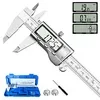 | 6-Inch Digital Caliper (Inch, Fraction, mm): $21.98 A tape measure cannot tell 23/32 inch from 3/4 inch, a caliper can. It is the tool that settles the nominal-versus-actual question covered in the thickness table below, before you cut a dado or order sheets.
|
As an Amazon Associate we earn from qualifying purchases.
The most common standard plywood size is 4 feet x 8 feet (48 x 96 inches). It is the sheet you will find at any lumberyard or home center, and it exists because it divides cleanly by 16 and 24 inch stud and joist spacing. Other sheet sizes are sold for specific jobs, and the table below lists every one you are likely to meet.
Plywood Sheet Size Chart
| Sheet Size | Dimensions (inches) | Metric (cm) | Common Use |
|---|---|---|---|
| 4 x 8 ft (standard) | 48 x 96 in | 122 x 244 cm | Subfloor, walls, cabinets, furniture |
| 4 x 4 ft | 48 x 48 in | 122 x 122 cm | Small projects, half-sheet pieces |
| 4 x 10 ft | 48 x 120 in | 122 x 305 cm | Tall walls, large panels (often special order) |
| 4 x 12 ft | 48 x 144 in | 122 x 366 cm | Commercial framing, long panels |
| 5 x 5 ft | 60 x 60 in | 152 x 152 cm | Baltic birch and other specialty plywood |
| 2 x 4 ft | 24 x 48 in | 61 x 122 cm | Pre-cut panels, small DIY projects |
| 2 x 2 ft | 24 x 24 in | 61 x 61 cm | Crafts, small repairs |
Edge trimming matters when you plan cuts. A 4×8 is nominally 48 x 96 inches, but some sheets come in a little under, and one cutting guide notes that after trimming factory edges the usable sheet is closer to 47 x 95 inches (Cutlist plywood sheet guide). For exact measurements of a real 4×8, see our page on the actual measurements of 4×8 plywood. If you want to know what a sheet costs, we cover that separately for Lowe’s and Home Depot.
Plywood Thickness: Nominal vs Actual Size
The thickness on the label is the nominal size. Plywood is sanded after pressing, which takes roughly 1/32 inch off, so a sheet sold as 3/4 inch measures 23/32 inch on calipers (Hansen Buildings). Here are the figures with metric conversions:
| Nominal Thickness | Actual Thickness | Decimal | Metric (mm) | Best For |
|---|---|---|---|---|
| 1/8 inch | 1/8 inch (usually true) | 0.125 | 3.2 mm | Drawer bottoms, backing panels |
| 1/4 inch | 1/4 inch or 7/32 inch (see note) | 0.250 / 0.219 | 6.4 / 5.6 mm | Cabinet backs, wall paneling |
| 3/8 inch | 11/32 inch | 0.344 | 8.7 mm | Light shelving, furniture backs |
| 1/2 inch | 15/32 inch | 0.469 | 11.9 mm | Cabinet boxes, shelving, roof sheathing |
| 5/8 inch | 19/32 inch | 0.594 | 15.1 mm | Floor underlayment, heavy shelving |
| 3/4 inch | 23/32 inch | 0.719 | 18.3 mm | Cabinets, subfloor, workbench tops |
| 1 inch | 31/32 inch | 0.969 | 24.6 mm | Heavy-duty decking, structural floors |
| 1-1/8 inch | 1-1/8 or 1-3/32 inch (varies) | 1.125 / 1.094 | 28.6 / 27.8 mm | Structural subfloor, heavy-duty decking |
The 1/4 inch myth. Many charts, including the previous version of this page, say 1/4 inch plywood is a true 1/4 inch. One calculator reference states that 1/4 inch plywood is typically sold at a full 0.250 inch (Trademaster plywood thickness chart), while the Cutlist guide lists 1/4 inch hardwood plywood at 7/32 inch (about 5.5 mm). Both exist on the shelf, so measure the sheet in your hand instead of trusting the chart. The same reference also lists 1 inch panels at 31/32 inch, not a true inch.
Why it matters in the shop: a dado cut at a true 3/4 inch leaves a loose joint around a 23/32 inch panel. Size joinery from measured stock, or use an undersized plywood router bit. For a closer look at one of the odd sizes, read our explainer on 19/32 plywood, and for the common subfloor comparison see 5/8 vs 3/4 plywood.
Plywood Dimensions: Complete Quick Reference
When you buy plywood you are really specifying three dimensions: width, length and thickness. This table puts the usual values for US sheets side by side with the metric formats you will see on imported panels.
| Dimension Type | Imperial | Metric | Notes |
|---|---|---|---|
| Standard width | 48 in (4 ft) | 1219 mm | Spans three 16 in or two 24 in stud bays |
| Standard length | 96 in (8 ft) | 2438 mm | Most common length, sold everywhere |
| Extended length | 120 in / 144 in | 3048 / 3658 mm | Often special order |
| Some sheets trim slightly under | 47-7/8 x 95-7/8 in | ~1216 x 2435 mm | Varies by mill; measure before cutting |
| Baltic birch | 60 x 60 in | 1525 x 1525 mm | 5 x 5 ft sheets, metric thicknesses |
| Common metric thicknesses | Closest: 1/8 to 3/4 in | 3, 6, 9, 12, 15, 18 mm | 18 mm is the usual match for 3/4 in |
| Metric 4×8 style panels (EU) | 49.2 x 98.4 in | 1250 x 2500 mm | Not interchangeable with US 4×8 |
| Metric panels (Australia) | 47.2 x 94.5 in | 1200 x 2400 mm | Slightly smaller than a US 4×8 |
Metric-spec sheets sold as 4×8 can run a hair under 48 x 96 inches, which is another reason to measure the sheet you bring home. Quick conversions: 1 inch = 25.4 mm, so 48 inches is 1219 mm and 96 inches is 2438 mm.
Which Plywood Thickness Should You Use?
Match the thickness to the load rather than to the label. These are common choices for each nominal thickness:
- 1/4 inch (6 mm): cabinet backs, drawer bottoms and wall paneling where nothing carries load.
- 1/2 inch (12 mm): cabinet boxes, shelving and roof sheathing between framing members.
- 3/4 inch (18 mm): countertop substrates, subfloors, workbench tops and shelves that carry books or tools.
- 4 x 4 and 2 x 4 foot panels: easier to carry and cut when you only need a small piece.
For structural work such as subfloor or sheathing, check the grade stamp on the sheet and follow the span rating for your joist spacing, since thickness alone does not tell you whether a panel is rated for the span. If you are weighing two common subfloor choices, see 5/8 vs 3/4 plywood. For layer counts and how they affect strength, read 3-ply vs 4-ply plywood, or see our broader plywood wood guide.
Plywood Types and Grades in Brief
Softwood plywood, made from species such as pine and fir, is the standard for construction. Hardwood plywood, with faces of oak, maple or birch, is chosen for cabinets and furniture because the face is smoother. Specialty panels such as film-faced plywood are made for concrete forms and similar jobs.
Face grades run from A (smooth, paintable) down to D (knots and open defects allowed). Use A or B faces where they will be seen, and C or D for sheathing and hidden structural use. Grade affects appearance and use, so it is not a reliable indicator of exact thickness, which is why measuring still matters.
Buying Tips
- Measure the opening or the longest piece you need first, then check it against the actual size of the sheet, not the nominal one.
- Sight down the edges of each sheet before buying, because warped or damaged corners waste more than any price difference saves.
- If a 4×8 will not fit your vehicle, many stores will make the first cuts; see our guide to plywood cut to size for what that costs.
- Buy all sheets for one project from the same stack when you can, since two sheets with the same label can differ slightly in thickness.
Frequently Asked Questions
What is the standard size of a sheet of plywood?
A standard sheet of plywood is 4 feet by 8 feet (48 x 96 inches, about 122 x 244 cm or 1219 x 2438 mm). Longer 4×10 and 4×12 sheets exist but are usually special order, and 4×4 and 2×4 foot panels are sold as pre-cut pieces.
How thick is 3/4 inch plywood really?
Three-quarter inch plywood is usually 23/32 inch thick (0.719 inch, about 18.3 mm). Sanding at the mill removes roughly 1/32 inch. Measure with calipers and set a dado to 23/32 inch or use an undersized plywood router bit so the joint does not rattle.
Is 1/4 inch plywood actually 1/4 inch thick?
It depends on the panel. Some charts list 1/4 inch plywood as a full 0.250 inch, while other sources list sanded hardwood plywood at 7/32 inch (about 5.5 mm). Measure the actual sheet before you buy matching hardware or cut a groove for it.
What size is a sheet of plywood in cm and mm?
A 4×8 sheet is about 122 x 244 cm, which is 1219 x 2438 mm and is often rounded to 1220 x 2440 mm. Metric panels commonly run 3, 6, 9, 12, 15 and 18 mm thick, with 18 mm being the usual match for 3/4 inch.
Is a 4×8 sheet of plywood really 48 x 96 inches?
Nominally yes, but some sheets measure a fraction under, and some sources quote 47-7/8 x 95-7/8 inches after edge trimming. Plan cuts from the sheet you actually bought, and leave a small margin when a design needs the full 48 x 96 inches.
Conclusion
A 4×8 sheet is the size to plan around, but the label thickness is a nominal value. Treat 3/4 inch as 23/32 inch, check 1/4 inch sheets with calipers, and measure each sheet before you set up a dado or plan a tight cut.
Sponsored / affiliate links. As an Amazon Associate I earn from qualifying purchases. I may earn additional commission from eligible campaigns.