How to Cut Wood With Chainsaw: Genius Essential Guide
Cut wood like a pro with your chainsaw! This guide breaks down essential techniques for safe, efficient wood cutting, whether you’re a beginner or looking to refine your skills. Learn proper stance, cutting methods, and safety tips to tackle any woodcutting task with confidence.
Ever looked at a log and wondered how those professional woodcutters make it look so easy? A chainsaw can seem a bit intimidating at first, but with the right know-how, you can handle it safely and effectively. Many beginners feel a little nervous about using this powerful tool, and that’s perfectly okay! Learning the basics of how to cut wood with a chainsaw doesn’t require years of experience. It’s about understanding your equipment, respecting the wood, and prioritizing safety above all else. This guide is here to break down everything you need to know, step by step, so you can feel confident and capable in your next woodcutting project. Get ready to transform that pile of wood into something useful!
Safety First: Your Chainsaw Cutting Blueprint
Before we even think about starting the engine, let’s talk safety. This is the most crucial part of learning how to cut wood with a chainsaw. A chainsaw is a powerful tool, and using it without proper precautions can lead to serious injury. Think of safety as your essential first cut – you can’t skip it!
Essential Safety Gear You Absolutely Need
Never, ever operate a chainsaw without this protective gear. It’s your first line of defense.
- Chainsaw Chaps or Protective Trousers: These are made from special materials designed to stop a moving chain.
- Safety Glasses or Goggles: Protect your eyes from flying sawdust and debris. A full face shield is even better.
- Hearing Protection: Chainsaws are loud! Use earmuffs or earplugs to prevent hearing damage.
- Sturdy Gloves: Provide a better grip and protect your hands from splinters and minor cuts.
- Steel-Toed Boots: Protect your feet from falling logs or accidental chain contact.
- Hard Hat: Essential if there’s any risk of falling branches.
Chainsaw Maintenance: The Unsung Hero of Safe Cutting
A well-maintained chainsaw is a safer chainsaw. Regularly checking and maintaining your saw ensures it operates as intended and reduces the risk of sudden failures.
- Chain Sharpness: A sharp chain cuts efficiently and requires less force, reducing kickback risk. Dull chains are dangerous.
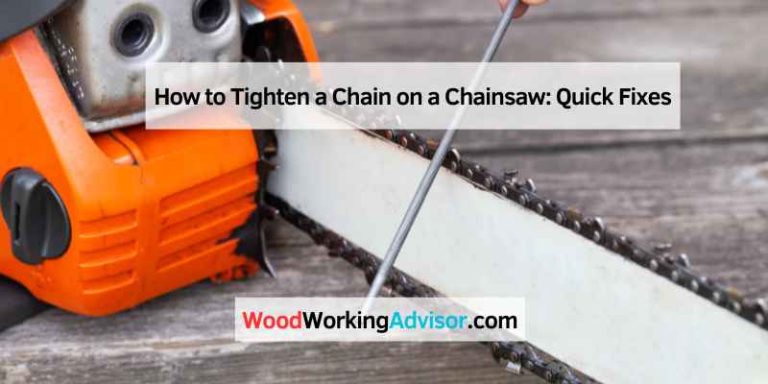
- Chain Tension: The chain should be snug but still turn by hand. Too loose, and it can derail; too tight, and it can damage the bar and engine. Check your owner’s manual for specific tensioning instructions.
- Bar Lubrication: Ensure the bar oil is topped up to keep the chain and bar lubricated. This prevents overheating and wear.
- Air Filter: A clean air filter ensures the engine runs smoothly.
- Visual Inspection: Before each use, check for loose parts, damage to the chain or bar, and ensure all safety features are working.
Understanding Chainsaw Safety Features
Modern chainsaws come with built-in safety features designed to protect you. Make sure you know what they are and how they work.
- Chain Brake: This is your most important safety feature. It stops the chain immediately if there’s a kickback or if you engage it manually. Always ensure it’s engaged when starting the saw or transporting it.
- Throttle Lockout: Prevents accidental throttle engagement.
- Chain Catcher: A small protrusion designed to catch the chain if it breaks or derails.
- Anti-Vibration System: Reduces fatigue, allowing for better control.

Getting Started: Your First Chainsaw Cut
Now that safety is paramount, let’s get hands-on. The first step to learning how to cut wood with a chainsaw is understanding how to start it safely and how to position yourself correctly.
Starting Your Chainsaw Safely
Never start a chainsaw on the ground or while holding it. A stable start prevents accidents.
- Place the Chainsaw on a Firm Surface: Find a clear, level area.
- Engage the Chain Brake: Push it forward towards the bar.
- Set the Choke (if applicable): For cold starts, pull out the choke. For warm starts, leave it in.
- Press the Primer Bulb (if applicable): Press it a few times to prime the engine.
- Hold the Saw Down Firmly: Place your right foot through the rear handle. Grip the top handle with your left hand.
- Pull the Starter Cord: Give it a sharp, steady pull until the engine fires or starts.
- Disengage Choke: Once it starts, push the choke back in.
- Release Chain Brake: Once the engine is running smoothly, release the chain brake.
Always refer to your chainsaw’s owner’s manual for specific starting instructions, as models can vary. For more details on chainsaw operation, the Occupational Safety and Health Administration (OSHA) provides comprehensive guidelines for chainsaw use in forestry operations, which are highly relevant to safe practices.
Stance and Grip: The Foundation for Control
Your body position and how you hold the saw are critical for balance and preventing kickback.
- Stable Stance: Stand with your feet shoulder-width apart, one slightly ahead of the other. Keep your weight balanced.
- Firm Grip: Wrap your fingers around the handles, with your thumbs tucked underneath. This firm, C-shaped grip is crucial for control.
- Keep the Saw Close: Hold the chainsaw close to your body to help maintain balance.
- Body Positioning: Stand to the side of the cutting path, not directly behind it. This helps protect you from kickback.
Essential Chainsaw Cutting Techniques for Beginners
Now that you’re geared up and ready, let’s learn how to make those cuts! Understanding different cutting methods will help you tackle various tasks efficiently and safely.
Understanding Kickback and How to Avoid It
Kickback is the sudden, upward and backward movement of the chainsaw. It’s one of the most dangerous hazards. Avoiding it is key to learning how to cut wood with a chainsaw safely.
- Never cut with the tip of the bar: The area between the tip and the nose of the guide bar is called the kickback zone. Contact here can cause a powerful and unpredictable kickback.
- Be aware of obstructions: Don’t let the log or branch you are cutting pinch the chain.
- Maintain a firm grip: A loose grip makes it harder to control the saw during a kickback.
- Keep the chain sharp: A sharp chain cuts cleanly, reducing the chance of the saw binding.
- Don’t overreach: Keep yourself balanced and avoid awkward positions.
The Basic Cut: Cross-Cutting Logs
This is the most common type of cut, used to shorten logs or process firewood.
- Position the Log: Ensure the log is stable and supported. If it’s on the ground, you might need to cut halfway through from the bottom first (undercut) to prevent pinching, especially with larger logs.
- Start the Saw and Engage the Brake: Make sure the saw is running smoothly with the chain brake off.
- Use the Bumper Spikes: Rest the bumper spikes against the wood for support and leverage.
- Begin the Cut: Apply steady, firm pressure. Let the saw do the work. Do not force it.
- Maintain Balance: Keep your feet planted and your body to the side of the cutting path.
- Finish the Cut: As you near completion, be aware that the log might split or shift. Maintain control.
Cutting Through (Bucking): When the Log is Supported
When a log is supported at both ends, but not underneath, you’ll need to be careful about the direction of your cut to avoid pinching the bar.
- Identify Support Points: See where the log is resting.
- Make the First Cut (Top Cut): Start by cutting about one-third of the way through from the top.
- Make the Second Cut (Bottom Cut): Carefully cut from the bottom up to meet the first cut. Do NOT cut all the way through from the bottom.
- Complete the Cut: If necessary, make a final, shallow cut from the top to detach the piece cleanly without pinching.
Cutting Through (Bucking): When Log is Supported on One Side
If the log is supported on one side, cutting from the top can pinch the bar.
- Identify Support and Load: Notice which side is bearing the weight.
- Make the First Cut (Bottom Cut): Start by cutting from the bottom, about one-third of the way through the log.
- Make the Second Cut (Top Cut): Cut from the top down to meet the first cut. This prevents the log from pinching the bar as it falls.
Limbing: Removing Branches
Limbing a fallen tree requires careful positioning and awareness of the tree’s natural tension.
- Start from the Base: Begin limbing from the base of the tree and work your way up.
- Cut Branches from the Top: For most branches, cut from the top downwards.
- Watch for Tension: Be aware of branches that are pressed against the ground or other branches. These can pinch your saw.
- Undercut Tensioned Branches: If a branch is under tension (bent), make a shallow undercut first, then cut from the top to meet it. This releases the tension safely.
- Stand on the Opposite Side: For larger limbs, stand on the uphill or opposite side of the trunk from the limb you are cutting.
Advanced Chainsaw Techniques: Taking it Further
As you become more comfortable, you might explore more advanced cuts. Remember, practice and precision are key.
Felling: Cutting Down a Tree (Professional Use Only!)
Felling trees is an advanced skill that requires significant training, experience, and adherence to strict safety protocols. It is generally not recommended for beginners. If you need to fell a tree, it is highly advisable to hire a professional arborist or trained tree felling service. For those interested in the principles, felling involves precise notch cuts and back cuts, carefully calculated to direct the tree’s fall. The most common technique involves a directional notch (or face cut) on the side the tree is intended to fall, followed by a felling cut from the opposite side.
A hinge of wood is left between the notch and the felling cut to control the direction and speed of the fall. Organizations like the Arboricultural Association in the UK or the International Society of Arboriculture (ISA) in the US offer resources and certifications for professionals in tree work.
Making Angled Cuts
Angled cuts are useful for creating specific shapes, like joinery or decorative elements. The principle is the same as a straight cut, but you adjust the angle of the guide bar to achieve the desired result. Always maintain a stable stance and ensure the wood is securely positioned. For precision, consider marking your cut line clearly with a pencil or chalk.
Troubleshooting Common Chainsaw Issues
Even with proper care, you might encounter a few snags. Here’s how to deal with them.
| Problem | Possible Cause | Solution |
|---|---|---|
| Chainsaw won’t start | No fuel, spark plug issues, clogged air filter, incorrect choke setting. | Check fuel level, clean/replace spark plug, clean air filter, ensure correct choke use. |
| Chainsaw stalls | Harboring too much, dull chain, engine problem, dirty carburetor. | Use correct technique, sharpen chain, professional engine check, clean carburetor. |
| Chain won’t move | Chain brake engaged, chain is too tight, engine issue. | Disengage chain brake, adjust chain tension, check engine. |
| Excessive vibration | Dull chain, unbalanced chain, or engine problems. | Sharpen/replace chain, professional balance check. |
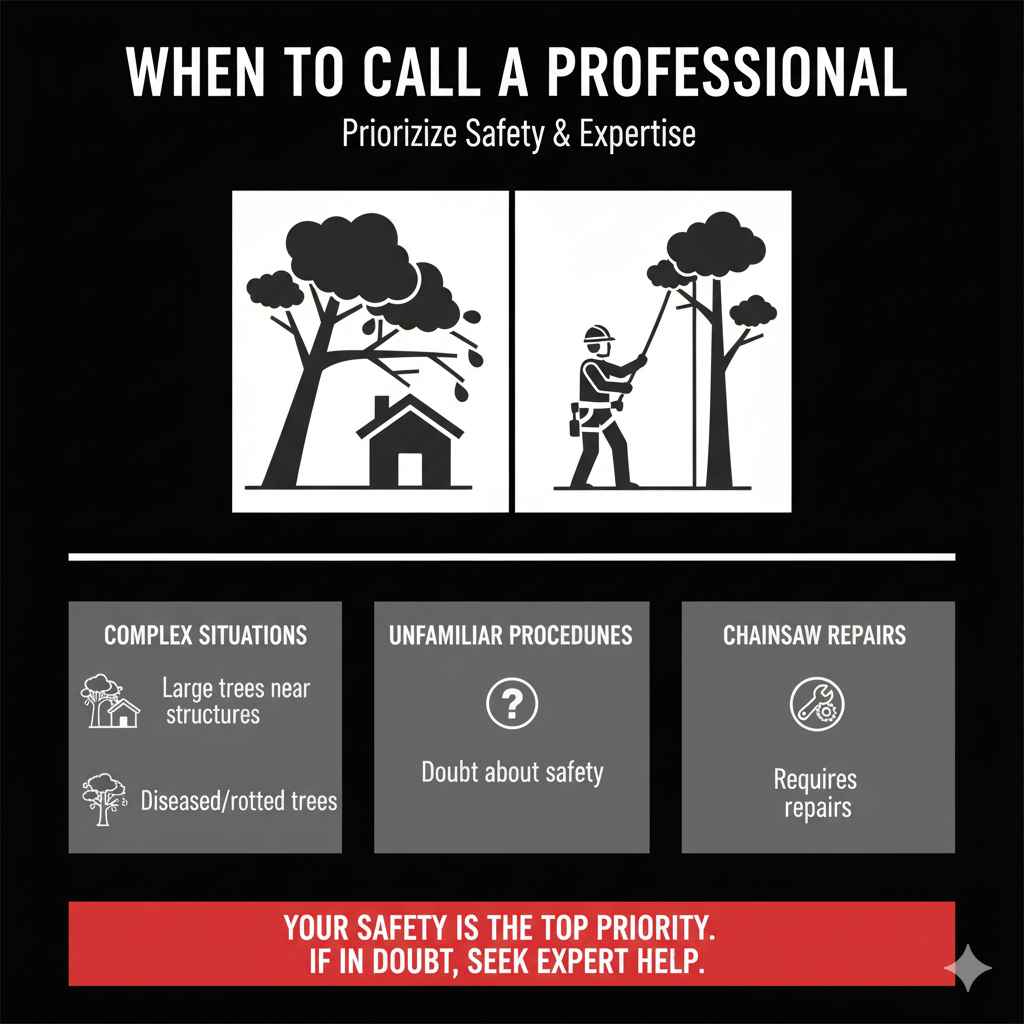
When to Call a Professional
While this guide covers how to cut wood with a chainsaw, some situations are best left to the experts. If you are dealing with:
- Large, complex trees near structures: The risk of damage and injury is too high.
- Trees with disease or rot: These can be unpredictable and dangerous to cut.
- Unfamiliar with any of the safety procedures: Better to be safe than sorry.
- Your chainsaw requires complex repairs: Rely on qualified technicians.
Your safety and the safety of your property are always the top priority. If you have any doubt, seek professional help.
Frequently Asked Questions About Chainsaw Wood Cutting
Q1: How do I know if my chainsaw chain is sharp enough?
A sharp chain cuts easily and produces fine sawdust. A dull chain will require more force, produce fluffy sawdust, and the saw might tend to ‘dig in’ rather than cut smoothly. You’ll also notice more heat buildup.
Q2: Can I cut treated lumber or engineered wood with a chainsaw?
Yes, you can cut treated lumber and engineered woods like plywood or OSB. However, be aware that treated lumber can release chemicals when cut, so ensure good ventilation and wear a mask. Engineered woods can be harder on your chain due to glues and embedded materials, and may produce more dust.
Q3: How often should I sharpen my chainsaw chain?
This depends on usage. A good rule of thumb is to sharpen the chain every time you refuel the chainsaw, or at least every time you notice a decline in cutting performance. Cutting through dirt or rocks will dull it much faster.
Q4: What’s the difference between a top-handle and a rear-handle chainsaw?
A rear-handle chainsaw is the standard type, with one handle at the rear for both hands. A top-handle chainsaw has the front handle above the engine and the rear handle lower, closer to the engine. Top-handle saws are lighter and more maneuverable, often used by arborists for professional tree work in aerial situations. For general use like firewood processing, a rear-handle saw is typically preferred.
Q5: How do I store my chainsaw when I’m not using it?
If storing for a short period (a few weeks), clean the saw, ensure the chain is lubricated, and store it in a dry place. For longer storage (months), it’s best to empty the fuel tank or add a fuel stabilizer to prevent gumming. Follow your owner’s manual for specific long-term storage instructions, which often involve running the engine briefly after adding stabilizer to ensure it reaches the carburetor.
Q6: Is it safe to use a chainsaw on a ladder?
No, it is never safe to use a chainsaw while standing on a ladder. Ladders are inherently unstable, and the powerful forces of a chainsaw, especially during kickback, can easily cause a fall, leading to severe injury. Always ensure you have stable footing on the ground or a secure platform.
Q7: Can I cut wood wet with a chainsaw?
You can cut wet wood, but it’s not ideal. Wet wood is heavier, making it harder to maneuver and potentially pinching the saw more easily. The chain can also get clogged with wet sawdust. It’s best to let wood dry somewhat before cutting if possible, though felling or processing storm-damaged wood may require cutting it wet.
Conclusion: Your Chainsaw Confidence Grows
Learning how to cut wood with a chainsaw is a rewarding journey that opens up a world of DIY projects and practical tasks around your home. By prioritizing safety with the right gear and understanding your tool’s features, you’ve already taken the most important steps. We’ve covered how to start your saw, maintain the right stance, and execute basic cuts like cross-cutting and limbing. Remember to always be aware of kickback and how to avoid it, and don’t hesitate to sharpen your chain regularly for efficient and safer cutting.
As you gain experience, you’ll develop a feel for the saw and the wood, making your work smoother and more enjoyable. Patience, consistent practice, and a commitment to safety are your best tools. Feel empowered by the knowledge you’ve gained today and take that confidence into your workshop or out into the yard. Happy (and safe) cutting!</p