Best Primers for MDF Before Painting (2026): we compared
For raw MDF, I use a fast-drying shellac or solvent-based primer on cut edges, and a high-build bonding primer on faces; for dark topcoats, I tint it gray, for white topcoats use white. Skip the right primer and MDF swells, fuzzes, and drinks paint, leaving rough edges and flashing that cost time, filler, and extra coats. This guide compares primer choices by MDF part, shows when to seal edges first, and matches primer color to the finish you want.
Quick comparison
| Product | Badge | Best for | Price | ||
|---|---|---|---|---|---|
 |
Zinsser 320991-2PK B-I-N Shellac-Base Primer, Gallon,Zinsser | Our pick | Shellac-based primer for deep stains and odors | $167.63
Price as of 8 Oct 2026
|
View |
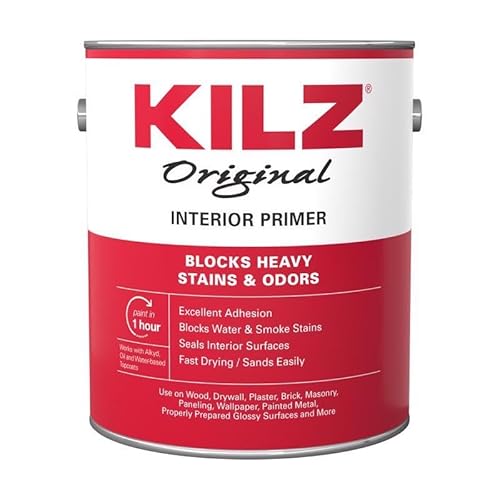 |
KILZ Original White Flat Oil-Based Primer 1 Gal. – TotalMasterchem Industries | Also great | Oil-based primer and stain blocker | $188.95
Price as of 8 Oct 2026
|
View |
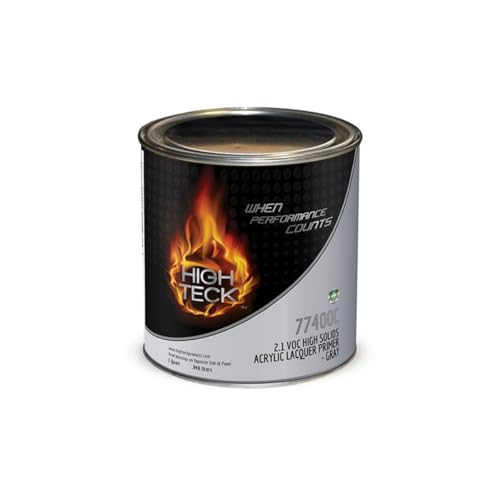 |
High Teck Products 77400C-4 High Solids Acrylic LacquerHigh Teck | Budget pick | High-solids acrylic lacquer primer for refinishing | $27.48
Price as of 8 Oct 2026
|
View |
 |
Diamond Brite Paint 40100 1-Gallon Interior Latex PVADiamond Brite Paint | Pair with it | Latex PVA primer for new drywall | $29.99
Price as of 8 Oct 2026
|
View |
Use the table below to match primer to the part of the MDF that is giving you trouble. Edges and faces fail differently, and topcoat color changes which primer color makes sense.
📊 The Family Handyman primer guide says many primers should be painted over within 48 hours. Source: How to Choose and Use Primer.
How we chose
I compared primers on five practical points: edge sealing on raw MDF, drying speed, stain-blocking and odor control, ease of application by brush, roller, or spray, and color compatibility with light or dark topcoats.
I also weighed how much cleanup hassle the product creates, because a primer that works but slows the job down is often the wrong choice for cabinets, trim, or a whole sheet project.
Shellac primer: best for damaged or thirsty MDF
Shellac primer is the best all-around choice for most raw MDF because it seals fast and handles thirsty edges better than ordinary all-purpose primer. It is especially useful when the board has raw cut edges, old filler, or odor issues that can telegraph through paint.
That matters because MDF is porous and absorbs moisture, which leads to uneven paint absorption and rough flashing. The quick dry time also helps when you need to sand and recoat without turning the project into an all-day wait.
The drawback is cleanup and working time. Shellac smells stronger than latex, and once it flashes off you have less time to level brush marks, so it rewards a planned setup and fast application.
Latex/acrylic primer: best for general furniture and cabinets
Latex/acrylic primer is the easiest general-purpose choice for MDF faces, cabinet carcasses, and furniture parts that do not have heavy stain or odor problems. It cleans up with water, has lower odor, and is the simplest option for a room-sized painting job.
On MDF faces, it usually does enough to even out absorption and give the topcoat a consistent look. On edges, though, it needs careful sealing and often a second pass because raw MDF edges soak up far more material than the faces.
The drawback is that many latex primers are too soft for bad edges if used alone. Gray latex primer can help under dark topcoats, but it does not change the need for patient edge sealing.
Oil-based primer: best for stain blocking and high-bite jobs
Oil-based primer is the better pick when adhesion or stain blocking matters more than speed. It grips mixed surfaces well, and it is still a sensible choice for trim, repairs, and MDF that has to bridge old paint, smoke smell, or other contamination.
Family Handyman notes that stain-blocking primer comes in oil-based and water-based versions, and that oil-based stain blockers handle water-based odors and stains like smoke and rust. That is useful when the MDF is already compromised.
The drawback is dry time and cleanup. Solvent cleanup adds hassle, and oil primer is slower to turn over than shellac, so it is less convenient when you need a same-day topcoat schedule.
Gray acrylic lacquer primer: best for dark topcoats

Gray primer makes the most sense when the final color is deep, charcoal, navy, or black and you want to avoid white-base flashing through thin paint. It is especially helpful on MDF faces that will get a modern dark finish with sprayed topcoat.
The gray base reduces the number of coats needed to hide a bright underlayer, and the high-build nature helps sand out minor face texture before the color coat. That can save time on furniture panels and cabinet fronts where the finish has to look even.
The drawback is that this is more of a refinishing-style primer than a broad stain-blocker. It is not the first choice for odor, bleed-through, or problem contamination, and raw MDF edges still need extra attention.
Which one should you buy
Choose shellac if the MDF edges are raw, the board feels extra thirsty, or you want the safest single-step answer for most furniture and cabinet work. Choose latex/acrylic if odor matters, cleanup matters, and the job is mostly faces rather than exposed edges.
Choose oil-based if the MDF has contamination, old stains, or mixed substrates that need stronger bite. Choose gray when the topcoat is dark and you want to reduce flashing. For art panels, acrylic gesso can fit a niche workflow, but that is a different workflow from furniture-first finishing.
| Project type | Edge condition | Topcoat color | Application method | Best primer choice | Coverage estimate per 4×8 sheet | What fails if you skip this |
|---|---|---|---|---|---|---|
| Cabinet doors | Raw cut edges | White | Brush edges, spray faces | Shellac primer on edges, bonding primer on faces | About 1/4 to 1/2 quart total | Edges swell and stay fuzzy, faces flash through paint |
| Decorative furniture | Mostly sealed, minor edge repairs | Dark | Spray or foam roller | Gray acrylic primer | About 1/4 quart | White underlayer shows at corners and sanding breaks through color |
| Trim and base parts | Exposed cut ends | White or off-white | Brush and spot-roll | Oil-based stain-blocking primer | About 1/3 to 1/2 quart | End cuts drink finish and telegraph grainy edges |
| Art-style panels | Lightly sanded, sealed edges | Any | Brush in thin coats | Acrylic gesso | 2 to 3 thin coats, roughly 1/3 quart total | Uneven tooth and visible pores after color layers |
| Damaged or odor-contaminated MDF | Patchy, stained, or smelly | White or gray | Brush or spray | Shellac or oil-based stain-blocking primer | About 1/3 quart | Bleed-through, lingering odor, and reappearing stains |
That coverage estimate is a practical buying guide, not a lab number. On a full sheet, edges can eat far more product than the faces, so budget extra primer whenever the cut list is edge-heavy.
What kind of primer do you use on mdf
Use shellac for the broadest protection, latex/acrylic for easy general work, and oil-based primer when stain blocking or bite matters more than odor and cleanup. The right answer changes with the MDF part: faces need uniform absorption, while edges need stronger sealing and often a second coat.
For woodworking, I pick the primer that handles the worst part of the board first. MDF edges are the most absorbent area, so if the edges are right, the rest of the job usually behaves.
Do i need to prime mdf before painting
Yes, MDF should be primed before painting because it is porous and absorbs moisture. If you skip primer, the paint soaks unevenly, the faces blotch, and the edges can swell or raise fuzz that stays visible after topcoat.
That is true even when the paint itself claims good coverage. Topcoat color hides best over a sealed surface, not bare fiberboard.
How to prepare mdf before painting
Start with 150-grit sanding, then remove dust and seal the board before topcoating. The VIR MDF guide recommends smoothing MDF with 150-grit sandpaper before finishing and applying a light coat of filler or joint compound after sanding when the surface needs it.
- Sand the faces and edges with 150-grit paper.
- Brush or vacuum off dust, then wipe the surface clean.
- Fill defects and open edge fiber with a light coat of filler or joint compound.
- Prime the edges first, then coat the faces.
- Sand lightly between primer coats only when the surface needs flattening.
If the project will sit in a moisture-prone area, use a vapor barrier primer on the exposed faces and edges. Many primers should be painted over within 48 hours, so do not let the primer sit open-ended before topcoating. (familyhandyman.com)
What primer works best on mdf edges
Shellac primer works best on MDF edges when you want the fastest seal and the least soak-in. Edges are the most absorbent part of the board, and they usually need extra sealing or spot-priming because one coat on the faces does not protect them enough.
For raw edges, a second coat is common, and a light sanding between coats helps knock back the raised fiber. If the edge is already damaged or stained, use a stain-blocking primer instead of relying on standard latex alone.
Can i use latex primer on mdf
Yes, latex primer can be used on MDF, especially on faces and on projects where easy cleanup and low odor matter. It is a common all-purpose choice, and it works well when the board is already cut, sanded, and reasonably well sealed on the edges.
The limit is edge performance. Raw MDF edges often need more than one coat, and latex primers can leave those areas thirsty unless you seal them carefully. Gray latex primer makes sense under dark paint when you want better color depth and less flashing.
Frequently asked questions
Do i need to prime mdf before painting
Yes. Prime it before any finish coat, then sand lightly once the primer is dry. On raw MDF, one coat on the face is rarely enough at the edges, so plan on extra primer where the board was cut.
Do you prime mdf before painting
Yes, especially on furniture, trim, and cabinet parts. A quick test on scrap is worth doing when the finish has to be smooth, because MDF porosity can change how much primer the faces and edges absorb.
Is it necessary to prime mdf before painting
It is necessary if you want even color and stable edges. Bare MDF drinks paint unevenly and can swell from moisture, so skipping primer usually means more sanding, more filler, and more finish coats later.
How many coats of primer does mdf need
Faces often do fine with one coat, but raw edges commonly need two, sometimes more if they are rough or heavily machined. Art-style work may use 2 to 3 coats of acrylic gesso, with sanding between coats if the surface needs refinement.
What primer should i use for mdf
For most projects, use shellac primer on edges and a compatible bonding primer on faces. Use gray under dark paint, latex for low-odor general work, and oil-based primer when stain blocking or adhesion is the main problem.
What primer works best on mdf edges
Shellac-based primer is the safest first choice for raw edges because it seals fast and blocks soak-in well. If the edges are stained, smelly, or damaged, move to a stain-blocking primer instead of a standard general-purpose product.
Sponsored / affiliate links. As an Amazon Associate I earn from qualifying purchases. I may earn additional commission from eligible campaigns.