How to Finish DensGlass: Sealing, Painting & the 12-Month Rule
To finish DensGlass, tape and treat the joints with a compatible joint compound or sheathing tape, then prime and paint (or cover with your final cladding) before the manufacturer’s weather-exposure window runs out — Georgia-Pacific rates DensGlass Sheathing for up to 12 months of normal weather exposure during construction, not indefinite exposure.
That 12-month figure is the detail most guides on this topic skip, and it’s the one that actually matters if your project stalls mid-build: DensGlass is engineered to resist delamination and deterioration during that construction window, but it’s still meant to be covered by a weather-resistive barrier, cladding, or a proper finish system — not left as a permanent exterior surface. Understanding how to finish it properly, and on time, protects the substrate and the framing behind it.
Introduction To Densglass
Densglass is a versatile building material. It is widely used for various construction projects. Understanding its properties and benefits is essential for builders and homeowners.
What Is Densglass?
Densglass is a type of fiberglass mat-faced gypsum board (the fiberglass mat replaces the paper facing used on standard drywall, which is what gives it its moisture and mold resistance). It is designed for interior and exterior applications, most commonly as wall sheathing behind stucco, siding, or an EIFS finish system.
- Water-resistant
- Fire-resistant
- Durable
- Lightweight
Densglass is commonly used in:
- Wall systems
- Ceiling systems
- Roof applications
Benefits Of Using Densglass
Densglass offers many advantages for construction. Here are some key benefits:
| Benefit | Description |
|---|---|
| Moisture Resistance | Prevents mold and mildew growth. |
| Fire Safety | Helps to slow down fire spread. |
| Easy Installation | Saves time during construction. |
| Cost-Effective | Reduces long-term maintenance costs. |
Builders appreciate Densglass for its performance and reliability. It enhances the quality of construction projects. Using Densglass results in durable and safe structures — provided it’s finished or covered within its rated exposure window rather than left bare indefinitely.
Preparation For Installation
Preparing for the installation of DensGlass is crucial. Proper preparation ensures a smooth process. This section covers the essential tools, materials, and safety precautions.
Tools And Materials Needed
Gathering the right tools and materials is key. Here’s a list:
| Tools | Materials |
|---|---|
| Utility knife | DensGlass boards |
| Measuring tape | Adhesive |
| Straight edge | Fasteners |
| Drill | Sealant |
| Level | Tape |
Safety Precautions
Safety is paramount during installation. Follow these precautions:
- Wear safety goggles.
- Use gloves to protect hands.
- Wear a dust mask to avoid inhaling particles.
- Ensure proper ventilation in the workspace.
- Be aware of your surroundings.
By following these guidelines, you can ensure a safe and efficient installation process.
Measuring And Cutting Densglass
Measuring and cutting Densglass correctly is crucial. Accurate measurements ensure a perfect fit. Proper cutting techniques prevent damage. Follow these tips to make the job easier.
How To Measure Accurately
Accurate measurements save time and materials. Use a few simple tools for the best results:
- Measuring Tape: Use a sturdy tape for precise measurements.
- Square: Ensure corners are right angles.
- Marker: Mark measurements clearly on the Densglass.
Follow these steps for accuracy:
- Measure the area where Densglass will go.
- Write down your measurements.
- Double-check each measurement before cutting.
Best Practices For Cutting
Cutting Densglass requires care. Use the right tools for a clean cut:
- Utility Knife: A sharp utility knife works best.
- Straight Edge: Use this for straight cuts.
- Safety Gear: Wear gloves and goggles for protection.
Follow these cutting techniques:
- Score the Densglass along the marked line.
- Make multiple passes for a deeper cut.
- Snap the board along the scored line.
- Trim any rough edges with the knife.
For large pieces, consider using a saw. A circular saw can speed up the process. Ensure you have proper safety precautions in place.
Installation Process
The installation of Densglass involves careful steps. Proper methods ensure a strong finish. Each step is crucial for durability and effectiveness.
Securing Densglass To The Framework
Start by preparing the framework. Follow these steps for a secure fit:
- Measure the area accurately.
- Cut the Densglass panels to size.
- Align the panels with the framework.
- Use corrosion-resistant screws or fasteners to secure each panel — this matters more on DensGlass than on interior drywall since it’s an exterior product exposed to moisture.
Use the right tools for cutting. A utility knife works best for precise cuts. Ensure the panels fit snugly against the framework. This prevents gaps that could lead to moisture problems.
Sealing Joints And Edges
Sealing is vital for moisture control. Here’s how to seal effectively:
- Tape the joints with sheathing tape or embed fiberglass mesh tape in a compatible joint compound.
- Apply sealant generously around penetrations, edges, and window/door openings.
- Press down firmly to remove air pockets.
- Ensure a smooth finish for optimal protection.
Inspect all sealed areas. Look for any missed spots. Proper sealing protects the Densglass from moisture damage, and it’s what a weather-resistive barrier or your final cladding will rely on being intact underneath.
Applying Finish To Densglass
Applying finish to Densglass enhances its durability and appearance. Proper techniques ensure a smooth, professional look. Choose the right products for optimal results.
Choosing The Right Finish
Selecting the best finish for Densglass is crucial. Consider the following options:
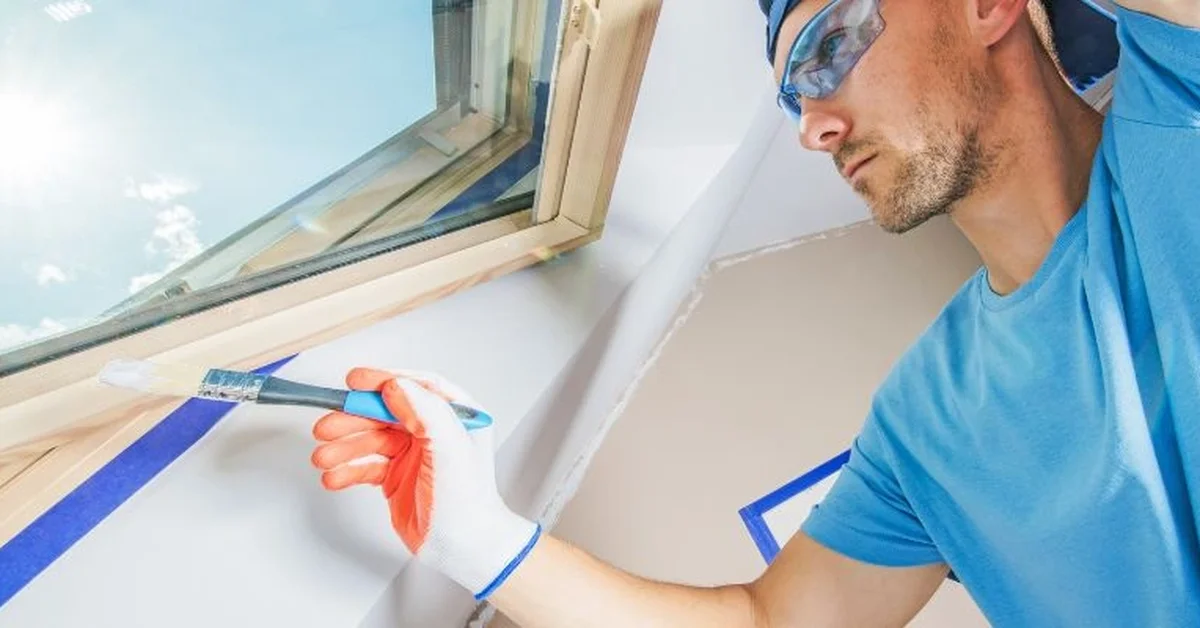
- Paint: A high-quality exterior acrylic paint works well over a compatible primer — this is the most common “can I just paint DensGlass” answer, and yes, once it’s primed.
- Sealants: Use clear sealants for added protection at joints and penetrations.
- Texture Coatings / Stucco / Cladding: Many DensGlass installations are ultimately covered by stucco, EIFS, or siding rather than left as painted exposed board — check your wall assembly’s design before assuming paint is the final finish.
Check the manufacturer’s recommendations for compatibility. Always test on a small area first.
Application Techniques
Use the right tools and techniques for applying the finish.
- Preparation: Clean the Densglass surface thoroughly.
- Priming: Apply a primer suited for fiberglass-faced gypsum to enhance adhesion.
- Painting: Use a brush or roller for even coverage.
- Sealing: Apply sealant with a sponge, caulk gun, or trowel depending on the product.
Follow the manufacturer’s instructions for drying times. Apply multiple coats for better durability.
| Finish Type | Application Tool | Drying Time |
|---|---|---|
| Paint | Brush/Roller | 1-2 hours |
| Sealant | Sponge/Cloth | 2-4 hours |
| Texture Coating | Sprayer | 4-6 hours |
Always wear protective gear during application. Proper ventilation is important for safety.
Drying And Curing
Drying and curing are essential steps for finishing Densglass. Proper drying ensures a strong bond and prevents future issues. Understanding the drying times and methods can significantly enhance your project’s durability.
Expected Drying Times
Drying times for the paint, sealant, or joint compound applied over Densglass can vary. Factors include temperature, humidity, and air circulation. Here’s a quick reference:
| Condition | Drying Time |
|---|---|
| Warm and Dry | 1-2 hours |
| Moderate Conditions | 3-4 hours |
| Cold and Humid | 6-8 hours |
Check the surface regularly. Look for signs of moisture. Surface should feel dry to the touch.
How To Speed Up The Process
Speeding up the drying process helps save time. Here are some effective methods:
- Increase air circulation: Use fans to promote airflow.
- Use a heater: Raise the temperature in the area.
- Apply dehumidifiers: Reduce humidity levels quickly.
- Thin coats: Apply the finish coat (paint, sealant, or joint compound) in thinner layers rather than one heavy pass — thinner layers dry faster and more evenly.
Monitor the drying closely. Ensure the area remains clean and free from dust.
Maintenance And Repair
Proper maintenance and quick repairs keep your DensGlass in top shape. Regular checks prevent small issues from becoming big problems. Here’s how to maintain and repair it effectively.
Regular Maintenance Tips
Follow these simple tips for regular maintenance:
- Inspect surfaces for cracks or signs of wear.
- Clean the surface with a mild detergent and water.
- Check for moisture damage regularly.
- Ensure proper ventilation in areas with high humidity.
- Repaint or seal surfaces as needed.
Use a checklist for inspections:
| Maintenance Task | Frequency |
|---|---|
| Visual Inspection | Monthly |
| Surface Cleaning | Every 3 months |
| Moisture Check | Every 6 months |
How To Repair Damages
Repairing damages quickly prevents further issues. Follow these steps:
- Identify the damaged area.
- Clean the area thoroughly.
- Apply a repair compound suitable for DensGlass.
- Smooth the surface with a putty knife.
- Allow the compound to dry completely.
- Sand the area for a smooth finish.
- Repaint or seal as necessary.
For larger damages, consult a professional. This ensures proper repairs and longevity.
Common Mistakes To Avoid
Finishing DensGlass requires attention to detail. Avoiding common mistakes will ensure a smooth and effective process. Here are key areas to focus on.
Overlooking Prep Work
Preparation is vital for a successful DensGlass finish. Skipping this step leads to problems. Here are common prep mistakes:
- Not cleaning the surface: Dust and debris affect adhesion.
- Ignoring moisture: Wet surfaces hinder proper application.
- Failing to check for damage: Damaged areas need repair before finishing.
Ensure a clean, dry, and intact surface. Proper prep saves time and materials.
Incorrect Application Methods
Using the wrong application techniques can ruin the finish. Follow these guidelines:
- Use the right tools: Select brushes, rollers, or sprayers suitable for DensGlass.
- Apply even layers: Uneven layers lead to peeling and cracking.
- Avoid overworking: Excessive brushing or rolling can damage the surface.
Losing Track Of The Exposure Window
The most consequential mistake on a stalled project is simply losing track of time. Georgia-Pacific rates DensGlass Sheathing for up to 12 months of normal weather exposure during construction — it’s engineered to resist delamination and deterioration for that window, not indefinitely. If a project sits open longer than planned, check the board’s condition before finishing over it rather than assuming it’s still sound.
Stick to recommended methods for best results. This will enhance the durability and appearance of your finish.
Frequently Asked Questions
How Do You Finish Densglass Effectively?
To finish DensGlass effectively, start by ensuring the surface is clean and dry, then tape and treat the joints. Use a primer suited for fiberglass-faced gypsum to enhance adhesion, then apply a compatible finish coat that suits your project needs. Do this within the manufacturer’s rated weather-exposure window (up to 12 months for standard DensGlass Sheathing) rather than leaving the board exposed indefinitely.
What Tools Do I Need For Densglass Finishing?
For Densglass finishing, you will need a trowel, utility knife, and sandpaper. A paint roller or sprayer can be useful for applying finishes. Additionally, a measuring tape and level ensure proper installation. Always use personal protective equipment to ensure safety while working.
Can Densglass Be Painted After Finishing?
Yes, Densglass can be painted after the joints are taped and treated. Choose a high-quality exterior paint over a primer suited for fiberglass-faced gypsum. Before painting, ensure the surface is clean and free of dust. Follow the manufacturer’s instructions for best results, including recommended drying times between coats.
What Is The Best Primer For Densglass?
The best primer for Densglass is a high-quality exterior latex primer formulated for masonry or fiberglass-faced surfaces. It promotes adhesion and prepares the surface for paint. Ensure the primer is compatible with the finish coat you plan to use. Always check the manufacturer’s guidelines for specific recommendations to achieve the best results.
How Long Can Densglass Be Left Exposed Before It Needs A Finish?
Georgia-Pacific rates standard DensGlass Sheathing for up to 12 months of normal weather exposure during construction. It’s engineered to resist delamination and deterioration for that window, but it’s still designed to be covered by a weather-resistive barrier, cladding, or finish system, not left as a permanent exterior surface.
Conclusion
Finishing DensGlass requires attention to detail, proper joint treatment, and — just as important — finishing it within the manufacturer’s rated weather-exposure window. By following the outlined steps and keeping that 12-month clock in mind, you can achieve a smooth, durable surface that protects the wall assembly behind it.
Happy finishing!
Sponsored / affiliate links. As an Amazon Associate I earn from qualifying purchases. I may earn additional commission from eligible campaigns.