How to Finish Edge of Backsplash: Simple Elegance!
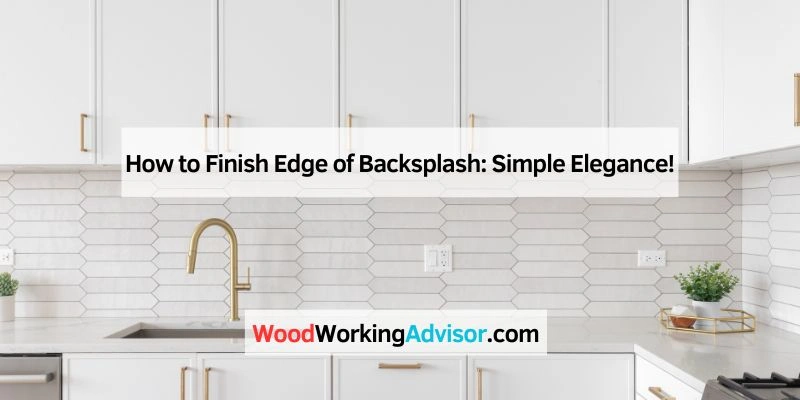
To finish the edge of a backsplash, use a trim piece or caulk to create a clean edge. Ensure the materials match the backsplash for a seamless look.
Completing the edge of a backsplash is essential for achieving a polished appearance in your kitchen or bathroom. This finishing touch not only enhances aesthetics but also prevents moisture buildup, protecting your walls. Various methods exist, including using trim pieces, caulk, or tiles.
Each option offers unique benefits depending on your design style and material choice. Selecting the right finishing technique is crucial for durability and visual appeal. Whether you prefer a sleek modern look or a more traditional finish, knowing how to properly edge your backsplash can elevate your space. Follow these guidelines to create a professional finish that impresses.
Introduction To Finishing Backsplash Edges
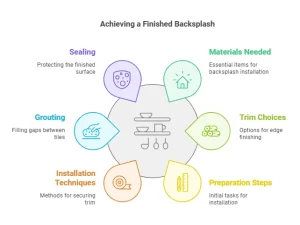
Finishing the edges of your backsplash is vital for a polished look. A well-finished edge enhances your kitchen or bathroom’s overall appeal. It can also prevent damage to the tiles and keep dirt from accumulating. This guide helps you understand the importance and materials needed for this task.
The Importance Of Detail
Details make a significant impact. Here are key reasons to focus on finishing edges:
- Aesthetic Appeal: Clean edges enhance beauty.
- Protection: Finished edges prevent chipping and cracking.
- Hygiene: Smooth edges reduce dirt buildup.
- Value: A polished look increases home value.
Materials You’ll Need
Gather these materials for finishing backsplash edges:
| Material | Purpose |
|---|---|
| Tile Trim | Creates a finished edge |
| Grout | Fills gaps and adds support |
| Caulk | Seals edges and prevents moisture |
| Tile Adhesive | Secures tiles in place |
| Utility Knife | Cuts tiles or trim as needed |
| Measuring Tape | Ensures accurate cuts and placements |
Make sure to have these materials ready. Proper materials lead to a smooth finishing process.
Choosing The Right Trim
Choosing the right trim for your backsplash can enhance its overall look. The trim adds a finishing touch, making the space feel complete. Two popular options are metal edges and ceramic trims. Each type offers unique benefits and styles.
Metal Edges For A Modern Look
Metal edges are perfect for a sleek, modern aesthetic. They provide a clean line that contrasts well with various materials. Here are some key features:
- Variety of Finishes: Available in stainless steel, bronze, and aluminum.
- Durability: Resistant to moisture and easy to clean.
- Installation: Simple and quick to install.
Consider metal edges if you want to create a contemporary vibe. They pair well with glass and stone backsplashes.
Ceramic Trims For A Seamless Transition
Ceramic trims offer a classic and cohesive look. They blend easily with tile backsplashes. Here are some benefits:
- Color Matching: Available in various colors to match your tiles.
- Texture Options: Can add texture to your design.
- Cost-Effective: Generally less expensive than metal options.
Ceramic trims create a smooth transition between surfaces. They work well in traditional and rustic designs. Choose ceramic for a timeless appeal.
Preparation Steps
Preparing to finish the edge of a backsplash is crucial. Proper preparation ensures a clean, professional look. Follow these steps to get started.
Measuring And Cutting
Accurate measurements are vital for a good fit. Follow these steps:
- Use a tape measure to find the length of the edge.
- Mark the measurements on the backsplash material.
- Use a straight edge for a clean cut.
- Cut the material using a suitable tool (e.g., tile cutter or saw).
Ensure the cut edges are smooth. This helps in achieving a neat finish.
Surface Cleaning
A clean surface ensures better adhesion. Follow these steps:
- Remove dust and debris using a damp cloth.
- Use a mild cleaner for stubborn stains.
- Rinse the area with clean water.
- Dry the surface thoroughly with a towel.
Check for any imperfections. Address them before proceeding. A smooth, clean surface makes the installation easier.
Installation Techniques
Finishing the edge of a backsplash requires precise installation techniques. Proper steps ensure a clean and professional look. Follow these methods for a smooth finish.
Applying Adhesive
Applying adhesive is a crucial step. The right adhesive keeps the backsplash secure. Here’s how to do it:
- Choose the right adhesive: Use thin-set mortar or silicone adhesive.
- Prepare the surface: Clean the area to remove dust and grease.
- Apply the adhesive: Use a notched trowel for even distribution.
- Press the backsplash: Firmly press the tile against the adhesive.
- Check for level: Use a level to ensure even placement.
Let the adhesive cure for the recommended time. This step ensures a strong bond.
Securing The Trim
Securing the trim gives a polished look. Follow these steps for best results:
- Select the trim: Choose a material that matches your backsplash.
- Cut the trim: Measure and cut the trim pieces accurately.
- Apply adhesive: Use the same adhesive as the backsplash.
- Position the trim: Align it carefully along the edges.
- Secure with nails or screws: Use a nail gun or screws for extra strength.
Ensure the trim is flush with the backsplash. This creates a seamless appearance.
Grouting For Perfection
Grouting is essential for a polished backsplash finish. It fills gaps and adds beauty. Proper grouting enhances durability and prevents moisture damage.
Selecting The Right Grout
Choosing the correct grout is crucial. Consider these factors:
- Type of Grout: Sanded or unsanded?
- Color: Match or contrast with your tiles?
- Water Resistance: Ideal for wet areas.
- Flexibility: Useful for areas that shift.
Here’s a quick comparison of grout types:
| Grout Type | Best For | Notes |
|---|---|---|
| Sanded | Large joints | Stronger and less prone to cracking |
| Unsanded | Small joints | Ideal for delicate tiles |
| Epoxy | Moist areas | Highly durable and stain-resistant |
Application Tips
Follow these tips for a smooth application:
- Prepare the Surface: Clean and dry the area.
- Mix Grout: Follow package instructions.
- Use a Float: Apply grout with a rubber float.
- Fill Joints: Press grout firmly into joints.
- Clean Excess: Wipe off with a damp sponge.
- Let It Cure: Allow grout to set as directed.
Check grout lines for any gaps. Fill them promptly for a flawless look.
Sealing And Protection
Sealing and protecting your backsplash is essential. It prevents stains and water damage. A good sealant keeps your backsplash looking new. Follow these steps to ensure proper sealing.
Choosing A Sealant
Selecting the right sealant is crucial. Here are some options:
- Penetrating Sealants: Good for porous materials.
- Film-forming Sealants: Creates a protective layer.
- Water-based Sealants: Eco-friendly and easy to apply.
- Solvent-based Sealants: Durable but with strong odors.
Consider your backsplash material. Choose a sealant that matches it. Read labels for application instructions.
Application Process
Follow these steps for a successful application:
- Clean the backsplash thoroughly. Remove dust and grease.
- Allow the area to dry completely.
- Use a brush or roller to apply the sealant.
- Follow the manufacturer’s instructions on drying time.
- Apply a second coat if necessary.
Always work in a well-ventilated area. This helps with drying and reduces odors. Check for any missed spots after drying. Reapply if needed.
Regular maintenance keeps your backsplash protected. Reapply sealant every 1-3 years, depending on usage.
Troubleshooting Common Issues
Many people face challenges while finishing the edge of a backsplash. Understanding common issues helps resolve them quickly. This section covers two main problems: uneven edges and loose trims.
Dealing With Uneven Edges
Uneven edges can ruin the look of your backsplash. Follow these steps to fix them:
- Check the alignment of the tiles.
- Use a tile cutter for precise edges.
- Apply grout to fill gaps.
Use a level tool to confirm evenness. If tiles are uneven, consider:
- Repositioning the tiles.
- Adding spacers for better alignment.
- Smoothing out the edges with sandpaper.
Fixing Loose Trims
Loose trims can be a hassle. Here’s how to fix them:
- Inspect the trim for gaps.
- Remove any old adhesive.
- Apply new adhesive securely.
Use clamps to hold the trim in place while it dries. Check the following:
- Ensure the surface is clean.
- Use a strong adhesive suitable for your trim type.
- Allow adequate drying time before using the area.
For stubborn loose trims, consider using nails or screws for extra support.
Maintenance And Care
Maintaining your backsplash is essential for its longevity. Proper care keeps it looking fresh. Simple steps can prevent damage and ensure it shines.
Routine Cleaning
Regular cleaning keeps your backsplash free from grime. Follow these steps:
- Use a soft cloth or sponge.
- Mix warm water with a mild detergent.
- Wipe the backsplash gently.
- Rinse with clean water.
- Dry it with a soft towel.
For tough stains, use a mixture of baking soda and water. Apply it to the stain. Let it sit for 10 minutes, then wipe clean.
Damage Prevention
Preventing damage is easier than fixing it. Consider these tips:
- Use cutting boards when chopping.
- Avoid abrasive cleaners.
- Be careful with hot pots and pans.
- Seal grout lines every six months.
Check for cracks or chips regularly. Repair small issues before they grow. This keeps your backsplash looking great.
Frequently Asked Questions
How Do I Finish The Edge Of A Backsplash?
To finish the edge of a backsplash, you can use trim pieces or caulk. Trim provides a clean, professional look, while caulk fills gaps and prevents moisture. Choose a color that complements your backsplash for a seamless finish. Ensure the surface is clean before applying any materials for the best adhesion.
What Materials Are Best For Backsplash Edges?
The best materials for backsplash edges include tile, metal, and wood. Tile offers durability and design flexibility. Metal adds a modern touch, while wood provides warmth. Consider the overall style of your kitchen when selecting materials to ensure a cohesive look.
Can I Use Caulk On Backsplash Edges?
Yes, you can use caulk on backsplash edges. Caulk helps seal gaps, preventing moisture and mold. It’s ideal for areas where the backsplash meets countertops or walls. Choose a paintable, waterproof caulk to ensure it matches your backsplash and lasts longer.
Should Backsplash Edges Be Sealed?
Yes, backsplash edges should be sealed to protect against moisture. Sealing prevents water damage and stains, ensuring longevity. Use a high-quality sealant appropriate for your material. Regular maintenance will keep your backsplash looking fresh and prevent mold growth.
Conclusion
Finishing the edge of your backsplash enhances its overall look. Choosing the right technique adds a professional touch to your kitchen or bathroom. Whether you opt for caulk, trim, or paint, attention to detail is crucial. A well-finished edge elevates the entire space and showcases your style beautifully.
Keep it clean and simple for lasting results.