How to Get Berry Stains Out of Wood: Quick & Easy Fixes
Blot a fresh berry stain immediately, then work in from the mildest method: a baking soda and vinegar paste first, hydrogen peroxide if that doesn’t fully lift it, and an oxalic acid wood bleach for a stain that’s been set for weeks. Berry pigments are both deeply colored and acidic, and wood’s porous grain pulls them in fast — speed matters more than which specific remedy you reach for first.
Why Berry Stains Are Hard To Remove From Wood
Best For Old, Set-In Stains
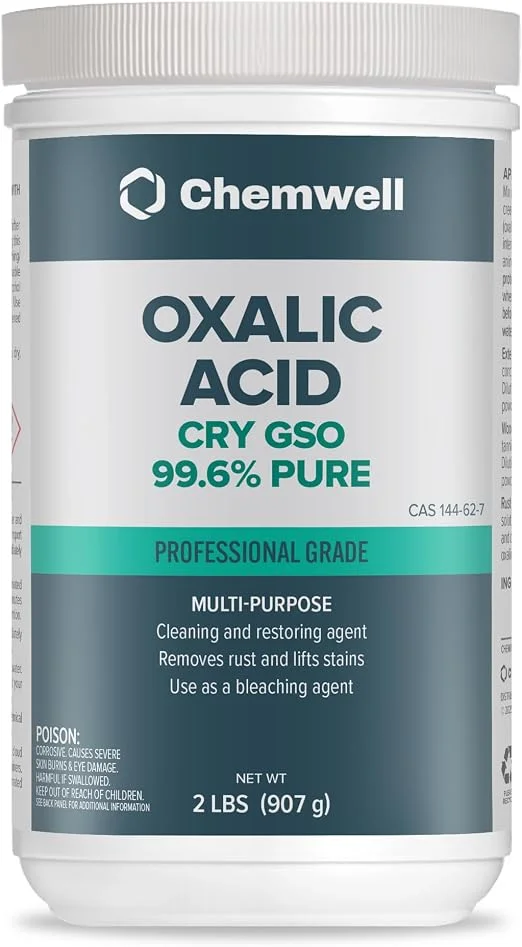 |
Chemwell Oxalic Acid Wood Bleach, 2 lbs – $17.99 The professional-grade fix for a berry stain that baking soda and peroxide couldn’t touch — oxalic acid specifically targets the organic pigments in fruit and tannin stains.
|
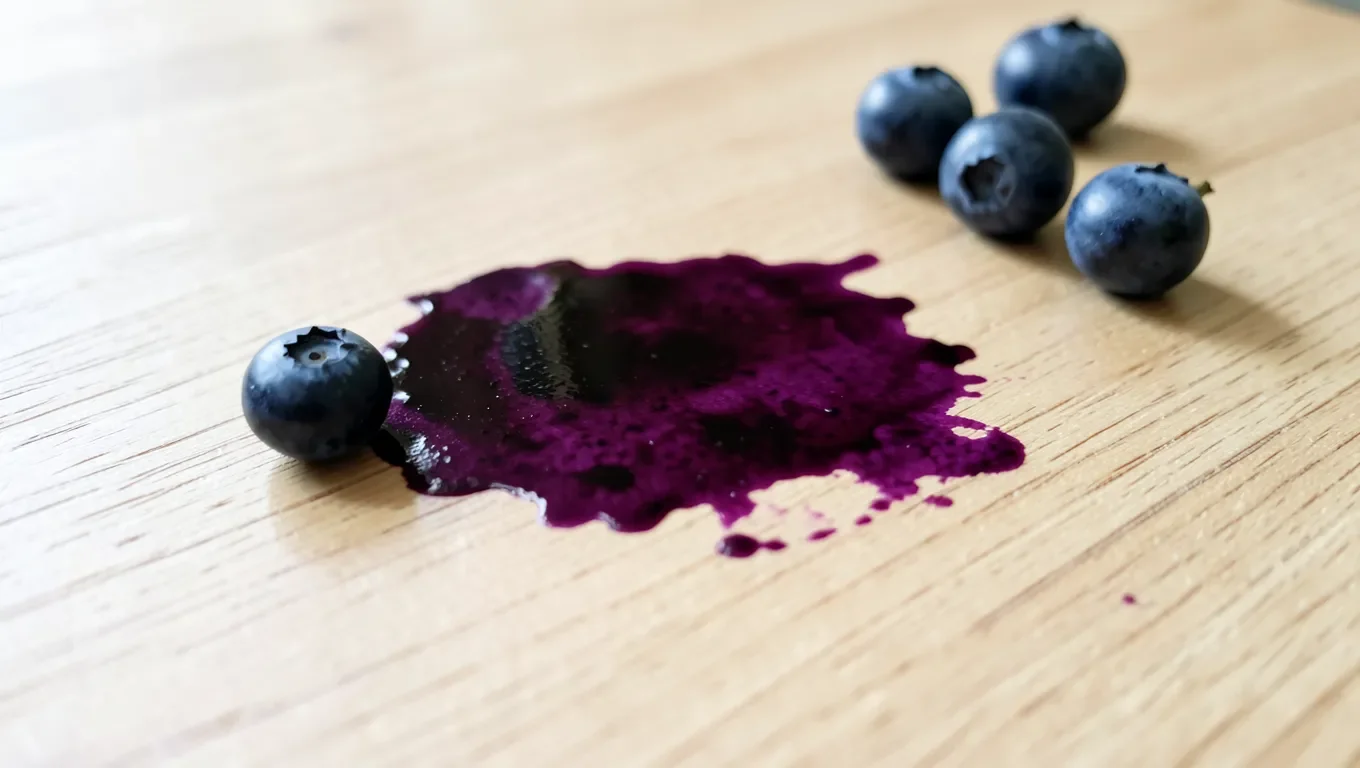
Berries carry anthocyanin pigments — the same compounds that give them their deep color — along with natural acids that help those pigments bond to whatever they touch. Wood’s open grain structure makes this worse: unfinished or lightly sealed wood absorbs the juice directly into the fibers rather than letting it sit on a protective film the way a well-sealed finish would. That’s why a berry stain on an unfinished cutting board or unsealed table can look far worse, and prove far harder to remove, than the same spill on a glossy polyurethane finish.
Step 1: Act Fast On A Fresh Spill
- Blot (don’t rub) the spill immediately with a clean, dry cloth — rubbing spreads the pigment into a wider area before it has a chance to be lifted.
- Scrape off any solid fruit residue gently with the edge of a spoon or plastic scraper.
- Rinse the area with a barely damp cloth to remove surface sugar and juice before it dries and bonds further.
Step 2: The Baking Soda And Vinegar Method
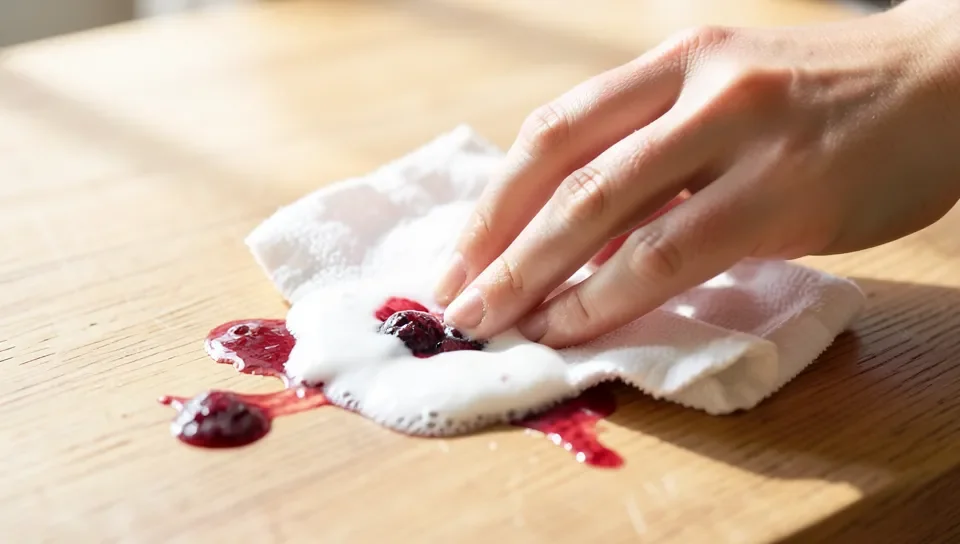
This is the gentlest effective option and the right first attempt on most finishes. Mix baking soda with a little water into a thick paste, work it into the stain with a soft cloth, and let it sit for 10-15 minutes. Dampen a separate cloth with white vinegar and wipe the paste and stain away together, then rinse with clean water and dry thoroughly. Always test any solution on a hidden spot first — some finishes react differently to vinegar’s mild acidity than others.
Step 3: Hydrogen Peroxide For Stains That Resist Step 2
Hydrogen peroxide oxidizes the pigment molecules directly, which makes it more effective than baking soda alone on a stain that’s had time to set. Dampen a cloth with standard 3% hydrogen peroxide, dab (don’t scrub) the stain, and let it sit a few minutes before wiping clean and rinsing. Wear gloves, and test a hidden spot first — peroxide is a mild bleach and can lighten some finishes along with the stain.
Step 4: Oxalic Acid For Old, Deep-Set Stains
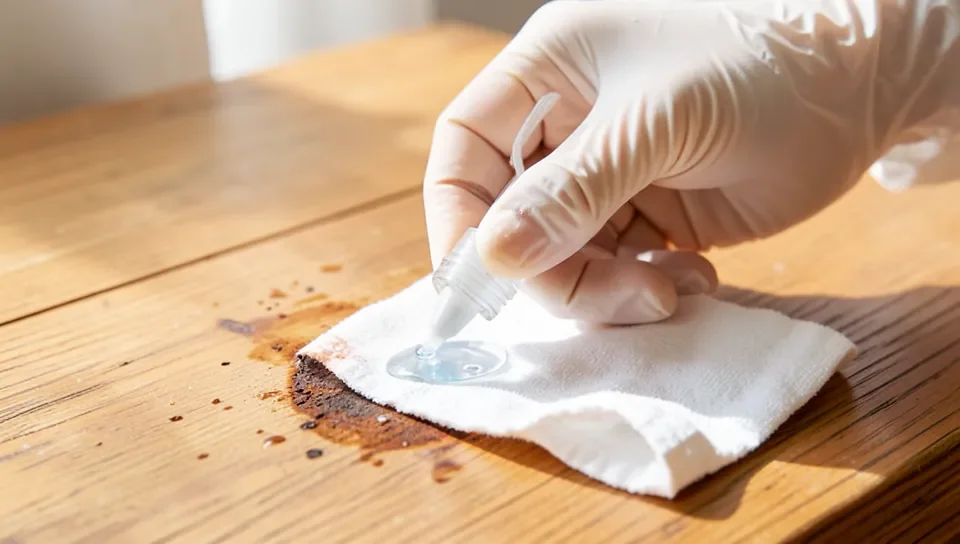
An old stain that’s had weeks to soak into bare or lightly finished wood usually needs oxalic acid wood bleach, which specifically breaks down the organic tannins and pigments that milder remedies leave behind. Mix per the product’s instructions, apply with gloves and eye protection in a ventilated space, and rinse thoroughly afterward — oxalic acid is genuinely effective but also genuinely caustic, and it’s the last step to reach for, not the first.
Preventing Future Berry Stains
- A sealed finish (polyurethane, varnish, or a food-safe oil for cutting surfaces) keeps future spills on the surface instead of in the grain.
- Blot any spill immediately rather than letting it sit, even briefly — the time-to-set matters more than which cleaner you eventually use.
- Reapply protective finish or conditioner periodically on high-use surfaces like dining tables and cutting boards.
When To Call A Professional
If DIY methods haven’t fully lifted an old or deep-set stain, or the wood is a delicate antique or expensive piece where a wrong move could cause real damage, a professional wood restorer can assess the finish and use techniques (including controlled bleaching or spot refinishing) that go beyond what’s safe to try at home.
Frequently Asked Questions
How Do You Remove Berry Stains From Wood?
Blot fresh spills immediately, then try a baking soda and vinegar paste. If that doesn’t fully lift the stain, hydrogen peroxide is the next step up, and oxalic acid wood bleach handles old, deep-set stains that resist both. Always test on a hidden spot first.
Can Lemon Juice Remove Berry Stains From Wood?
Yes, for fresh, light stains — lemon juice’s mild acidity can help break down pigment on the surface. Apply, let sit a few minutes, then wipe and rinse. It’s gentler but weaker than hydrogen peroxide or oxalic acid, so it works best on stains that haven’t set for long.
Will Hydrogen Peroxide Remove Berry Stains From Wood?
Yes, in many cases — it oxidizes the pigment directly, making it more effective than a baking soda paste on a stain that’s already set. Dab, don’t scrub, let it sit a few minutes, then rinse. Test a hidden spot first since it can lighten some finishes.
Conclusion
Speed matters most with a fresh berry stain — blot immediately, then escalate from a gentle baking soda paste to hydrogen peroxide to oxalic acid wood bleach only as needed for a stain that resists the milder step. Test every method on a hidden spot first, and a sealed finish is what actually prevents the next spill from becoming a permanent mark.
Sponsored / affiliate links. As an Amazon Associate I earn from qualifying purchases. I may earn additional commission from eligible campaigns.