Olympic vs Cabot Deck Stain: Which One Actually Lasts Longer?
Cabot Australian Timber Oil edges out Olympic Maximum in independent 2-year field testing, scoring 7.19/10 against Olympic’s 6.75/10 (current water-based formula) or 7.38/10 (discontinued oil-based version) — the exact number depends on which “Olympic” you mean. Cabot resists wear and peeling better on deck floors; Olympic resists mold and mildew far better, 9/10 versus 5/10. This guide reconciles both scores, retailer differences, and real cost per gallon.
Disclosure: This post may contain affiliate links. As an Amazon Associate we earn from qualifying purchases.
Quick Answer
Cabot Australian Timber Oil scored 7.19/10 and today’s water-based Olympic Maximum scored 6.75/10 in DeckStainHelp’s 2-year contractor field test — Cabot held up better against wear and peeling on deck floors, Olympic resisted mold and mildew better (9/10 vs 5/10). Olympic sells almost exclusively at Lowe’s; Cabot is at Home Depot. Both cover roughly 150 sq ft per gallon in real-world use, well under label claims.
Olympic vs Cabot Deck Stain: Quick Comparison
Best Deck Stain Pick
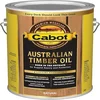
Cabot Australian Timber Oil, Natural (1 Gal) – $69.99
Scored 7.19/10 in the 2-year contractor field test this article breaks down, with the better wear-and-peeling resistance of the two brands compared here.
- Best for: Decks where fading and peeling resistance matter more than mold resistance
- Why we picked it: The higher overall scorer of the two brands in the field-test data this guide compares
- Main drawback: Scored only 5/10 for mold/mildew resistance — the weakest metric in this comparison
Compare more deck stain options
 Option 1 Olympic Maximum Redwood Semi-Transparent Stain & Sealer (1 Gal) – $34.94
|
 Option 2 Armstrong-Clark Oil-Based Wood Stain (1 Gal) – $84.95
|
 Option 3 DEFY Exterior Wood Stain Stripper – $30.47
|
As an Amazon Associate we earn from qualifying purchases.
Both brands were tested head-to-head over two years on the same pressure-treated pine deck by DeckStainHelp.com, a contractor-run site with 30+ years of field experience — the closest thing to a real side-by-side data source either brand has. The table below pulls every metric from that test, plus retailer and cost data, into one place.
| Metric (2-year field test) | Olympic Maximum (current, water-based) | Cabot Australian Timber Oil |
|---|---|---|
| Overall score | 6.75/10 | 7.0–7.19/10* |
| UV graying at 2 years | ~30% fading | ~40% fading (60% color retained) |
| Wear/peeling on deck floor | ~50% worn at 2 years | Some wear, no peeling |
| Mold/mildew resistance | 9/10 | 5/10 (weakest metric) |
| Cost per gallon | $38–$48 | ~$40–$70 (varies by retailer/size) |
| Where sold | Lowe’s (near-exclusive) | Home Depot |
*DeckStainHelp’s own site lists Cabot at both 7.0/10 in review body text and 7.19/10 in its comparison tables — a small discrepancy we’re flagging rather than silently picking one number.
The Reformulation Problem No Other Comparison Reconciles
Search “Olympic vs Cabot deck stain” today and you’ll find three thin sources: a few unstructured forum threads with no data, a Consumer Reports ratings tool locked behind a paywall, and an FAQ paragraph repeated nearly word-for-word across two different single-product Olympic review pages on DeckStainHelp.com — whose own two pages don’t agree with each other.
One DeckStainHelp page reviews the discontinued oil-based Olympic Maximum and scores it 7.38/10. A second page reviews the current water-based Olympic Maximum Stain + Sealant in One — the reformulated version PPG actually sells today — and scores it 6.75/10. Both pages compare their respective Olympic score against the same “Cabot 7.19/10” reference point, without ever flagging that “Olympic” means a different product depending on which page you land on.
That distinction matters if you’re shopping right now: Lowe’s only stocks the water-based reformulation (Olympic Elite is reportedly the same stain sold under a different label). If an old forum thread or review praises Olympic Maximum’s durability, there’s a real chance it’s describing the discontinued oil-based version, not the one currently on the shelf.
Olympic Maximum vs Cabot Australian Timber Oil: Field-Test Scores Explained
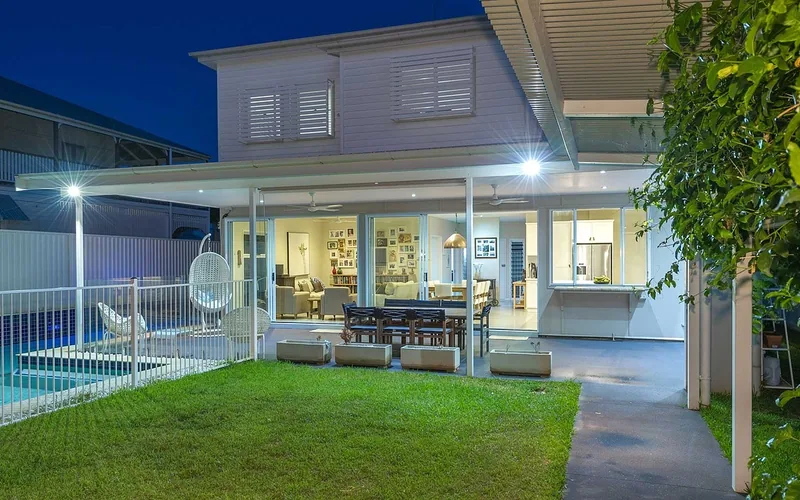
Cabot Australian Timber Oil is a linseed-oil-and-tung-oil blend: linseed oil for penetration, long-oil alkyds for durability, and South American tung oil for color depth and water repellency. In the 2-year test it retained about 60% of its original color and showed some wear but no peeling.
Olympic Maximum used to be an oil-based formula scoring 7.38/10, with about 80% of the stain still intact on horizontal surfaces after two years — though the worst damage came in the second winter’s freeze-thaw cycle. PPG has since switched Maximum to a water-based formula, and the field-test score dropped to 6.75/10: UV graying actually improved (only ~30% fading vs the old formula’s ~50%), but wear and peeling got worse, with about half the stain worn on the deck floor and handrails after two years.
📊 Olympic Maximum’s water-based reformulation scored 6.75/10 versus 7.38/10 for the discontinued oil-based version in the same 2-year field test — the switch away from oil measurably lowered performance, even though mold resistance improved. — Source: DeckStainHelp.com, Olympic Maximum Stain + Sealant review
Which Lasts Longer: Deck Floor vs. Fence or Siding?
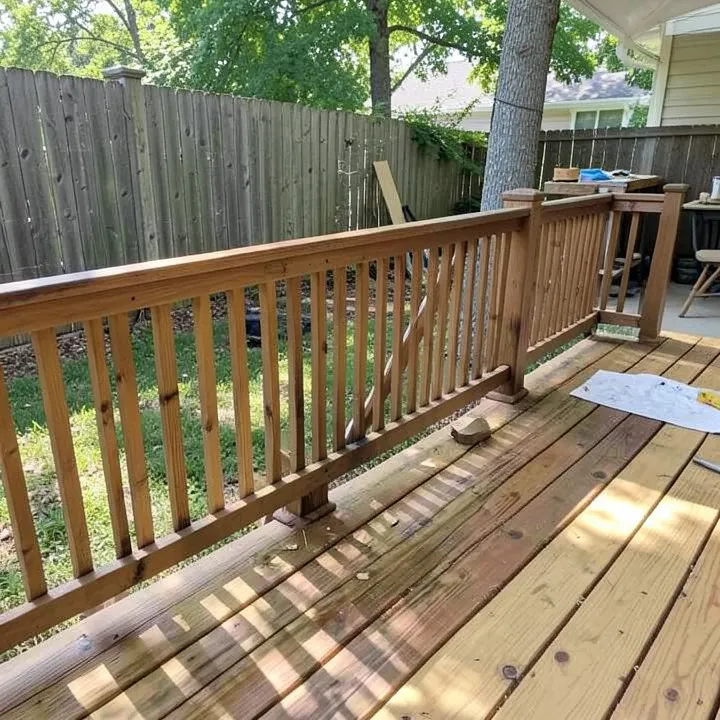
Every data point in this comparison points the same direction: horizontal surfaces fail faster than vertical ones, for both brands. Foot traffic, standing water, and direct UV exposure all hit a deck floor harder than a fence or siding ever sees.
One DoItYourself.com forum poster in full-sun California reported Cabot on vertical surfaces (fences, railings) lasting roughly 5 years, while the same stain on a horizontal deck needed restaining every 2–3 years — a single, unverified anecdote, but one that lines up with the lab data’s horizontal-vs-vertical pattern. If you’re staining both a deck and a fence, budget for restaining the deck floor two to three times as often, regardless of which brand you pick.
Is Cabot or Olympic Better for Pressure-Treated Wood?
Both stains in this comparison were tested on the surface most homeowners actually have: pressure-treated pine decking. Neither brand showed a fundamental incompatibility with PT lumber in the field test — the differences that showed up (wear, mold, UV) were formula differences, not PT-specific failures.
Cabot is currently 250 VOC compliant in all 50 states, which matters for pressure-treated deck projects in states with tighter VOC rules. Real coverage for both brands landed around 150 sq ft per gallon in testing — below what either manufacturer claims on the can (Olympic advertises 200–250 sq ft/gal; Cabot’s brand-comparison chart cites 150–250 sq ft/gal). Budget for the lower number, not the label number, if you’re planning material for a pressure-treated deck.
Where to Buy: Lowe’s vs. Home Depot
Olympic is a wholly owned PPG Industries brand distributed almost exclusively through Lowe’s in the US, with only occasional SKUs turning up at Ace or Tractor Supply. Cabot is Home Depot’s stain, and is reported to now be made by Rust-Oleum — though we found at least one conflicting secondary source claiming Sherwin-Williams now supplies Cabot for Lowe’s, and neither claim traces back to a confirmed primary source, so we’re not stating Cabot’s current parent company as settled fact here.
That retailer split is also why so many “Olympic vs Cabot” forum threads read like people comparing notes across two different stores rather than two stains sitting side by side on the same shelf. If you want a third, Sherwin-Williams-adjacent comparison point, see our Cabot vs Sherwin-Williams deck stain breakdown.
Mold and Mildew Resistance: Olympic’s Strength, Cabot’s Weak Spot
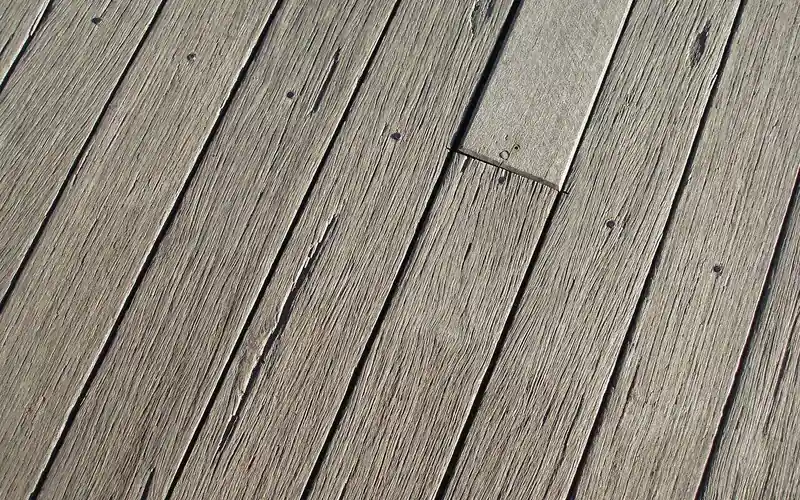
This is the one metric where the two brands trade places: Olympic Maximum’s water-based reformulation scored 9/10 for mold and mildew resistance, its best result in the entire test. Cabot Australian Timber Oil scored just 5/10 — described as its single biggest weakness, with mold found embedded in roughly half the test deck, requiring a full strip rather than a simple wash to remove.
“Olympic Maximum scored 6.75/10 [water-based, current] / 7.38/10 [oil-based, discontinued] in our two-year test versus 7.19/10 for Cabot’s Australian Timber Oil. Cabot held up better against wear and peeling on deck floors, while Olympic Maximum resisted mold and mildew better, scoring 9/10 there.”
Cabot’s linseed-oil content is a known mold feeder, which partly explains the weaker score. The discontinued oil-based Olympic also contained linseed oil and still managed an 8/10 for mold resistance, so linseed oil alone doesn’t fully explain Cabot’s result — the field test doesn’t isolate the exact cause further. If your deck sits in a shaded, humid yard, that 9/10 vs 5/10 gap is arguably the single biggest number in this whole comparison.
Cost Per Gallon and Real Coverage
Olympic Maximum runs $38–$48 per gallon for the current water-based formula (the discontinued oil-based version was $36.99–$44.99 at legacy pricing). Cabot Australian Timber Oil isn’t given a single field-tested price in our source data, but the test used roughly 2 gallons to cover a 300 sq ft deck — about 150 sq ft per gallon of real coverage, matching Olympic’s measured rate almost exactly despite different label claims.
For more stain-by-stain cost and performance breakdowns beyond this one matchup, see our full deck stain reviews roundup.
Do the Warranty Years Match Real-World Performance?
Olympic advertises roughly 3 years (transparent), 4 years (semi-transparent), and 8 years (solid) for its deck stains, with the discontinued oil-based Maximum specifically advertising a 5-year deck warranty and the current water-based version advertising 6 years. The field test’s real-world verdict on the oil-based version: 12–18 months of good performance on a deck floor before it needed attention — well short of the advertised 5 years. We found no equivalent field-verified warranty comparison for Cabot in our sources, so we’re not speculating on its number here.
Frequently Asked Questions
How does Olympic stain compare to Cabot deck stain?
Cabot Australian Timber Oil scored 7.19/10 in DeckStainHelp’s 2-year contractor field test, edging out current water-based Olympic Maximum’s 6.75/10. Cabot held up better against wear and peeling on deck floors; Olympic resisted mold and mildew better, 9/10 versus 5/10. The discontinued oil-based Olympic Maximum scored higher overall, at 7.38/10.
Is today’s Olympic Maximum oil-based or water-based?
Today’s Olympic Maximum Stain + Sealant in One is water-based. PPG discontinued the oil-based Olympic Maximum and reformulated the line to water-based, which improved UV graying resistance (~30% fading vs ~50%) but weakened wear and peeling resistance on deck floors compared to the old oil-based version.
Which lasts longer on a deck floor vs. a fence or siding?
Vertical surfaces last noticeably longer than horizontal ones for both brands, since foot traffic, standing water, and direct sun all hit a deck floor harder. One forum poster reported Cabot lasting about 5 years on fences and railings versus 2–3 years on a horizontal deck floor — an anecdote, not a lab result, but consistent with the broader pattern.
Is Cabot or Olympic better for pressure-treated wood?
Both were field-tested on pressure-treated pine decking with no PT-specific failures for either brand — the differences that showed up (wear, mold, UV) were formula differences, not compatibility issues. Cabot is 250 VOC compliant in all 50 states. Real coverage for both landed around 150 sq ft per gallon, below label claims.
Where do you buy Olympic vs Cabot — Lowe’s or Home Depot?
Olympic is a PPG Industries brand sold almost exclusively at Lowe’s, with only occasional SKUs at Ace or Tractor Supply. Cabot is Home Depot’s stain. That retailer split means the two brands are rarely sitting on the same shelf, which is part of why side-by-side comparisons are so thin online.
Do the manufacturer warranty years match real-world performance?
Not closely, per the field test. The discontinued oil-based Olympic Maximum advertised a 5-year deck warranty, but the real-world verdict was 12–18 months of good performance on a deck floor. The current water-based version advertises 6 years. We found no equivalent field-verified warranty data for Cabot in our sources.
Bottom Line
There’s no single winner here — there’s a trade-off. Cabot Australian Timber Oil scores higher overall (7.0–7.19/10) and resists wear and peeling better on deck floors. Olympic Maximum’s current water-based formula scores lower overall (6.75/10) but crushes Cabot on mold and mildew resistance (9/10 vs 5/10). If you’re comparing against an older review or forum thread, double-check whether it’s describing the discontinued oil-based Olympic Maximum (7.38/10) or the reformulated water-based version actually sold today — conflating the two is the single most common mistake in every existing comparison of these two stains. For the broader finishing decision behind this comparison, see our wood finishing guide. If you’re still deciding on stain type — semi-transparent, solid, or clear — rather than one brand versus another, see our guide on what is the best deck stain.
Sponsored / affiliate links. As an Amazon Associate I earn from qualifying purchases. I may earn additional commission from eligible campaigns.