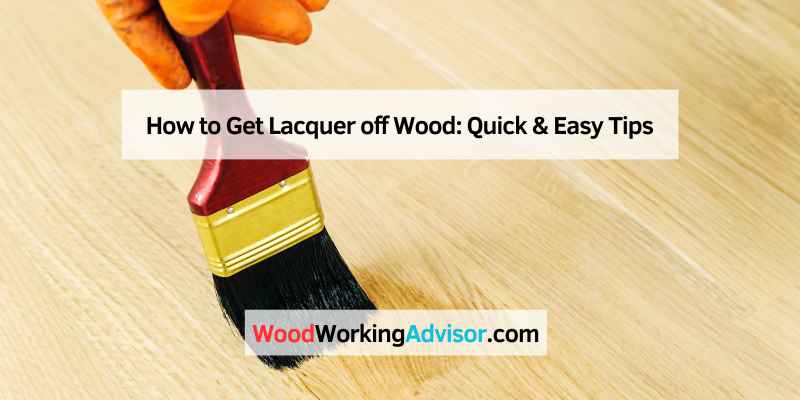
How to Get Lacquer off Wood: Quick & Easy Tips
To remove lacquer from wood, use a chemical lacquer remover or sand the surface. Always follow safety precautions, like wearing gloves and a mask.
Lacquer adds a glossy finish to wood surfaces, but it can be challenging to remove. Whether you’re restoring an antique piece or preparing wood for a new finish, knowing how to effectively eliminate lacquer is essential. Many homeowners face difficulties when attempting to strip lacquer, as improper methods can damage the wood underneath.
This guide will provide step-by-step instructions, ensuring a smooth process. By choosing the right technique, you can achieve a clean surface ready for refinishing. Get ready to transform your wood projects with confidence and care.
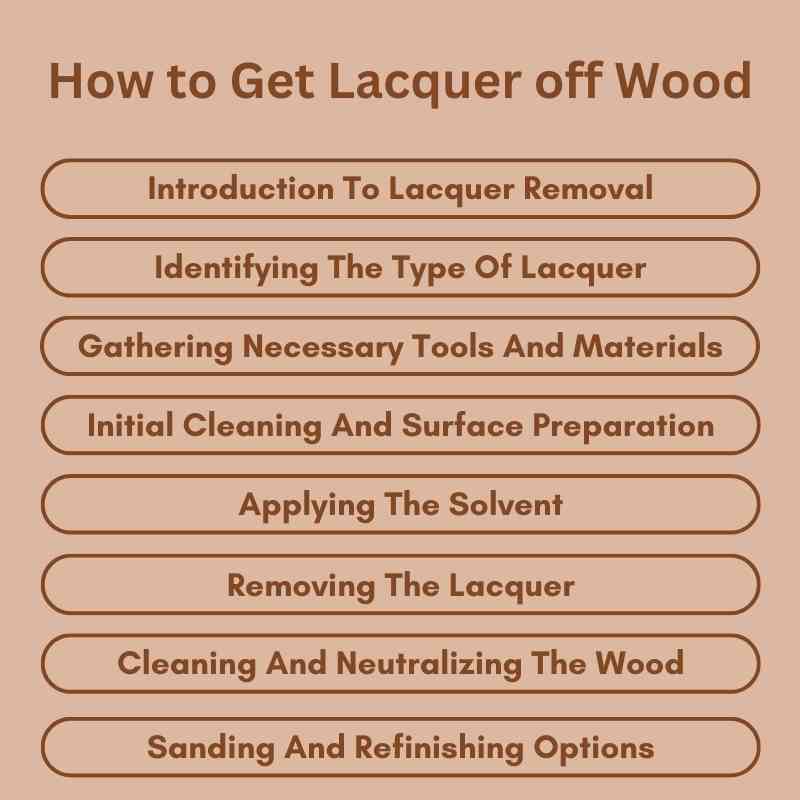
Introduction To Lacquer Removal
Removing lacquer from wood can be difficult. It sticks tightly and can damage the surface. Careful methods are needed to avoid harm.
Safety is very important. Always wear gloves, goggles, and a mask. These items protect you from harmful chemicals. Work in a well-ventilated area to avoid breathing in fumes.
Gather all necessary tools before starting. You will need a scraper, sanding block, and solvent. Read the labels on all products. Follow instructions carefully for safety.
Identifying The Type Of Lacquer
Knowing the type of lacquer on wood is very important. Different lacquers require different removal methods. Here are some common lacquer varieties you might find:
| Lacquer Type | Description |
|---|---|
| Cellulose Lacquer | This is fast-drying and often used in furniture. |
| Acrylic Lacquer | Known for its clear finish and UV resistance. |
| Polyurethane Lacquer | Offers a tough and durable surface. |
| Water-Based Lacquer | This type is low in odor and dries quickly. |
Identifying the lacquer type helps in selecting the right removal method. Using the wrong method can damage the wood.
Gathering Necessary Tools And Materials
To remove lacquer from wood, gather the right tools and materials. Essential supplies include:
- Solvent: Choose a strong lacquer thinner or acetone.
- Scraper: A plastic or metal scraper works well.
- Rags: Use clean, absorbent rags for wiping.
- Gloves: Protect your hands with sturdy gloves.
- Mask: A mask helps avoid inhaling fumes.
Choosing the right solvent is crucial. Lacquer thinner is effective but can be harsh. Acetone is another option that works quickly. Always test the solvent on a small area first. This helps ensure it won’t damage the wood.
Initial Cleaning And Surface Preparation
Start by removing dust and dirt from the wood surface. Use a soft cloth or a vacuum to clean it thoroughly. Make sure to focus on corners and crevices. This step helps in seeing the wood’s true condition.
Next, examine the wood carefully. Look for scratches, dents, or any damaged areas. Understanding the wood’s condition is crucial for effective cleaning. Take notes on any spots that need special attention.
If the wood is very dirty, use a gentle cleaner. Avoid harsh chemicals that might damage the surface. After cleaning, let the wood dry completely before moving on to the next steps.
Applying The Solvent
Start by choosing a suitable solvent like acetone or mineral spirits. Test the solvent on a small area first. This helps you see how the wood reacts. Use a soft cloth or sponge to apply the solvent. Soak the cloth, but do not make it dripping wet.
Gently rub the lacquered area in a circular motion. Keep applying more solvent as needed. After the lacquer starts to lift, use a plastic scraper to remove it. Be careful not to scratch the wood surface.
Always wear gloves and work in a well-ventilated area. This ensures safety while using solvents. Dispose of any used materials properly. Follow local guidelines for hazardous waste disposal.
Check the wood frequently to avoid damage. Clean the area with water and a cloth after finishing. This removes any remaining solvent residues.
Removing The Lacquer
To remove lacquer, start with a scraper. Use a plastic or metal scraper. Gently push the scraper under the lacquer. Avoid using too much force. This prevents damage to the wood.
For peeling lacquer, apply a chemical remover. Follow the instructions carefully. Wear gloves and goggles for safety. Let the remover sit for a few minutes. Then, scrape off the lacquer gently.
To protect the wood, use a soft cloth. Wipe the area often. This helps to catch any debris. Always work in a well-ventilated space. This keeps fumes away and helps you breathe better.
Cleaning And Neutralizing The Wood
After removing lacquer, it is important to clean the wood properly. Use a soft cloth to wipe away any dust and debris. Rinse the area with warm water to help remove residue.
Neutralizing chemical residue is crucial. Mix equal parts of white vinegar and water. Apply this solution to the wood using a clean cloth. This will help to break down any remaining chemicals.
After applying the vinegar solution, rinse the area again with water. Allow the wood to dry completely before applying any new finish. This ensures that the wood stays in good condition.
Sanding And Refinishing Options
After removing lacquer, smoothing the wood is essential. Use fine-grit sandpaper for best results. Sand in the direction of the wood grain. This helps avoid scratches and damages. Clean the surface with a damp cloth. Allow it to dry completely before applying a new finish.
Choosing a new finish can enhance the wood’s beauty. Options include oil-based, water-based, and wax finishes. Each type offers unique benefits. Oil-based finishes provide a rich color but take longer to dry. Water-based finishes dry quickly and have less odor. Wax finishes give a soft sheen and are easy to apply.
Test a small area before applying any finish. This ensures the desired look and feel. Consider the wood type and room environment. Selecting the right finish will keep your wood looking great.
Preventive Measures And Care Tips
To protect wood from future damage, keep it away from moisture. Wipe spills immediately to prevent stains. Use coasters under drinks to avoid rings. Avoid placing hot items directly on wood surfaces.
Regular cleaning helps maintain lacquered wood. Use a soft, damp cloth for dusting. Avoid harsh chemicals that can strip the finish. For deeper cleaning, use a mild soap solution.
Consider applying a protective wax every few months. This adds a barrier against scratches and dirt. Always test any product on a small area first.
Frequently Asked Questions
How Do I Remove Lacquer From Wood Safely?
To remove lacquer safely, use a lacquer thinner or solvent. Apply it with a cloth and gently rub the area. Always test on a small, inconspicuous spot first to avoid damage. Ensure proper ventilation and wear gloves for protection during the process.
What Tools Do I Need To Remove Lacquer?
You’ll need a few essential tools: lacquer thinner, a paintbrush, rags, and a scraper. A fine-grit sandpaper or steel wool can also be helpful. These tools will assist you in effectively stripping the lacquer without damaging the wood surface.
Can I Use Vinegar To Remove Lacquer?
Vinegar is not effective for removing lacquer. While it can clean surfaces, it doesn’t dissolve lacquer like dedicated solvents. For best results, stick to chemical strippers or lacquer thinners specifically designed for this purpose.
How Long Does It Take To Remove Lacquer?
The time required to remove lacquer varies based on thickness and method. Typically, it can take anywhere from 30 minutes to several hours. Patience is key, as multiple applications may be necessary for complete removal.
Conclusion
Removing lacquer from wood can be a straightforward process with the right techniques. Always prioritize safety by using protective gear. Choose appropriate solvents or methods for your specific project. With patience and care, you can restore your wood’s natural beauty.
Enjoy your refreshed surfaces and the satisfaction of a job well done.