Is Lacquer Toxic After It Dries? Not Once Fully Cured
Short answer: yes, once lacquer is fully cured, it’s considered safe for normal everyday contact. The part that’s actually hazardous is the wet, off-gassing stage, not the hardened film left behind afterward.
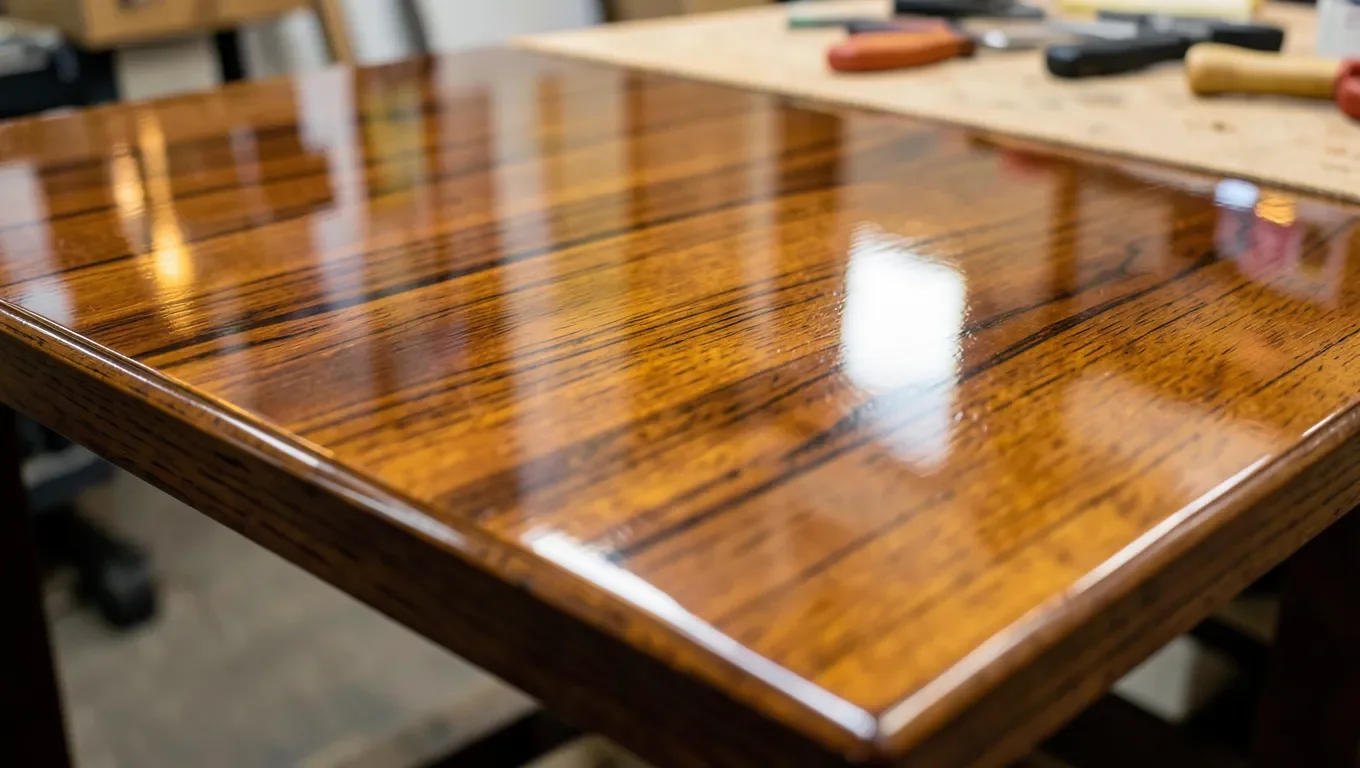
The confusion usually comes from mixing up two different things: lacquer feeling dry to the touch, and lacquer being fully cured. Those happen on very different timelines, and the fumes that make lacquer worth worrying about are almost entirely a wet-film and application problem, not something baked permanently into a finished tabletop or cabinet door.
“Dry to the Touch” vs. Fully Cured: The Distinction That Matters
Lacquer dries by solvent evaporation, not by a slow chemical reaction like an oil-based finish. That’s why it feels dry so fast — a sprayed nitrocellulose lacquer can be dry enough to touch in 15 to 30 minutes. But “dry to the touch” only means the surface solvents have flashed off enough that the film won’t smudge under a finger. It does not mean every trace of solvent has left the coating.
Full cure is the point where the remaining solvent has finished evaporating out of the film and the coating has reached its final hardness. For lacquer that typically takes several days, and some sources on wood sealers report trace off-gassing continuing for a few weeks under cooler or more humid conditions, though the amount released drops off sharply after the first few days. Warm, dry, well-ventilated rooms cure lacquer noticeably faster than a cold, damp garage.
How thick the coat is matters too. A single light aerosol pass cures faster than a heavy brushed-on coat, and a piece with four or five build coats takes longer to fully off-gas than one with a single thin seal coat, simply because there’s more solvent trapped deeper in the film working its way out. It’s the same dry-to-touch-versus-cured distinction that applies to shellac and most other evaporative finishes — feeling dry is not the same milestone as being done curing, regardless of which finish is on the can.
Best Respirator for Spraying Lacquer
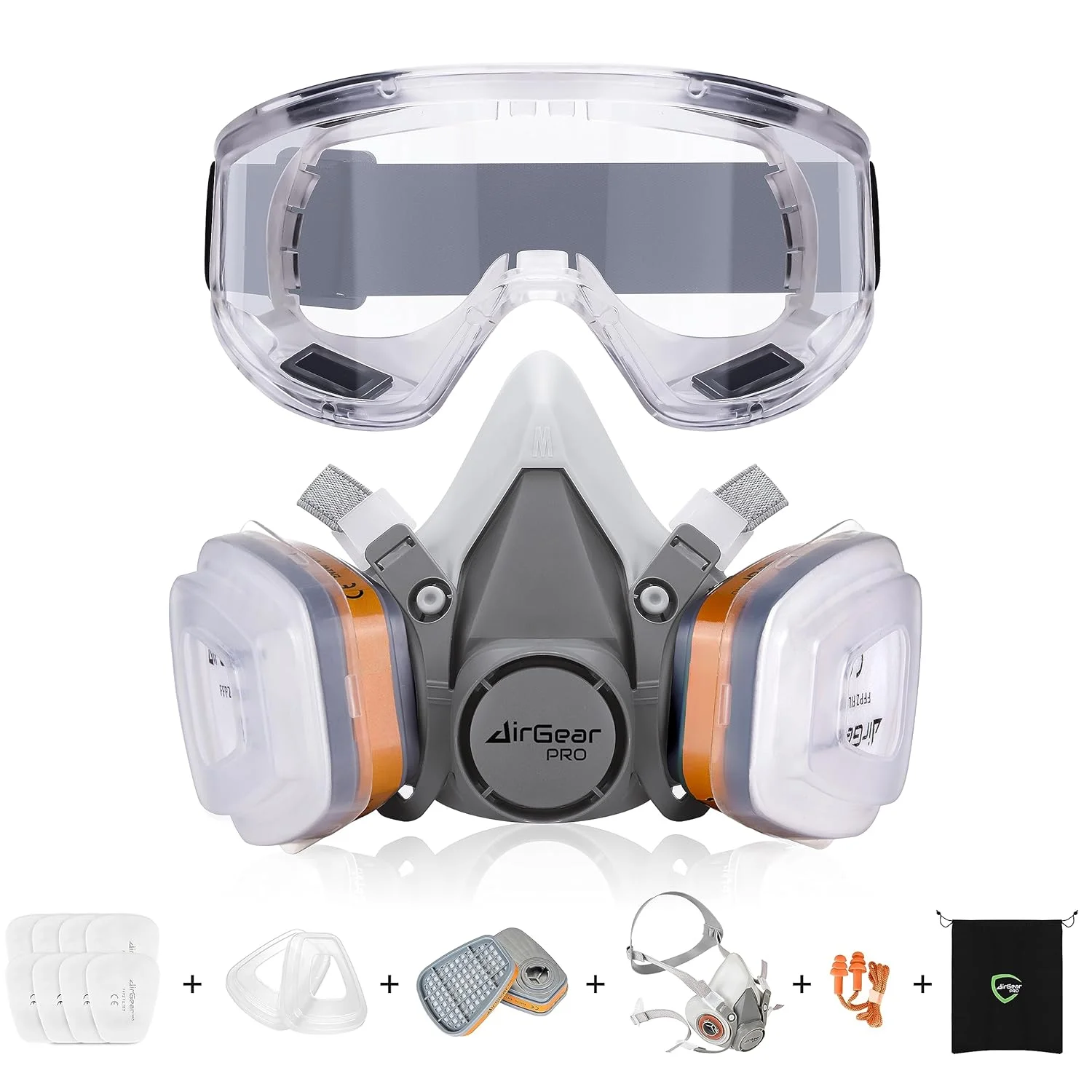 |
AirGearPro G-500 Reusable Respirator with A1P2 Vapor & Dust Filters – $39.99 The wet, off-gassing stage is where lacquer fumes are actually a problem — this is the gear that addresses that stage directly.
|
What’s Actually in Lacquer
Lacquer is built from three main ingredients: solvents, resins, and plasticizers. The solvents are what carry the finish on and then evaporate away; the resins are what’s left behind to form the hard film; the plasticizers keep that film from becoming brittle. Nitrocellulose lacquer is the classic furniture and guitar-finish version — fast-drying, but built on strong solvents like toluene and acetone. Acrylic (often water-based) lacquer swaps most of those solvents for water, which is why it’s marketed as lower-odor and lower-VOC. Catalyzed (conversion varnish-style) lacquer adds a hardener and cures through more of a true chemical reaction, which makes it tougher but also means it has its own separate safety data sheet worth reading.
If you’re also trying to work out whether a can labeled “lacquer” is actually an oil-based product, that’s a related but different question — solvent-based nitrocellulose lacquer and true oil-based finishes cure by different mechanisms, which we break down in our is lacquer oil-based guide.
The Real Risk Is Inhaling It While Wet, Not Touching It Once Dry
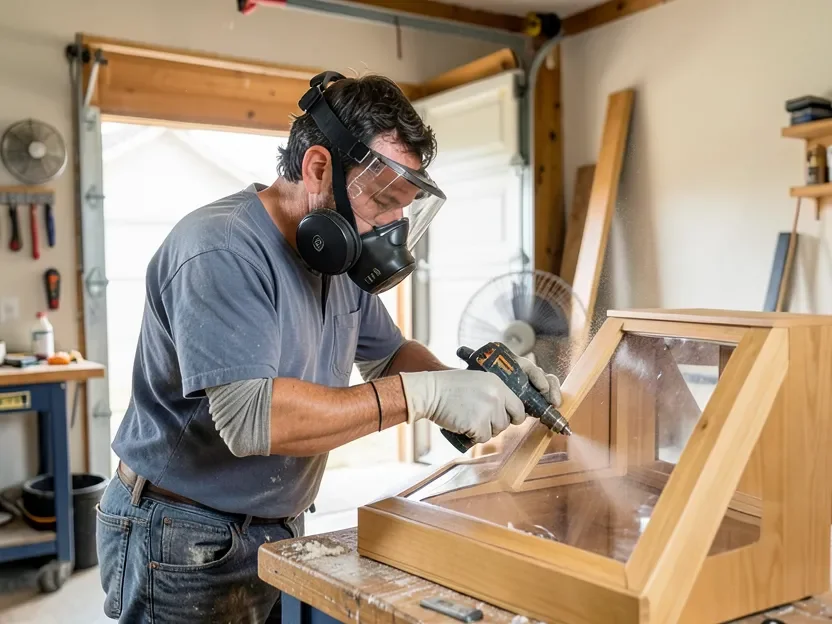
The genuine health hazard with lacquer sits almost entirely in the application stage. Spraying or brushing releases a concentrated wave of solvent vapor into the air right where you’re breathing. Short-term exposure to that concentration can cause headaches, dizziness, and eye or throat irritation; heavier or repeated exposure without protection is the scenario that actually matters for lung and nervous-system health, which is why professional finishers treat ventilation and respirator use as non-negotiable, not optional.
Open a door and window (or better, use a cross-breeze plus an exhaust fan pulling air outside), and wear a respirator rated for organic vapors, not just a dust mask. A paper dust mask does nothing against solvent fumes — you need a cartridge respirator built for organic vapor. Keep kids and pets out of the room while you’re spraying and for a few hours after, since that’s when concentration in the air is highest.
Once It’s Fully Cured, Is It Actually Safe to Touch?
Yes — once lacquer has gone through its full cure (not just its dry-to-touch stage), the solvents that were the real toxicity concern have evaporated out of the film, and what’s left is a stable, hardened resin coating. Normal handling, resting your arms on a lacquered table, or a kid touching a lacquered dresser is not a meaningful exposure risk at that point.
Two things still worth knowing. First, don’t judge “fully cured” by smell alone — some solvents have weak odor warning properties, meaning the smell fades before every trace is actually gone, so give a piece the full recommended cure window (check the can, but a week is a reasonable default for nitrocellulose lacquer) before treating it as done. Second, sanding a cured lacquer finish creates fine dust, and that dust should still be treated with a mask and good airflow — it’s a different hazard than the cured film itself, but it’s real.
“Safe to Touch” Isn’t the Same as Food-Safe or Toy-Safe
This is the caveat most lacquer safety articles skip. General everyday-contact safety on a cured finish is not the same certification as food-contact safety or children’s-toy safety, and it’s worth not blurring the two together.
For anything that will go in a child’s mouth or see heavy chewing — toys, teething items, crib rails — look for a finish tested to ASTM F963 (the current U.S. toy safety standard, most recently updated as ASTM F963-23), which specifically checks surface coatings for things like lead and other toxic metals. For cutting boards, bowls, and utensils, look for a finish explicitly labeled food-safe or FDA-compliant for food contact once cured; general-purpose nitrocellulose lacquer isn’t formulated or tested for that use, even after it’s fully hardened. Don’t assume a lacquer is fine for either use case just because it’s safe to lean on or dust.
Lower-VOC and Water-Based Options
If the fume stage is what worries you most, water-based acrylic lacquers are worth a look. They still contain some solvent, but at a fraction of the VOC content of traditional nitrocellulose lacquer, with noticeably less odor during application and a shorter, milder off-gassing tail. They don’t lay down quite as glass-smooth as a good nitrocellulose lacquer and can be pickier about compatible stains underneath, but for a bedroom, kitchen, or any space you can’t fully seal off and ventilate for a few days, the trade-off is often worth it.
Check the can’s VOC rating in grams per liter if you’re comparing products — conventional nitrocellulose lacquer commonly runs several hundred grams per liter, while a genuinely low-VOC water-based option can land closer to 50 g/L. A lower number generally means less odor and a shorter wait before the room feels normal again, though it’s still worth ventilating and letting any finish reach its stated cure time rather than judging by smell alone.
Safety Checklist for Applying Lacquer
- Spray or brush outdoors or in a room with cross-ventilation plus an exhaust fan venting outside, not just a cracked window
- Wear a respirator rated for organic vapors (not a paper dust mask) plus eye protection
- Keep kids and pets out of the work area during application and for a few hours afterward
- Let the piece hit its full cure time, not just dry-to-touch, before treating it as done off-gassing
- Wear a dust mask when sanding cured lacquer — the dust is a separate hazard from the finish itself
- Check for an ASTM F963 or food-contact rating separately if the piece is a toy or will touch food
Frequently Asked Questions
Is lacquer safe to touch after it dries?
Dry-to-the-touch and fully cured are different stages. Once lacquer has gone through its full cure (typically several days, not the 15-30 minutes it takes to stop feeling tacky), the solvents that made it hazardous have evaporated and normal handling is safe.
How long does lacquer off-gas before it’s fully cured?
Most of the off-gassing happens in the first few days, though trace amounts can continue for a few weeks in cooler or more humid conditions. Warm, dry, well-ventilated spaces cure lacquer fastest.
Is dried lacquer safe for a cutting board or a kid’s toy?
Not automatically. General-purpose lacquer being safe to touch is not the same as being food-safe or toy-safe. Food-contact surfaces need a finish labeled food-safe/FDA-compliant, and children’s items should meet ASTM F963, which specifically tests surface coatings for toxic metals.
What’s the actual health risk with lacquer?
It’s almost entirely an application-stage risk: inhaling concentrated solvent fumes while spraying or brushing, which can cause headaches, dizziness, and irritation. That’s why ventilation and an organic-vapor respirator matter while applying it, not after it’s cured.
Conclusion
Dried lacquer and cured lacquer aren’t the same milestone. The fumes worth actually worrying about show up while the finish is wet and during the days it takes to fully cure — that’s the window where ventilation and a real respirator matter. Once a piece has had its full cure time, normal handling is safe. Just don’t extend that to food-contact or children’s-toy use without a finish that’s actually certified for it.
Sponsored / affiliate links. As an Amazon Associate I earn from qualifying purchases. I may earn additional commission from eligible campaigns.