How to Glue a Wood Fence Board Without Replacing It
Glue a wood fence board only when the split is small, the board still fits tight to the rail or post, and you can clamp or brace it for about a day; if the break is long, the board is rotten, or the fence sees heavy weather, replace the board instead. I’ve watched weak repairs open again after one storm. Water gets in, the crack widens, and the board fails faster. This guide shows how to judge the damage, choose the right glue, and fix a loose board with or without access behind the panel.
What you’ll need
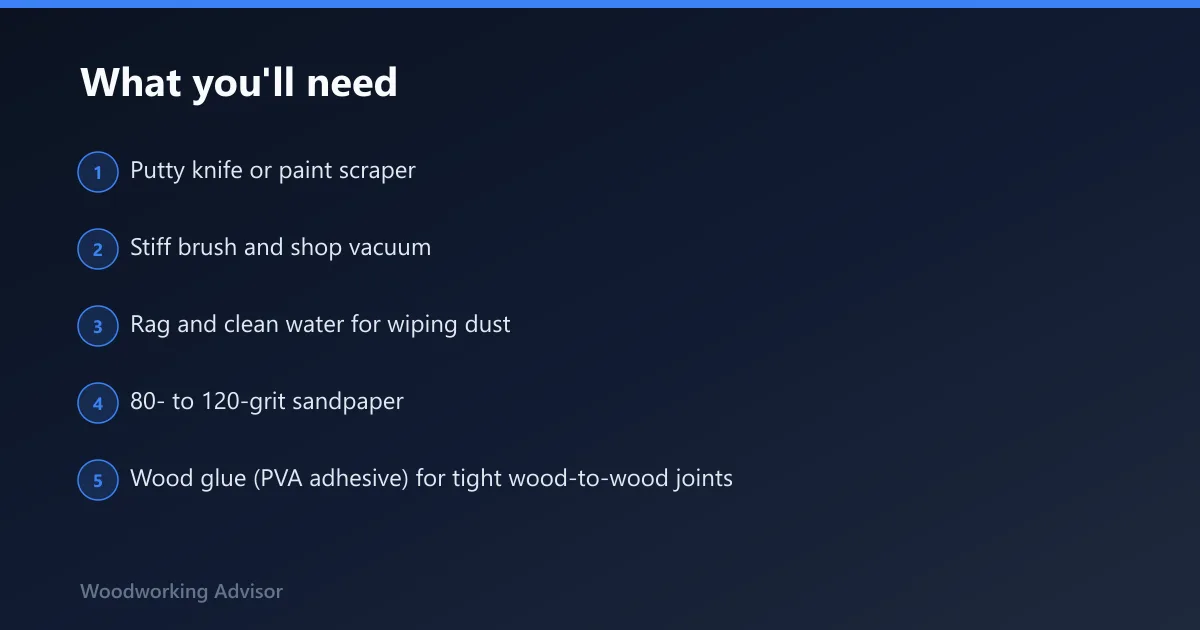


- Putty knife or paint scraper
- Stiff brush and shop vacuum
- Rag and clean water for wiping dust
- 80- to 120-grit sandpaper
- Wood glue (PVA adhesive) for tight wood-to-wood joints
- Polyurethane adhesive for exterior repairs that need a waterproof bond
- Epoxy adhesive for wider gaps or irregular breaks
- Bar clamp, spring clamp, or ratchet strap
- Scrap wood blocks or cauls to spread clamp pressure
- Temporary braces, such as a cut stick, screw clamp, or wedged board
- Gloves and eye protection
Can you glue a fence board instead of replacing the whole panel?
Yes, if the board still has sound wood, the break lines up cleanly, and the joint can be held motionless while the adhesive cures. Wood bonds well to wood when the faces meet tight and the board is not flexing under load. I repair boards in place when the split is clean and the panel stays still.
What makes a repair worth trying
Look for a clean split, a lifted edge, or a loose section that still sits flat against the rail or post. If the board is soft, crumbly, or split through a fastener hole with little contact area left, glue is a short-term patch at best. Wind load matters too; a fence board that flexes every day keeps stressing the joint.
When glue is the wrong fix
Skip glue if the board has rot, punky fibers, a long open break, or a loose rail behind it. Fasteners that have backed out, a post that moves, or a panel that racks in wind are structural problems. Adhesive does not stop movement, and movement breaks the bond.
What you’ll need to know before you start
Wood glue is often called white glue or carpenter’s glue, and it is more correctly known as polyvinyl acetate (PVA) adhesive. It bonds wood and other porous materials, but it will not bond metal, glass, or plastic. Wood glue can heal cracks and splits in wood, and it usually needs clamps for full holding power.
Pick the adhesive to match the damage
Use standard wood glue for a dry, tight joint. Use polyurethane adhesive when the repair must tolerate exterior exposure and the label calls for it; polyurethane glue forms a flexible, waterproof bond, needs moisture to cure, and expands as it dries. Use epoxy when the gap is larger or the split is irregular and clean contact is poor. (familyhandyman.com)
How to repair a split fence board without removing the panel
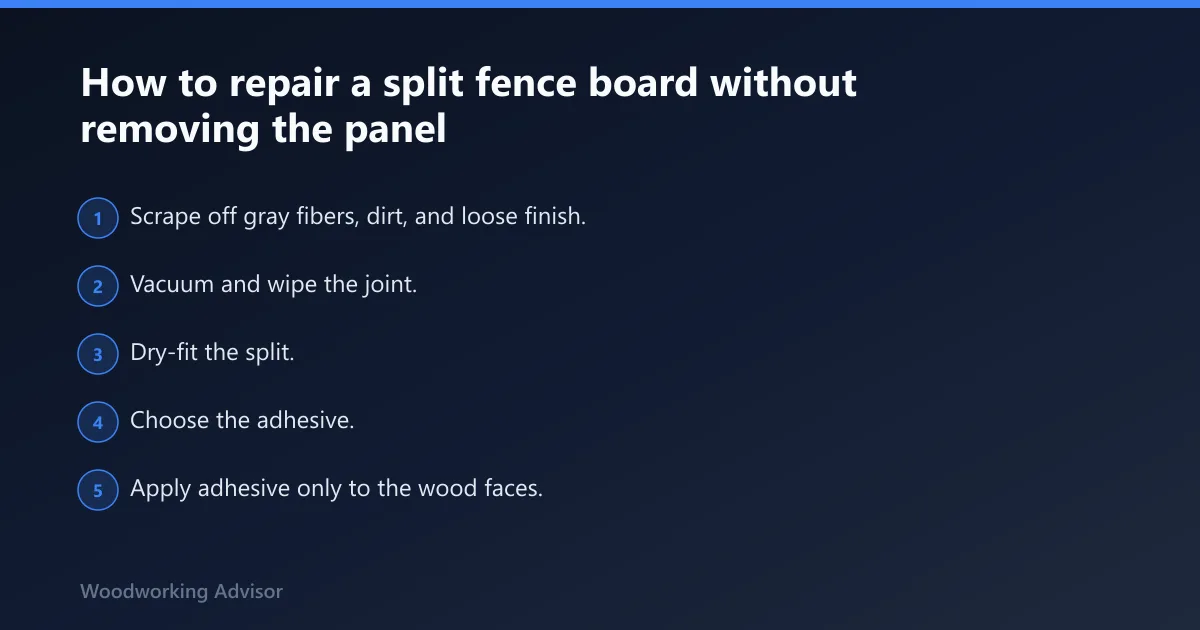
A split board can often be glued in place if the faces meet tightly and you can brace the repair from one side. Clean the break, get adhesive into fresh porous wood, and keep the pieces still until cure. If you cannot keep the joint aligned, replacement is safer.
- Scrape off gray fibers, dirt, and loose finish. Expose solid wood at the bond line so the adhesive reaches porous material instead of dust.
- Vacuum and wipe the joint. Dry, dust-free wood gives the glue a better chance to wet the fibers.
- Dry-fit the split. If the crack will not close without force, switch to epoxy or replacement.
- Choose the adhesive. Use PVA for tight wood joints, polyurethane for exterior waterproof bonding, or epoxy for gaps and irregular breaks.
- Apply adhesive only to the wood faces. Keep it off metal fasteners, painted crust, and loose gray fibers.
- Clamp or brace until cured. Use cauls, spring clamps, or a temporary brace so the joint stays flush while the adhesive sets.
- Check the joint before removing pressure. If the split opens, add pressure and give it more cure time.
If that didn’t work, try this next
If the split keeps opening, add a second brace on the opposite side if access allows, or back off and inject epoxy into the break with a putty knife. When the board will not hold alignment even with bracing, replacement is the next step. A glued joint cannot fight constant flexing for long.
Fence-board repair decision table
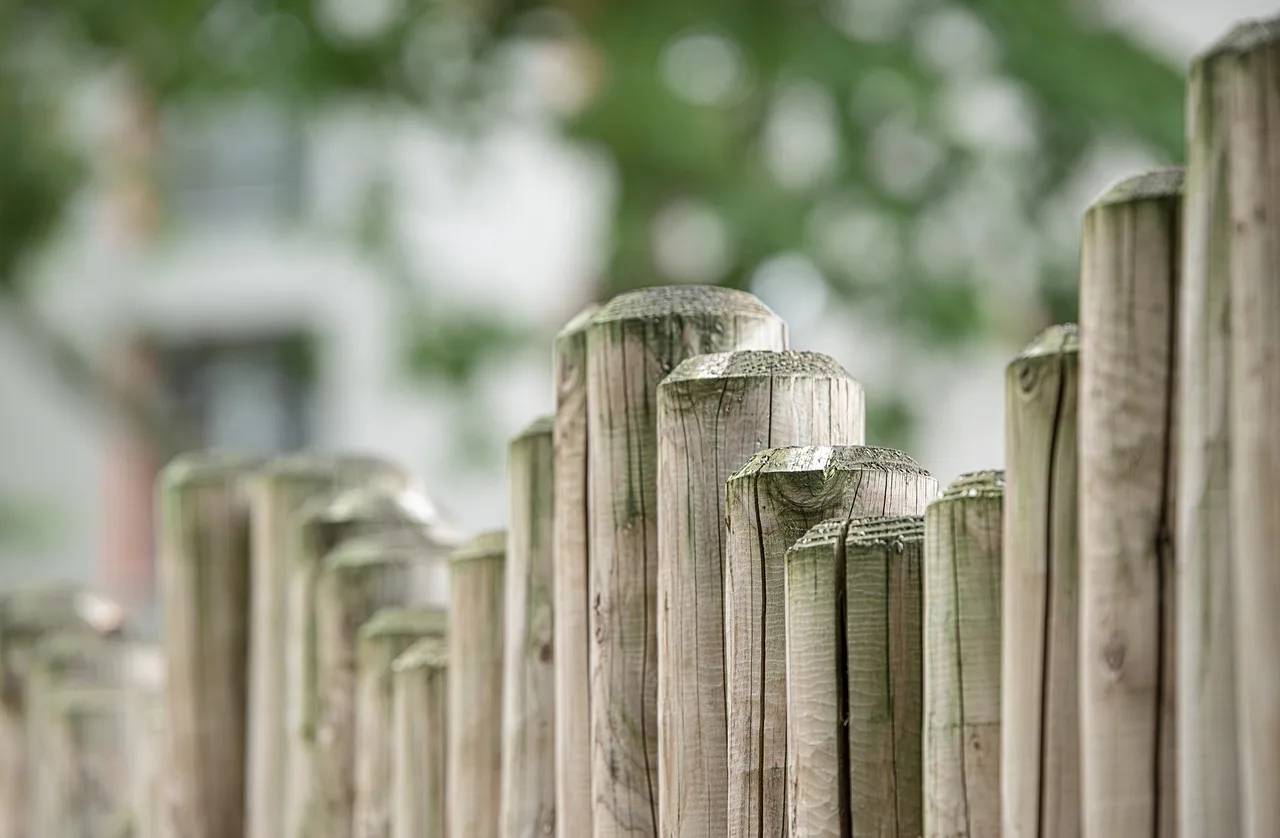
Match the fix to the damage, not just to the glue aisle. The board’s remaining contact area, weather exposure, and back-side access decide whether the repair has a realistic chance of holding.
| Damage type | Recommended adhesive | Required prep | Clamp or brace method | Stop-and-replace threshold |
|---|---|---|---|---|
| Loose edge with solid wood behind it | Wood glue or polyurethane adhesive | Scrape dust, remove loose fibers, dry-fit the edge | Spring clamp with scrap wood cauls, or a temporary brace from the back | Replace if the edge will not stay flat or if fasteners have loosened the rail |
| Clean split with tight mating faces | Wood glue for dry joints; polyurethane for outdoor waterproof bonding | Clean to bare porous wood and remove gray surface fibers | Bar clamp or ratchet strap with cauls | Replace if the split runs through rotten or crushed wood |
| Open gap or missing wood at the break | Epoxy adhesive | Excavate loose material, square the edges as much as possible, dry the area | Brace in position; clamp only enough to hold alignment, not squeeze out the fill | Replace if the gap is wide enough that the board no longer bears load evenly |
| Board with rot, punky fibers, or heavy movement | None | Probe for soft wood and check the rail or post behind it | No clamp cure will make up for failed wood or moving structure | Replace the board, and repair the rail or fasteners if they are also loose |
How to get wood glue to stick to weathered fence wood?
Weathered exterior wood often has a dusty, gray surface and open grain that blocks direct glue contact. Wood glue works best on porous surfaces, so the repair line has to be cleaned back to firm wood. If the surface feels fuzzy, chalky, or soft, scrape more until the glue reaches solid fibers.
Remove oxidation and loose fibers
Use a scraper and light sanding to expose fresh wood at the break. Vacuum the dust, then wipe the joint with a barely damp rag and let it dry fully. Water in the wood can weaken the bond, especially with PVA adhesive, which is water-soluble when wet.
Control moisture before applying adhesive
Do not glue soaked lumber. If the board has taken on rain, let it dry until the surface no longer feels cool or damp. Polyurethane glue needs moisture to cure, but too much free water still interferes with a clean bond line. Dry wood, clean wood, and steady pressure matter more than extra glue.
When should you use wood glue versus epoxy on a fence repair?
Use wood glue for tight, porous joints where the split closes fully and the board can be clamped. Use epoxy when the break is irregular, the gap is wider, or the wood has lost clean contact. Epoxy is often the stronger repair option when the remaining fibers are uneven or badly worn.
Use wood glue for tight repairs
PVA adhesive fits small splits, lifted edges, and wood-to-wood contact that closes without force. Certain waterproof formulations are suitable for wet conditions, but the label still matters. Standard PVA is not a cure-all for outdoor exposure, and it will not bond metal, glass, or plastic.
Use polyurethane or epoxy for tougher exterior cases
Polyurethane adhesive forms a flexible, waterproof bond and can work outdoors when the surfaces are clean and the joint is braced. It expands as it dries, so use only enough to wet the surfaces. Epoxy is better when the break needs fill as much as adhesion. It is the more forgiving choice for odd-shaped damage.
Do I need clamps when gluing a fence board?
Yes, most fence-board repairs need clamps or temporary bracing to reach full holding power. Adhesive can wet the joint, but pressure keeps the split closed and keeps wind from shifting the board while it cures. Without pressure, the repair often fails at the first wet-dry cycle.
Choose the right pressure method
Use bar clamps or spring clamps where you can reach the board face. Where you cannot get behind the fence, wedge a scrap board or stick between the repaired board and a solid support. Add cauls so clamp jaws do not crush soft exterior lumber.
How long does it take for outdoor wood glue to cure?
Cure time depends on product type, temperature, and moisture in the wood. A tight interior-style PVA joint may hold sooner than an exterior polyurethane or epoxy repair, but the board should stay clamped until the joint is fully set. Cold weather can slow cure, and damp wood can change the timing again.
Use the full cure window, not the first grab
Plan to keep the repair motionless through the full cure time listed on the container. If the day is cold or humid, give it longer. Opening the clamp too early is one of the fastest ways to turn a good bond into a split line that opens again.
Common mistakes
Most bad fence glue repairs fail for predictable reasons. The board was dirty, the wood was weak, the adhesive did not match the gap, or the joint moved before cure. Any one of those can undo the bond.
- Gluing over rot or crushed fibers instead of cutting back to sound wood
- Leaving gray dust and loose finish in the bond line
- Using standard PVA on a wet, exposed repair without checking the formulation
- Skipping clamps or braces because the split “looked tight enough”
- Expecting adhesive to fix loose fasteners, rail movement, or a racking panel
- Using too much polyurethane adhesive and letting expansion push the joint apart
Prevention: tighten loose fence fasteners and stop water from sitting on the board edge; repeated movement and wet-dry cycling open the same split again.
Frequently asked questions
What is the best glue for an outdoor fence board repair?
For a tight wood-to-wood joint, use a waterproof-formulation PVA if the label allows exterior use. For a wetter or more exposed repair, polyurethane adhesive is often a better fit because it cures to a flexible, waterproof bond. For larger gaps, epoxy is usually the stronger option.
Will polyurethane glue work on an exterior wood fence board?
Yes, if the wood is clean and the joint is held still while it cures. Polyurethane glue needs moisture to cure, expands as it dries, and forms a flexible, waterproof bond. Use controlled pressure, because too much squeeze-out can push the joint out of line.
Sponsored / affiliate links. As an Amazon Associate I earn from qualifying purchases. I may earn additional commission from eligible campaigns.