Where to Buy Sapele Wood: Sources & Pricing
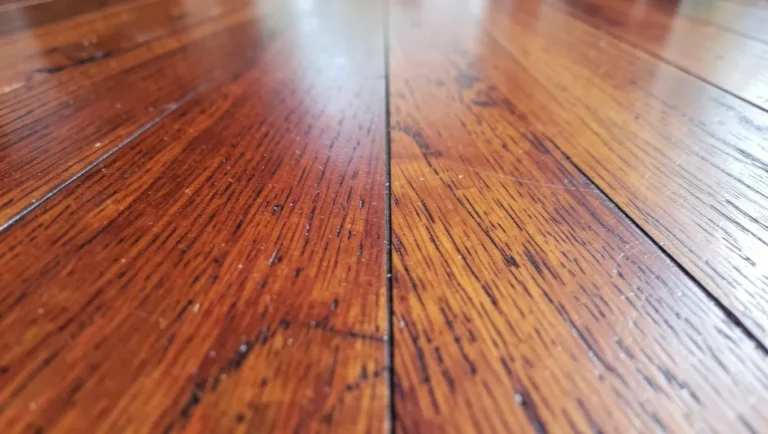
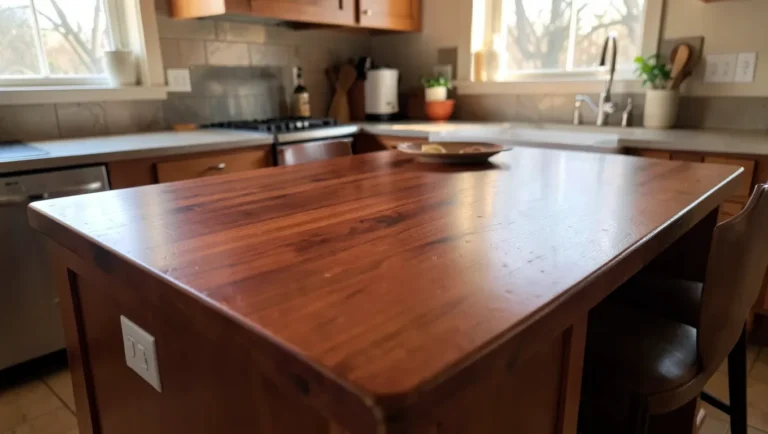
Sapele is an African hardwood often grouped with the mahogany family. It has interlocked grain, a reddish-brown color, and moderate to high density. Buyers choose it for furniture, cabinetry, doors, trim, and boatbuilding because it machines well, takes finish cleanly, and is sold as lumber, veneer, and panel products with different sourcing paths and price structures.
This guide is part of our Mahogany wood guide series.
What is sapele wood?


How sapele compares with mahogany in buying terms
Sapele and mahogany are not interchangeable on the buying side. Sapele often gives a similar look at a lower price than genuine mahogany, but the useful comparison is still specification driven: width, thickness, surfacing, moisture content, and whether the seller can document origin and drying status.
Why density, grain, and color matter to buyers
Interlocked grain can give sapele a ribbon stripe effect on quarter-sawn stock, and it can also cause tearout if you machine it aggressively. The wood’s density helps it feel substantial in furniture and doors, but it also means poor drying or poor acclimation can lead to movement, twisting, or surface checking.
Where can you buy sapele wood?
You can buy sapele from local hardwood dealers, online hardwood retailers, veneer specialists, and marketplace sellers. The best source depends on your project size, the amount of waste you expect, whether you need lumber or veneer, and how much freight risk you are willing to accept.
Local hardwood dealer
A local dealer is often the lowest-risk source for small or urgent orders because you can inspect boards before buying and avoid full freight charges. It is usually the best fit when you need a few board feet of furniture stock, a specific width, or a quick replacement for a project already in progress.
Online hardwood retailer
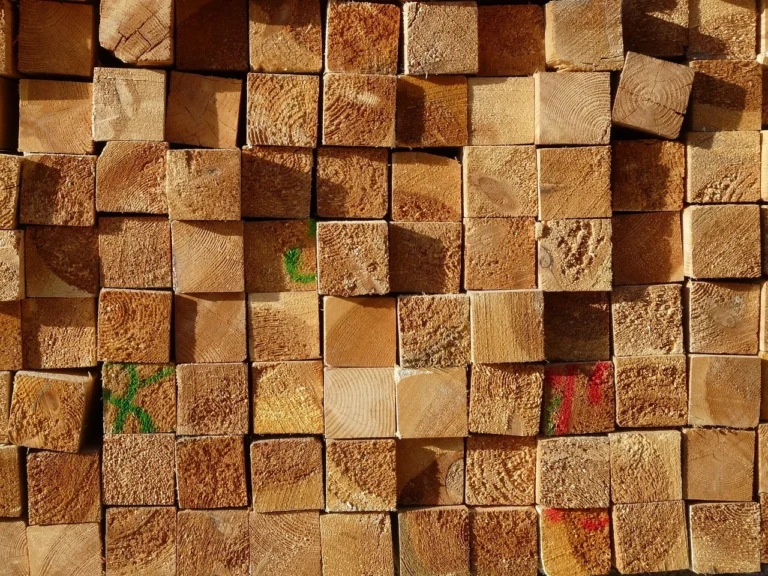
Online hardwood retailers are useful when you need a broader grade or thickness selection, especially for kiln-dried sapele in 4/4, 5/4, or 8/4. They can be a better value for larger orders if the board-foot price is competitive and the shipping rate stays reasonable relative to the order total.
Veneer specialist
Veneer specialists are the right source when your project calls for bookmatched panels, decorative faces, or a plywood-style build with a thin sapele skin. They may sell by sheet or by roll, and the cost depends heavily on sheet size, face quality, backing, and matching requirements.
Marketplace seller
Marketplace sellers can look cheap at first glance, but they carry the most variation in grade, moisture, grading accuracy, and packing quality. They can work for short offcut lots or experimental use, yet they are the least predictable path when you need straight, dry, project-ready stock.

Sapele sources comparison table
This table compares source types by the cost and risk factors that change the real project total. Use it to judge landed cost, not just the posted board-foot quote or sheet price.
| Source type | Typical order minimum | Main cost drivers | Shipping and crating impact | Grade consistency | Best-use cases |
|---|---|---|---|---|---|
| Local hardwood dealer | Often 10 to 50 board feet; some sell single boards | Board-foot price, waste from width limits, local sales tax | Low if you pick up; delivery can add a service charge | Usually good within a yard, but stock varies by arrival | Small furniture parts, urgent replacement boards, hand selection |
| Online hardwood retailer | Commonly 20 to 100 board feet; may require pallet orders | Board-foot price, freight, crate fee, surfacing charge | Moderate to high; freight can outweigh the lumber cost on small orders | Often better lot control and clearer specs than marketplaces | Cabinet parts, matching sets, larger furniture builds |
| Veneer specialist | By sheet, bundle, or roll; minimums vary by face and backing | Sheet count, bookmatching, backer, adhesive-ready substrate | Moderate; flat packing and damage control matter more than weight | Usually high for face consistency and grain matching | Cabinet doors, panels, curved work, plywood-style faces |
| Marketplace seller | Single boards or small lots | Hidden waste, sorting time, grade uncertainty, return risk | Variable; packing quality can turn a low quote into a poor value | Often mixed or unclear | Short blanks, shop use, low-stakes practice stock |
Is sapele wood expensive?
Sapele is usually priced as a mid-to-upper hardwood, but the real cost depends on landed price, not the sticker quote. Board-foot price, freight, crating, minimum order size, and waste from thickness or width limitations can make a “cheap” listing more expensive than a local dealer.
Board-foot price versus total landed cost
Board-foot pricing matters, but it is only one line item. Add shipping, crating, sales tax, and the extra material needed to recover defects or narrow widths. If freight is more than about 15% of the order, local pickup often becomes the lower-cost path.
How thickness, width, and grade change price
Thicker stock usually costs more per board foot because yield is lower and drying risk is higher. Wide boards often command a premium because clear, defect-free widths are harder to produce. FAS and better Select grades typically cost more than shop grade because they promise more clear face area and fewer defects.
When waste factor makes a low sticker price misleading
A low quote can fail the moment you need usable parts. Suppose a cabinet project needs 18 board feet of 6-inch-wide parts, but the “cheap” lot is mostly narrow boards with knotty edges. You may buy 24 or 26 board feet to net the same usable yield, which erases the savings.
How do you choose the right sapele spec?
Choose the spec that matches your cut list and finishing plan. For furniture and millwork, kiln-dried lumber in the right thickness and surfacing state is usually the lowest-risk choice; for decorative panels, veneer may be better; and for thick turning or joinery parts, 8/4 may be worth the premium.
4/4, 5/4, and 8/4 thickness choices
4/4 is the common starting point for many furniture parts after milling. 5/4 gives you a bit more cleanup margin for cup or twist, while 8/4 suits thicker legs, wide rails, and sculpted components. Thicker stock costs more and takes longer to dry, so buy it only when the final part needs it.
S2S and S4S surfacing choices
S2S means surfaced on two faces, which saves some milling time while keeping price lower than fully surfaced stock. S4S means surfaced on four sides, which can help for quick assembly but often costs more and leaves you less control over final dimensions if the machine finish is rough or out of square.
Quarter-sawn versus flatsawn stock
Quarter-sawn sapele is often more stable than flatsawn stock and usually shows straighter grain with stronger ribbon figure on the face. It often costs more because the yield from a log is lower, so use it where movement control or appearance is worth the added price.
Kiln-dried target and moisture content
Kiln-dried sapele is preferred for indoor furniture and millwork because it is less likely to move after machining. For interior work, a common target is about 6% to 10% moisture content, but it is still worth confirming the seller’s number and letting the wood acclimate before final milling or glue-up.
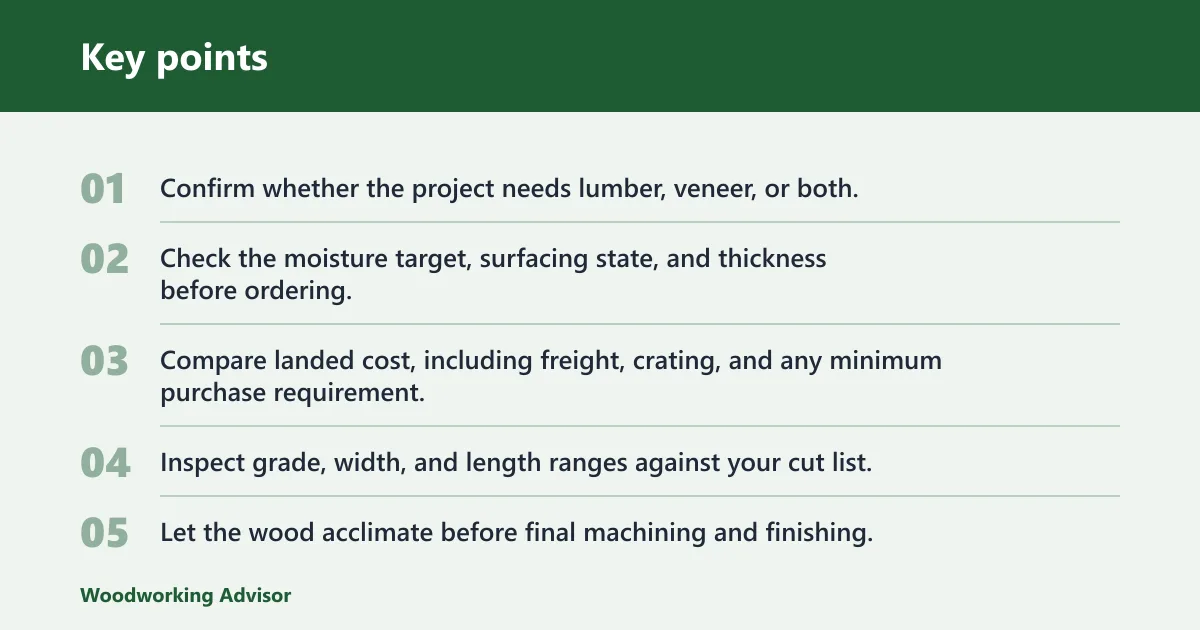
- Confirm whether the project needs lumber, veneer, or both.
- Check the moisture target, surfacing state, and thickness before ordering.
- Compare landed cost, including freight, crating, and any minimum purchase requirement.
- Inspect grade, width, and length ranges against your cut list.
- Let the wood acclimate before final machining and finishing.
How can you check quality before buying?
Check the grade, size range, origin paperwork, and moisture content before money changes hands. The best-looking board is not the best buy if it lacks clear face area, arrives wetter than stated, or carries unclear sourcing documentation that could affect compliance or project lead time.
Grade terms and defect allowances
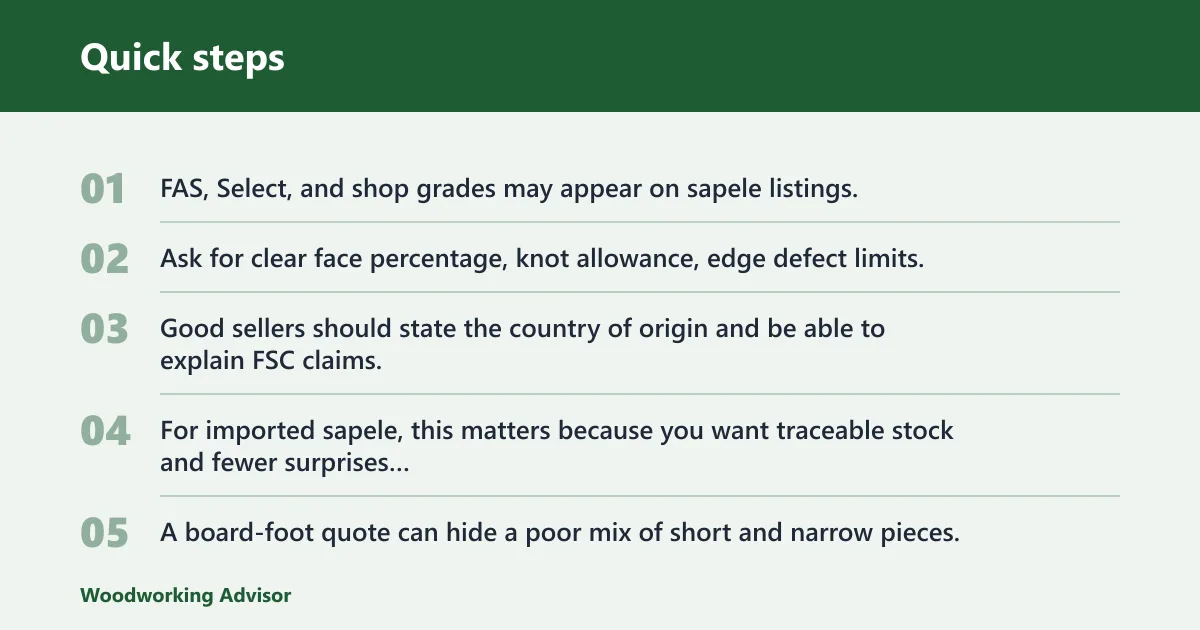
FAS, Select, and shop grades may appear on sapele listings, but the exact meaning can vary by seller. Ask for clear face percentage, knot allowance, edge defect limits, and the typical width and length range, because those details determine how much usable lumber you actually receive.
Country-of-origin and legal-harvest paperwork
Good sellers should state the country of origin and be able to explain FSC claims, verified legal harvest status, or chain-of-custody documentation when applicable. For imported sapele, this matters because you want traceable stock and fewer surprises around compliance or customs documentation.
Width, length, and clear-face checks
A board-foot quote can hide a poor mix of short and narrow pieces. Check whether the lot includes the widths and lengths your project needs, and ask how much clear face area the grade allows. A wide tabletop blank needs different stock than drawer sides or face frames.
Arrival inspection and acclimation before milling
Inspect the shipment for twist, bow, surface checks, end splits, and packing damage as soon as it arrives. Then stack the wood with stickers and let it acclimate to the shop environment before you final-size parts. That step lowers the risk of movement after joinery is cut.
Say your project is a set of cabinet doors in a dry interior room. A kiln-dried, S2S sapele lot at 8/4 might sound convenient, but it may be overkill if 4/4 veneer-core panels or bookmatched veneer would meet the design at lower cost and with less movement risk.
How does sapele perform in finishing?
Sapele sands well, but its interlocked grain and open pores usually call for careful prep and, for flat furniture surfaces, some kind of pore filling. It takes oil, varnish, and many waterborne finishes, but stain behavior can be uneven unless you sand uniformly and test on offcuts first.
Sanding and pore filling
Start with even sanding and do not rush through the coarser grits, because swirl marks can show after finish goes on. On show surfaces, pore filler can help achieve a smoother result since sapele’s pores remain visible under many clear finishes.
Stain behavior and color shift
Sapele often darkens to a deeper reddish-brown over time, especially under light exposure. Stain can read differently from board to board because grain orientation and density vary, so test on a cut-off from the same lot before committing to the final color.
Oil, varnish, and waterborne finish compatibility
Oil finishes usually enrich the color and grain, while varnish adds more surface protection for furniture and doors. Waterborne finishes can keep the color lighter at first, but they may raise grain more noticeably, so a prep sanding step is important before the first coat.
Where can I buy sapele wood near me?
Start with a local hardwood dealer or lumberyard that carries imported hardwoods, then compare that pickup price against delivered online quotes. For small orders, local stock usually wins because you avoid freight, can inspect grade in person, and can buy only the amount you need.
Ask whether the yard stocks kiln-dried sapele, what thicknesses are on hand, and whether the boards are S2S or rough-sawn. If your project needs quarter-sawn stock or a wide clear face, a nearby dealer with better selection may still beat a lower online quote after shipping.
Where can I buy sapele lumber online?
Online hardwood retailers are the best starting point for shipped sapele lumber, especially when you need a specific thickness, grade, or width range. Compare board-foot price, freight, crate fees, and minimum order size, because those charges can easily change the real cost of the purchase.
Look for clear listings that state moisture content, surfacing, grade, and origin. If the product page does not say whether the lumber is kiln-dried to an indoor target or does not explain return terms for damaged freight, the apparent bargain is riskier than it looks.
Frequently asked questions
Is sapele wood a hardwood?
Yes. Sapele is a hardwood, which is why it is used for furniture, cabinetry, doors, trim, and boatbuilding parts that need strength and stability. Its density and grain structure make it more durable than many softwoods, though that same density can make machining more demanding.
Where does sapele wood come from?
Sapele comes from Africa and is commonly sold as an imported hardwood. For buyers, the important point is not geography alone but documentation: country of origin, legal-harvest claims, and chain-of-custody records when offered. Those details help reduce sourcing and compliance risk.
How do I choose the right sapele thickness and grade?
Match thickness to the finished part, not the sales listing. Use 4/4 for many furniture parts, 5/4 when you need extra cleanup margin, and 8/4 for thicker components. Then choose a grade with enough clear face area, width, and length to fit your cut list.
How should I care for sapele wood products?
Keep indoor sapele products in a stable humidity range and wipe spills promptly. For finished surfaces, use gentle cleaners and avoid soaking the wood. If the finish wears, recoat before bare wood is exposed, and use pads or runners on tabletops to reduce abrasion.
What type of wood is sapele?
Sapele is an African hardwood with reddish-brown color, interlocked grain, and moderate to high density. Buyers often choose it as a mahogany alternative for furniture and millwork, but the exact buying decision still depends on whether you need lumber, veneer, or a panel-style face.
Sponsored / affiliate links. As an Amazon Associate I earn from qualifying purchases. I may earn additional commission from eligible campaigns.