Mahogany Wood Furniture: Real Pros, Real Trade-Offs
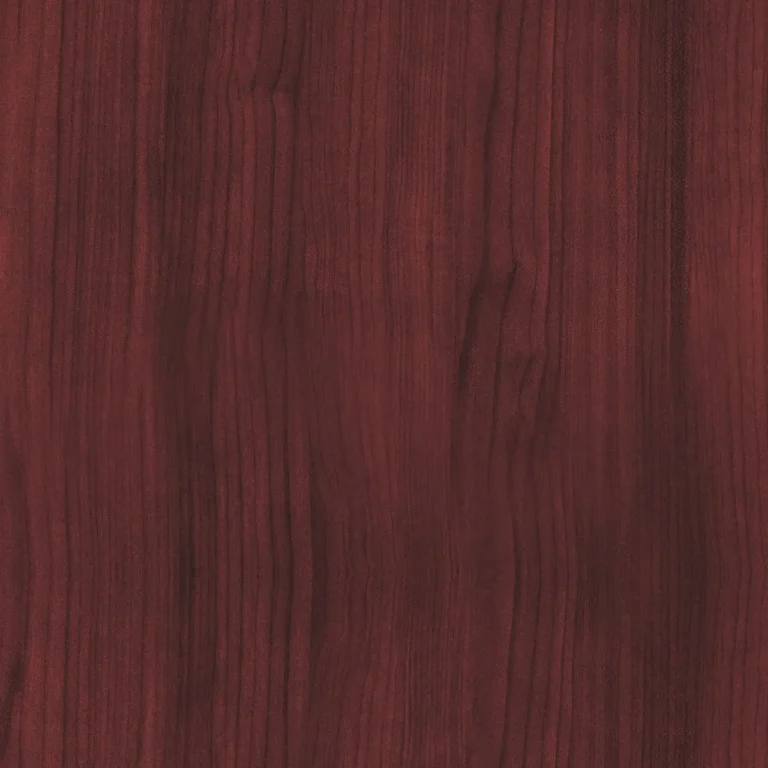
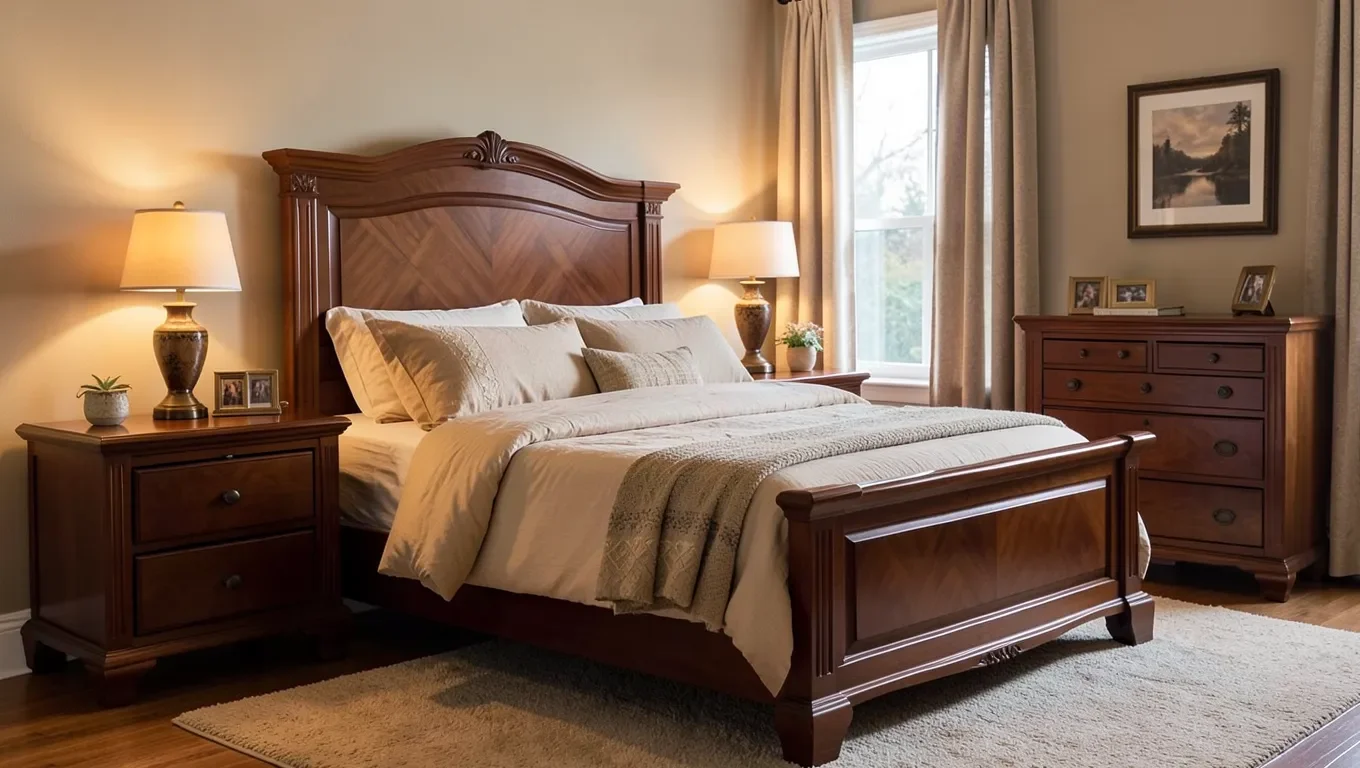
Mahogany wood furniture earns its reputation honestly — genuinely good workability, an attractive color that deepens with age, and moderate durability — but it’s not immune to the trade-offs every solid wood furniture faces. It moves with humidity like any solid wood (not uniquely resistant to warping), and its moderate Janka hardness (800-900 lbf) means it scratches and dents more easily than oak or maple.
The Real Trade-Offs, Not Marketing Claims
Real Ongoing Care
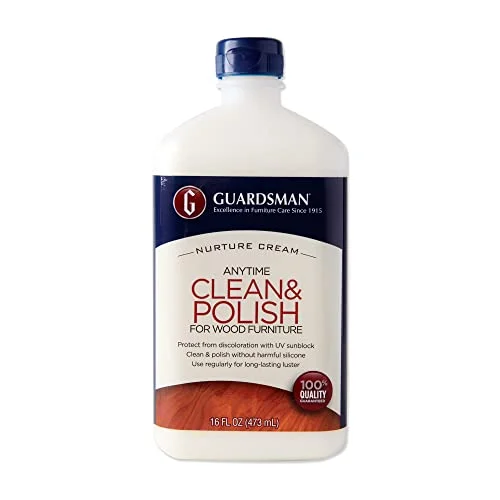 |
Guardsman Clean & Polish, Silicone-Free, 16.9 oz – $7.99 Silicone-free matters: silicone polish residue can interfere if the piece ever needs refinishing later.
|
Claims that mahogany “resists warping” or “suits any climate” overstate reality — solid mahogany expands and contracts with humidity swings the same way any solid hardwood does, and a dry winter climate (forced-air heating dropping indoor humidity) can cause real cracking in solid mahogany pieces just as it would in oak or walnut. This is manageable with reasonable indoor humidity control, but it’s not a special mahogany immunity.
Why Furniture Makers Genuinely Prefer It
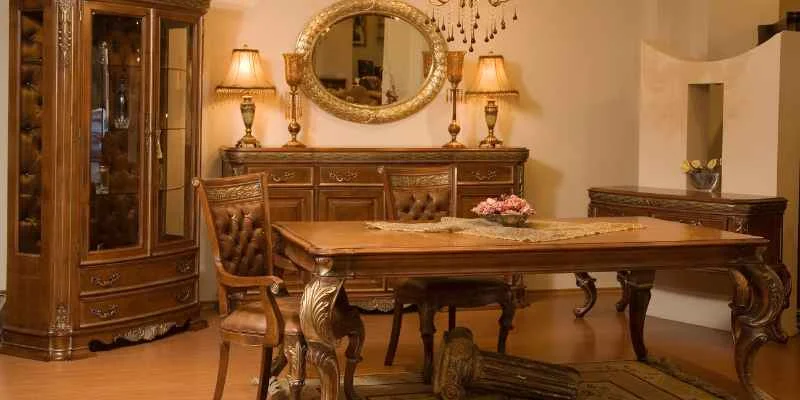
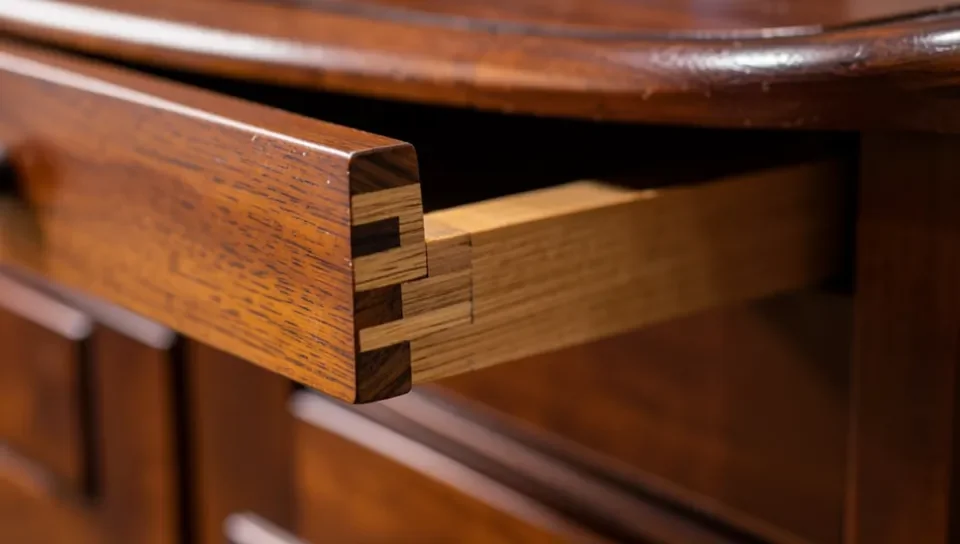
Mahogany’s real advantage is workability: it cuts, carves, and finishes with minimal tear-out compared to harder woods, which is exactly why detailed joinery (like traditional dovetail drawer construction) and curved or carved furniture parts show up so often in mahogany pieces — the wood cooperates with fine detail work in a way oak often doesn’t. This is a genuine practical reason craftsmen choose it, not just tradition or marketing.
Explore the Specific Topics
For deeper detail on specific aspects, see our dedicated guides: mahogany’s real durability and rot resistance, the full pros and cons for tables specifically, how to verify genuine mahogany, and what actually drives its price.
Frequently Asked Questions
Does mahogany furniture resist warping better than other woods?
No. Solid mahogany expands and contracts with humidity changes the same way any solid hardwood does. It has no special climate immunity, despite some marketing claims.
Why do furniture makers prefer mahogany for detailed pieces?
Its workability. Mahogany cuts and carves with minimal tear-out, making it genuinely better suited to fine joinery and carved details than harder woods like oak.
Should I use silicone-based or silicone-free polish on mahogany?
Silicone-free is the safer default, since silicone residue can complicate future refinishing if the piece ever needs it.
Conclusion
Mahogany furniture’s real value is genuine workability and attractive aging color, not special durability or climate-resistance claims that don’t hold up under scrutiny. Treat it like any quality solid hardwood — real care, real humidity awareness — and its actual strengths speak for themselves.
Sponsored / affiliate links. As an Amazon Associate I earn from qualifying purchases. I may earn additional commission from eligible campaigns.