How to Screen and Recoat Hardwood Floors: Grit & Wait Times
Screening a hardwood floor abrades the old finish, not the wood, so a new coat has something to grip. Use a 120-220 grit screen (the finish maker’s label sets the exact grit), vacuum all dust, and recoat inside the finish’s window, but only if the floor is wax-free and the finish is intact. This guide covers a source-by-source grit chart, the contamination tests that prevent peeling, and real recoat wait times.
How to Screen and Recoat Hardwood Floors: The Short Version
Best Floor Screen Pick | |
 |
Mercer 120 Grit Floor Sanding Screen Sheets, 12 x 18 in., 10-Pack, $48.88 These are the 120-grit silicon carbide mesh sheets for a 12 x 18 inch square-buff machine, which is the grit this guide starts from for scuffing a worn finish before a recoat.
|
As an Amazon Associate we earn from qualifying purchases. | |
Screening is a light, even abrasion of the existing finish so the next coat bonds mechanically. It is not refinishing: nothing is sanded down to bare wood, and a floor that needs that is a different job, which we compare in our guide to recoating vs refinishing hardwood floors.
- Test first. Wax, polish residue and a worn-through finish decide whether a recoat can work at all.
- Clean and dry the floor. Oils and soap film are the quiet cause of most peeling.
- Screen evenly. Aim for one uniform dull scratch pattern, with no glossy patches left.
- Remove every trace of dust. Vacuum, let the air settle, then wipe.
- Recoat inside the finish’s window. Waterborne systems often allow 4 to 48 hours between coats; the can has the exact numbers.
Can Your Floor Be Screened and Recoated? Four Tests Before You Start
The most expensive mistake in this job is recoating over something the new finish will not stick to. Run these tests in a low-traffic spot such as behind a door or under a kitchen toe-kick, where cleaners and polishes have usually been used.
| Test | How to run it | Bad result means |
|---|---|---|
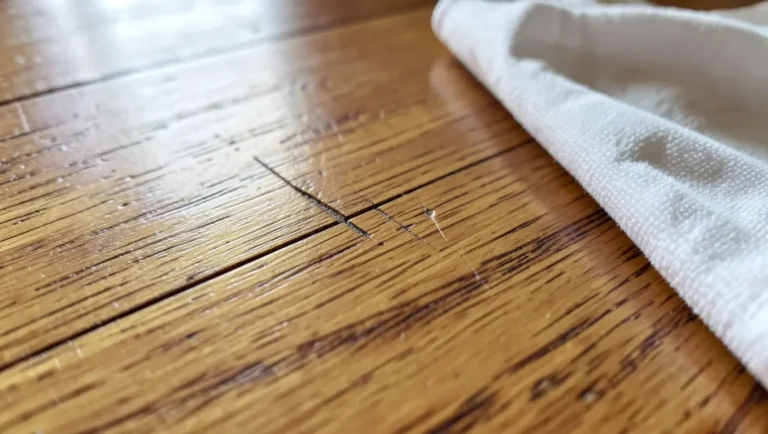
| Mineral spirits rag | Put several large drops on the floor, wait 2 to 3 minutes, wipe with a clean white cloth | Brown or yellow residue or a waxy feel: wax or oily cleaner |
| Water drop | Put two drops of water on the floor and wait about 10 minutes | White spots: the finish is probably wax |
| Ammonia drop | Put a large drop of a 1:1 water and ammonia mix on the floor for 5 to 10 minutes, with the room ventilated | The spot turns white: acrylic polish buildup |
| Abrasion patch | Hand-abrade a small hidden area with a 220-grit screen | If it strips finish from high spots and exposes raw wood or color, do not recoat |
The first and third tests come from Pete’s Hardwood Floors contamination tests; the water-drop and wax-balling checks are from the National Wood Flooring Association’s maintenance and recoating guidance; the abrasion patch is Bona’s integrity test for hand-scraped floors, and it is a cheap check on any floor. Here is what failing teaches: that same contractor warns that if the new coat crawls, fish-eyes or peels, you must sand everything down to bare wood, including the finish you were trying to keep.
Can You Screen And Recoat Engineered Hardwood Floors?
Yes. Engineered floors have a thin wood veneer (often 2-6mm) over a plywood core, but screening only abrades the finish, so there is no risk of sanding through the veneer as long as you use a fine screen and keep the machine moving. The one requirement is that the existing finish is still sound. If the veneer itself is already worn through or gouged, screening will not fix that.
Factory finishes need extra care. Contractors report that many original aluminum oxide finishes resist ordinary screening, which is why a bonding system such as Bona Prep exists for factory-finished floors (see the Bona Prep technical data sheet). If yours is a prefinished floor, read our notes on refinishing a prefinished hardwood floor first.
What Grit Screen Should You Use to Screen Hardwood Floors?
Search this question and you will see answers from 100 to 240, which looks like disagreement. It is not: each source is describing a different finish system and a different job. The table lists what each one actually says.
| Source | Grit | Where it applies |
|---|---|---|
| Mercer screen listing | 60 to 180 available, 120 sold here | Removing old finish or wax, between coats, restoring worn areas |
| Bona waterborne guide | 150-180 | Optional pass between the first and second topcoat, 12 hours or more after coat one |
| Contractor contamination fix | 180 | Buffing after scrubbing out wax or oily cleaner residue |
| Uptown Floors (rotary buffer) | 220 | Standard screening pass before a recoat |
| Bona Prep data sheet | 240 (Bona Diamond discs) | Abrading the floor after Bona Prep dries, before the new coat |
Coarser grit cuts through wear and light scratches faster but leaves a visible scratch pattern. Finer grit leaves a pattern that disappears under the new finish but does little for a heavily worn surface. Our rule of thumb, not a manufacturer rule: start at 120 to 150 on a dull, worn finish, go to 180 to 220 on a floor in good shape, and let the finish label overrule us. The Pete’s Hardwood Floors Bona application guide is a good example of how a finish maker states its grit.
Match the screen to the machine. Mercer’s 12 x 18 inch sheets fit square-buff sanders, and round buffers need round discs sized to the pad. At the time of writing a 10-pack of 120-grit Mercer sheets lists at $48.88, about $4.89 a sheet, and the maker describes them as washable and reusable.
Dust Control: The Step That Decides How the Finish Looks
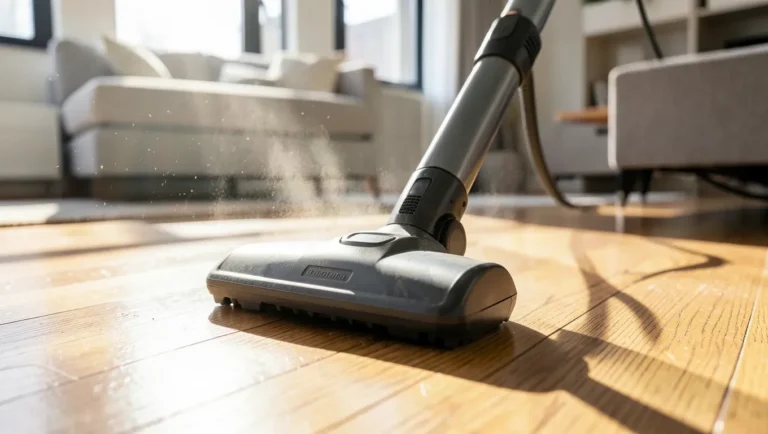
Screening turns the top of the old finish into fine dust, and every speck left behind gets locked under the new coat. Pros treat this as its own step. Uptown Floors describes closing doors and windows, switching off HVAC and ceiling fans, and attaching a vacuum with a dust skirt to the buffer so dust is captured as it is made.
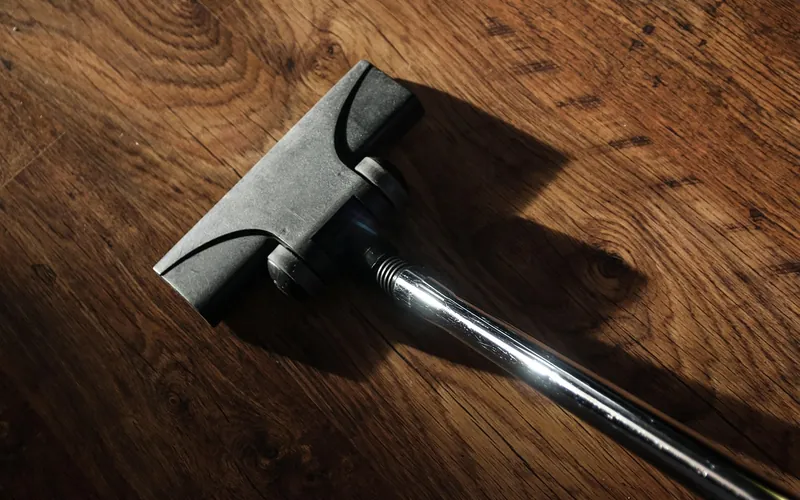
- Vacuum the field first, then edges, baseboard tops, window sills and door trim, which shed dust into the wet finish later.
- Wait until airborne dust settles, then vacuum a second time. This second pass is our own habit, not a manufacturer instruction.
- Wipe with a clean microfiber cloth. Use water for waterborne finishes, or whatever the finish label names for oil-based ones, and let the floor dry fully.
- Wear a respirator or dust mask rated for fine dust while you screen.
Step-by-Step: How to Screen a Hardwood Floor
- Prepare the room. Remove furniture, rugs and vent covers, and tape plastic over vents and doorways you cannot close.
- Run the four tests above, then clean the floor. If it is heavily soiled, our guide to cleaning very dirty wood floors covers the wash. Fix scuffs first with these scuff-removal methods.
- Check what screening cannot fix. Deep scratches, dents and paint splatters stay visible after a recoat.
- Fit the screen to the buffer, with the grit from the table above.
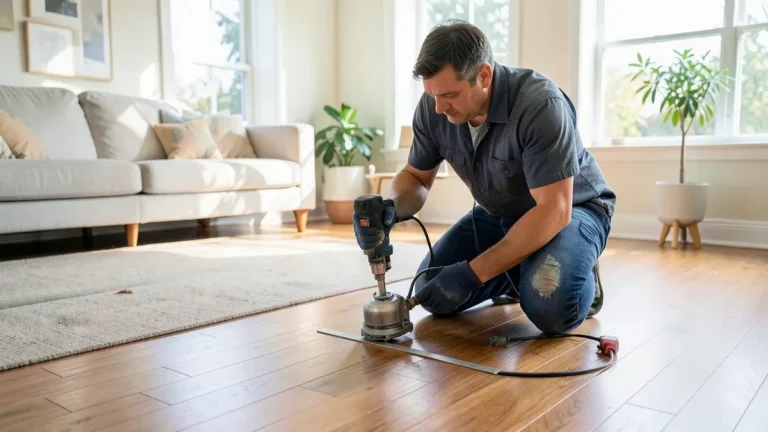
- Screen with the grain using overlapping passes and keep the machine moving; stopping in one spot cuts through the finish. Do corners and edges by hand with a pole or pad.
- Inspect at a low angle. Shine a work light across the floor; any glossy patch was missed and needs another pass.
- Remove dust using the vacuum, settle, vacuum and wipe routine above.
- Apply the finish in thin coats with the applicator the label names, working wet edge to wet edge and within the recoat window.
Recoat Windows and Wait Times (With Real Numbers)
Every finish has a recoat window: a minimum wait so the previous coat can take another, and a maximum after which the surface is no longer fresh enough to bond on its own. Most articles quote only the minimum. These figures come from Bona’s published waterborne system as laid out in Pete’s Hardwood Floors Bona application guide.
| Stage | Minimum | Maximum or rule |
|---|---|---|
| ClassicSeal to first Mega or Traffic coat | 3 to 4 hours | Up to 24 hours |
| Between Mega or Traffic coats | 4 hours | Up to 48 hours |
| Optional abrasion between coats | 12 hours after first coat | 150-180 grit screen |
| Foot traffic after the final coat | 24 hours | None given |
| Large area rugs | At least 2 weeks | None given |
| Room conditions | 65 to 70 F | 4 to 5 air exchanges per hour, windows open 3 inches or more |
Past a maximum, follow the can’s instructions. For most finishes that means a light abrasion before the next coat, which is our reading rather than Bona’s wording. Other finishes have different windows, and one product, Bona Traffic HD, has a catalyzed pot life of only four hours.
Safety: Ventilation, Fumes and Oily Rags
Bona’s own guidance calls for 4 to 5 air exchanges per hour and windows open at least 3 inches while the finish dries, so plan your airflow before you open the can. Keep people and pets out of the room, and treat oil-based finishes as the stronger-fume option compared with waterborne.
Oily rags are a separate hazard. Rags soaked with oil-based polyurethane, stain or varnish can heat up as the oil oxidizes and ignite on their own. One manufacturer’s label says to place rags and steel wool immediately into a sealed, water-filled metal container. Another widely given method is to lay rags flat outdoors on concrete until they dry hard. Never leave a crumpled pile in a bucket or trash can.
Troubleshooting a Screen-and-Recoat That Went Wrong
| Symptom | Likely cause | What to do |
|---|---|---|
| Finish crawls, beads or fish-eyes | Wax, silicone polish or oily cleaner left on the floor | Stop. Per the contractor source above, sand to bare wood and refinish |
| Peeling or flaking in sheets | Poor abrasion or contamination under the coat | Same fix: the bond failed, so the whole finish must come off |
| Specks and rough spots | Dust left on the floor or in the air | Once dry, screen lightly at 150-180 grit, vacuum, wipe and apply another coat |
| Bubbles | Heavy application or overworking the finish, a general finishing issue | Apply thinner coats and avoid going back over tacky areas |
| Scratch lines show through | Grit too coarse for the finish | Use a finer screen next time; an extra coat may soften the look |
What to Do Before or Instead of a Recoat
If the finish is intact and only dull, a maintenance polish is the lighter option; see how to use Bona hardwood floor polish and how to shine wood floors. Keep a record of what goes on the floor, because acrylic polish and wax are exactly the residues the tests above hunt for. If your floor fails the tests or is worn to bare wood, read how to sand and refinish wood floors, and check how many times a floor can be refinished or the no-sand refinishing options before you commit.
Frequently Asked Questions
How Often Should I Screen And Recoat Hardwood Floors?
Contractor guides commonly put it at every 3 to 5 years for a typical home, and sooner in high-traffic lanes. Let the finish decide, not the calendar: recoat when the surface looks dull or scuffed but the finish has not worn through to bare wood. Once raw wood shows, a recoat will not fix those spots.
What Materials Are Needed For Screening Hardwood Floors?
You need floor screens in the grit your finish calls for, sized to the buffer or pole sander you will use, plus a vacuum with a soft brush head, clean microfiber cloths, a finish applicator, the new finish, and a respirator rated for the dust and fumes. Plastic sheeting for vents and doorways helps contain dust.
Can I Screen And Recoat My Floors Myself?
Yes, for a small or medium room if you can rent a buffer and follow the finish label. The real DIY risks are skipping the wax and polish tests and leaving dust behind. A failed coat over contamination means sanding the whole floor to bare wood, which turns a weekend job into a refinish.
What Is The Difference Between Screening And Refinishing?
Screening abrades only the existing finish so a new coat can bond, and the wood is never exposed. Refinishing sands the floor down to bare wood and rebuilds the whole finish. Screen and recoat fixes dullness and light surface scratches, while refinishing is needed for deep scratches, stains in the wood, or worn-through finish.
How Long After Recoating Can I Put Furniture Back?
Bona publishes 24 hours before foot traffic and at least two weeks before large area rugs for its waterborne system. For furniture, follow your finish label’s cure time, lift pieces rather than dragging them, and fit felt pads. Oil-based and other finishes cure on their own schedules, so check the can.
Can You Screen And Recoat A Waxed Floor?
No, not reliably. The National Wood Flooring Association notes that wax can make a surface finish very difficult to recoat even after resanding, and new finish tends to crawl or peel over it. Run the mineral spirits and water-drop tests first, and plan on a full refinish if wax is confirmed.
Bottom Line
A good screen and recoat is mostly preparation: pass the wax and polish tests, pick the grit your finish names, remove every speck of dust, and stay inside the recoat window. Skip any one of those and the usual cost is a full sand to bare wood.
Sponsored / affiliate links. As an Amazon Associate I earn from qualifying purchases. I may earn additional commission from eligible campaigns.