What Wood Goes Gray With Age? Cedar, Teak & Softwoods
Any unfinished wood left outdoors will eventually turn silver-gray as UV light breaks down lignin in the surface fibers, leaving grayish cellulose behind — cedar, redwood, and teak are just the most common examples because they’re used unfinished so often. The change usually takes 6 months to 2 years depending on sun and rain exposure, and it’s purely cosmetic, not decay. This guide covers which woods gray fastest, the real UV/lignin science, and how to prevent or reverse it.
The Natural Aging Process Of Wood
Best UV-Blocking Wood Oil Pick
 |
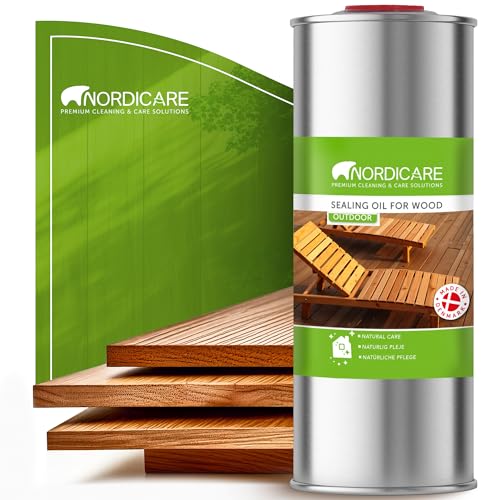
Messmer’s UV Plus Natural Wood Finish, 1 Gal – $84.95 A clear, natural-tone oil built specifically to block the UV rays that break down surface lignin — the exact mechanism this guide covers — so it restores and holds a wood’s original color instead of letting it gray.
|
As an Amazon Associate we earn from qualifying purchases.
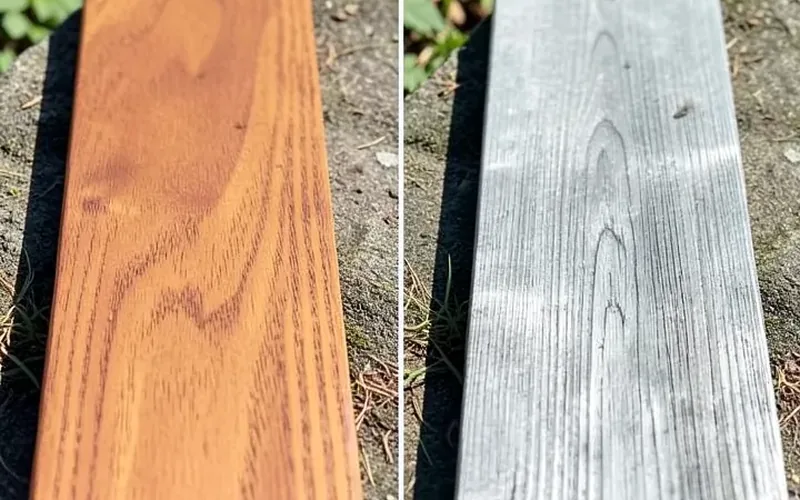
UV light is the main driver of wood graying — it breaks down lignin, the compound that gives wood its rigidity and yellowish-brown tone. As lignin degrades, it washes away with rain, leaving behind the naturally grey-toned cellulose fibers. Moisture adds to the effect: high humidity and rainfall speed up the breakdown and can encourage surface mold, which further alters color. Wood type matters too — softwoods like cedar generally grey faster than dense hardwoods, and staining or sealing slows the process by blocking UV before it reaches the wood fibers.
Popular Woods That Age Gracefully
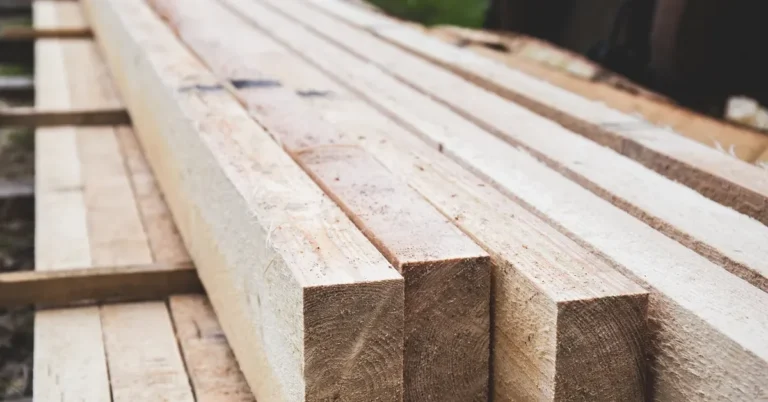
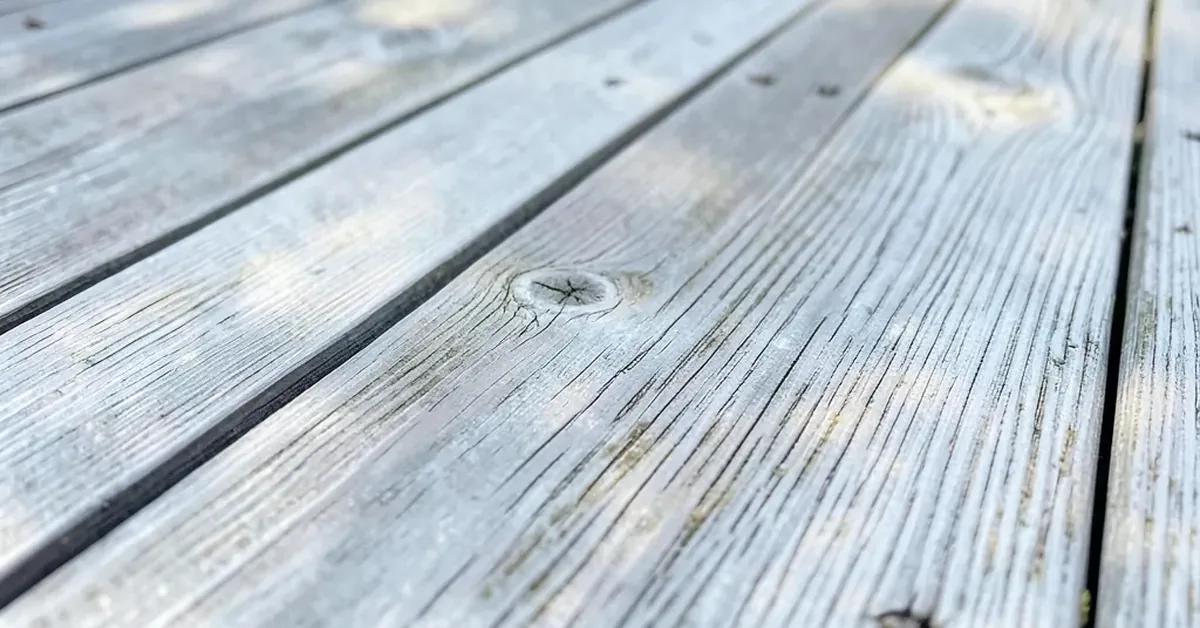
Cedar is a classic choice that develops a silvery-grey patina while resisting decay and insects on its own. Want to speed that process up on purpose instead of waiting? See our guide on how to make cedar look like old barn wood using a vinegar and steel wool wash.
Teak starts with a rich golden-brown hue and ages to a stunning silver-grey, but more slowly than cedar or redwood — its high natural oil content acts as a built-in UV barrier that slows lignin breakdown. Oak is strong and long-lasting, aging to a grey tone while its grain becomes more pronounced over time. If you’d rather force the greying process on redwood specifically, see our guide to turning redwood grey naturally.
The Science Behind Wood Graying
UV light breaks down the wood’s surface at a chemical level, and softwoods usually grey faster than hardwoods because they contain less natural protective resin. Moisture compounds the effect — high humidity can cause wood to swell, leading to cracking and splitting, and wood that dries out repeatedly after wetting also greys faster.
📊 Most unfinished wood grays within 6 months to 2 years outdoors, depending on sun and rain exposure — surfaces that get the most direct sun and rain weather fastest. Teak grays more slowly than cedar or redwood because its natural oils act as a built-in UV barrier that slows lignin breakdown. Source: Wood U Choose, Timber Colour Change with Weathering, 2026
Advantages Of Using Aged Wood In Design
Grey wood brings a natural, understated elegance that pairs well with many colors and styles, which is part of why designers favor it. It’s often a sustainable choice too, since aged and reclaimed wood reduces waste compared to new-cut material — see our guide on building a barn door out of reclaimed wood for a project that leans into that character. Each weathered piece also carries visible history that new lumber simply doesn’t have.
Preserving The Gray: Maintenance Tips
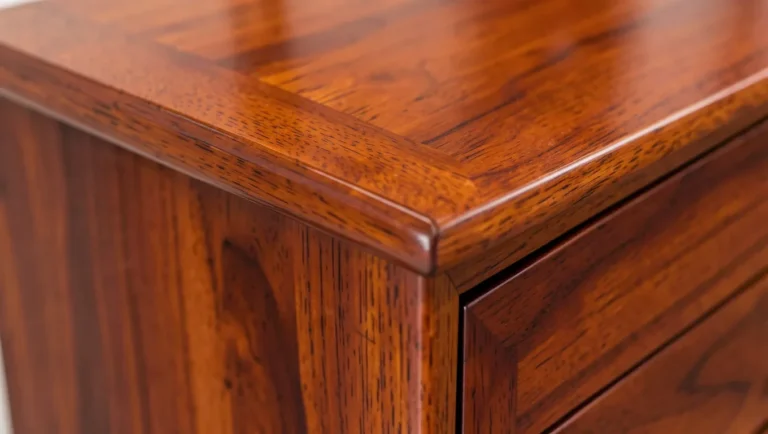
If you want to keep the grey look, occasional cleaning with mild soap and water removes surface dirt and mildew without stripping the patina — avoid harsh chemicals or pressure washing, which can gouge the softened surface fibers. If you’d rather restore the original color and prevent further greying, apply a UV-blocking oil (see our pick above) and plan to reapply roughly once a year, since the UV blockers themselves break down with sun exposure. Prefer an intentional light, whitewashed look instead of natural grey? See our wood whitewashing guide.
Incorporating Gray Wood Into Modern Decor
Gray wood works well in living rooms paired with bright cushions and rugs for contrast, and as sleek kitchen cabinetry alongside white countertops. Outdoors, it suits decks, fences, and garden furniture, blending naturally into the surrounding landscape rather than fighting it.
Where Gray Wood Shows Up Most
Coastal homes lean on grey wood siding and decking because it already resembles the weathered look salt air produces naturally, so the transition from new to aged is less jarring. Restaurants and cafes often choose reclaimed grey wood for accent walls and tabletops specifically because it reads as established rather than newly built. In both cases, the appeal is the same: grey wood signals age and durability without requiring decades to actually earn it.
Frequently Asked Questions
What wood turns grey over time?
Any unfinished wood exposed outdoors will eventually turn grey, but cedar, redwood, and teak are the most common examples since they’re often left unfinished. This natural process occurs due to UV exposure breaking down surface lignin, and the resulting grey color can enhance the wood’s rustic charm.
How can I prevent wood from turning grey?
Apply a UV-blocking oil or protective sealant before the wood starts to gray, and reapply roughly once a year. Regular maintenance, including cleaning and reapplying the finish, is crucial. Choose a product specifically formulated with UV blockers for outdoor wood to preserve the original color.
Is grey wood still durable?
Yes, grey wood can be structurally sound. The greying process is a surface-level cosmetic change, not decay, and does not significantly affect the wood’s structural integrity on its own. However, greyed wood with no finish is more exposed to moisture, so check for softness or rot separately from the color change.
What causes wood to turn grey?
Wood turns grey mainly due to UV exposure breaking down lignin, the component that gives wood its rigidity and brownish color. As lignin degrades, it washes away with rain, leaving the naturally grey-toned cellulose fibers behind. Moisture and rainfall speed up this process.
How long does it take for wood to turn grey?
Most unfinished wood grays within 6 months to 2 years outdoors, depending on how much direct sun and rain it gets. Surfaces with heavier sun and rain exposure grey the fastest; sheltered or shaded wood can take considerably longer.
Does teak resist graying better than cedar?
Yes. Teak contains high levels of natural oils that act as a built-in UV barrier, slowing the breakdown of lignin compared to cedar or redwood. That’s why unfinished teak furniture often takes noticeably longer to reach the same silver-grey patina.
Conclusion
Nearly any unfinished wood will grey outdoors as UV breaks down surface lignin, typically within 6 months to 2 years — cedar and redwood grey fastest, teak’s natural oils slow the process, and the change itself is cosmetic rather than structural. Whether you want to preserve the grey patina or restore the original color with a UV-blocking oil, knowing the real mechanism helps you choose the right wood and the right upkeep for your project.
Sponsored / affiliate links. As an Amazon Associate I earn from qualifying purchases. I may earn additional commission from eligible campaigns.