MDF Density Chart: Standard vs High-Density vs Ultralight
Standard MDF is often reported at about 600–800 kg/m³, high-density MDF/HDF at about 800–1,000 kg/m³, and ultralight MDF at about 500–650 kg/m³. Use standard MDF for general cabinet work, HDF for thin parts that need more stiffness, and ultralight MDF when keeping weight down matters most. Pick the wrong one, and you can get sag, brittle edges, or a panel that is far heavier than it needs to be. This guide compares density, weight, rigidity, machining, thickness, finish quality, and moisture limits for each panel type.
| Decision factor | Standard MDF | HDF | Ultralight MDF | Winner |
|---|---|---|---|---|
| Typical density | 600–800 kg/m³ | 800–1,000 kg/m³ | About 500–650 kg/m³ | Depends on the job |
| Weight for the same panel size | Middle | Heaviest | Lightest | Ultralight MDF |
| Rigidity and wear resistance | Good for general parts | Best of the three for thin parts | Lowest of the three | HDF |
| Machining and edge behavior | Clean, predictable cuts | Harder on cutters, denser edges | Easier to move and handle, but edges can be more fragile | Standard MDF |
| Best fit | Painted furniture, trim, shelving, cabinet components | Drawer bottoms, backers, thin panels | Large doors and weight-sensitive builds | Depends on use case |
What changes with density?


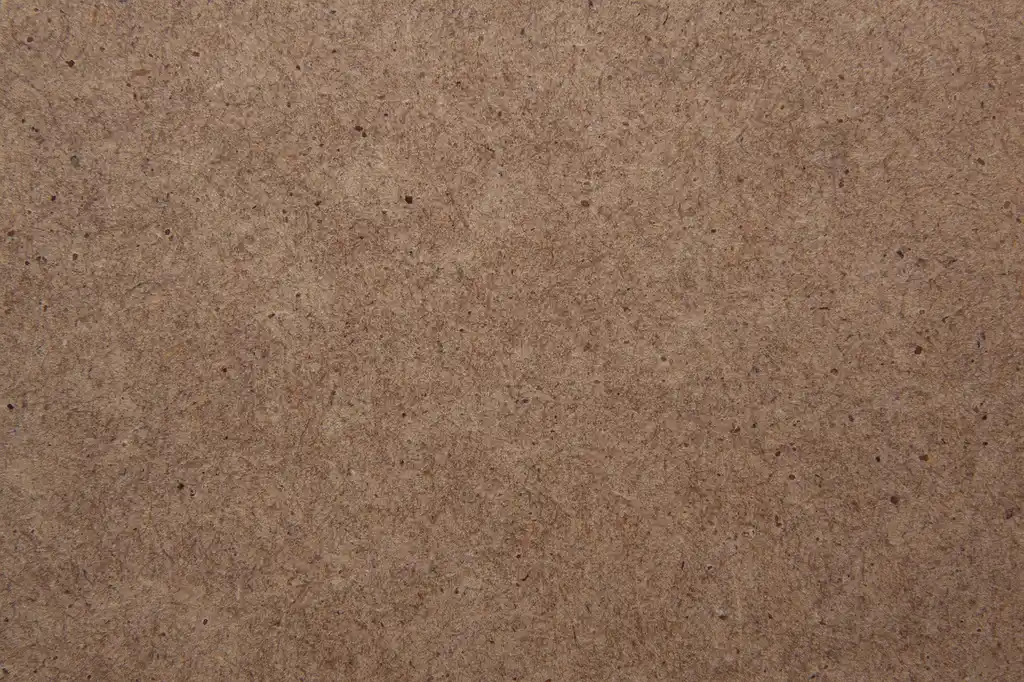
Density changes panel weight, stiffness, and how well edges survive routing, fastening, and handling. In MDF, higher density usually means more mass in the same size sheet and more resistance to flex in thin parts. Lower density cuts weight, which matters on large doors and wall-hung pieces.
Density in kg/m3 and what it means
Standard MDF is commonly listed around 600–800 kg/m³, while HDF is commonly listed around 800–1,000 kg/m³. Ultralight MDF sits below standard MDF, often at about 500–650 kg/m³. Those ranges matter because the same 3/4-inch sheet can behave very differently once it is hung, supported, or routed.
How density affects weight and rigidity
Higher density adds weight first, then stiffness. That can help a thin panel stay flatter, but it also makes a door heavier and puts more load on hinges, slides, and wall fasteners. Lower density trims weight, yet it gives up some edge toughness and sag resistance, especially on wide parts.
How density affects screw holding and sag resistance
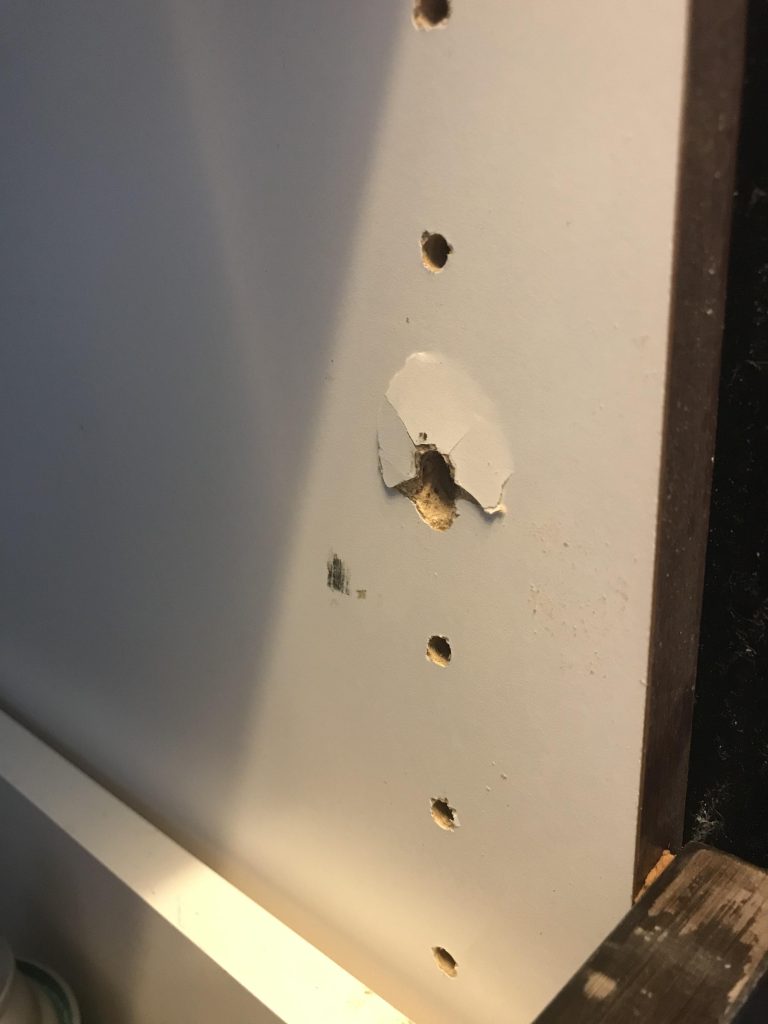
Denser MDF generally gives better screw purchase than lighter MDF, especially in edge zones and in thinner stock, but it is still not a substitute for proper joinery, pilot holes, or threaded inserts where the design calls for them. For shelves, density helps, but span and thickness still control sag more than density alone.
Say your cabinet door is 24 by 30 inches and has a large flat center panel. If the door is built from a heavier panel than needed, the hinge load rises with no real gain in finish quality. In that case, ultralight MDF can make the assembly easier to hang and less tiring to handle.
Which density fits which project?
The right density depends on the part, not just the sheet. For cabinet doors, drawer bottoms, shelving, and painted millwork, you are balancing weight, stiffness, edge durability, and the amount of machining the panel must survive. The same material can be a good fit in one spot and a poor fit in another.
Cabinet doors and large panels
Ultralight MDF is the strongest match when the panel area is large and weight is the main concern. It reduces door mass, which can help with hinge strain and day-to-day handling. Standard MDF is the safer all-purpose choice when the door needs more edge toughness and a familiar paint-ready surface.
Drawer bottoms and back panels
HDF is usually the best choice for thin drawer bottoms, cabinet backs, and other parts that need more stiffness from a thin sheet. Its higher density helps thin stock stay flatter and resist wear. Standard MDF can work for backs when thickness and support are sufficient, but HDF gives more margin in thin sections.
Shelving, painted furniture, and millwork
Standard MDF is the common middle ground for shelves, trim, and painted millwork because it cuts well, paints well, and comes in useful thicknesses. For built-ins or wall paneling, it gives a smooth, uniform surface with no knots or grain to telegraph through paint. Use HDF only where thinness and stiffness matter more than easy machining.
A common first-timer mistake is choosing a heavy-density panel for a wide painted door because it feels stronger. The door may end up harder on hinges and more awkward to align, while the finish looks no better than a lighter panel that was sized and supported correctly.
How does MDF density affect machining?
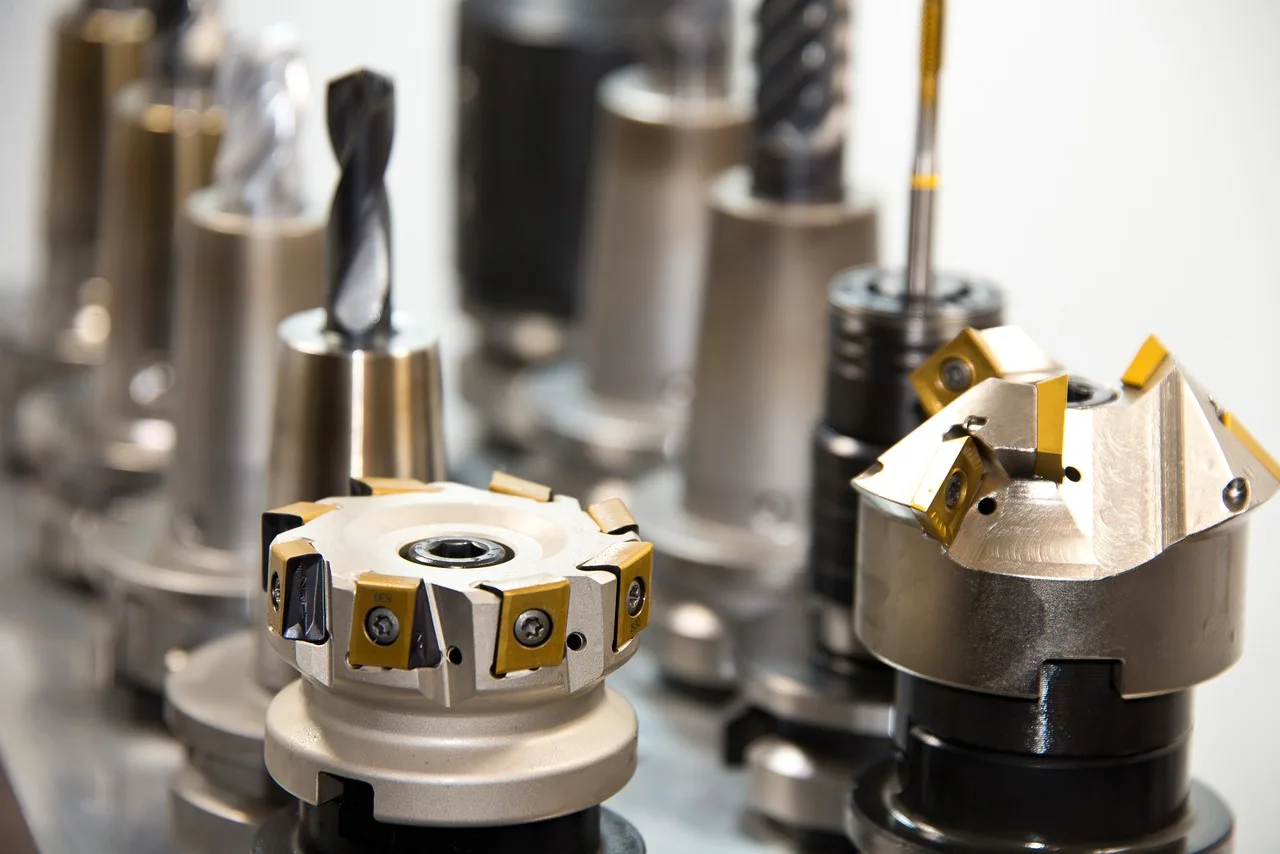
Density changes how a cutter bites, how clean a routed edge comes out, and how quickly the tool dulls. Standard MDF gives a good balance of clean machining and moderate wear. HDF can produce crisp thin parts, but it is harder on bits and blades. Ultralight MDF is easier to move, yet its edges can be more delicate.
Routing and edge quality
Standard MDF is usually the easiest of the three to route cleanly for edge profiles, grooves, and rabbets. HDF holds crisp edges on thin parts, but it asks more from the cutter and from dust collection. Ultralight MDF can machine smoothly, but fragile corners and edges need careful handling during assembly.
Cutting dust and tool wear
All MDF creates fine dust, so extraction and a proper respirator matter. Higher-density HDF generally loads cutters faster and can shorten bit life, especially on long runs or repeated profile cuts. Standard MDF sits in the middle. Ultralight MDF often cuts easily, but easier cutting does not fix weak support or poor fastening.
Sanding, paint prep, and edge sealing
MDF faces are already smooth, but cut edges are open and thirsty. That is why edge sealing matters more than raw faces when the part may see handling or paint buildup. Seal edges before primer or topcoat, and expect HDF edges to be especially dense and standard MDF edges to absorb more finish if left raw.
Thickness and panel type
Thickness changes what the panel can do as much as density does. A denser sheet in a thin format may be better for drawer parts, while a moderate-density sheet in a thicker format may be better for doors, case sides, or trim. Do not pick density alone and ignore thickness.
Standard MDF thickness range
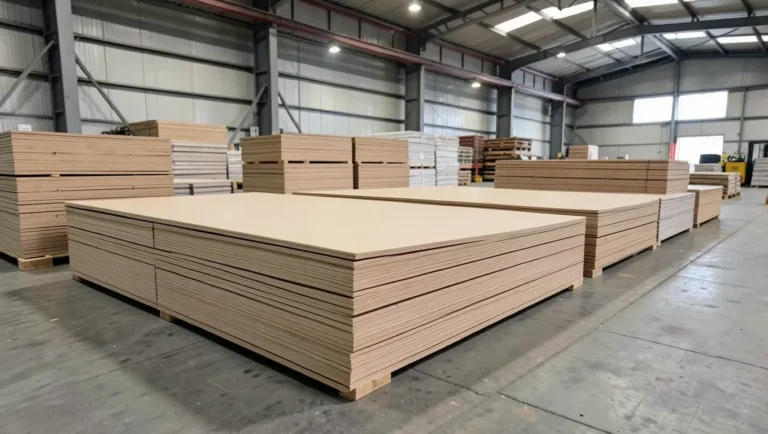
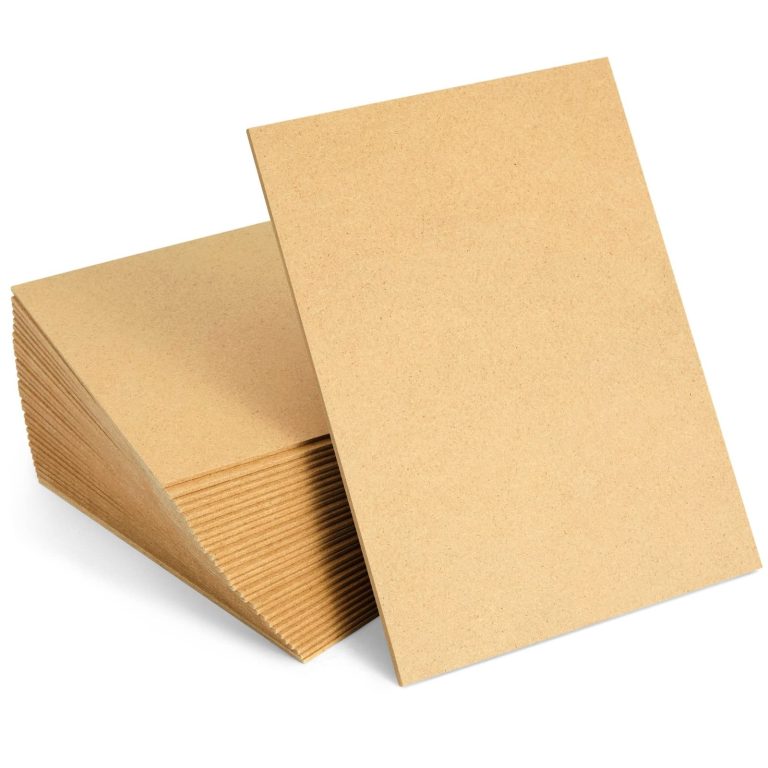
Standard MDF is available in 1/8-inch, 1/2-inch, and 3/4-inch thicknesses. It is also sold in full 4-by-8-foot sheets. Those sizes make it practical for casework, trim, shelving, and wall paneling where you need broad coverage and predictable machining.
HDF thickness range
HDF is commonly used in thinner stock than standard MDF, which is why it works well for backs, drawer bottoms, and other thin parts. Competitor comparisons often place MDF thickness at 4 to 30 mm, but HDF is usually chosen on the thinner end of that range because density already gives it more body.
Why thickness changes the job it can do
Thickness controls span and stiffness, while density changes mass and edge behavior. A thicker standard MDF shelf can carry more than a thin HDF skin, but a thin HDF back may be the better choice where you want stiffness without much bulk. Use both numbers together, not one alone.
Can you use MDF indoors safely?
MDF can be used indoors when it is properly certified and finished, but it is not a material for high humidity, direct moisture, or outdoor exposure. Standard MDF is intended for interior use only and is not moisture resistant. Sealed edges help, but they do not turn it into a wet-area panel.
E1, E0, and E0.5 emission classes
Formaldehyde emission classes matter most when the panel will stay in living spaces, bedrooms, or children’s furniture. E1 is a common low-emission class, E0 is lower still, and E0.5 is the tighter target to look for in children’s furniture where available. Finished surfaces do not replace certification.
How to check certificates and labels
Look for the emission class on the product label, technical sheet, or certificate from the supplier. Check that the rating matches the exact board you are buying, not a general product family claim. If a panel will be used in furniture for children, ask for E0.5 where it is available and documented.
Interior use limits and moisture exposure
Standard MDF should not be used where it is exposed to high humidity, direct moisture, or outdoor conditions. A sealed edge can slow absorption, but it does not remove the material’s moisture limits. If the design sits near sinks, unvented baths, or damp walls, choose another substrate or a product approved by the manufacturer for that environment.
Choose standard MDF or HDF
Choose standard MDF if you need a smooth, paint-ready panel for general interior cabinetry, trim, or furniture parts and want an easier balance of cost, machining, and handling. Choose HDF if the part is thin, must stay flat, or needs extra density in a small cross-section. Choose ultralight MDF when weight is the main constraint and the design can accept less stiffness.
Choose standard MDF if…
Pick standard MDF when you need cabinet components, shelving, trim, wall paneling, or furniture parts that will be painted, laminated, or veneered. It fits well when you want a uniform surface and familiar shop behavior. It is also the practical middle choice for many interior builds.
Choose HDF if…
Pick HDF for drawer bottoms, back panels, thin wear parts, and other pieces where extra density helps stiffness in a slim section. It is a better fit when the part must stay flat and the added weight is acceptable. It is less appealing when you need fast, easy routing over long edges.
Choose ultralight MDF if…
Pick ultralight MDF for large cabinet doors, oversized painted panels, and other weight-sensitive parts where reducing mass matters more than maximum stiffness. It can also help when a wall-mounted part needs less dead load. Give the design enough support, because low weight does not erase the need for proper thickness and fastening.
Frequently asked questions
What is the density of standard MDF?
Standard MDF is usually 600–800 kg/m³. That range is a practical middle ground for painted furniture, trim, shelving, and cabinet parts. It is dense enough to machine cleanly and take finish well, but not so heavy that every panel becomes awkward to handle or hang.
How dense is high-density MDF?
High-density MDF, often sold as HDF, is commonly 800–1,000 kg/m³. That higher range is useful for thin panels, drawer bottoms, and backers where extra stiffness matters. The trade-off is more weight and more tool wear during routing, sawing, and edge shaping.
What is ultralight MDF used for?
Ultralight MDF is used where panel weight matters more than maximum stiffness. Large cabinet doors are a common fit, as are oversized painted parts and other panels that would be awkward if made from standard MDF. It is a handling choice as much as a performance choice.
Is higher-density MDF stronger than standard MDF?
In practical use, higher-density MDF is often stronger in thin sections and may resist wear better at the edge. That does not make it the best choice everywhere. It also adds weight and can be harder on cutters, so the part and thickness still decide the better option.
How does MDF density affect routing and machining?
Higher density usually means cleaner thin-part edges but more tool wear and more cutting resistance. Standard MDF is often the easiest balance for routing grooves, profiles, and rabbets. Ultralight MDF is easier to move and handle, yet the edges may need more care during machining and assembly.
Can ultralight MDF be used for painted furniture?
Yes, ultralight MDF can be used for painted furniture when the design is sized for its lower weight and lower stiffness. It is a good fit for large doors and panels that would otherwise be too heavy. Seal edges well, and do not rely on it where high stiffness is required.
Sponsored / affiliate links. As an Amazon Associate I earn from qualifying purchases. I may earn additional commission from eligible campaigns.