How Much Does Custom MDF Furniture Cost?
Custom MDF furniture often costs about $250 to $600 per linear foot for painted built-ins, with simple pieces lower and complex wardrobes or media units higher. A quote is usually fair only when it separates materials, labor, finishing, hardware, and installation. Weak quotes can hide high labor, light-duty hardware, or finish changes that push the total up later. This guide breaks down each price component so you can compare custom MDF quotes line by line.
Typical cost range
For painted custom MDF furniture, a practical benchmark is about $250 to $600 per linear foot for many built-ins, with simpler shelving toward the low end and drawer-heavy or fully fitted pieces toward the high end. The total changes fast once you add finishing, hardware, waste, and installation.
A quote should tell you what is being priced: the MDF carcass, the cut list, edging, assembly, finish, hardware, and site fitting. Without that split, two prices can look close while one hides thin edge treatment or weak hardware.
What a finished quote usually includes
A complete custom quote normally covers the board material, machining or cutting, edge banding, assembly, primer and paint, hardware, delivery, and installation. If the piece is going into an older home, the fitter may also price scribing, shimming, and filler pieces to deal with uneven walls.
Custom furniture pricing comes down to materials and craftsmanship. That means the same cabinet outline can cost very different amounts depending on how many drawer boxes, doors, shelves, and finish steps are included.
Why the same piece can vary by hundreds or thousands
Size matters, but layout matters just as much. Two 8-foot units can differ sharply if one has open shelving and the other has six drawers, inset doors, soft-close slides, and a sprayed enamel finish.
Picture a 10-foot media wall with two base cabinets and open shelves. If the quote adds cable cutouts, face frames, adjustable shelves, and finish work on all exposed faces, the labor can rise faster than the sheet-goods cost.
What drives custom MDF pricing?

Custom MDF pricing rises with size, complexity, hardware count, finish quality, and site conditions. A simple painted cabinet is one thing; a built-in with many drawers, fitted fillers, and tight tolerances is another. Those extra steps take time, and time is usually where the quote grows.
Size and layout
Larger pieces use more sheet goods and more shop time, but layout often matters more than raw area. A wide wardrobe with plain doors may cost less to build than a smaller unit with many short drawer fronts, openings, and trim details.
Closet and wardrobe built-ins are often quoted by the linear foot. That works best when the design is straightforward, but drawer count strongly changes labor and hardware cost.
Drawer count, doors, and internal fittings
Every drawer adds slides, boxes, fronts, adjustment time, and fitting labor. A drawer slide is estimated at $15 to $40 per slide, and a full soft-close hardware package can add $400 to $1,200. Specialty fittings such as pull-outs and hampers add even more labor.
Suppose a vanity has four drawers instead of two. The slide cost alone rises, but the bigger change is the extra build time, fitting, and finish work on more fronts.
Finish quality and labor time
Painted finishes need primer, filling, sanding, and multiple coats. Clear or natural finishes add sealing and topcoat work, though they are less common on MDF. Spray finishing is usually faster than brushing, but the prep still has to be done well.
Painted MDF is described as the most affordable substrate, but the finish is not free. The labor for smooth edges, sealed faces, and a durable topcoat can make up a large part of the quote.
Installation conditions
Out-of-plumb walls, uneven floors, and irregular rooms add fitting time. Installers may need to scribe panels to the wall, shim bases, and build filler strips so the unit looks built-in and functions properly.
Older homes often need more of this kind of correction. That does not mean the quote is padded by default; it means the fitter is pricing the extra site work needed to make the piece sit correctly.
MDF furniture cost stack
The cleanest way to judge a quote is to separate the raw board cost from the finished furniture cost. MDF itself is only one part of the job. Cutting, edge treatment, primer, paint, hardware, waste, and installation often add more than the sheets.
Sheet goods and waste allowance
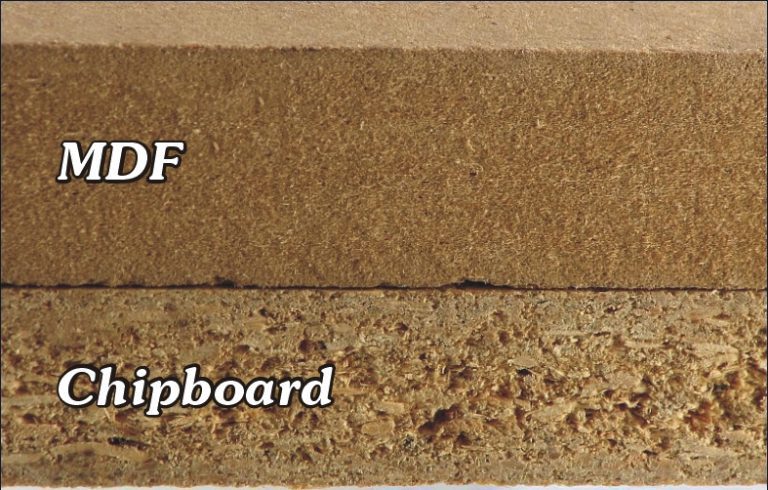
How much is MDF board? As a material, MDF is usually priced lower than plywood and far below solid wood. Mass-produced furniture may use MDF topped with thin veneer, and that veneer is described as less than 1/16 inch thick.
A fair quote should show a waste allowance. Offcuts, saw kerf, pattern nesting, and sheet defects all affect how much usable material remains. If the price line says only “materials,” ask for the sheet count and waste percentage behind it.
CNC cutting or careful panel cutting takes shop time, and edge banding adds another step. MDF edges need sealing or banding because raw edges absorb finish and can swell if left exposed. Chipped corners are also a common failure point when handling is rough
For painted work, edge prep is part of the real cost. A cabinet can look simple on paper and still need a lot of attention at every exposed edge.
Assembly and fastening
Assembly includes squaring the carcass, fastening parts, and checking alignment. MDF holds fasteners well enough for many furniture uses, but it is less forgiving than solid wood when screws are overdriven or repeated assembly is expected. That is one reason careful joinery matters.
If a quote is unusually low, ask whether the builder is using cabinet-grade construction methods or just basic fastening with little finishing detail. The difference usually shows up later in gaps, edge wear, and loose hardware.
Primer, paint, and sanding
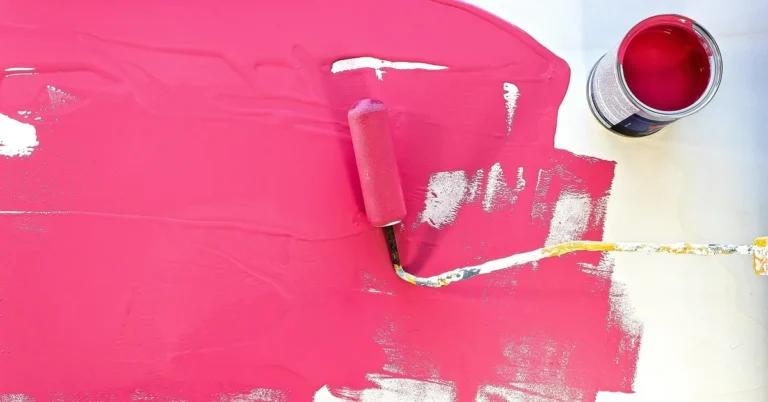
Primer, sanding, and paint are major cost drivers in MDF furniture because the surface must be sealed and smoothed before the final coat. Spray finishes usually speed production, while brushed finishes can increase labor time and may show more texture on large flat panels.
Does painted MDF save money on built-ins? Often yes, compared with painted solid wood, because the substrate is lower cost and more uniform. But the savings can shrink if the piece has a difficult finish spec or many exposed edges that need careful sealing.
Hardware and installation
Hardware covers drawer slides, hinges, pulls, soft-close parts, shelf pins, and specialty fittings. Installed hardware is not a small line item on drawer-heavy furniture. Installation then adds delivery, leveling, anchoring, and the extra time needed to fit the piece into the room.
| Line item | Typical cost share in a finished quote | Fair-quote check |
|---|---|---|
| MDF sheets | 10% to 20% | Should rise with size, thickness, and waste |
| Edge banding and edge sealing | 5% to 12% | Should be higher on painted pieces with exposed edges |
| CNC or cut labor | 10% to 18% | Should increase with cutouts, curves, and repeated parts |
| Assembly and fastening | 12% to 20% | Should reflect carcass complexity and drawer count |
| Primer and paint | 15% to 25% | Should be higher for smooth sprayed finishes and more coats |
| Hardware | 10% to 20% | Drawer-heavy pieces should show slide and hinge counts |
| Waste allowance | 5% to 10% | Should be stated, not hidden in a lump sum |
| Installation | 10% to 20% | Should rise with scribing, shimming, and site repairs |
Is MDF cheaper than wood?
MDF is usually cheaper than plywood and solid wood on material cost alone. The better value depends on where the piece will live, how much abuse it will see, and whether the finish is painted or left natural. MDF is often the better value for smooth painted furniture.
MDF versus plywood
Plywood is usually the stronger alternative when screw holding, moisture resistance, or impact resistance matter more than a perfectly smooth painted surface. MDF is easier to machine cleanly and paint smoothly, which can lower finishing headaches on flat-faced furniture.
If the unit may see damp conditions or hard use, plywood can be better value even if the material line is higher. The lower repair risk can matter more than the first quote.
MDF versus solid wood
Solid wood is the premium option and usually carries a higher price for both material and finishing. It also moves more with seasonal humidity, which can complicate joinery. Painted MDF avoids grain telegraphing and gives a very uniform finish on large flat panels.
When the goal is a painted wardrobe, vanity, or media wall, MDF often delivers the desired look with less material cost than solid wood. When the piece needs visible wood grain or maximum repairability, solid wood may justify the higher spend.
When MDF is the better value
MDF is usually the better value for painted built-ins, cabinet faces, and other projects where flatness and finish quality matter more than impact resistance. It is less attractive for wet areas, high-abuse edges, or furniture that will be reassembled often.
How much do common MDF projects cost?
Project type changes the price more than many homeowners expect. A wardrobe, vanity, shelving run, and media unit all use MDF, but the labor and hardware mix are different. That is why a lineal-foot quote can be helpful, yet still needs a project-specific check.
Wardrobes and closet built-ins
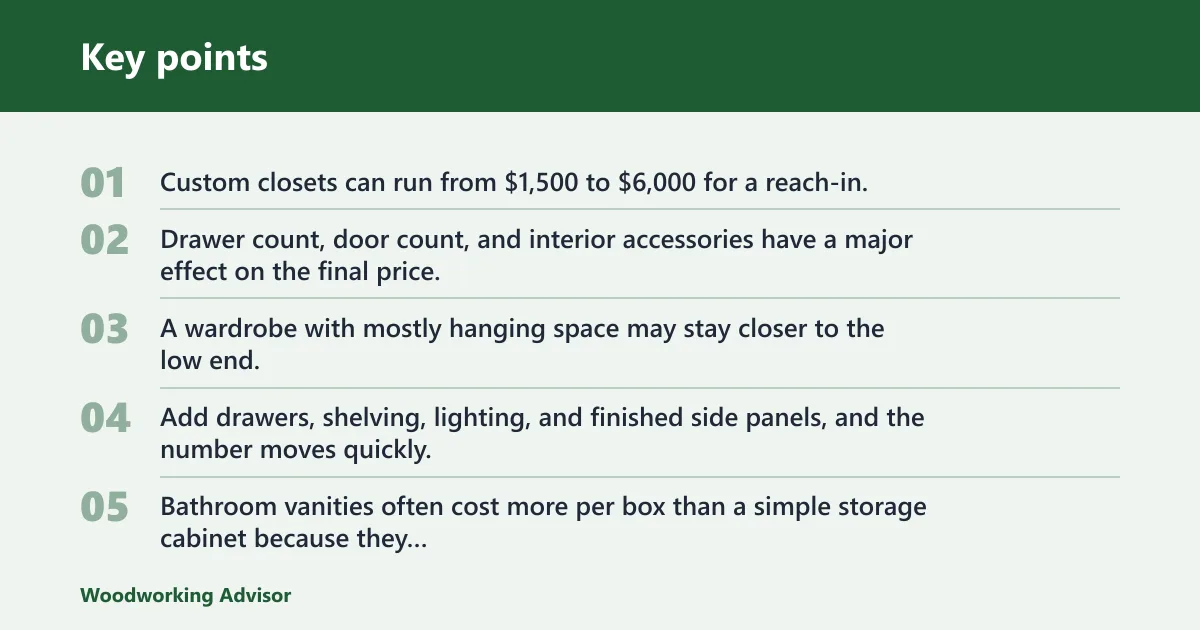
Custom closets can run from $1,500 to $6,000 for a reach-in, while small walk-in closets are shown at $5,000 to $10,000 installed and large walk-in closets at $12,000 to $25,000+ installed. Drawer count, door count, and interior accessories have a major effect on the final price.
A wardrobe with mostly hanging space may stay closer to the low end. Add drawers, shelving, lighting, and finished side panels, and the number moves quickly.
Vanities and bathroom storage
Bathroom vanities often cost more per box than a simple storage cabinet because they need careful fit, moisture-aware detailing, and more finishing around plumbing cutouts. Painted MDF can work well here if the edges are sealed and the room is dry enough for the finish system.
Media units and TV walls
Media units often sit in the middle of the price range because they combine open shelving, base storage, cable management, and visible finish surfaces. The more cutouts, face frames, and custom depth changes you add, the more labor the quote should show.
Shelving and bookcases
Wall-hung custom shelving typically runs $150 to $500 per linear foot installed. Fully built-in units with drawers and face frames run $300 to $900 per linear foot. The gap reflects extra material, finish work, and installation time.
Those ranges are useful as a sanity check. If a quote for a simple painted bookshelf is far above the installed range, the builder should be able to explain why.
Does painted MDF save money?
Painted MDF often saves money on built-ins because the substrate is lower cost and the surface is uniform. The savings are not automatic, though. Good paint work still needs sealing, sanding, primer, and enough labor to make the edges and joints look clean.
Why painted MDF still needs real prep work
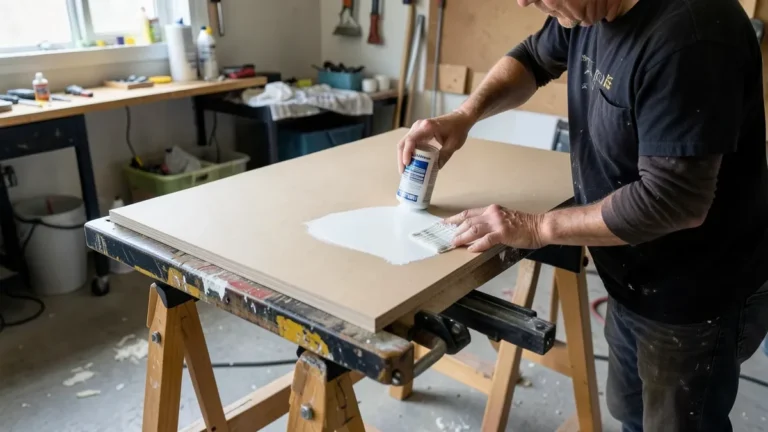
MDF absorbs finish at the edges, so exposed cuts need sealing before paint. That prep helps avoid fuzzy edges, blotching, and swelling. If a quote skips those steps, the price may look attractive but the finish can fail early.
A common first-timer mistake is comparing a painted MDF quote to an unfinished cabinet price. Those are not the same product, so the lower number can be misleading.
When spray finishing changes labor cost
Spray finishing can reduce time compared with brushing, especially on large flat panels. It does not remove the need for sanding or primer. It mainly changes how quickly the topcoat can be applied and how smooth the final appearance can be.
Where paint can add or reduce total spend
Paint can reduce cost when it lets you use MDF instead of a more expensive visible wood species. It can also add cost when the design has many parts to fill, sand, and coat. The price swing comes from labor, not just the can of paint.
How to judge a fair quote
A fair quote is one that lets you see the cost stack, compare the same scope across bidders, and spot missing details. If a builder prices only a total, you cannot tell whether the quote is lean or padded. The safest comparison is line by line.
Checklist for comparing line items
- Confirm the sheet goods: MDF thickness, grade, and how many sheets are included.
- Check whether edge banding or edge sealing is priced separately.
- Count drawers, doors, shelves, and other internal fittings.
- Look for slide, hinge, and soft-close hardware quantities.
- Verify primer, sanding, and paint coats are included.
- Ask whether waste allowance is already built into the materials line.
- Ask how installation handles out-of-plumb walls, shimming, and filler pieces.
Questions to ask before you accept a price
Ask what is excluded, not only what is included. Delivery, wall anchoring, touch-up work, electrical cutouts, and trim repairs are common omission points. If the quote assumes perfect walls, the final bill can rise once fitters arrive.
Signs a quote may be padded
Watch for vague “shop time” lines with no breakdown, oversized allowances for hardware without a drawer count, and finish charges that do not match the scope. Also watch for doubled margins on materials and labor without any explanation of the build method.
Custom MDF furniture quote checklist
This checklist is meant to help you compare contractor quotes against the same structure. Use it to see whether the estimate covers the real job, from sheet goods through installation. The best quotes are specific enough to audit, not just accept.
| Line item | Example quantity | Example cost | Fair-quote comparison for wardrobe | Fair-quote comparison for vanity | Fair-quote comparison for media unit |
|---|---|---|---|---|---|
| MDF sheets | 4 sheets | $180 to $360 | Usually mid-range | Usually low to mid-range | Usually mid-range |
| Edge banding / sealing | Full exposed perimeter | $75 to $200 | Higher if many doors | Moderate | Higher on visible faces |
| CNC / cut labor | Carcass + fronts | $200 to $500 | Higher with tall units | Moderate | Moderate to high |
| Assembly and fastening | 1 unit | $250 to $700 | High if drawer-heavy | Moderate | Moderate |
| Primer and paint | Two to three coats | $300 to $900 | High on full-height doors | Moderate | High on many visible panels |
| Hardware | Slides, hinges, pulls | $120 to $600+ | High if drawers are included | Moderate | Moderate to high |
| Waste allowance | 5% to 10% | Often bundled | Should be stated | Should be stated | Should be stated |
| Installation | 1 site visit | $250 to $1,000+ | High if built-in and scribed | Lower unless plumbing is tight | Moderate to high |
Use the table as a sanity check, not a quote generator. If a bidder is far outside these bands, ask exactly which step is driving the difference.
Frequently asked questions
How much does MDF cost?
MDF board is usually a lower-cost sheet material than plywood or solid wood. The board itself is only part of the final price, though, because cutting, edging, finishing, and installation can cost more than the raw panels on a custom furniture job.
How much is MDF board?
The cost of MDF board depends on thickness, grade, and sheet size, but the material is generally budget-friendly compared with many furniture substrates. For a custom build, the quote should state how many sheets are used and whether waste is already included.
What affects custom MDF furniture cost
Size, drawer count, doors, hardware, finish quality, and installation conditions are the main drivers. A simple unit with few openings costs less than a fitted wardrobe with many drawers, soft-close parts, sprayed paint, and wall scribing.
How much does custom furniture cost?
Custom furniture pricing comes down to materials and craftsmanship, so the spread is wide. Simple pieces can be modest, while built-ins, wardrobes, and drawer-heavy units rise quickly because each added feature increases labor, hardware, and finishing time.
How much does it cost to have custom wood furniture made — side and end tables and nightstands?
For small custom wood furniture like side tables, end tables, and nightstands, a common benchmark is $1,200 to $2,500, depending on material choice, joinery, finish quality, and whether the piece includes drawers. A painted MDF version may cost less than solid wood if the design is simple.
Sponsored / affiliate links. As an Amazon Associate I earn from qualifying purchases. I may earn additional commission from eligible campaigns.