How to Make Wood Flat Without a Planer: DIY Mastery
To make wood flat without a planer, use a hand plane or a belt sander. You can also employ the flattening technique with a router and a straightedge.
Flat wood is essential for many woodworking projects. Achieving a smooth, even surface can seem daunting without a planer. Fortunately, several effective methods exist. Hand tools and power tools can help you flatten boards quickly and efficiently. This guide explores practical techniques that don’t require specialized equipment.
Whether you’re a seasoned woodworker or a beginner, you can achieve flat surfaces with some skill and patience. Understanding these methods will enhance your woodworking experience, allowing for better results in your projects. Get ready to transform uneven boards into flat, usable materials with ease!
The Importance Of Flat Wood In DIY Projects
The importance of flat wood cannot be overstated in DIY projects. Flat wood ensures better joints and a smoother finish. Uneven wood can cause many problems, leading to frustration.
Common issues with uneven wood include:
- Warping: Wood that bends or twists, making it hard to work with.
- Gaps: Uneven surfaces create spaces in joints, causing weakness.
- Difficulty: Cutting or assembling becomes harder with irregular pieces.
- Finish Problems: Stains or paints may not apply evenly on rough surfaces.
Using flat wood enhances the overall quality of your project. Aim for the best results by ensuring your wood is flat.
Alternatives To Using A Planer
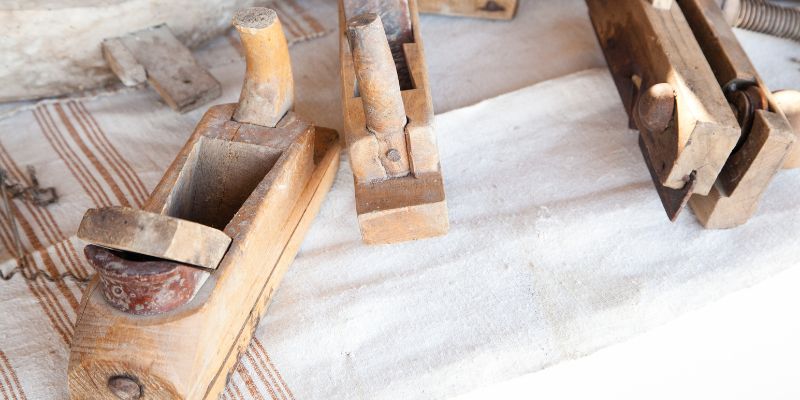
Using hand tools can effectively flatten wood. A hand plane is a great option. It helps to remove small amounts of wood. A chisel can also be useful for fine adjustments. Scrapers are perfect for smoothing surfaces.
Techniques like cross-hatching can help achieve a flat surface. Start by marking high spots. Work slowly and check your progress often. Sanding is another method for achieving flatness.
For those who prefer power tools, a router can be effective. Use a straight edge as a guide. A jigsaw can also help with rough cuts. Just be careful for accuracy.
Investing in a sander can save time and effort. Make sure to use the right grit for your project. Choose tools based on your comfort and skill level.
Preparation Steps For Flattening Wood
Choosing the right wood is very important for flattening. Look for hardwood types like oak or maple. They are strong and stable.
Check for defects in the wood. Avoid pieces with large knots or cracks. These can make the flattening harder.
Before starting, gather your tools. You will need a saw, a sander, and a straightedge. Use a clamp to hold the wood steady.
Always wear safety goggles and a dust mask. Protect your eyes and lungs from dust. Use gloves to keep your hands safe.
Manual Flattening With Hand Tools
Using a hand scraper is an effective method to flatten wood. This tool removes small amounts of wood quickly. Start by holding the scraper at a slight angle. Apply firm pressure while pushing it across the surface. Move in long, smooth strokes for the best results.
Check the flatness frequently. Use a straightedge to see where the wood is uneven. Keep scraping until the surface feels even and smooth.
The art of sanding can also help achieve a flat surface. Begin with coarse sandpaper to remove rough spots. Gradually switch to finer sandpaper for a smooth finish. Sand in the direction of the wood grain to avoid scratches. Regularly check for flatness as you work.

Using A Router Sled For Precision
Building a router sled is a great way to make wood flat. Start with a flat board as a base. Attach rails on each side for stability. The sled needs a router mounted securely on top. Ensure the router bit is sharp for clean cuts.
For the routing process, first, set the wood on the sled. Adjust the height of the router bit to just touch the wood. Turn on the router and move it slowly across the surface. Keep the sled steady to avoid uneven cuts.
Repeat this process until the entire surface is flat. Check the wood frequently for flatness. Adjust the sled as needed for best results. This method is easy and effective for flatting wood without a planer.
Flattening With A Belt Sander
Choosing the right grit is essential for effective sanding. Start with a coarser grit, like 80 or 120, to remove bumps. Progress to finer grits, such as 180 or 220, for a smooth finish.
To ensure even sanding, always move the sander in a consistent direction. Use a straight edge to check flatness regularly. Sand along the grain of the wood to avoid scratches. Keep the sander moving to prevent burning the wood.
For best results, apply light pressure. Let the sander’s weight do the work. This technique helps achieve a flat surface without gouging the wood.
Jigs And Guides For Consistent Results
Making your own jigs can help achieve better results when flattening wood. A jig holds the wood steady while you work. This prevents mistakes and ensures a flat surface.
Use simple materials like plywood and clamps to create a jig. Measure carefully to ensure it fits your wood perfectly. A well-made jig makes the process easier and faster.
Guides can also improve accuracy. They help you keep your tools aligned while working. This is important for achieving a smooth, even finish.
Consider using a straight edge or a router guide. These tools can help maintain a consistent depth. This leads to a better flat surface on your wood pieces.
Finishing Touches For A Professional Look
Sealing wood is essential for a smooth finish. Use a quality wood sealer to protect it. Apply the sealer evenly with a brush or cloth. Let it dry completely before adding more coats. This helps to achieve a professional look.
Protecting wood also involves using a topcoat. Choose a polyurethane or lacquer for extra durability. Apply it in thin layers for the best results. Wait for each layer to dry before applying the next one.
Common flattening problems can arise from uneven surfaces. Check for high spots and low spots. Use a hand plane or sandpaper to fix these areas. Always work slowly and check your progress often.
Keep your tools clean for the best results. A dirty tool can create more issues. Lastly, be patient and take your time for a great finish.

Tips And Tricks From Woodworking Experts
Learning from mistakes is essential in woodworking. Every error teaches valuable lessons. Take your time to assess each project. Understand what went wrong to improve.
For challenging projects, consider these advanced techniques:
- Hand Planing: Use a hand plane for small adjustments.
- Scraping: A scraper can smooth rough surfaces.
- Jointing: Joint edges before gluing for a better fit.
- Sandpaper: Use various grits to achieve a flat surface.
Practice these methods often. Each technique enhances your skills.
Maintaining Flatness Over Time
Storing wood properly helps maintain its flatness. Keep wood in a dry area. Avoid damp places that can cause warping. Use shelves or racks to store wood flat. This prevents bending and twisting.
Environmental changes affect wood. Temperature and humidity can cause it to expand or contract. Choose a stable location for storage. Cover wood to protect it from moisture and dust. Regularly check for signs of warping. Make adjustments as needed to keep wood flat.
Frequently Asked Questions
How Can I Flatten Wood Without A Planer?
You can flatten wood using a hand plane, a belt sander, or a router with a flattening jig. Start by marking high spots on the wood. Then, gradually remove material from those areas until the surface is even. This method requires patience but yields great results.
What Tools Do I Need To Flatten Wood Manually?
To flatten wood manually, you’ll need a hand plane, a straight edge, and sandpaper. A chisel might be useful for minor adjustments. A level can help ensure the surface is even. These tools will allow you to achieve a flat surface without a planer.
Is Using A Router Effective For Flattening Wood?
Yes, using a router can effectively flatten wood. A router with a flattening jig allows for precision and control. This method removes material quickly and efficiently. Make sure to adjust the depth properly for the best results.
Can I Use A Belt Sander For Flatting Wood?
A belt sander is an effective tool for flattening wood. It allows for quick material removal and can smooth surfaces. Use it carefully to avoid sanding unevenly. Always check your progress with a straight edge to ensure evenness.
Conclusion
Achieving a flat surface on wood without a planer is entirely possible. With the right techniques, tools, and a little patience, you can achieve great results. Experiment with methods like hand sanding and using a straightedge. Your woodworking projects will benefit from smooth, flat surfaces, enhancing both appearance and functionality.