How to MDF Cutting: Expert Tips for Precision Results
Imagine transforming a simple sheet of MDF into a stunning piece of furniture or a unique home decor item. It sounds exciting, doesn’t it?
But before the magic happens, you need to master the art of MDF cutting. You might be wondering, “Where do I even start? ” Don’t worry; you’re not alone. MDF, or medium-density fiberboard, is a favorite among DIY enthusiasts and professionals alike because of its versatility and affordability.
However, cutting it can be tricky if you don’t know the right techniques. That’s where this guide comes in. We’re here to walk you through every step, ensuring you feel confident and prepared. With the right tools and tips, you’ll be cutting MDF like a pro, turning your creative visions into reality. Ready to dive in and unlock the secrets of MDF cutting? Let’s get started!
Tools For MDF Cutting
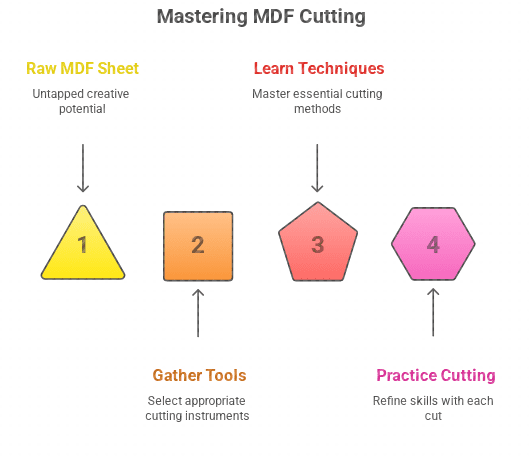
Cutting MDF needs specific tools. A circular saw is the main tool. It cuts straight lines easily. A jigsaw helps with curves. For smooth edges, use a router. A tape measure ensures accurate cuts. Use a pencil to mark lines. Safety gear is crucial. Always wear goggles and a dust mask.
Some tools make cutting easier. A clamp holds the MDF steady. It prevents movement. A straight edge guides the saw. This helps with straight lines. Sandpaper smooths rough edges. A workbench provides a stable surface. It keeps the MDF from wobbling. These tools make cutting safer and easier.

Credit: cworkshop.co.uk
Preparing Your Workspace
Creating a tidy workspace is crucial for MDF cutting. Clear unnecessary items and ensure tools are readily accessible. Proper lighting enhances precision and safety during the process.
Safety Measures
Ensure your workspace is safe. Wear protective goggles and a mask. Avoid loose clothing. Keep your hair tied back. Use ear protection to block noise. Keep a first-aid kit nearby. Check your tools for damage. Make sure the area is well-lit. Ensure proper ventilation. This helps clear dust. Keep a fire extinguisher handy.
Organizing Your Tools
Arrange all tools neatly. Use a toolbox for small items. Keep saws within easy reach. Organize by size or type. Separate cutting tools from others. Label each tool’s place. Use shelves or hooks for storage. Ensure everything is easy to find. Avoid clutter. This saves time and effort. Keep spare parts and blades nearby.
Choosing The Right Blade
Different blades cut MDF. Carbide-tipped blades last long. Steel blades are cheaper but wear fast. Crosscut blades give smooth cuts. Rip blades cut fast but may cause chipping. Always choose blades that fit your saw.
Blade size matters. Small blades are good for detail work. Large blades cut big pieces fast. Check your saw for blade size limits. Use the right size for the best cut. Bigger is not always better.

Credit: www.youtube.com
Cutting Techniques
Cutting MDF in straight lines is simple. Use a ruler to mark the line. A hand saw or circular saw works best. Make sure the saw is sharp. Always wear safety gear. Goggles and gloves are important. Keep the MDF steady. Use clamps to hold it still. Move the saw slowly along the line. Check your work as you go.
Curved cuts need a different tool. A jigsaw is useful for curves. Trace the curve on the MDF first. Follow the line with the jigsaw. Keep your hand steady. The blade should move slowly. Take breaks to check the curve. Smooth any rough edges with sandpaper. Patience helps in getting a neat curve.
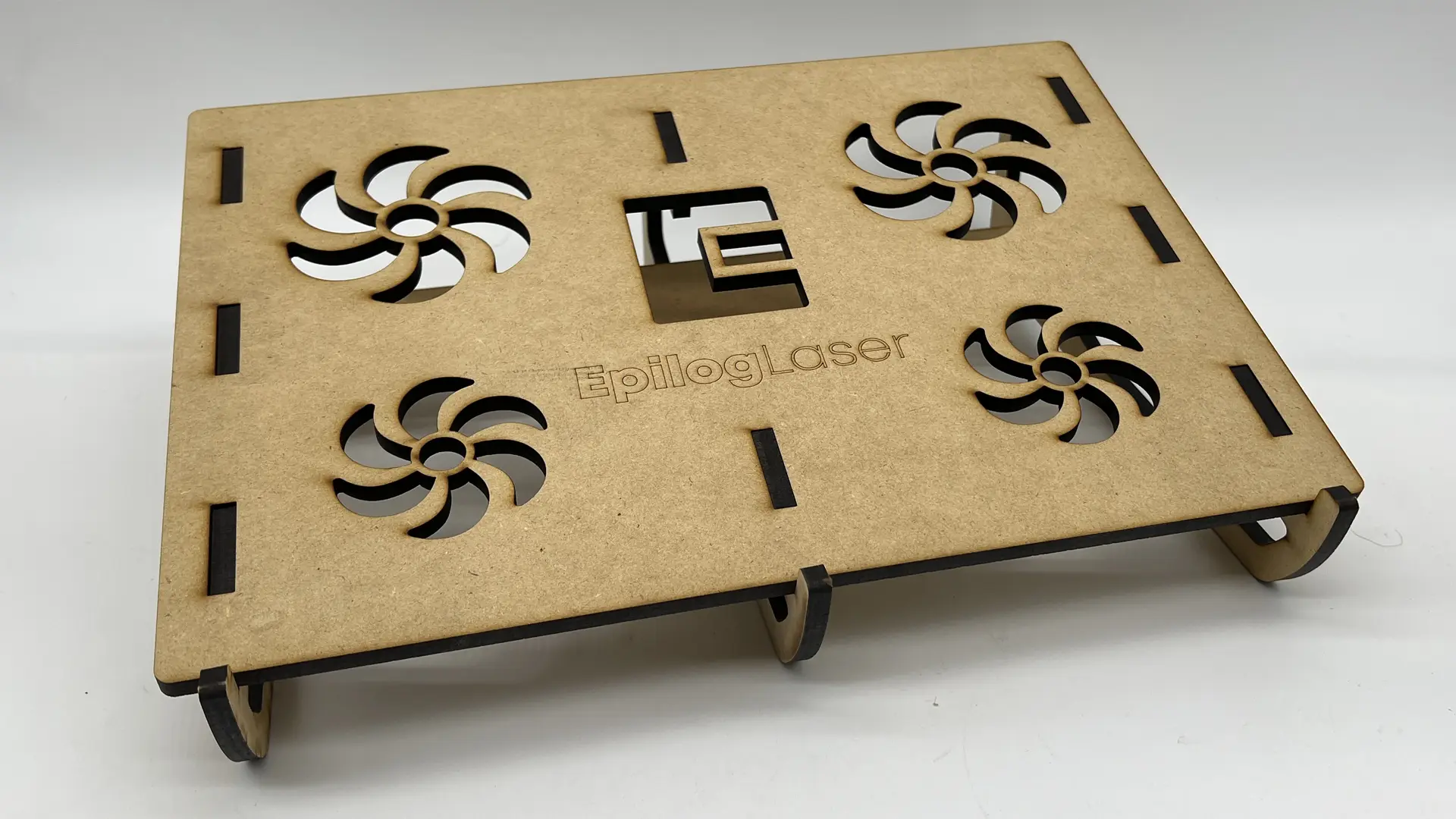
Complex shapes can be tricky. Start with a template. Draw the shape on paper first. Transfer it to the MDF. Use a jigsaw for cutting. Router tools help with intricate edges. Always go slow. Check the shape often. Sand the edges for a smooth finish. Practice makes it easier.
Maintaining Precision
Good cutting starts with proper marking and measuring. Use a sharp pencil for clear lines. Measure twice to avoid mistakes. Keep a ruler handy for straight lines. Choose a ruler that doesn’t slip. This helps in making straight cuts. Double-check your marks before cutting. Accuracy is key.
Guides and fences keep the cut straight. Attach them firmly to your workbench. This prevents movement during cutting. Use clamps for extra stability. Always align guides with your marks. This ensures perfect cuts every time.
Dealing With Dust
Cutting MDF creates a lot of dust. Dust can be harmful. A dust collection system helps reduce this dust. These systems pull dust into a container. They keep the air clean. Using them makes your work area safer. Always check the system before starting. Ensure it works well.
Protecting yourself is important. Wear a mask to avoid breathing dust. Goggles keep dust out of your eyes. Gloves protect your hands from splinters. Ear protection can save your hearing. Always wear the right gear when cutting MDF. It keeps you safe and healthy.
Finishing Touches
MDF cutting requires precision and care for smooth results. Use sharp blades and stable surfaces to prevent chipping. Always measure twice before cutting to ensure accuracy and maintain clean edges.
Sanding Edges
Smooth edges are important for a clean look. Use fine sandpaper to sand the edges. Hold the sandpaper gently but firmly. Rub it along the edge until smooth. Check with your fingers for rough spots. Sand again if needed. Smooth edges help with painting later. This step is easy and fun. It makes a big difference.
Sealing And Painting
Sealing protects the MDF from moisture. Use a sealant primer before painting. Apply it evenly with a brush or roller. Let it dry completely. Paint adds color and style. Choose a paint that suits your project. Use a brush for small areas. Use a roller for bigger surfaces. Apply paint in thin layers. Let each layer dry before adding more. The paint should cover the surface evenly. This makes the MDF look professional and neat.
Common Mistakes To Avoid
Safety is very important when cutting MDF. Never forget to wear safety gear.
Use a mask to protect from dust. Dust can be harmful to your lungs.
Always wear goggles to shield your eyes. Eye safety is crucial.
Gloves are also important. They help to protect your hands. Make sure your workspace is clean.
A clean area prevents accidents. Safety should always be your first thought.
Always check the quality of MDF before cutting. Low-quality MDF can break easily.
Look for smooth surfaces and even thickness. Uneven MDF can cause problems.
Make sure there are no cracks. Cracks can ruin your project.
High-quality MDF ensures a better finish. It makes your work look good.
Spend time choosing the right MDF. It is worth the effort.
Expert Tips And Tricks
Always organize your workspace before cutting MDF. This saves time. Keep tools like saws and sandpaper close. Use a sharp blade for smooth cuts. Dull blades slow you down. Measure twice before cutting. Avoid mistakes. Use a template for repeated shapes. It helps maintain speed. Clean your tools after use. This keeps them ready for the next job.
Use the right blade for MDF. A fine-tooth blade is best. It gives clean edges. Cut slowly and steadily. Fast cuts cause chips. Support MDF fully during cutting. This prevents breaking. Sand edges after cutting. This makes them smooth. Use a dust mask. MDF dust is harmful. Always keep your hands safe. Use clamps to hold MDF. This keeps it steady.
Credit: www.epiloglaser.com
Frequently Asked Questions
What Is The Best Tool To Cut MDF?
The best tool for cutting MDF is a circular saw with a carbide-tipped blade. Ensure precise cuts by using a straight edge as a guide. For intricate designs, a jigsaw with a fine-tooth blade works well. Always wear safety gear to protect against dust and debris.
What Is The Easiest Way To Cut MDF?
Use a circular saw with a fine-toothed blade for the easiest MDF cuts. Ensure straight cuts by using a guide or fence. Wear a dust mask, as MDF produces fine dust. For detailed work, consider a jigsaw with appropriate blades.
Always prioritize safety while cutting.
How Do You Cleanly Cut MDF Board?
To cleanly cut MDF board, use a sharp carbide-tipped blade on a table or circular saw. Apply masking tape along the cut line to minimize chipping. Ensure a steady feed rate, and use a guide for straight cuts. Wear safety gear to protect against dust.
Is MDF Difficult To Cut?
MDF is not difficult to cut. Use a sharp blade for smooth edges. Ensure proper ventilation due to dust.
Conclusion
MDF cutting can be simple with the right steps. Start by measuring carefully. Use sharp tools for clean cuts. Sand edges for smooth finish. Remember safety gear. Goggles and masks are essential. Practice makes perfect. Try small projects first. Gain confidence gradually.
Share your creations proudly. MDF offers versatility. Craft furniture, art, or decor. Endless possibilities await. Explore and enjoy your projects. MDF cutting skills grow with time. Patience and effort pay off. Feel satisfaction in your work. Your creations add charm.
MDF projects can brighten any space. Embrace creativity and craftsmanship. Happy cutting!