
How to Mill Wood: Essential Tips for Perfect Planks
To mill wood, use a saw to cut logs into manageable pieces. Then, employ a milling machine or bandsaw to shape the wood.
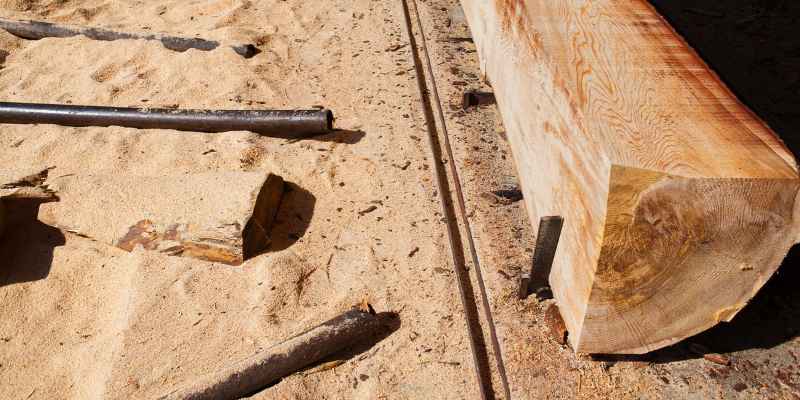
Milling wood transforms raw logs into usable lumber, essential for various projects. This process can yield everything from furniture to flooring. Understanding the milling process enhances your woodworking skills and helps you choose the right techniques for your needs. Whether you’re a hobbyist or a professional, knowing how to mill wood efficiently can save time and resources.
Different types of milling equipment exist, each suited for specific tasks. With the right tools and techniques, you can achieve precise cuts and desired finishes. Dive into the world of woodworking with confidence and creativity as you explore the art of milling wood.
The Basics Of Wood Milling
Selecting the right wood is very important for milling. Different types of wood have unique properties. Hardwoods like oak and maple are strong and durable. Softwoods such as pine and cedar are lighter and easier to work with.
Understanding wood grain and texture helps in the milling process. Grain direction affects how the wood cuts. Straight grain is easier to mill than wavy grain. Knots and imperfections can complicate milling.
| Wood Type | Properties |
|---|---|
| Hardwood | Durable, strong, ideal for furniture |
| Softwood | Lightweight, easy to cut, good for framing |

Essential Tools For Milling
For milling wood, having the right tools is essential. Saws are crucial for cutting wood effectively. Types of saws include circular saws, band saws, and table saws. Each saw has specific blades for different tasks.
Blades vary in size and tooth count. Choose a blade that matches the wood type. For example, a fine-toothed blade is best for smooth cuts.
Measuring and marking instruments are also important. Use a tape measure for accurate lengths. A square ensures straight cuts. Pencils or marking knives help make clear lines.
Keep tools organized for easy access. This saves time and reduces errors. Always prioritize safety when using any tools.
Preparing The Wood For Milling
Start by cleaning the lumber. Remove dirt and debris using a brush or cloth. This helps ensure a smooth milling process. Next, drying the wood is crucial. Wet wood can warp or crack during milling. Use a moisture meter to check the wood’s moisture level.
Look for defects in the wood. Check for cracks, knots, or splits. These can affect the final product. Use a flashlight to spot any hidden issues. Mark these areas clearly for easy reference later.
| Defect Type | Description |
|---|---|
| Cracks | Visible splits that may weaken the wood. |
| Knots | Hard, circular areas that can affect cutting. |
| Splits | Small openings that can lead to larger problems. |
Safety Precautions In Milling
Safety is very important in milling wood. Always wear protective gear like goggles and gloves. This gear helps prevent injuries from flying debris and sharp tools.
Use a dust mask to avoid inhaling wood dust. Hearing protection is also good for loud tools. Ensure that your clothing is tight-fitting to prevent snagging.
For safe handling of tools, always keep your workspace clean. Store tools in a safe place after use. Check tools regularly for damage. A damaged tool can cause accidents.
Always follow the manufacturer’s instructions when using tools. Never use a tool for a purpose it wasn’t designed for. Stay focused and avoid distractions while working.
Step-by-step Milling Process
Start by measuring the wood to find the rough dimensions. Use a saw to cut the wood into these dimensions. Be careful and ensure safety while cutting. Always wear protective gear like gloves and goggles.
Once the wood is cut, it’s time for jointing. This process ensures the edges are straight. Place the wood on a jointer and run it through. After jointing, move on to planing. A planer smoothens the surface and makes it even.
| Process | Tools Needed |
|---|---|
| Cutting | Saw |
| Jointing | Jointer |
| Planing | Planer |
Achieving Perfect Thickness
Using a thickness planer helps achieve a smooth and even surface. It adjusts the wood to the desired thickness. Simply feed the wood through the machine. The blades will trim the surface evenly.
Manual planing techniques can also be effective. A hand plane removes thin shavings from the wood. Start at one end and move to the other. Keep the plane flat against the wood for best results.
Practice on scrap wood first. This helps build confidence and skill. Always check the thickness often. This ensures the wood meets your project needs.
Smoothing And Finishing
To achieve a smooth surface, use sanding techniques. Start with coarse sandpaper, then move to finer grades. Always sand in the direction of the wood grain. This prevents scratches and gives a better finish.
Use a sanding block for flat surfaces. For curves, try using sandpaper wrapped around a dowel. This will help reach tight spots easily. Remember to clean the dust off after sanding.
Applying a finish protects the wood. Choose from options like varnish, oil, or wax. Each gives a different look and feel. Apply the finish evenly with a brush or cloth.
Let the first coat dry completely before adding more. Lightly sand between coats for a smoother feel. Always follow the manufacturer’s instructions for the best results.
Advanced Milling Techniques
Using patterns and templates can greatly improve your milling process. Start with a clear design. This makes it easier to follow the grain.
Templates help in achieving consistent cuts. They guide your tools, ensuring accuracy. Patterns can also serve as a reference for intricate shapes.
Dealing with challenging grain requires care. Avoid cutting against the grain to prevent tearing. Always adjust your technique based on the wood type.
Consider using a backing board. This helps support the wood during milling. It reduces the risk of chipping and provides a smoother finish.
Experiment with different tools for various grains. Each tool offers unique advantages. Finding the right tool will enhance your results.
Milling Specialized Wood Pieces
Milling wood requires special techniques. For curved cuts, use a band saw or jigsaw. Make smooth curves by following a template. Angle cuts need a miter saw for precision. Set the angle and cut slowly.
Creating joints and grooves is essential for strong connections. Use a router for perfect grooves. Adjust the depth based on the wood thickness. Dado joints are great for shelves. Cut them using a table saw. Mortise and tenon joints provide sturdy frames. They require careful measurements for the best fit.
Troubleshooting Common Milling Issues
Snipe occurs when the cutter removes more wood at the start or end. To avoid snipe, use a support for both ends of the wood. Ensure the wood is steady and flat before milling.
Tearout happens when fibers pull away from the wood. To reduce tearout, cut with the grain and not against it. Use a sharp blade and adjust the feed rate for best results.
For fixing imperfections, sand the surface lightly. Use a fine grit paper for a smooth finish. Apply a wood filler for deeper cracks or holes. Allow it to dry fully before sanding.
Storing And Maintaining Milled Wood
Storing milled wood correctly is very important for its longevity. Keep wood in a dry place. Avoid areas with high humidity. Use shelves or pallets to keep wood off the ground. This prevents moisture from seeping in.
Cover wood with a tarpaulin or plastic sheet. This protects it from rain and dust. Check the wood regularly for pests or mold. If any issues arise, act quickly to prevent damage.
For long-term care, apply a protective finish. This helps seal the wood and keeps it looking new. Always store wood in a cool area, away from direct sunlight. Follow these tips to ensure your milled wood stays in great condition.
Creative Projects Using Milled Wood
Using milled wood opens up many exciting furniture making projects. Create beautiful tables, chairs, or shelves. Choose wood types that fit your style. Consider mixing colors and textures for a unique look.
Custom carpentry allows for personalized designs. Build pieces that fit your space perfectly. Think about storage solutions or decorative elements. Milled wood can also enhance your home decor.
Consider making wooden toys or decorative items. These projects are fun and rewarding. Use your imagination to design something special. Milled wood provides endless possibilities for creativity.
Frequently Asked Questions
What Tools Are Needed To Mill Wood?
To mill wood effectively, you’ll need essential tools like a table saw, band saw, and planer. Additionally, a jointer and measuring tools are important for precision. Investing in a good quality chainsaw can also help for rough cuts. Always prioritize safety gear to protect yourself while working.
How Do I Prepare Wood For Milling?
Begin by selecting the right type of wood. Remove any dirt, bark, or debris from the surface. Cut the wood into manageable lengths, ensuring it’s stable and dry. Finally, inspect for knots or defects that could affect the milling process.
Proper preparation ensures a smoother milling experience.
What Is The Milling Process For Wood?
The milling process involves several steps. First, rough-cut the wood to manageable sizes. Next, flatten one face using a planer or jointer. Then, square the edges and create uniform thickness. Finally, sand the surfaces for a smooth finish. Each step enhances the wood’s usability and appearance.
Can I Mill Wood At Home?
Yes, you can mill wood at home with the right tools. Basic equipment like a table saw, planer, and jointer will suffice for small projects. Ensure you have adequate space and ventilation. Always follow safety guidelines to prevent accidents. Home milling can save money and provide custom results.
Conclusion
Milling wood opens up endless possibilities for your projects. With the right tools and techniques, you can transform raw timber into beautiful, usable materials. Embrace the process, and don’t hesitate to experiment. Whether for furniture or crafts, mastering wood milling will enhance your skills and creativity.
Start your journey today!