How to Open a Tiny Screw Without a Screwdriver (or Stripped)
A tiny screw with no matching screwdriver in reach is a common enough problem that there are real, reliable fixes for it — as long as you match the fix to what’s actually wrong. Here’s how.
First, Which Problem Do You Actually Have?
Skip the Workarounds Next Time
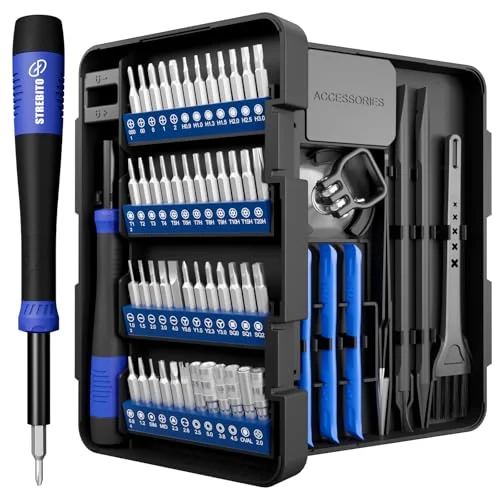 |
Strebito 64-Piece Precision Screwdriver Set – $9.99 Every substitute tool below works in a pinch, but a real precision bit is the actual fix — the wrong-sized coin or knife edge is exactly what strips a tiny screw head in the first place.
|
“No screwdriver on hand” and “screw head worn away/stripped” are two different problems with two different fixes — substitute tools solve the first, grip tricks solve the second, and using the wrong approach for your actual problem is why these hacks sometimes fail. If the screw head still has a clean, sharp groove, you just need something the right shape to turn it. If the groove is rounded off or chewed up, no substitute tool will grip any better than the screwdriver that stripped it — you need a different technique entirely.
Problem 1: You Don’t Have a Screwdriver (Screw Head Is Fine)
Any thin, rigid object the right width for the groove will work as a substitute, as long as the screw head itself is undamaged:
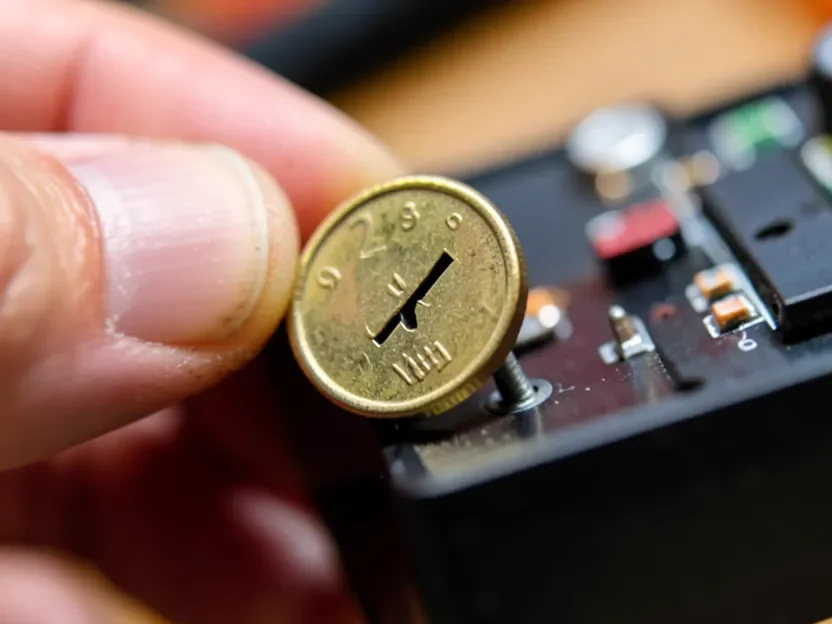
- A coin: for slotted (flathead) screws, find a coin whose edge fits the groove and turn slowly — the classic and most reliable substitute.
- A butter knife or flat kitchen tool: works the same way as a coin on a slotted screw, with more leverage.
- A credit card edge or old gift card: can turn a slotted screw in a pinch, but it flexes under real pressure — fine for a loose screw, not a stuck one.
- Tweezers (fine-tipped, stainless steel): can grip and turn very small screws directly, especially useful when a flat tool won’t fit the space.
- A straightened paperclip or safety pin with a small hook: works for some cross-head screws in a tight spot, though it’s the least reliable option here.
Turn slowly and check that your substitute is actually seated in the groove before applying pressure — slipping is what damages a good screw head and turns this into Problem 2.
Problem 2: The Screw Head Is Stripped or Worn Away
This is the actual answer to “how to open a tiny screw that has worn away” — a rounded-off groove needs more grip, not a differently-shaped tool. These tricks work by adding friction the smooth metal has lost:
- Rubber band trick: lay a strip of wide rubber band directly over the stripped head, then press a coin or flat tool into it and turn. The rubber fills the worn grooves and grips where bare metal now slips — this is the single most effective household fix for a stripped tiny screw.
- A dab of valve-grinding compound or toothpaste (mild abrasive) in the groove can add just enough grip for one more turn on a very lightly worn head — not a fix for a badly rounded one.
- Reverse-tap trick: tap the tool gently while turning counterclockwise (the “unscrewing” direction) — this occasionally catches a partial thread if the screw is only slightly loosened, though it’s unreliable on tiny screws specifically.
- A screw extractor bit (for a real fix): a small screw extractor set is inexpensive and made exactly for this problem — worth having on hand if you deal with stripped screws more than once.
Avoiding Damage While You Work
- Make sure your substitute tool actually fits the groove before applying pressure — a wrong-sized tool is what strips a screw in the first place
- Push down and turn at the same time; downward pressure without enough of it is what causes slipping
- Go slowly, especially on the first quarter-turn — that’s when a tool is most likely to slip out of a shallow tiny-screw head
- Stop if you feel the tool skating across the head instead of biting in — switch tools rather than forcing it and stripping it further
Frequently Asked Questions
How can I remove a tiny screw without a screwdriver?
If the screw head is undamaged, a coin, butter knife, or fine-tipped tweezers can substitute for a flathead screwdriver — find one that fits the groove snugly and turn slowly.
How do you open a tiny screw that’s stripped or worn away?
Lay a strip of rubber band over the stripped head, then press a coin or flat tool into it and turn — the rubber fills the worn grooves and restores enough grip to turn the screw. This works much better than trying a different substitute tool, which won’t grip any better than the tool that stripped it.
Can I use tweezers to open tiny screws?
Yes, fine-tipped stainless steel tweezers can grip and turn small screws directly, especially useful in tight spaces where a flat tool won’t fit.
Conclusion
A coin, knife, or tweezers gets you through a missing screwdriver on an undamaged screw head; a rubber band gets you through a stripped one. Mixing up which trick fits which problem is the most common reason these hacks seem to “not work” — and a $10 precision screwdriver set avoids needing either trick again.
Sponsored / affiliate links. As an Amazon Associate I earn from qualifying purchases. I may earn additional commission from eligible campaigns.