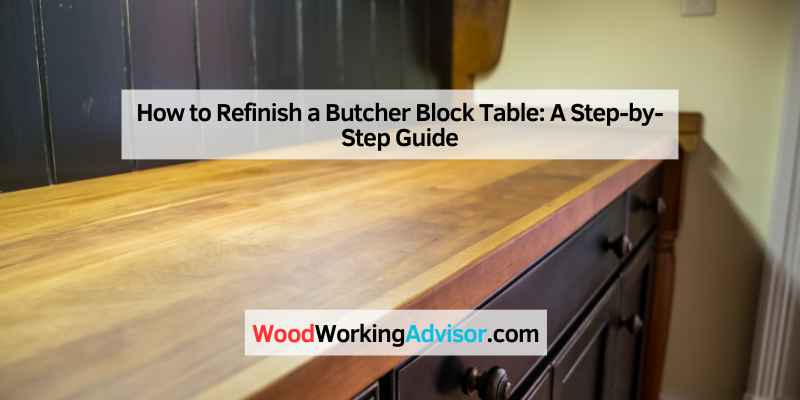
How to Refinish a Butcher Block Table: A Step-by-Step Guide
To refinish a butcher block table, first, clean the surface thoroughly and sand it down to remove old finishes. Then, apply food-safe mineral oil or a butcher block conditioner for protection and shine.
Refinishing a butcher block table can breathe new life into your kitchen. Over time, wear and tear can dull its appearance, making it look less inviting. A well-maintained butcher block not only enhances your kitchen’s aesthetic but also extends its lifespan.
The process involves sanding, cleaning, and applying a protective finish that is safe for food preparation. Whether your table has scratches or stains, refinishing is a straightforward DIY project. By following a few simple steps, you can restore your butcher block to its original beauty and ensure it remains functional for years to come.
Introduction To Refinishing Butcher Block Tables
Refinishing a butcher block table can bring back its original beauty. Over time, wear and tear can dull its surface. Understanding when and how to refinish it is key. A well-maintained butcher block table can last for generations.
The Charm Of Butcher Block Tables
Butcher block tables are more than just functional. They add warmth and character to any kitchen. Here are some reasons why they are cherished:
- Durability: They withstand heavy use.
- Versatility: They fit into various kitchen styles.
- Eco-friendly: Made from natural wood, they are sustainable.
- Easy to clean: A simple wipe keeps them hygienic.
These features make butcher block tables a favorite in many homes.
Signs Your Butcher Block Needs Refinishing
Recognizing when to refinish is important. Look for these signs:
| Sign | Description |
|---|---|
| Scratches | Visible cuts and marks on the surface. |
| Stains | Dark spots from food or liquid. |
| Dullness | Lack of shine or luster. |
| Cracks | Small fissures forming in the wood. |
Identifying these signs early helps maintain your table’s beauty.
Materials And Tools Needed
Refinishing a butcher block table requires specific materials and tools. Having the right supplies makes the job easier and quicker. Gather everything before starting to ensure a smooth process.
Essential Supplies
- Sandpaper: Use various grits, like 60, 120, and 220.
- Wood Stain: Choose a color that matches your style.
- Food-Safe Finish: Look for mineral oil or beeswax.
- Clean Cloths: Use lint-free cloths for applying stain and finish.
- Wood Filler: Fill any cracks or holes before sanding.
Safety Equipment
- Dust Mask: Protect your lungs from dust particles.
- Safety Goggles: Shield your eyes from flying debris.
- Ear Protection: Use earplugs if using loud tools.
| Item | Purpose |
|---|---|
| Sandpaper | To smooth the surface of the wood. |
| Wood Stain | To enhance the natural beauty of the wood. |
| Food-Safe Finish | To protect the wood and make it safe for food. |
| Clean Cloths | For applying stain and finish evenly. |
| Wood Filler | To repair imperfections before refinishing. |
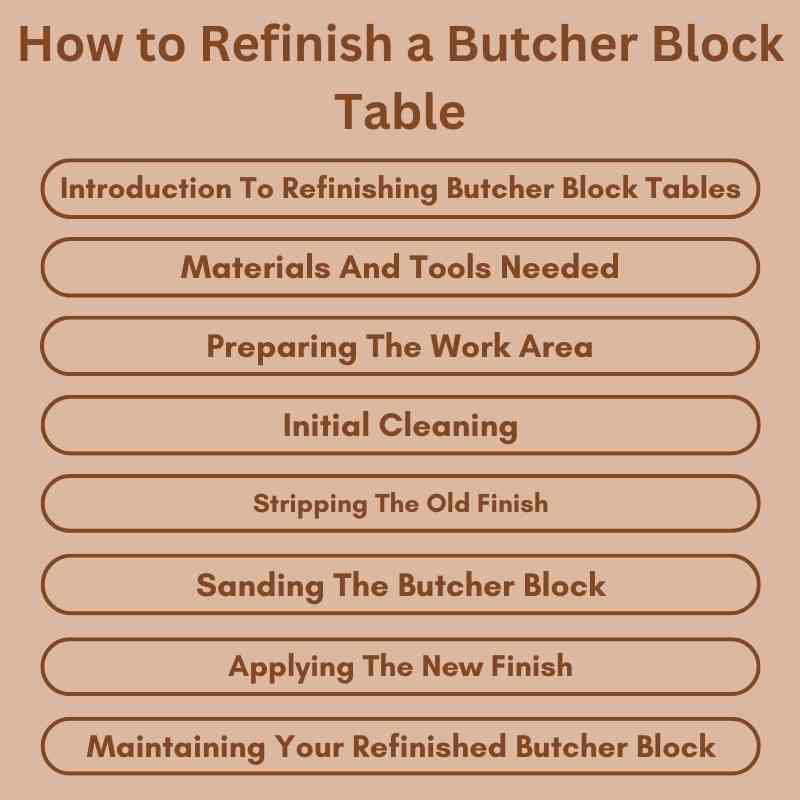
Preparing The Work Area
Refinishing a butcher block table can be exciting. Proper preparation of your work area is crucial. This ensures a smooth process and great results. Follow these steps to set up your space effectively.
Choosing The Right Space
Select a well-ventilated area. Good airflow helps reduce fumes from finishes. A garage or outdoor space works best. Ensure the space is:
- Free from dust and dirt
- Spacious enough for movement
- Near power outlets for tools
Check the weather if working outdoors. Avoid rainy or windy days.
Protecting Surrounding Surfaces
Protect your floors and nearby furniture. Use drop cloths or old sheets. This prevents spills and scratches. Follow these steps:
- Clear the area of any items.
- Lay down drop cloths on the floor.
- Cover nearby furniture with sheets.
Use painter’s tape to cover any edges. This keeps your surfaces safe.
By preparing your work area, you set the stage for a successful refinishing project.
Initial Cleaning
Before refinishing your butcher block table, start with a thorough cleaning. This step removes dirt and prepares the surface for refinishing. A clean surface ensures better adhesion of oils and finishes.
Removing Residue And Debris
First, gather your cleaning supplies:
- Warm water
- Mild dish soap
- Soft cloth or sponge
- Scraper (optional)
Follow these steps to remove residue:
- Mix warm water with a few drops of mild dish soap.
- Dip the soft cloth or sponge into the soapy water.
- Wipe the entire surface of the table gently.
- For stubborn spots, use a scraper carefully.
- Rinse the cloth or sponge with clean water.
- Wipe the surface again to remove soap residue.
Sanitizing The Surface
Sanitizing your butcher block table is crucial for safety. Use the following mixture:
| Ingredient | Amount |
|---|---|
| White vinegar | 1 cup |
| Water | 1 cup |
To sanitize, follow these steps:
- Mix equal parts of white vinegar and water.
- Soak a clean cloth in the mixture.
- Wipe the entire surface, focusing on any cracks.
- Let the surface air dry completely.
This process eliminates bacteria and ensures a safe workspace.
Stripping The Old Finish
Refinishing a butcher block table starts with stripping the old finish. This step reveals the wood’s natural beauty. It also prepares the surface for a new finish.
Choosing A Stripping Method
Select a method based on your needs and preferences. Here are some popular options:
- Chemical Strippers: Fast and effective but require safety gear.
- Sanding: Manual method that takes time but offers control.
- Heat Guns: Quick and efficient but can scorch wood.
Consider the size of your table and your experience level. Choose a method that suits you best.
Application Techniques
Each stripping method has its own application techniques. Follow these simple steps:
- Preparation: Clear the area. Wear gloves and a mask.
- Apply Stripper: Use a brush for chemical strippers. Spread evenly.
- Wait: Let the stripper sit as per the instructions.
- Scrape: Use a plastic scraper to remove the finish.
- Sand: For sanding, start with coarse grit and move to fine grit.
Always test a small area first. This ensures you achieve the desired results.
Sanding The Butcher Block
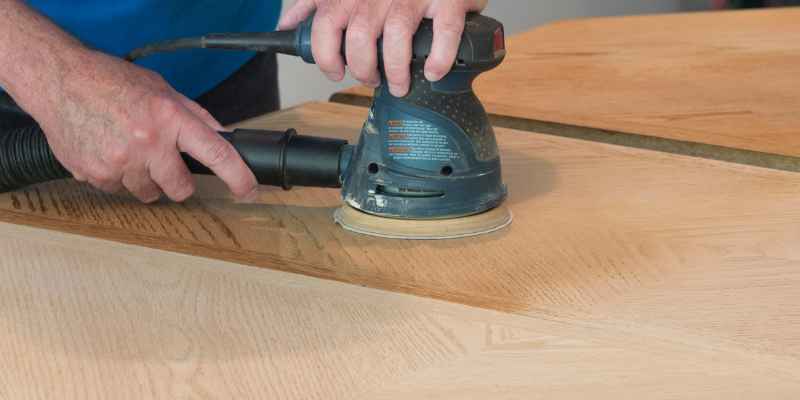
Sanding is a crucial step in refinishing your butcher block table. It helps remove scratches and stains. Proper sanding prepares the surface for oil or finish. Follow the steps below for great results.
Selecting The Right Grit
Choosing the right sandpaper grit is essential. Here’s a simple guide:
| Grit Size | Purpose |
|---|---|
| 60-80 | Remove old finish and deep scratches |
| 100-120 | Smooth the surface and blend repairs |
| 220 | Final sanding for a smooth finish |
Start with a lower grit for heavy sanding. Use higher grit for a smooth touch. Always sand in the direction of the wood grain.
Sanding Technique For Evenness
To achieve an even surface, follow these tips:
- Use a sanding block or an orbital sander.
- Apply even pressure while sanding.
- Sand small sections at a time.
- Check your progress frequently.
Remember to clean dust regularly. A vacuum or a damp cloth works well. After sanding, inspect for any rough spots. Repeat sanding if necessary.
Applying The New Finish
Refinishing a butcher block table can restore its beauty and durability. The right finish protects the wood and enhances its natural grain. Follow these steps for a successful application.
Choosing Your Finish
Selecting the right finish is crucial. Options include:
| Finish Type | Benefits |
|---|---|
| Mineral Oil | Food-safe and easy to apply. |
| Beeswax | Creates a protective barrier and adds shine. |
| Polyurethane | Durable and water-resistant. |
| Tung Oil | Deep penetration and strong protection. |
Consider your table’s use and maintenance. Choose a finish that suits your lifestyle.
The Application Process
Follow these steps for applying your chosen finish:
- Clean the Surface: Remove dust and debris. Use a damp cloth.
- Sand the Table: Use fine-grit sandpaper. Sand evenly for smoothness.
- Apply the Finish: Use a soft cloth or brush. Apply in thin, even coats.
- Let It Dry: Allow the finish to dry completely. Follow the manufacturer’s instructions.
- Buff the Surface: Use a clean cloth. Buff to enhance shine.
- Reapply as Needed: Check the table regularly. Reapply the finish every few months.
This simple process can breathe new life into your butcher block table. Enjoy your beautifully refinished surface!
Maintaining Your Refinished Butcher Block
Proper maintenance extends the life of your refinished butcher block. Regular care keeps it looking beautiful and functional. Follow these tips to ensure your table stays in top shape.
Regular Cleaning Tips
Cleaning your butcher block is essential for its upkeep. Use these simple steps:
- Wipe Down Daily: Use a damp cloth to remove crumbs.
- Use Mild Soap: Mix soap with water for deeper cleaning.
- Avoid Soaking: Don’t immerse the block in water.
- Rinse and Dry: Rinse with clean water and dry immediately.
For stubborn stains, sprinkle baking soda on the area. Scrub gently with a damp cloth. Rinse and dry thoroughly.
Preventing Future Damage
Protect your butcher block from potential harm. Follow these preventative measures:
| Tip | Description |
|---|---|
| Use Cutting Boards | Always use separate boards for raw meat and vegetables. |
| Avoid Heat | Never place hot pots directly on the surface. |
| Regular Oiling | Apply mineral oil every month to keep wood hydrated. |
Keep your table away from direct sunlight. This helps prevent fading and cracking.
Troubleshooting Common Issues
Refinishing a butcher block table can lead to unexpected problems. Knowing how to handle these issues makes the process smoother. Below are common problems and solutions to help you maintain your beautiful table.
Addressing Stains And Scratches
Stains and scratches can occur despite careful refinishing. Here are some steps to fix these issues:
- For Stains:
- Mix equal parts of baking soda and water to form a paste.
- Apply the paste to the stained area.
- Gently scrub with a soft cloth.
- Wipe clean with a damp cloth.
- For Scratches:
- Use a wood filler that matches your table’s color.
- Apply the filler to the scratched area.
- Let it dry completely as per the instructions.
- Sand the area lightly until smooth.
When To Call A Professional
Some issues require expert help. Recognize when it’s time to seek assistance.
| Issue | Signs You Need a Pro |
|---|---|
| Deep Gouges | Gouges are too deep to fill. |
| Severe Water Damage | Warping or significant discoloration occurs. |
| Extensive Cracking | Cracks run across the surface. |
| Incorrect Refinishing | Finish looks uneven or patchy. |
Don’t hesitate to contact a professional for these problems. Protect your investment by ensuring proper care.
Personalizing Your Butcher Block
Personalizing your butcher block table makes it unique. It adds charm and character. Custom touches reflect your style and enhance your kitchen. Let’s explore creative ways to make your butcher block stand out.
Creative Ideas For Customization
There are many ways to customize your butcher block. Here are some fun ideas:
- Engraving: Add your initials or a favorite quote.
- Staining: Choose a color that matches your kitchen.
- Painted Designs: Create patterns or images.
- Inlays: Use different wood types for a unique look.
- Stencils: Use stencils for easy designs.
Adding A Personal Touch
Adding personal touches makes your butcher block special. Consider these options:
- Family Recipes: Write cherished recipes on the surface.
- Handprints: Create a keepsake by adding handprints.
- Color Themes: Match colors with kitchen decor.
- Seasonal Decor: Change designs for holidays.
Your butcher block can become a family heirloom. Enjoy the process of making it yours!
Frequently Asked Questions
How Do I Prepare My Butcher Block For Refinishing?
Start by cleaning the surface with a mild soap and warm water. Remove any dirt or grease thoroughly. Next, sand the table using fine-grit sandpaper to eliminate scratches and old finishes. Ensure the surface is smooth and even before applying any refinishing products.
What Products Should I Use For Refinishing?
You can use mineral oil or a specialized butcher block conditioner for refinishing. These products nourish the wood and protect it from moisture. Avoid using products with harmful chemicals. Look for food-safe options that enhance the natural beauty of the butcher block.
How Often Should I Refinish My Butcher Block Table?
Refinishing should be done every 1-3 years, depending on usage. If you notice wear, scratches, or dullness, it’s time to refinish. Regular maintenance, like oiling, can extend the time between refinishes. Always assess your table’s condition to determine the best schedule.
Can I Use A Polyurethane Finish On My Butcher Block?
Using polyurethane on butcher block is not recommended. It creates a hard, non-porous surface that can chip and peel. Instead, opt for food-safe oils or waxes that allow the wood to breathe. This ensures the table remains functional and safe for food preparation.
Conclusion
Refinishing a butcher block table can breathe new life into your kitchen. With the right tools and techniques, you can achieve a stunning finish. Regular maintenance will keep your table looking beautiful for years. Enjoy the satisfaction of your hard work and the enhanced functionality of your newly refinished table.