An I Wash Paint Down the Sink? Local Environmental Rules
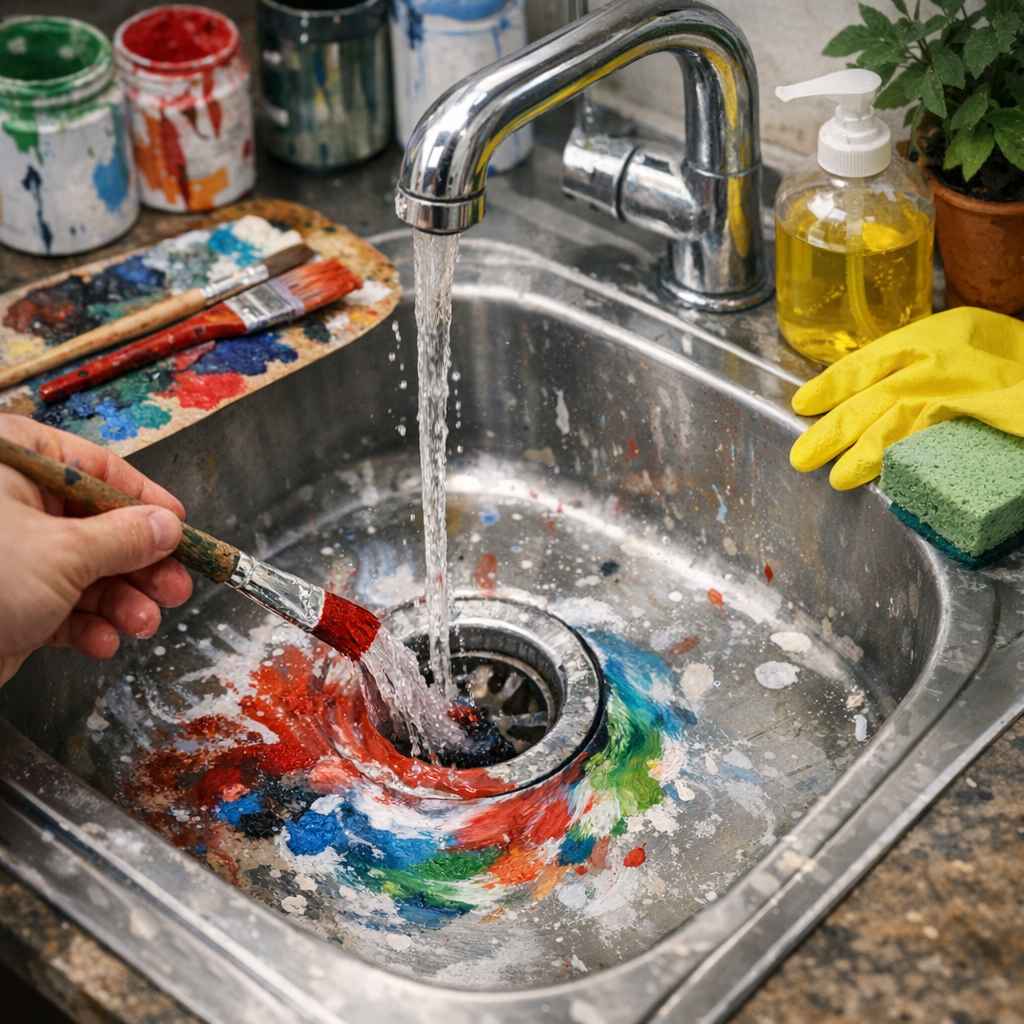
It’s a common question for DIYers and homeowners: Can I Wash Paint Down the Sink? Local Environmental Rules can sometimes be confusing. You might have a little bit of leftover paint or a brush to clean, and the sink seems like the easiest place to do it.
But is it okay for the environment and your pipes? This guide will break it all down easily so you know exactly what to do. We’ll show you simple steps to handle paint waste the right way, keeping your home and our planet healthy.
Understanding Paint Disposal Rules
Knowing how to dispose of paint properly is super important for protecting our environment. Washing paint down the sink might seem like a quick fix, but it can actually cause big problems. Paint contains chemicals and solids that don’t belong in our water systems.
These can harm aquatic life and make it harder for water treatment plants to do their job. Different places have different rules, which adds to the confusion for many people trying to be responsible. This section will help you grasp the basic ideas behind these rules and why they exist.
Why Paint in the Sink is a Problem
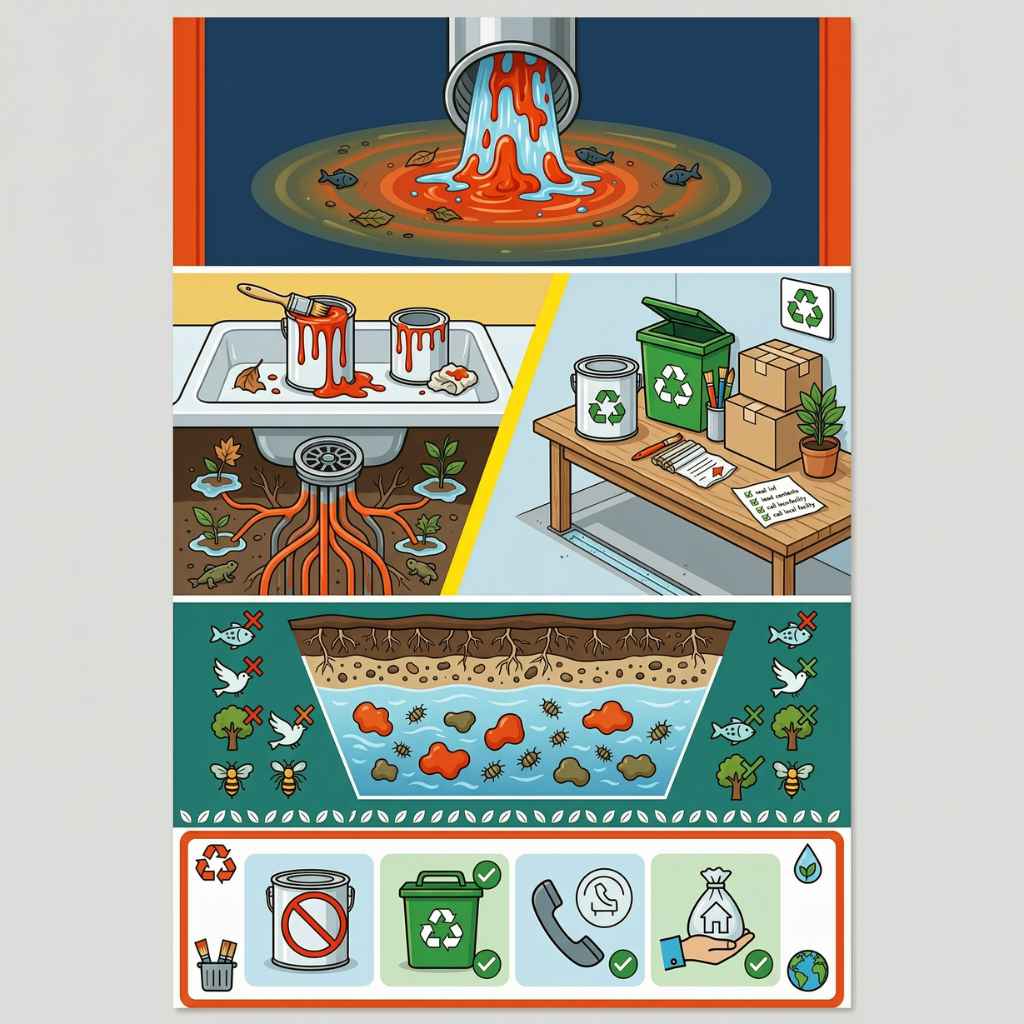
When you wash paint down the sink, you’re sending more than just water down the drain. Even small amounts of latex paint can create a sludge that coats pipes. This build-up can eventually lead to clogs in your home’s plumbing and in the municipal sewer lines.
For oil-based paints, the issue is even more serious because they contain harmful solvents and volatile organic compounds (VOCs). These chemicals can contaminate groundwater and surface water, harming fish and other wildlife. Water treatment facilities are not designed to filter out these paint components effectively.
Paint solids can clog pipes.
When paint dries, it turns into a solid material. If you wash enough of this down the drain, it can stick to the inside of your pipes. Over time, this sticky layer gets thicker and thicker. Eventually, it can narrow the pipe opening so much that water can’t flow through properly. This leads to slow drains and, in worse cases, complete blockages that might require expensive plumbing repairs. It’s like building up a wall inside your pipes, piece by piece, every time you wash paint down.
Harmful chemicals can get into waterways.
Many paints, especially older ones or certain types of finishes, contain ingredients that are toxic. These can include heavy metals like lead and mercury, as well as strong solvents. When these chemicals enter the water system, they can travel through rivers and lakes. They can be absorbed by plants and animals, moving up the food chain. This can make fish unsafe to eat and harm entire ecosystems. Proper disposal ensures these harmful substances are managed safely, away from our natural water sources.
Water treatment plants can be overwhelmed.
Our wastewater treatment plants work hard to clean the water we use. They use biological and chemical processes to remove waste. However, they are not equipped to handle large amounts of paint. The binders, pigments, and solvents in paint can interfere with the treatment processes. They can kill the helpful bacteria used to break down waste or end up passing through the system untreated. This means that contaminated water can be released back into the environment, posing a risk to public health and the ecosystem.
What Are Local Environmental Rules
Local environmental rules are regulations set by your city, county, or state government. They are designed to protect the local environment, including your air, water, and land. For paint disposal, these rules typically cover what types of paint are considered hazardous waste.
They also outline how you should handle and dispose of leftover paint, empty cans, and cleaning materials. These regulations are put in place because pollution from improper disposal can affect the health of your community and the natural resources nearby. Ignoring them can lead to fines or other penalties.
These rules aim to prevent pollution at its source. They often provide guidelines on how to store hazardous materials, how to transport them, and where to take them for proper disposal. For paint, this might mean taking it to a special collection site or a hazardous waste facility.
The specifics vary greatly depending on where you live. Some areas might have more lenient rules for small amounts of latex paint, while others are very strict about all paint waste. The key is to find out what your local authorities require.
How to Dispose of Latex Paint Properly
Dealing with latex paint is generally less complicated than oil-based paint, but it still requires careful handling. Latex paint is water-based, making it less toxic. However, it’s still not safe to pour down the drain or into storm sewers.
Most local regulations require that latex paint be dried out completely before being thrown in the regular trash. This process prevents liquid paint from leaking out of the garbage can and potentially contaminating landfills or waterways. Here’s a step-by-step approach to ensure you’re following best practices for latex paint disposal.
Drying Out Latex Paint
The most common method for latex paint disposal is to dry it out. This turns the liquid paint into a solid block that is safe to discard in your household trash. You can speed up this drying process by adding an absorbent material to the paint.
This is especially useful if you have a large amount of paint left. The goal is to solidify the liquid so it can’t spill or leach into the environment from the landfill.
For small amounts of paint (less than an inch in a can).
If you only have a small amount of latex paint left in the bottom of the can, you can often just leave the lid off. Let it air dry in a well-ventilated area, away from children and pets. It might take a few days to a week depending on the amount and humidity. Once it’s completely dry and solid, you can dispose of the can (with the lid off) in your regular trash.
For larger amounts of paint.
When you have more than an inch or two of paint, you need to help it dry faster. You can do this by pouring the paint into a disposable container, like a cardboard box lined with plastic, or an old plastic tub. Then, mix in an absorbent material. Good options include cat litter, sawdust, shredded paper, or a commercial paint hardener. Stir the absorbent material into the paint until it absorbs as much liquid as possible and the mixture starts to solidify. This process might take a few days.
Commercial paint hardeners.
These are products specifically designed to absorb liquid paint and turn it into a solid. You can find them at hardware stores. They are very effective and can significantly speed up the drying process, especially for large volumes of paint. Follow the instructions on the product packaging. Typically, you just stir the hardener into the paint until it becomes firm and no longer sloshes. This is often the quickest and most reliable method for drying out latex paint.
When to Take Latex Paint to a Collection Site
While drying out is the primary method for latex paint, there are times when a collection site is a better option. If your local rules specifically state that all paint must be taken to a designated facility, you must follow that. Also, if the paint has been contaminated with other substances or is very old and unusable, it might be best to take it to a hazardous waste collection site.
These sites are equipped to handle various types of waste safely and responsibly, ensuring no harm comes to the environment.
Disposing of Empty Paint Cans
Empty paint cans also need proper disposal. If the can is completely empty and dry, with no significant residue of paint, it can often be recycled or thrown in the regular trash. However, check your local recycling guidelines.
Some facilities prefer that the lid be removed and the can be rinsed if possible. If there’s still a significant amount of dried paint residue, it might be best to treat the can like a paint container and dispose of it with dried paint waste. Some municipalities have specific collection days or drop-off points for empty paint cans.
Handling Oil-Based Paints and Stains
Oil-based paints, stains, varnishes, and their associated solvents are considered hazardous waste. This means they contain chemicals that are harmful to the environment and human health. Washing these products down the sink or disposing of them in regular trash is strictly prohibited in most areas.
They require special handling and disposal methods to prevent contamination of soil, water, and air. This section will guide you on the correct procedures for managing these more hazardous paint products.
Why Oil-Based Products Are Different
The fundamental difference lies in their chemical composition. Oil-based paints use solvents like mineral spirits or turpentine as the base, which are petroleum distillates. These are volatile organic compounds (VOCs) that evaporate into the air and can contribute to air pollution, including smog formation.
When disposed of improperly, these solvents can seep into the ground, contaminating soil and groundwater. They are also flammable and can pose a fire hazard if not stored and handled correctly. Latex paints, being water-based, do not contain these aggressive solvents, making them generally safer to handle once dried.
Solvent toxicity and evaporation.
The solvents in oil-based products are designed to dissolve resins and pigments, allowing the paint to spread smoothly and adhere to surfaces. However, these solvents are often toxic and can cause respiratory problems or skin irritation upon exposure. More importantly, they evaporate readily, releasing VOCs into the atmosphere. These VOCs contribute to ground-level ozone, a key component of smog, which is harmful to human health and can damage vegetation. The EPA has regulations aimed at reducing VOC content in paints, but older products and certain specialized paints still pose this risk.
Flammability risks.
Many solvents used in oil-based paints and finishes are highly flammable. This means they can easily ignite and cause fires. Storing these products near heat sources or open flames is extremely dangerous. When disposing of them improperly, such as pouring them into drains where they can mix with other chemicals or be exposed to ignition sources in waste facilities, the risk of fire increases significantly. Proper disposal means ensuring these flammable materials are managed in a way that eliminates these risks.
Groundwater contamination potential.
If oil-based paint or its solvents are spilled or dumped onto the ground, they can penetrate the soil and reach groundwater. Groundwater is a vital source of drinking water for many communities. Once contaminated, it is very difficult and expensive to clean up. The chemicals can persist in the water for long periods, posing a long-term health risk. This is why strict regulations exist to prevent any liquid oil-based paint from entering the environment through improper disposal methods like washing down drains or pouring it on the ground.
Finding Hazardous Waste Collection Centers
Because oil-based paints and solvents are classified as hazardous household waste (HHW), they must be taken to special collection facilities. Your local government or waste management authority usually operates these centers. They are equipped to store, treat, and dispose of hazardous materials safely.
You can typically find information about your nearest HHW collection center on your city or county’s official website. Some areas also hold periodic collection events where residents can bring their HHW for disposal.
When you find a collection center, check their operating hours and what types of materials they accept. Most HHW centers accept leftover oil-based paints, stains, varnishes, thinners, and solvents. It’s a good idea to keep these products in their original containers with their labels intact.
This helps the staff identify the material and handle it appropriately. Never mix different types of chemicals together, as this can create dangerous reactions.
Safe Storage of Oil-Based Products
Proper storage of leftover oil-based paints and solvents is crucial until you can dispose of them. Always store them in their original, tightly sealed containers. Keep them in a cool, dry, well-ventilated area, away from heat, sparks, and open flames.
Ensure they are stored out of reach of children and pets. If a container is damaged or leaking, transfer the contents to a suitable, labeled replacement container. Proper storage prevents accidental spills, fires, and exposure to harmful fumes.
Disposal of Rags and Brushes Used with Oil-Based Products
Rags, brushes, and rollers that have been used with oil-based paints or solvents can also be hazardous. They are often saturated with flammable solvents and residues. Never wash these items down the sink, as this will lead to the same contamination issues as liquid paint.
Instead, allow them to dry completely in a well-ventilated area away from ignition sources. Once thoroughly dry, they can usually be placed in a metal container with a tight-fitting lid and then disposed of as solid waste, or taken to your hazardous waste collection center. Some areas may have specific instructions for these items.
When in Doubt Follow the 3-2-1 Rule
When you’re unsure about the best way to dispose of paint, there’s a simple guideline that can help steer you in the right direction. This is often referred to as the 3-2-1 rule, which is more of a mental checklist to guide responsible waste disposal decisions. While it doesn’t replace specific local regulations, it helps you think through the potential impact of your disposal choices.
It encourages a thoughtful approach to ensure you’re not making an environmentally harmful mistake. This section breaks down what the 3-2-1 rule means in practice for paint.
The “3” Identify the Product Type
The first “3” in the 3-2-1 rule stands for identifying the type of paint product you have. Is it water-based latex or oil-based? Is it paint, stain, thinner, or a cleaning product?
This initial identification is key. Latex paint, once dried, is generally considered non-hazardous solid waste and can often go in your regular trash. Oil-based products, however, are almost always considered hazardous waste and require special disposal.
Knowing the base of your paint helps determine the next steps for its disposal.
Latex vs. Oil-Based Distinction.
This is the most critical first step. Check the label on your paint can. It will clearly state whether the product is water-based (latex, acrylic, vinyl) or oil-based (alkyd, enamel). If you can’t find the label, a quick search for the product name online might provide the answer. Water-based paints clean up with soap and water, while oil-based paints require mineral spirits or turpentine for cleanup. This distinction dictates the disposal pathway.
Other Paint-Related Products.
Don’t forget about stains, varnishes, sealers, primers, and paint thinners. These often contain similar chemical components to paints and may also be classified as hazardous waste. Always check the product label for cleanup instructions and warnings. If cleanup involves solvents, it’s a strong indicator that the product needs hazardous waste disposal. Aerosol paint cans also require special handling as they are pressurized and contain propellants.
Understanding “Cleanup With Water” vs. “Cleanup With Solvents”.
This is a practical test. If the paint or product says “cleans up with soap and water,” it’s likely water-based and can be dried and trashed. If it says “cleans up with mineral spirits,” “thins with turpentine,” or similar solvent instructions, it’s oil-based or solvent-based and needs hazardous waste disposal. This simple check often resolves the main dilemma for homeowners.
The “2” Check Local Regulations
The “2” in the 3-2-1 rule emphasizes the importance of checking your local regulations. Even if you know you have latex paint, your city or county might have specific rules about its disposal. For oil-based products, finding your local hazardous waste collection site is paramount.
Regulations vary widely, and what’s acceptable in one town might be illegal in another. Always consult official sources for the most accurate information.
Your local municipality’s website, waste management department, or public works department are the best places to start. They often have detailed guides or searchable databases for proper waste disposal. Look for information specifically on household hazardous waste (HHW) and paint disposal.
Many areas provide free drop-off days or permanent collection centers for these materials. Taking a few minutes to check these resources can save you from potential fines and protect your local environment.
The “1” Dispose Responsibly
The final “1” is the action: dispose of your paint responsibly according to the information you gathered. This means not washing it down the sink. For latex paint, dry it out completely and put it in your regular trash if allowed.
For oil-based products, take them to an approved hazardous waste collection center. If you’re still uncertain, it’s always better to err on the side of caution and contact your local waste authority for guidance. Responsible disposal is a shared effort for a healthier planet.
Real-Life Examples and Scenarios
Understanding the rules is one thing, but seeing how they apply in real situations can make them much clearer. Many people face paint disposal dilemmas after home projects or decluttering. These examples show how different paint types and quantities are handled, and what happens when rules are followed or ignored.
They highlight the practical application of environmental guidelines in everyday life and the consequences of improper disposal.
Example 1 The Weekend Painter’s Dilemma
Sarah painted her living room a nice shade of blue. She had about half a can of latex paint left. She also had some old brushes and rollers that she used with the paint.
Her initial thought was to rinse the brushes in the sink and pour the leftover paint down the drain to get rid of it quickly. However, she remembered hearing that this might not be good.
She checked her town’s website and found information on household hazardous waste. It stated that latex paint, once dried, could be placed in the regular trash. For the brushes and rollers, it recommended letting them dry completely and then throwing them away.
Sarah decided to pour the remaining latex paint into a shallow pan with some old newspaper. She left it on her porch for a few days until it was completely solid. Then, she put the dried paint and the stiff brushes/rollers in her garbage bin.
This kept the paint out of the water system and followed her local guidelines.
Example 2 The Garage Cleanout
Mark was cleaning out his garage and found several old cans of oil-based paint and some mineral spirits. Some of the paint was several years old and had a thick skin on top. He knew this was not something he could just pour away.
He looked up his county’s waste disposal information online.
His county had a designated household hazardous waste drop-off facility that was open on Saturdays. Mark carefully sealed all the paint cans, even the ones with hardened paint, to prevent leaks. He also put the mineral spirits in a sealed container.
On Saturday, he drove to the HHW facility and dropped off all the materials. The staff there took the hazardous waste, ensuring it would be handled and disposed of safely, preventing any environmental damage.
Scenario 1 Small Touch-Up Paint Disposal
You’ve just finished a small touch-up job on a wall. You have about a quarter of a can of water-based latex paint left. The paint is still liquid.
- Check the paint can label to confirm it’s water-based latex.
- Leave the lid off the paint can and place it in a well-ventilated area, away from children and pets.
- Allow the paint to air dry completely until it is solid and no longer liquid. This could take several days.
- Once dry, dispose of the empty paint can (with the lid off) in your regular household trash, provided your local regulations allow this.
Scenario 2 Cleaning Brushes Used with Oil-Based Stain
You’ve just applied oil-based wood stain to a deck and need to clean your brushes. The product label says to clean brushes with mineral spirits.
- Do not wash the brushes with mineral spirits down the sink or into a storm drain.
- Pour any excess mineral spirits into a designated hazardous waste container.
- Wipe as much stain residue off the brushes as possible with rags.
- Place the used brushes and the stained rags in a metal container with a tight-fitting lid, or a disposable container lined with plastic, and store in a safe, well-ventilated area away from ignition sources.
- Once the brushes and rags are completely dry, they can typically be disposed of as solid waste, or you can take them to your local household hazardous waste collection site for proper disposal.

Frequently Asked Questions
Question: Can I pour small amounts of latex paint down the sink?
Answer: No, it is generally not recommended or permitted to pour any amount of latex paint down the sink, even small amounts. It can still contribute to pipe clogs and environmental pollution.
Question: Is dried latex paint safe to put in my regular trash?
Answer: In most places, yes, dried latex paint is considered safe for regular trash disposal. The key is that it must be completely solid and dry before disposal.
Question: What should I do with old, hardened oil-based paint?
Answer: Old, hardened oil-based paint is still considered hazardous waste. It should be taken to a designated household hazardous waste collection center for proper disposal.
Question: Can I donate unused paint?
Answer: Yes, many communities have paint recycling or donation programs. If your paint is still usable, donating it is a great way to reduce waste and help others.
Question: Where can I find information about local paint disposal rules?
Answer: Your best resources are your local city or county government’s website, specifically the sections on waste management, public works, or environmental services. You can also call your local waste authority directly.
Summary
You asked, “Can I wash paint down the sink? Local environmental rules” are critical. For latex paint, dry it thoroughly and trash it if allowed.
Oil-based paints and related products are hazardous waste; use HHW centers. Always check local guidelines first. Responsible paint disposal protects our water and environment for everyone.
Sponsored / affiliate links. As an Amazon Associate I earn from qualifying purchases. I may earn additional commission from eligible campaigns.