Can Car Wax Remove Scratches? What You Need To Know First
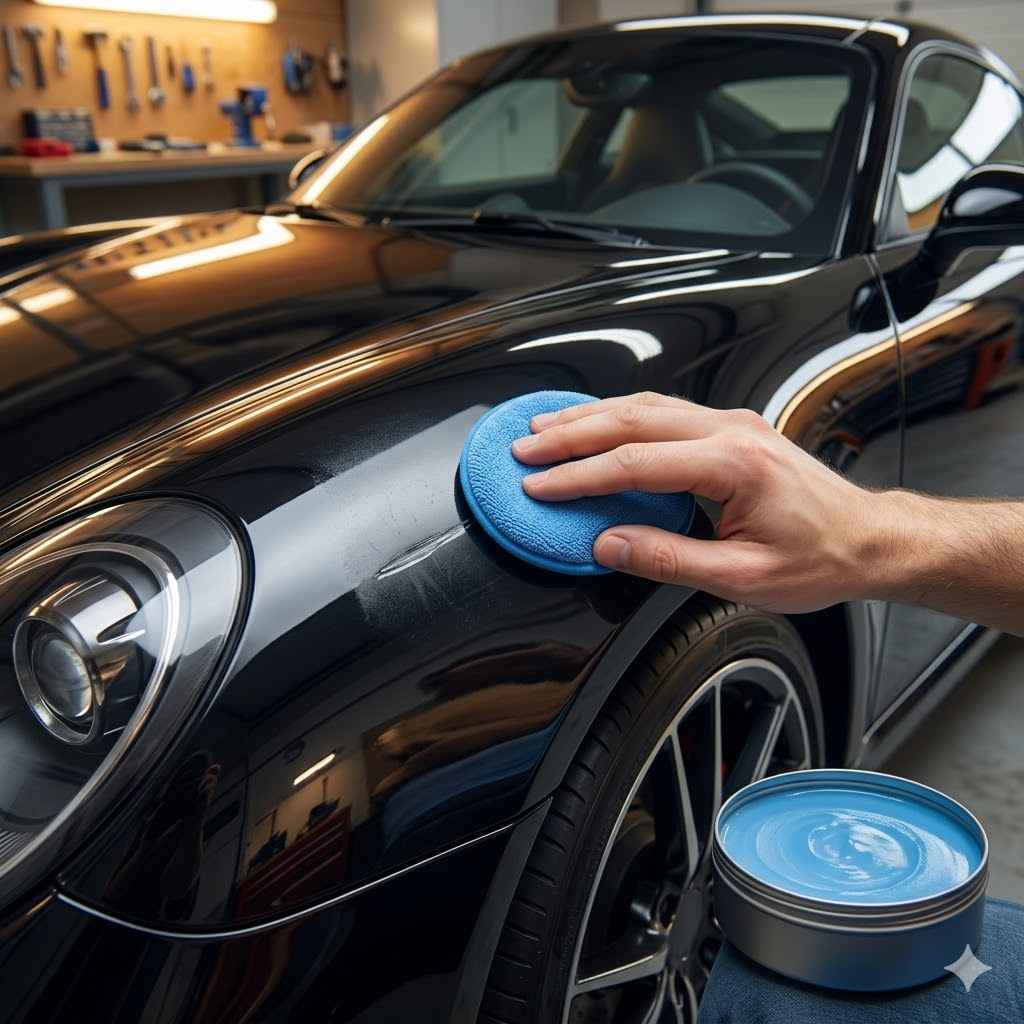
Car wax itself doesn’t typically remove scratches. It can fill in very fine ones and improve the paint’s shine, making them less noticeable. For actual scratch removal, you usually need abrasive polishes or compounds.
Understanding What Car Wax Does
Let’s talk about car wax. What is it really for? Think of wax as a protector.
It adds a shiny layer to your car’s paint. This layer helps keep dirt and water from sticking. It also gives the paint a nice, deep glow.
It’s like a shield for your car.
Wax has a few main jobs. It makes your car look better. It adds gloss and depth.
It also helps protect the paint from things like the sun’s rays. And it makes washing your car easier. Water beads up and rolls off.
Dirt doesn’t stick as much.
Some waxes are better than others. Natural waxes, like carnauba, give a warm glow. Synthetic waxes, or sealants, often last longer.
They provide strong protection. But no matter the type, their primary role is not to remove damage. It’s to enhance and protect what’s there.
The Truth About Wax Filling Fine Scratches
Here’s where confusion happens. Many people think wax removes scratches. This isn’t quite right.
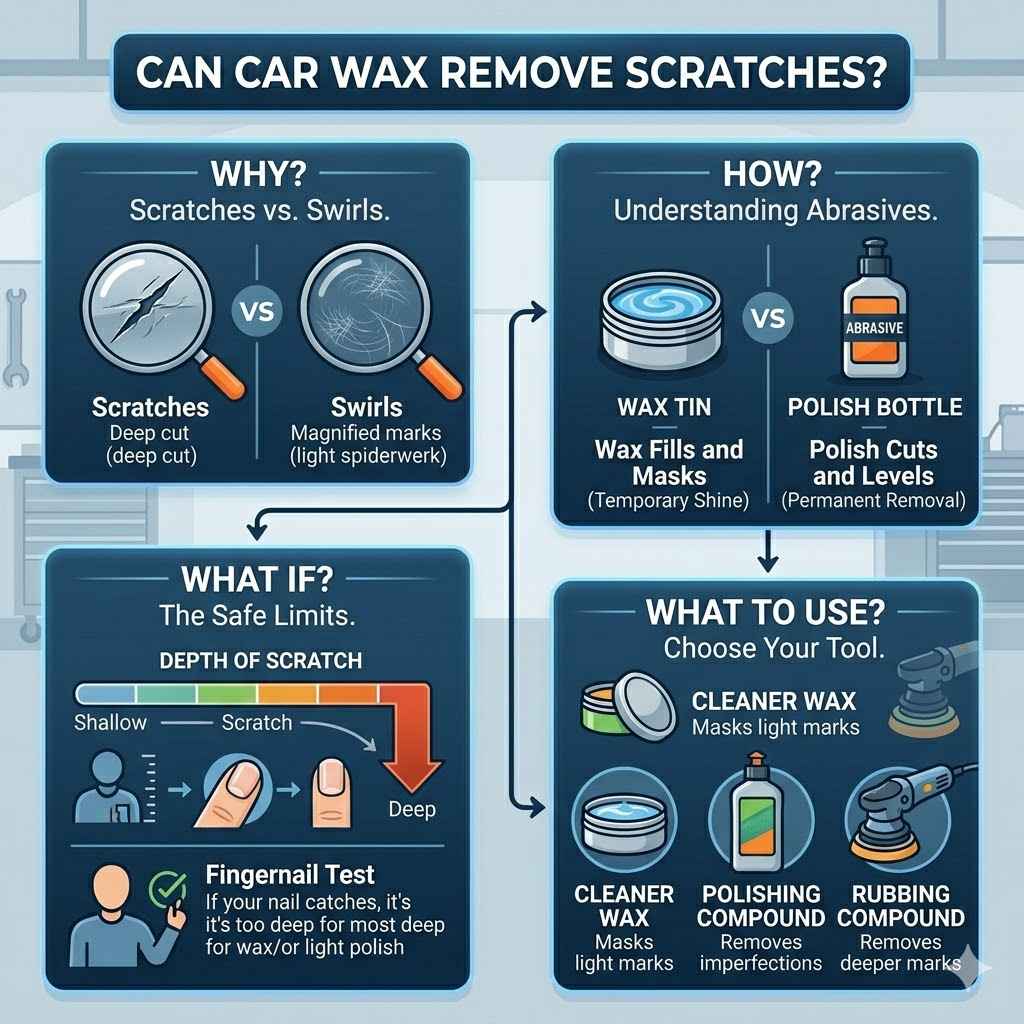
What wax can do is fill in the very, very minor ones. These are often called “clear coat scratches.” They are only in the top layer of paint.
When you apply wax, it’s a bit like putting on a clear coat. It can flow into these tiny gaps. Once the wax hardens, it can make that scratch surface look smooth again.
This makes the scratch much harder to see. It looks like it’s gone.
This effect is temporary. The wax will wear off over time. Rain, car washes, and sun will degrade it.
Then, the fine scratch might reappear. It’s a cosmetic fix, not a permanent repair. It’s important to know this difference.
Think of it like putting a temporary patch on a tiny hole in a wall. The hole is still there, but the patch makes it look smooth. Eventually, the patch might peel off.
The hole will show again.
When Wax Doesn’t Cut It: Deeper Scratches
What about scratches you can feel with your fingernail? Or the ones that show the primer or metal underneath? Car wax can do absolutely nothing for these.
They are too deep to be filled by a soft wax layer.
These deeper scratches have gone through the clear coat. They might have even gone through the color layer of paint. Wax is too soft and too thin to bridge such gaps.
It just won’t work. Trying to use wax on them will not help. It might even make them look worse.
These kinds of scratches need more than just a shiny coat. They need actual paint repair. This often involves removing material around the scratch.
Then, new material is added to fill it. Finally, the area is smoothed and color-matched.
The deeper a scratch is, the more aggressive the repair needs to be. Wax is for very light, surface-level issues. It’s not a magic eraser for car damage.
My Own “Wax Doesn’t Work” Moment
I remember washing my first car. It was a deep blue sedan. I loved that car.
One sunny afternoon, I noticed some light swirling marks on the hood. They were from washing it incorrectly. I’d used a dirty sponge.
I felt terrible.
I grabbed the cheapest car wax I could find. I thought, “This will fix it right up!” I applied it carefully. I buffed it to a high shine.
The paint looked great. The swirls seemed to disappear. I was so relieved.
For a few weeks, I felt like a detailing genius.
Then, after a couple of washes, the swirls started creeping back. The shine was still there, but the tiny lines were visible again. It hit me.
The wax had only hidden them. It hadn’t fixed them at all. That day, I learned a valuable lesson.
Car wax can hide, but it doesn’t heal.
It was a good lesson in managing expectations. Sometimes, what seems like a fix is just a temporary cover-up. Understanding the tool you are using is key.
The Role of Polishing Compounds and Rubbing Compounds
If wax can’t fix deeper scratches, what can? This is where polishing compounds come in. They are different from wax.
Compounds have very fine abrasives. These abrasives work by removing a tiny bit of the clear coat. They essentially level the paint surface.
Think of it like sanding. But it’s much, much finer. A polishing compound will take off a microscopic layer of paint.
This layer is around the scratch. When the surface is leveled, the scratch is gone. It’s no longer a dip.
The whole area is now smooth.
Rubbing compounds are even more aggressive. They have larger abrasive particles. They are for more significant scratches.
You must use them with caution. If you use too much rubbing compound, you can go too deep. You can damage the paint permanently.
It’s a delicate balance.
After using a compound, the paint will look dull. This is because you’ve removed the shiny clear coat. That’s why you always follow up with a polish.
A polish has even finer abrasives. It brings back the shine. And then, you apply wax for protection and extra gloss.
Scratch Repair: The Step-by-Step Process
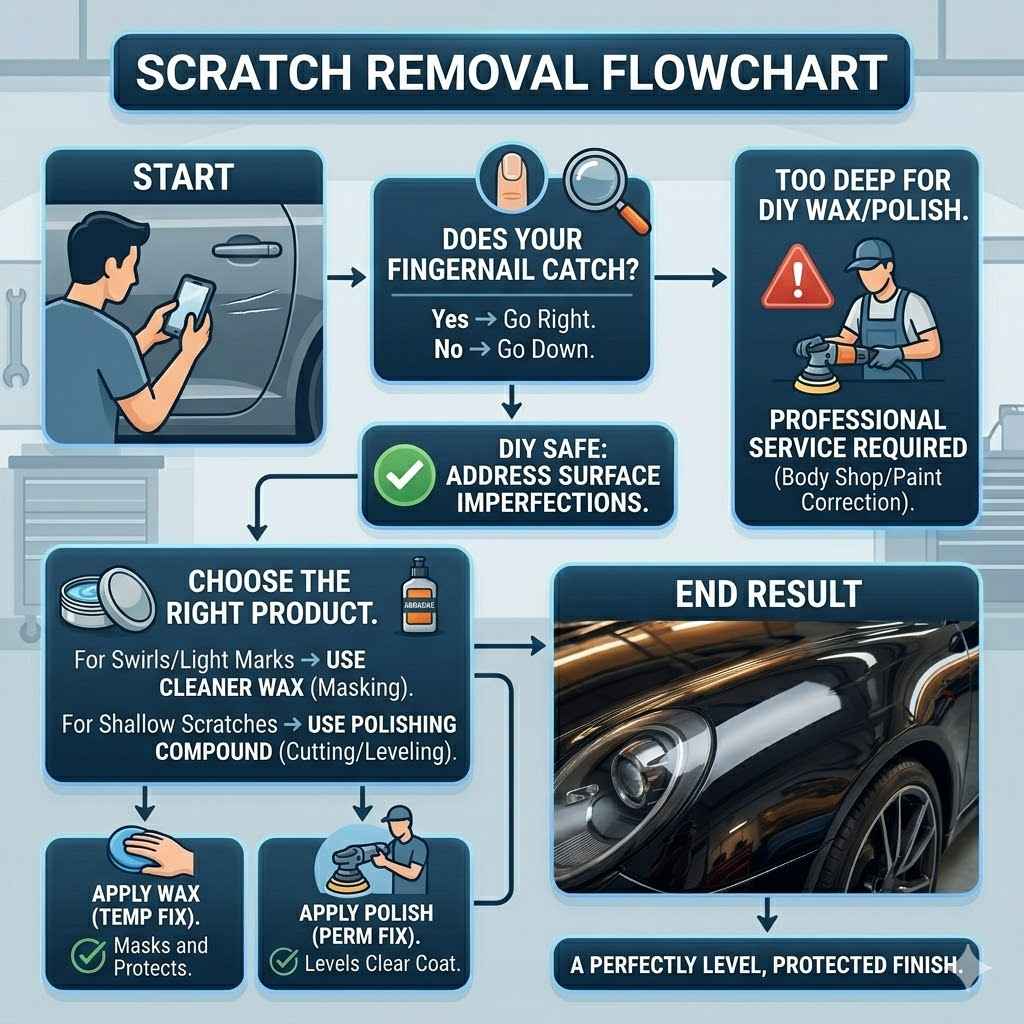
Step 1: Assess the Scratch. Can you feel it with your nail? If not, it might be shallow.
Step 2: Clean the Area. Wash the car thoroughly. Dry the spot well.
Step 3: Use a Compound. Start with a polishing compound. Apply a small amount to a foam applicator pad. Rub gently in a back-and-forth motion.
Don’t use circles yet.
Step 4: Check Your Work. Wipe away the residue. See if the scratch is gone or less visible.
Step 5: Use a Finer Polish. If the scratch is gone, use a less abrasive polish to restore shine.
Step 6: Apply Wax. Once the paint is smooth and shiny, add wax for protection.
Step 7: For Deep Scratches. You might need a rubbing compound first. Then a polish. Then wax.
Or professional help.
Understanding Different Types of Paint Damage
Car paint is layered. It’s not just one solid color. There’s the metal panel itself.
Then comes the primer. This helps paint stick. Next is the base coat, which is the color you see.
On top of that is the clear coat. This is the protective, shiny layer.
Most minor scratches happen only in the clear coat. These are often called swirl marks. They are usually caused by improper washing or drying.
Abrasive dirt particles get dragged across the paint.
Deeper scratches go through the clear coat. They might reach the color layer. You’ll see a color other than your car’s paint.
White primer or gray metal are common sights here.
The deepest scratches go through all layers. They reach the bare metal. This is a serious issue.
It can lead to rust. These need immediate attention.
Knowing the depth helps you choose the right method. Wax is for the surface. Compounds are for clear coat issues.
Professional help is often needed for deeper damage.
How to Properly Wash Your Car to Avoid Scratches
The best way to deal with scratches is to prevent them. This starts with how you wash your car. It sounds simple, but many people make mistakes.
These mistakes create those annoying swirl marks.
Always use two buckets. One bucket for soapy water. The other for rinsing your wash mitt.
This way, dirt doesn’t get back into your soap. Dip your mitt in soap. Wash a section of the car.
Rinse the mitt in the clean water bucket. Then dip back into the soap bucket.
Use a good quality microfiber wash mitt. They are soft and grab dirt gently. Avoid sponges.
They can trap grit against the paint. Use a car-specific soap. Dish soap is too harsh.
It strips wax and can damage paint.
When drying, use clean microfiber drying towels. They are highly absorbent. Pat or gently blot the water.
Don’t rub hard. Air drying can cause water spots.
Avoid washing your car in direct sunlight. The soap can dry too fast. This leaves streaks.
It also heats the paint, making it more prone to damage. Work in the shade if possible.
These washing habits prevent most clear coat scratches. This means less need for compounds and waxes to hide them.
Quick Scan: Wax vs. Polish vs. Compound
| Product | Main Job | Abrasiveness | Best For | After Use |
|---|---|---|---|---|
| Car Wax | Protection, Shine, Fill Minor Swirls | None | Sealing paint, temporary hiding of very light marks | Enhanced gloss, water beading |
| Polishing Compound | Leveling Clear Coat, Removing Light Scratches | Mildly Abrasive | Removing swirl marks, light clear coat scratches | Dull finish (needs polish/wax) |
| Rubbing Compound | Aggressive Leveling, Removing Deeper Scratches | Very Abrasive | Deeper clear coat scratches, heavy oxidation | Dull finish (needs polish/wax) |
When to Seek Professional Help
There are times when you should just take your car to a professional detailer or body shop. Don’t try to fix everything yourself.
If a scratch is very deep, and you can see primer or metal, it’s usually best to get expert help. Trying to fix it yourself can make it worse. You might remove too much paint.
Or apply new paint poorly.
Key damage like large gouges or deep scrapes often needs professional tools and skills. Professionals have specialized equipment. They also have years of experience.
They know how to match paint colors precisely.
If you’re unsure about the scratch’s depth, it’s safer to ask an expert. They can look at it. They’ll tell you what’s possible.
And what it might cost.
Think about the value of your car. For newer or more expensive cars, it’s often worth paying for professional repair. It protects your investment.
My Experience with a Professional Detailer
A few years back, someone keyed my car. It was a long, deep line right down the side. It went through the paint.
My heart sank. I knew this was beyond wax or even my own compound skills.
I found a reputable detailer in my area. They specialize in paint correction. I took my car in.
The owner looked at the scratch. He explained it was deep. He said it would need touch-up paint.
Then it would need wet sanding and compounding to blend it.
It took them a full day. When I picked up the car, I was amazed. I honestly couldn’t find the scratch anymore.
They did such a perfect job. The paint matched. The surface was smooth.
It was a huge relief.
The cost was more than a bottle of wax, of course. But the result was perfect. It showed me the value of knowing when to call in the experts.
My DIY skills are great for swirl marks. But for serious damage, you need a pro.
Signs You Need Professional Paint Repair
Deep Gouges: Scratches that cut deeply into the paint.
Color Layer Damage: When you see a color other than your car’s paint.
Metal Exposure: If you see bare metal, rust risk is high.
Key Scratches: Long, intentional marks often require expert work.
Large Areas of Damage: Widespread issues are hard for DIYers to fix evenly.
Lack of Confidence: If you’re not sure, it’s better to be safe than sorry.
Alternatives to Wax for Shine and Protection
While wax is popular, it’s not the only option for a great finish. Many people now use synthetic paint sealants. These are man-made products.
They often last longer than carnauba wax.
Ceramic coatings are another popular choice. They are more durable. They offer better protection against chemicals and UV rays.
They can last for years. They are applied as a liquid. Then they cure into a hard, protective layer.
Spray waxes and quick detailers are great for touch-ups. They can boost shine between full waxing sessions. They are easy to use.
Just spray and wipe.
The choice depends on your goals. Do you want a deep, warm glow? Try a carnauba wax.
Do you want long-lasting protection? Consider a sealant or ceramic coating. For a quick shine boost, spray wax is perfect.
These products also don’t fix scratches. They enhance the paint’s appearance and add a protective barrier. Their function is similar to wax in that regard.
They make the paint look good and stay protected.
What This Means for Your Car’s Scratches
So, back to the original question: Can car wax remove scratches? The short answer is generally no. It can hide very light, shallow ones temporarily.
For anything more, you need products with abrasives. These are polishing and rubbing compounds. They work by removing small amounts of paint to level the surface.
Knowing the difference is important. Using the wrong product can cause more harm than good. For instance, using a rubbing compound when wax would suffice can damage your paint.
Always start with the least aggressive method. Try a gentle cleaner first. Then a fine polish.
Then a coarser polish if needed. Wax is the final step for shine and protection.
Think of your paint like your skin. A light moisturizer helps with dryness. But a deep cut needs stitches.
Wax is the moisturizer. Compounds and professional work are the stitches.
When is a Scratch “Normal”?
It’s normal to get minor scratches on your car. Life happens. Door dings in parking lots.
Light scuffs from everyday use. These are part of owning a car. Especially if you drive it regularly.
Swirl marks from washing are also very common. Most car owners get them at some point. They are usually only in the clear coat.
A few tiny nicks or chips might also appear over time. These are not usually cause for alarm if they are small and isolated.
What’s not normal is deep damage. Or widespread scratches. Or scratches that lead to rust.
These need attention. Don’t ignore them.
Your car’s paint is designed to protect the metal. When that protection is compromised, you need to address it. Minor wear and tear are expected.
Major damage is not.
Quick Checks You Can Do Yourself
Before you rush to a shop, you can do a few simple checks.
The Fingernail Test: Gently run your fingernail across the scratch. If your nail catches or snags, the scratch is likely deep. It has gone through the clear coat.
If your nail glides over it, it’s probably a surface-level issue.
Look for Color: Does the scratch show the color of your car? Or does it show white, gray, or another color? White usually means primer.
Gray or silver means bare metal.
Feel the Surface: After washing and drying, feel the scratch. Is it rough? Or smooth?
Roughness indicates damage that needs attention.
Check for Rust: If you see any orange or reddish-brown spots around the scratch, it’s rust. This needs immediate professional attention.
These simple checks give you a good idea of the scratch’s severity. This helps you decide your next step.
The Final Verdict on Car Wax and Scratches
Let’s wrap this up. Can car wax remove scratches? No, not in the way you might hope.
It can mask them. It can fill tiny imperfections. It makes them less visible for a while.
But for actual scratch removal, you need abrasives. You need polishing compounds. Sometimes rubbing compounds.
And always a good polish afterward to restore shine.
Prevention is key. Proper washing and drying methods will save you a lot of trouble. Always be gentle with your car’s paint.
Know your products. Understand what wax, polish, and compounds do. And when in doubt, seek professional advice.
Taking care of your car’s paint is a journey. Knowing the right tools makes it much easier.
Frequently Asked Questions About Car Wax and Scratches
Does car wax fill in minor scratches?
Yes, car wax can temporarily fill in very fine scratches, often called swirl marks. It does this by adding a layer of protection that smooths the surface. This makes the scratches less noticeable. However, this effect is temporary as the wax wears away.
What is the difference between car wax and polish?
Car wax is a protective layer that adds shine. It contains no abrasives. Polish, on the other hand, contains very fine abrasives. It works by removing a thin layer of the clear coat to level the paint surface and remove defects like light scratches. Wax is applied after polishing.
Can I use a rubbing compound on my car?
You can use a rubbing compound, but with caution. Rubbing compounds are more aggressive than polishing compounds. They are for deeper scratches. Using too much or rubbing too hard can damage your paint by removing too much clear coat. Always test in an inconspicuous area first and follow product instructions.
How do I know if a scratch needs professional repair?
If you can feel a deep scratch with your fingernail, or if the scratch shows primer or bare metal, it likely needs professional repair. Also, if there is any sign of rust, seek expert help immediately. Deep gouges are usually best left to professionals.
What is the best way to prevent scratches on my car?
The best way to prevent scratches is through proper washing and drying techniques. Use the two-bucket method, a microfiber wash mitt, and clean microfiber drying towels. Avoid washing in direct sunlight or using harsh soaps. Regular waxing or applying a sealant also adds a protective layer.
Can car wax remove swirl marks?
Car wax alone cannot remove swirl marks. It can temporarily hide them by filling them in slightly, making them less visible. To truly remove swirl marks, you need to use a polishing compound to level the clear coat. Wax is then applied to protect the corrected surface.
Sponsored / affiliate links. As an Amazon Associate I earn from qualifying purchases. I may earn additional commission from eligible campaigns.