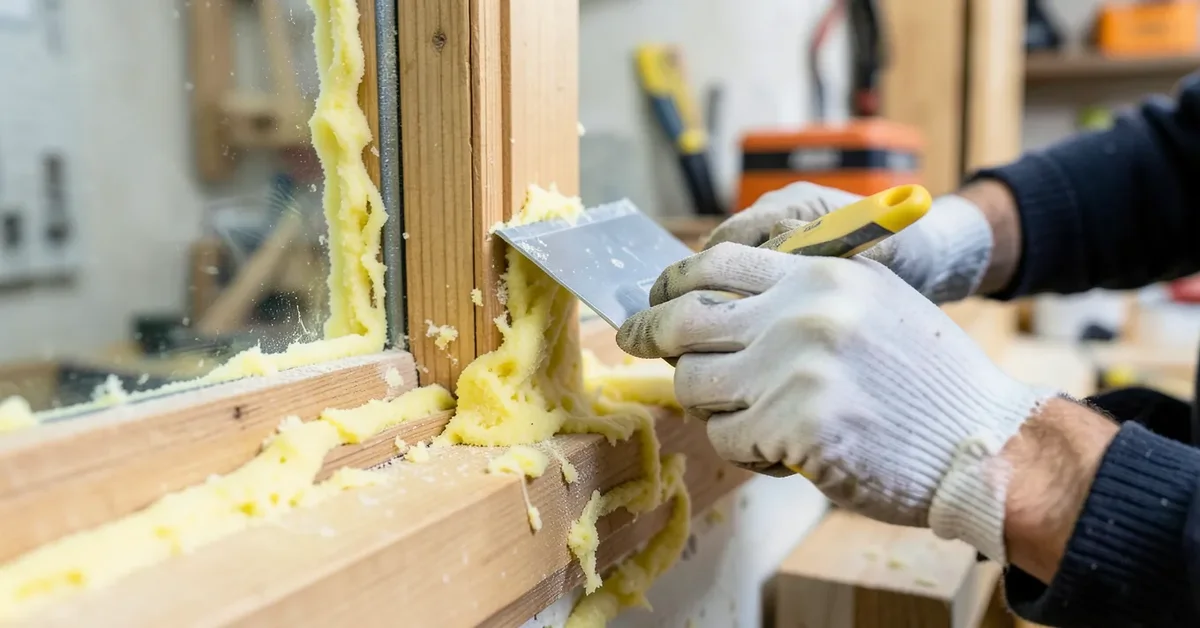
How to Remove Great Stuff Foam from Wood (Wet vs. Cured)
Once Great Stuff spray foam has cured, cut away the bulk with a utility knife or putty knife, then dissolve the residue left in the wood grain with acetone or mineral spirits. While it’s still wet and uncured, plain acetone on a rag wipes it up in seconds – the trick with this foam is entirely about timing, not brute force.
One thing worth correcting up front: white vinegar does not break down cured polyurethane spray foam. It’s a common tip repeated online, but the foam is chemically inert to a mild acid like vinegar once it’s set – you’ll just have a wet mess and a foam blob that hasn’t moved. Acetone, mineral spirits, or a citrus-based adhesive remover are what actually work.
Wet Foam vs. Cured Foam
Best Gentler Option for Finished Wood
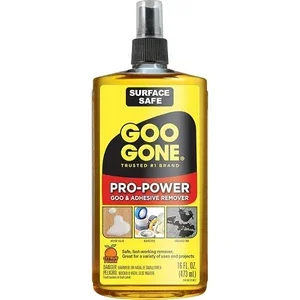 |
Goo Gone Pro-Power – $12.99 A citrus-based option for cleaning up the thin foam residue left behind on painted or finished wood, without the finish risk acetone carries.
|
Great Stuff cures by reacting with moisture in the air, and that timeline changes everything about how you should approach it:
- Still wet or tacky (under about an hour): Wipe it immediately with a rag dampened in acetone. This is by far the easiest window to work in – the foam hasn’t bonded into a rigid structure yet.
- Partially cured (a few hours): It’s tacky and stringy rather than liquid. A plastic scraper works better than a rag at this stage; acetone will soften it further but won’t fully dissolve it anymore.
- Fully cured (24 hours or more): The foam is now a rigid, closed-cell plastic. It has to be cut and scraped off mechanically first – solvents at this stage only clean up the thin residue layer left behind, they won’t dissolve the bulk of it.
Removing Fully Cured Foam
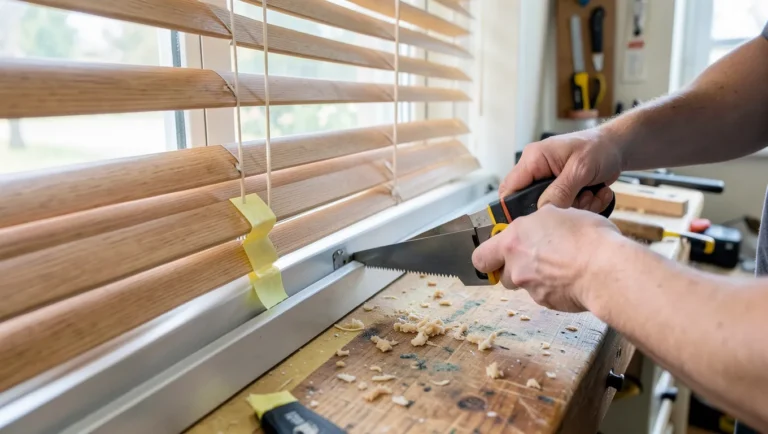
- Cut away the bulk first. Use a sharp utility knife to slice the foam close to the wood surface, working in small sections. A serrated knife (even a bread knife) also works well on larger overflows.
- Scrape what’s left with a plastic putty knife, not metal – plastic won’t gouge the wood the way a metal scraper can if the blade catches the grain.
- Dissolve the thin residue layer with acetone or mineral spirits on a rag. Let it sit for a minute or two to soften, then wipe.
- Test the solvent on a hidden spot first if the wood is finished (painted, stained, or varnished). Acetone in particular can strip or cloud many finishes – on unfinished/raw wood this isn’t a concern, but on a finished surface it’s a real risk.
- Sand lightly with fine-grit (220) sandpaper if any haze or residue remains after the solvent step, then wipe away the dust.
A Heat Gun Can Help on Stubborn Spots
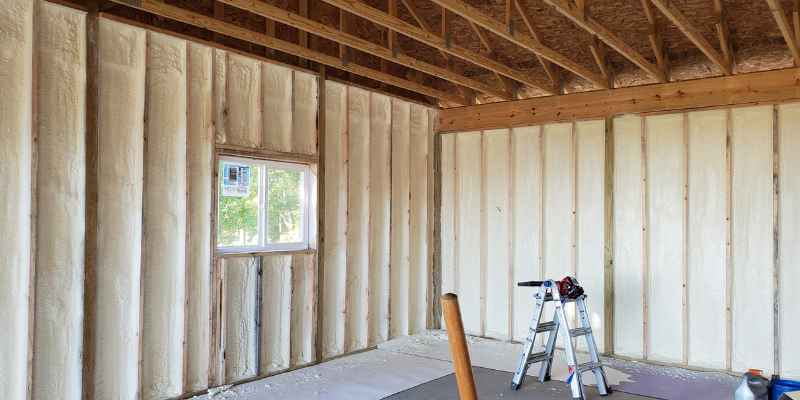
A heat gun on a low setting, held a few inches back and kept moving, softens cured foam enough to scrape more easily – this works because the foam softens well below the temperature that would scorch bare wood. Never hold it in one spot, and keep it well away from any finished surface, since most wood finishes will bubble or discolor under direct heat gun exposure long before the wood itself is at risk.
Why Vinegar Doesn’t Work (and What Actually Does)
Great Stuff is a polyurethane foam – a plastic, not an organic residue like grease or food buildup that a mild acid can break down. That’s the reason vinegar tips for this specific job don’t pan out in practice, even though vinegar is genuinely useful for plenty of other cleaning jobs. What does work on the residue layer:
- Acetone – fastest and most effective, but can affect finishes and some plastics.
- Mineral spirits – slower but gentler, a reasonable first try on a finished surface.
- Citrus-based adhesive removers (like Goo Gone) – gentler still, safer on paint and most finishes, and effective on the thin residue layer even if they won’t touch a thick cured blob on their own.
Safety Notes That Actually Matter
Skip the drama and focus on what’s real: wear gloves, because cured foam bonds to skin almost as well as it bonds to wood, and cheap nitrile gloves save you a genuinely annoying cleanup. Work in a ventilated space, since acetone and mineral spirits both have strong fumes in an enclosed room. If you’re cutting foam that’s still wet, keep it away from open flame or a running heat source until it’s cured – the aerosol propellant is flammable while wet, though once cured the foam itself is not a significant fire risk in normal household use.
Preventing the Mess Next Time
- Mask off wood surfaces with painter’s tape and a drop cloth before spraying, especially around window and door frames.
- Use a foam gun with a shut-off valve instead of the straw-nozzle cans – it gives far more control over where the foam actually goes.
- Apply in smaller passes. Great Stuff expands 3-4x its wet volume, and most overspray messes come from applying too much at once, not from a bad aim.
- Keep acetone or a citrus adhesive remover on hand while you work so any stray foam gets wiped up in its first few wet minutes, when cleanup is genuinely fast.
Frequently Asked Questions
How do I safely remove Great Stuff foam?
Cut away the bulk with a utility knife, scrape the rest with a plastic putty knife, then dissolve the thin residue left behind with acetone or mineral spirits. Wear gloves and work in a ventilated space, and test any solvent on a hidden spot first if the wood is finished.
Can I use vinegar to remove foam from wood?
No. Vinegar does not break down cured polyurethane foam – it’s a plastic, not the kind of residue vinegar’s mild acidity dissolves. Acetone, mineral spirits, or a citrus-based adhesive remover are the products that actually work.
What tools do I need for removal?
A utility knife for cutting away the bulk, a plastic putty knife for scraping (metal can gouge the wood), a solvent such as acetone or mineral spirits for the residue, gloves, and a well-ventilated space. A heat gun on low can help soften stubborn cured spots.
Is Great Stuff foam removable after it dries?
Yes, though it takes more effort than removing it wet. Once cured, cut and scrape the bulk off mechanically first, then use a solvent to clean up the thin residue layer left in the wood grain.
Bottom Line
Great Stuff foam comes off wood easily while it’s still wet with a simple acetone wipe, and with a bit more mechanical effort (cut, scrape, then solvent) once it’s cured. Skip the vinegar – it doesn’t touch this specific plastic – and always test a solvent on a hidden spot first if you’re working on finished wood.
Sponsored / affiliate links. As an Amazon Associate I earn from qualifying purchases. I may earn additional commission from eligible campaigns.