Best Wood Conditioners for Staining (2026): Research Shows
Use a pre-stain wood conditioner on pine, fir, spruce, alder, birch, maple, and cherry only when applying pigment stain or wiping stain that can blotch; skip it for film-forming gel stains and for woods that stain evenly. If you skip the wrong step, blotches, lap marks, and muddy color can waste the board and force a full refinish. This guide explains which conditioner matches each wood species, when water- or oil-based stain changes the result, and when a different finishing strategy works better.
Quick comparison
| Product | Badge | Best for | Price | ||
|---|---|---|---|---|---|
 |
1/2 pt Minwax 13407 Clear Pre-Stain Wood Conditioner, 1/2Minwax | Our pick | 1/2 pt · Pre-stain conditioner · Clear | $8.88
Price as of 31 Oct 2026
|
View |
 |
Varathane Pre-Stain Wood Conditioner | Promotes Even ColorVarathane | Also great | Quart · Water-based conditioner · Clear | $20.48
Price as of 31 Oct 2026
|
View |
 |
General Finishes Oil Based Pre-Stain Wood Conditioner, 1/2General Finishes | Budget pick | 1/2 pint · Oil-based conditioner · Clear | $28.95
Price as of 31 Oct 2026
|
View |
Start with species, then match the stain base, then check whether the project includes plywood faces, edge grain, or end grain. Those details decide whether conditioner helps, or whether gel stain, dye stain, or a different sealer plan will give a cleaner result.
How we chose
We compared the products and guidance by four practical filters: wood species fit, stain-base compatibility, drying window, and cleanup burden. Also check whether each option fits softwoods, porous hardwoods, or mixed-substrate work, because that is where conditioner matters most.
Spec sheets and published product details matter here more than marketing language. A conditioner that looks simple can still fail if the stain base does not match, or if you wait too long before staining.
Wood species decision matrix
| Wood species or project type | Stain base | Blotch risk | Expected color shift | Common failure mode | Decision |
|---|---|---|---|---|---|
| Pine, fir, spruce | Oil or water, matched to conditioner | High | Often 20-30% lighter than bare wood stain | Dark patches and lap marks from uneven absorption | Use conditioner |
| Construction-grade pine | Oil-based stain | Very high | Lighter, flatter color with less dark grain grab | Patchy bands around knots, growth rings, and soft earlywood | Use conditioner |
| Birch, maple, alder | Oil or water, matched to conditioner | Medium to high | More even tone, but less depth | Blotches on broad faces and darker edges at joints | Use conditioner |
| Cherry | Pigment stain | Medium | Some evening, but color can still go muddy | Uneven warm-dark patches and uneven end grain uptake | Test only |
| Oak | Oil or water | Low to medium | Usually little shift from conditioner | Little blotch; risk is mainly filling texture too much | Skip conditioner |
| Walnut, mahogany, teak, other tropical hardwoods | Oil or water | Low | Usually little benefit; can mute depth | Softening the look rather than fixing a real problem | Skip conditioner |
| Plywood faces with veneer, edge grain, end grain, mixed materials | Any base, matched carefully | Variable | Uneven across layers and grain directions | Face veneer and cut edges accept stain at different rates | Test only |
Do you need wood conditioner before staining?
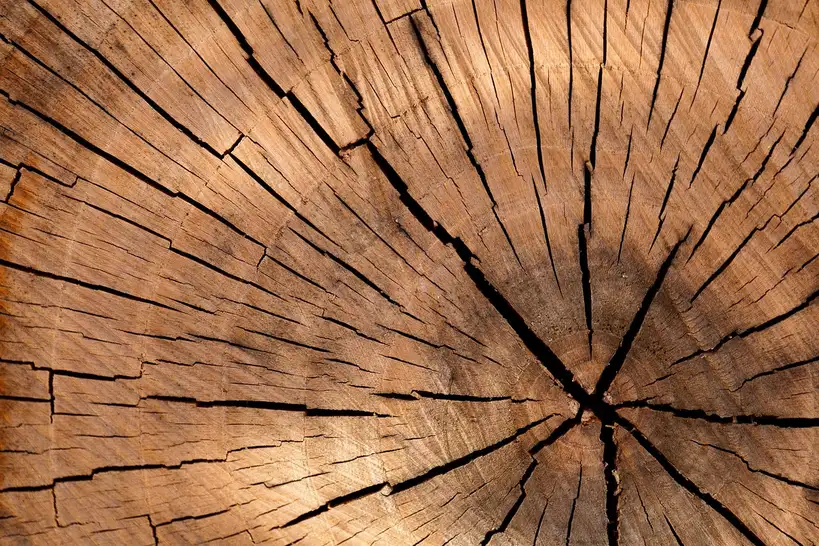
Use conditioner when the wood drinks stain unevenly, especially on pine, fir, spruce, birch, maple, and alder. Skip it on woods that already stain evenly, and switch plans if the project is plywood, end grain, or a mixed-material assembly where the real problem is not blotching alone.
Conditioner helps most when you want a more even first coat and can accept a lighter final color. It is optional when the stain is already behaving well, and it is the wrong fix when the board needs a different finish system entirely.
When conditioner helps most
It helps most on bare wood with visible absorption differences across face grain, soft growth rings, knots, and patchy porous areas. White pine is a common example; the product is often used on it to reduce over-absorption. The result is usually more uniform color, not a darker finish.
When it is optional
It is optional when the species usually takes stain evenly or the color goal is forgiving. Oak and walnut often fall in that group. If the stain sample already looks even on scrap, conditioner may add a step without enough payoff.
When another finish plan is better
If you need darker, more predictable color on blotch-prone wood, gel stain or dye stain can be a better fix than conditioner. Gel stain sits closer to the surface and evens out absorption, while dye stain can color the wood with less grain grab. That matters on cherry, maple, and plywood faces.
Prepare the board, apply the conditioner evenly, and stain within the stated window. Most conditioners require about 15-30 minutes of drying time before stain, and many go on clear and dry in about 15 minutes. The exact window depends on the label, so read the product directions before you start.
- Sand to the final grit and remove all dust.
- Apply conditioner evenly across the bare wood.
- Let it dry for the label-recommended window.
- Apply stain soon after drying.
- Wipe back excess stain at the usual time for that stain type.
- Inspect the color before moving on to topcoat.
Say your 12-inch maple shelf still shows pale stripes near the board edges after sanding. Condition one half and leave the other half bare on a scrap board first. If the conditioned side looks more even but lighter, you have a clear read before the real piece gets stained.
For oil-based conditioner, mineral spirits cleanup is the usual match, and the odor and VOC load are higher than with water-based products. For water-based conditioner, soap-and-water cleanup is the advantage. That cleanup difference can matter as much as the stain result.
Pre-stain conditioner: best for softwoods
Softwoods and porous hardwoods are the main use case. Pine, fir, spruce, birch, maple, and alder are all listed as woods that can benefit from conditioner. The goal is to partially fill the surface so the stain does not soak in at wildly different rates.
Best for pine, fir, and spruce
Pine, fir, and spruce can blotch because the earlywood and latewood absorb stain differently. Construction-grade pine tends to blotch more because density changes, knots, and resin pockets are more pronounced. That is why conditioner often earns its place on shelving, trim, and basic furniture made from those boards.
Why construction-grade pine blotches more
Boards sold for utility work often have wider grain contrast and more variation from board to board. That produces darker islands and pale stretches in the same face. Conditioner can reduce the contrast, but it will not make low-grade pine look like a premium hardwood.
Common application mistakes
Apply conditioner after final sanding and before stain. Waiting too long weakens the effect, and over-application can leave the surface too sealed, which can make stain sit on top and look weak or streaky. A common first-timer mistake is brushing on a heavy coat and then waiting for the stain to dry out while the board sits.
Water-based conditioner: best for low-odor cleanup
Choose water-based conditioner when you are pairing it with a water-based stain and want soap-and-water cleanup. It usually has lower odor than oil-based products. That makes it easier to use in a small shop, a garage with limited airflow, or any indoor project with short cleanup windows.
Pair it with water-based stain
Water-based conditioner should be used with water-based stains. Matching the base matters because the stain and conditioner need to behave as a system, not as unrelated layers. Mixing bases can give uneven penetration or poor bonding.
When soap-and-water cleanup matters
This option is convenient when you want less solvent cleanup and faster reset between coats. It is also practical when you are using a foam brush or other disposable applicator and want an easier washout path.
Limits to expect on dark stains
Conditioner can make stained wood 20-30% lighter than unconditioned wood, so the final color may not reach a deep tone on the first pass. That is helpful on blotch-prone wood, but it can frustrate you if the goal is a very dark walnut-like look. In that case, gel stain or dye stain may be the better route.
Dewaxed shellac: best for tricky species
Dewaxed shellac can function as a conditioner or sanding sealer on troublesome wood. It is useful when a standard conditioner does not control absorption enough, especially on mixed-grain or repair-heavy projects. It can also be diluted with denatured alcohol to change flow and build.
When shellac outperforms standard conditioner
Shellac can help when you need a more controlled seal before stain or when you want a faster-drying barrier on a difficult surface. It is a practical choice for trouble spots, repairs, and species where light sealing is enough to tame the stain response. It is not a universal substitute for every finish schedule.
How denatured alcohol dilution changes flow
Diluting dewaxed shellac with denatured alcohol lowers viscosity and can make the coat spread more evenly. That matters when you need a thin, even barrier rather than a heavy film. The tradeoff is less build per coat, so the surface may still need careful sanding before stain.
Species and projects where it helps
It is often considered on maple, birch, alder, figured stock, patch repairs, and blended substrates where a standard conditioner does not settle the color enough. It can also help on small areas that need localized control, such as plugs, patches, and edge banding.
Which one should you buy?
Start with the stain system you plan to use. If you are staining pine or another softwood with an oil-based stain, an oil-based conditioner is the straightforward match. If you want lower odor and water cleanup, pick the water-based option and pair it with a water-based stain.
Budget-first choice
The Minwax Clear Pre-Stain Wood Conditioner is the budget-first pick here at about $8.88. It is a simple option for oil-based staining on unfinished wood, and the brand has long category recognition. The drawback is that it is tied to the oil-based side of the aisle, so cleanup uses mineral spirits and the odor is stronger.
Best choice for softwoods
Varathane Pre-Stain Wood Conditioner is the strongest fit when you want water-based compatibility, quick drying, and soap-and-water cleanup. Based on the published details, it suits softwoods and porous woods that need faster turnaround. The main drawback is that it must be paired with a water-based stain, so it is not the universal answer for every shop shelf.
Best choice for blotch-prone hardwoods
General Finishes Oil Based Pre-Stain Wood Conditioner is the best fit when you want an oil-based conditioner for soft and porous wood with flexible application methods. It can be brushed, wiped, or padded on, which helps on varied surfaces. The drawback is the stronger solvent profile, and the price is higher than the other two options.
Suppose a small birch side table needs a warm brown stain, but a scrap piece shows dark clouds near the edge grain. Conditioner may help enough for a lighter, more even tone. If the goal is a deep coffee color, a gel stain or a dye-based plan is more likely to deliver it cleanly.
Frequently asked questions
When to use wood conditioner before staining
Use conditioner on bare wood after final sanding and before stain when the species is prone to blotching or when a scrap test shows uneven absorption. It is most useful on pine, fir, spruce, birch, maple, and alder. It is less useful on woods that already accept stain evenly.
Do you need wood conditioner before staining: no, not always?
No, not always. You need it when the wood species or project type tends to absorb stain unevenly, and you do not want to switch to gel stain, dye stain, or shellac sealing. On oak, walnut, and other even-staining woods, it is often unnecessary.
Which woods need pre-stain conditioner?
Pine, fir, spruce, birch, maple, and alder are the most common candidates. Construction-grade pine is especially blotch-prone. Cherry can also benefit from a test piece because pigment stain can go muddy, even though the fix may be a different finish strategy rather than a standard conditioner.
How long should wood conditioner dry before staining?
Most conditioners require about 15-30 minutes of drying time before stain, and some products are described as dry in about 15 minutes. Follow the label on the container, because waiting too long reduces effectiveness. Stain soon after the conditioner dries.
Can you use shellac as a wood conditioner?
Yes. Dewaxed shellac can function as a wood conditioner or sanding sealer, and it can be diluted with denatured alcohol. It is useful on tricky species and mixed projects, especially when a standard conditioner does not control absorption enough. Match the finish plan carefully before staining.
Sponsored / affiliate links. As an Amazon Associate I earn from qualifying purchases. I may earn additional commission from eligible campaigns.