How to Remove Hardwood Floor Polish (the Method That Actually Works)
Before you reach for vinegar or lemon juice, know this: “hardwood floor polish” (the Bona, Weiman, or similar bottled products) is usually an acrylic coating, not wax — and mild household acids don’t reliably dissolve it. That’s the mistake behind most of the “I scrubbed for an hour and the cloudy film is still there” complaints. This guide covers what floor polish actually is, the method that actually removes it, and what to do if yours is peeling in patches instead of just looking dull.
What “Hardwood Floor Polish” Actually Is
Best Way to Strip Polish Buildup
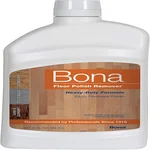 |
Bona Floor Polish Remover – $14.61 Made specifically to break down acrylic floor polish buildup — unlike vinegar or lemon juice, which mostly just clean the surface.
|
Products sold as hardwood floor “polish” (Bona Polish, Weiman Hardwood Floor Polish, and similar) are typically water-based acrylic coatings applied on top of your floor’s existing urethane finish — not a wax, and not the finish itself. They’re meant to be a renewable protective/shine layer you can strip and reapply without sanding. That distinction matters because it changes what actually removes them:
| What You Have | What Removes It |
|---|---|
| Acrylic floor polish buildup (cloudy, sticky, or peeling) | A dedicated acrylic polish remover, or an ammonia-and-water solution — not vinegar |
| Old paste wax (older floors, pre-polyurethane era) | Mineral spirits or a wax-specific remover |
| The urethane finish itself is worn through | Screening/recoating or full sanding — a topical remover won’t fix this |
Signs You Need to Strip the Polish Layer
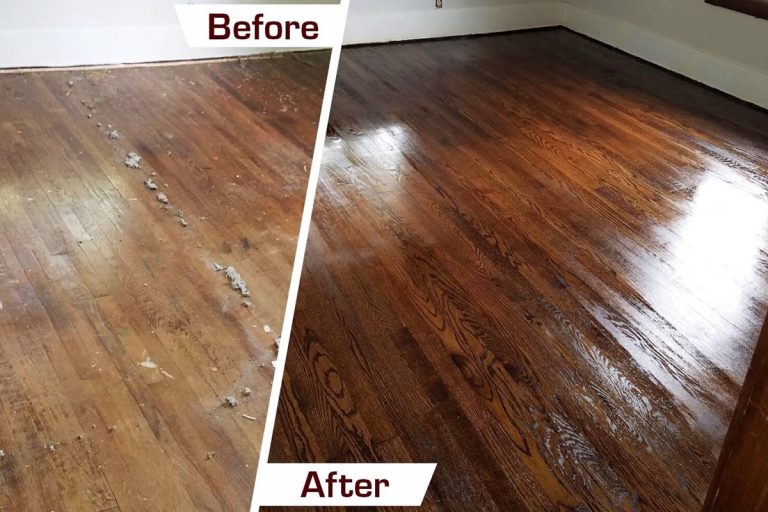
- Dull or cloudy appearance: Repeated polish coats without stripping between applications build up a hazy film that scatters light instead of reflecting it cleanly.
- Sticky or tacky surface: Usually means a coat was applied too thickly, over dirt, or without letting a previous coat cure fully.
- Peeling in patches: This happens when new polish is applied over a floor that wasn’t fully clean (often residual wax or cleaner residue prevents proper bonding), or over polish that had already started to fail. Patchy peeling needs a full strip, not a spot touch-up — a new coat over a peeling one just peels again.
- Floor looks too shiny, not too dull: Some people want less gloss, not more shine. If that’s your situation, the fix is the same first step (strip the built-up polish) but skip reapplying a high-gloss product afterward — choose a matte or satin finish instead, or leave the underlying urethane finish bare if it’s still in good shape.
How to Actually Strip Acrylic Floor Polish
Option 1: A Dedicated Polish Remover (Most Reliable)
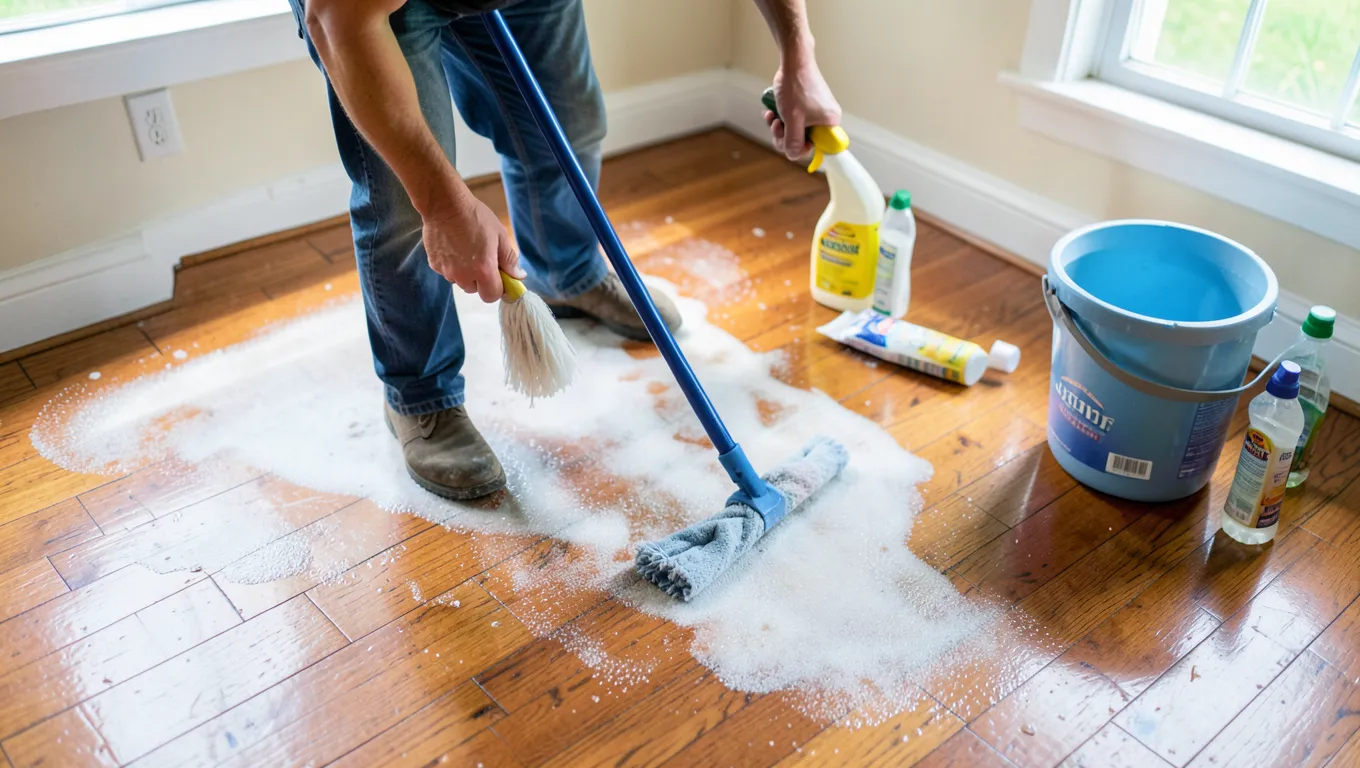
Products made specifically to strip acrylic floor polish are formulated to break the coating down without needing aggressive scrubbing. Apply according to the label, let it dwell for the stated time, then remove with a clean mop or cloth — usually 1-2 applications fully clear normal buildup. This is the method to use if you’re dealing with patchy peeling, since it lifts the whole compromised layer rather than just cleaning the surface.
Option 2: Ammonia and Water (DIY Alternative)
A diluted ammonia solution (check your specific finish first with a small hidden-spot test) is the DIY method that actually cuts through acrylic polish, unlike vinegar or lemon juice, which are too mild an acid to reliably dissolve it. Work in a well-ventilated room, never mix ammonia with any bleach-containing product, and rinse thoroughly afterward — leftover ammonia residue can interfere with a new finish coat bonding properly.
Where Vinegar and Baking Soda Still Help
A vinegar-water solution or a baking soda paste is genuinely useful for routine cleaning and light surface grime, and won’t harm most finishes when well diluted. Just don’t expect either one to strip a built-up acrylic polish layer — that’s a job for a real stripper or ammonia, not a mild acid.
Preparing the Floor Before You Strip It
- Clear the room of furniture and rugs.
- Sweep or vacuum thoroughly — loose grit will scratch the finish once you start working the remover in.
- Patch-test your chosen remover on a hidden spot (a closet corner works well) and wait a few minutes to check for any discoloration before treating the whole floor.
Rinsing, Drying, and Reapplying Finish
Rinse with a barely-damp mop and clean water to lift any remover residue, then dry immediately with a soft cloth or towel — standing water is the main way people accidentally damage hardwood during this process. Once fully dry, you can leave the floor bare if the underlying finish still looks good, or apply a fresh coat of polish or finish. Water-based finishes dry fast with low odor; oil-based finishes take longer to cure but add a warmer amber tone. Two to three thin coats, fully dried between each, is typical.
Common Mistakes That Cause Peeling or Cloudiness to Come Back
- Applying new polish over old polish without stripping first — this is the single biggest cause of the “thick, cloudy” look this guide opened with.
- Using vinegar or an all-purpose cleaner as your only stripping method — it cleans surface dirt but leaves the acrylic buildup mostly intact, so the cloudiness returns fast.
- Applying a new coat over a floor that isn’t fully dry or fully clean — residue left behind is a common cause of patchy peeling later.
Frequently Asked Questions
Does Vinegar Remove Hardwood Floor Polish?
Not reliably. Vinegar is a mild acid and works fine for routine surface cleaning, but it doesn’t dissolve a built-up acrylic polish layer the way a dedicated polish remover or a diluted ammonia solution does. If cloudiness returns quickly after cleaning with vinegar, the buildup is still there underneath.
Why Is My Hardwood Floor Polish Peeling in Patches?
Patchy peeling usually means a new coat was applied over residue (wax, cleaner, or dirt) that prevented proper bonding, or over an already-failing polish layer. The fix is a full strip back to the clean finish, not a spot touch-up, since a new coat over a peeling one will peel again.
My Floor Is Too Shiny — How Do I Reduce the Gloss?
Strip the built-up polish the same way you would for cloudiness, then either leave the underlying finish bare if it looks good, or apply a matte or satin-finish product instead of a high-gloss one. The shine comes from the topical polish layer, not the wood itself.
How Often Should Floor Polish Be Stripped and Reapplied?
Most homes need a full strip-and-recoat every 6-12 months, sooner in high-traffic areas. Stripping before every reapplication (rather than layering new polish on old) is what actually prevents the cloudy buildup this guide addresses.
Sponsored / affiliate links. As an Amazon Associate I earn from qualifying purchases. I may earn additional commission from eligible campaigns.