How to Remove Ink Stamp from Plywood: Easy Clean-Up Tips
Start with rubbing alcohol, not acetone. Isopropyl alcohol lifts most ink stamps off plywood without touching the finish underneath, while acetone is a genuine solvent that can strip paint, lacquer, and some polyurethane finishes right along with the ink. Reserve acetone for bare, unfinished plywood only, and even then, test it on a hidden spot first.
Test The Finish Before You Start
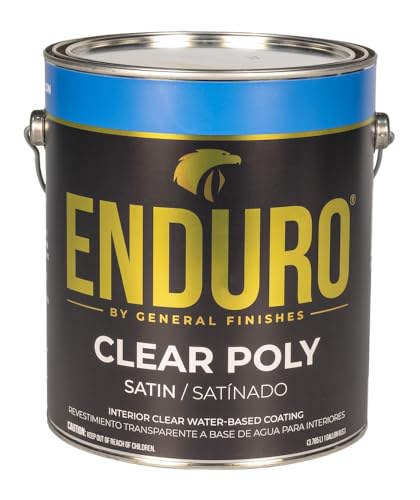
Best Finish-Safe Ink Remover
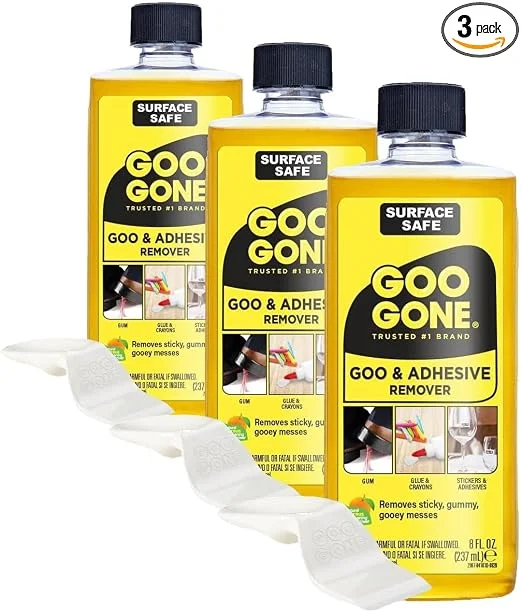 |
Goo Gone Original Liquid, 8 Fl Oz – $9.99 A milder option than acetone when rubbing alcohol alone doesn’t fully lift the stamp on a finished surface.
|
Whether plywood is finished (painted, stained, or sealed) or bare changes which products are safe to use – this is the step most quick-tip guides skip, and it’s the difference between lifting the ink and stripping your finish along with it.
- Bare/unfinished plywood: more removal options are safe, including light sanding, since there’s no finish layer to damage.
- Finished plywood (paint, stain, poly, lacquer): stick to rubbing alcohol first. Test any product on a hidden edge or the underside before using it on a visible area – acetone, strong solvents, and aggressive scrubbing can dull, cloud, or strip a finish.
- If you’re not sure which you have, assume it’s finished and start with the gentlest option.
Step-By-Step Removal
- Dust the surface first. Wipe away loose dust or debris with a dry cloth so you’re not grinding grit into the wood during cleaning.
- Rubbing alcohol (try this first, always): soak a cotton ball or cloth, press it onto the stamp for a minute to let it soften the ink, then gently rub in a circular motion. Repeat with a fresh cotton ball as needed – most fresh ink stamps lift with this alone.
- If alcohol alone isn’t enough on a finished surface, try the product above rather than jumping straight to acetone – it’s formulated to be gentler on painted and sealed surfaces.
- Acetone (bare/unfinished plywood only): apply sparingly on a cloth, work in small circles, and wipe away residue immediately. Never leave acetone sitting on the wood.
- Wipe the area clean with a damp cloth and let it dry fully before applying any finish or sealant.
If The Stamp Won’t Fully Lift
- Light sanding (bare plywood only): fine-grit sandpaper (220-grit or finer) worked gently in small circles can remove ink that’s soaked into the top veneer layer. Stop as soon as the ink is gone – plywood veneer is thin, and sanding through it exposes the layer underneath.
- Baking soda paste: mix baking soda with a little water into a paste, apply to the stain, let sit a few minutes, then wipe. Mild and safe on most surfaces, though less effective on set-in ink than alcohol.
- Accept a faint shadow on deeply set stamps. Ink that has soaked deep into bare wood grain sometimes leaves a faint mark even after every method above – at that point, a matching wood filler and touch-up finish (see below) is the realistic fix, not more scrubbing.
If The Cleaning Process Damages The Surface
Aggressive scrubbing, sanding, or acetone can occasionally leave the surface dull, lightly scratched, or with a faded spot relative to the surrounding finish.
- For small scratches, fill with a matching wood filler, sand smooth once cured, and touch up with a matching stain or finish.
- For a dulled patch on an otherwise finished surface, a fresh, thin coat of matching finish over the affected area (feathered into the surrounding surface) usually blends it back in.

Preventing Future Ink Stains
- Seal exposed plywood with a clear finish or sealant – a sealed surface resists ink absorption far better than bare wood, where ink soaks straight into open grain.
- Reapply sealant every 1-2 years on surfaces that see regular use.
- Use coasters, mats, or a protective cover on plywood surfaces where ink stamps, markers, or pens are likely (workbenches, shipping/packing tables).
Frequently Asked Questions
How Can I Safely Remove An Ink Stamp From Plywood?
Start with rubbing alcohol on a cloth or cotton ball, pressed onto the stamp for a minute before gently rubbing in a circular motion. This lifts most ink stamps without risking the surface finish, which is the main risk with stronger solvents.
Is It Safe To Use Acetone On Plywood?
Only on bare, unfinished plywood, and always test on a hidden spot first. Acetone is a real risk on painted, stained, or sealed plywood, where it can strip or cloud the finish along with the ink – that’s a genuine trade-off, not just a caution label.
What Household Items Can Remove Ink From Plywood?
Rubbing alcohol is the most reliable household option. Baking soda mixed into a paste with water is a milder alternative for light stains. Both are safer starting points than acetone on any finished surface.
How Do I Prevent Ink Stains On Plywood?
Seal exposed plywood with a clear finish – sealed surfaces resist ink absorption far better than bare wood, where ink soaks straight into open grain. Reapply sealant every 1-2 years and use protective covers on high-use surfaces.
Conclusion
The real decision in removing an ink stamp from plywood isn’t which chemical works fastest, it’s matching the method to whether the surface is finished or bare – rubbing alcohol first on anything finished, acetone reserved for bare wood only, and always a spot test before treating the visible stamp.
Sponsored / affiliate links. As an Amazon Associate I earn from qualifying purchases. I may earn additional commission from eligible campaigns.