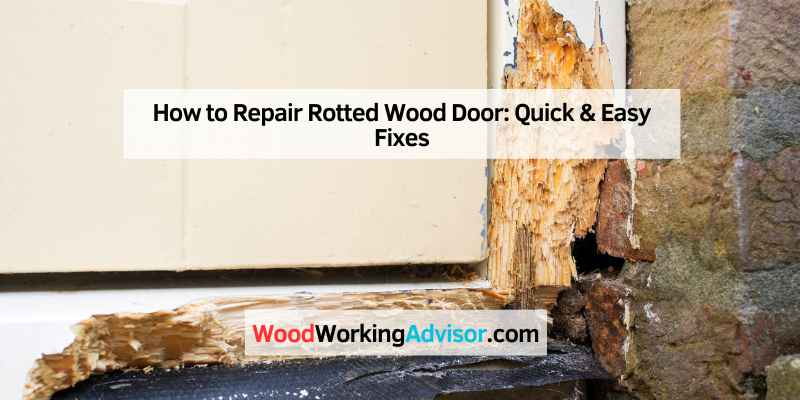
How to Repair Rotted Wood Door: Quick & Easy Fixes
To repair a rotted wood door, remove the damaged sections with a chisel or saw. Fill the voids with wood epoxy and sand the surface smooth.
The size of the rot determines the method — epoxy filler works for surface and shallow rot, but if you can push a screwdriver more than about 1/4 inch into the wood, the rot has gone structural and needs the section cut out and replaced with new wood, not just filled.
Filling structural rot instead of cutting it out is why repairs fail again within a year or two — the epoxy bonds to sound wood at the edges but the compromised wood underneath keeps deteriorating. Below, we cover how to test rot depth, when to fill vs. replace, and the full epoxy repair process.
Introduction To Wood Rot
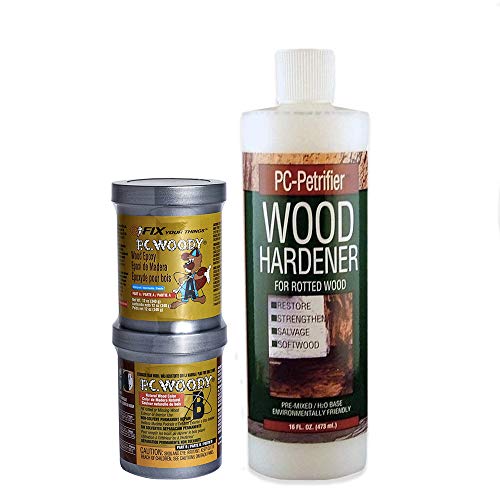
TOP PICK FOR ROTTED WOOD REPAIR
PC-Woody epoxy paste and PC-Petrifier wood hardener repair kit
PC-Woody & PC-Petrifier Wood Repair Kit
A two-step system: hardener first to consolidate soft, punky wood, then epoxy paste to rebuild the missing shape.
- Best for: door frames, jambs, and sills with soft or crumbling rot
- Why we picked it: hardener stops the rot from spreading before you patch it
- Main drawback: two-part epoxy needs to be mixed and used before it sets
 Abatron wood restoration kit for rotted wood repair |
 Minwax high performance wood hardener |
 J-B Weld KwikWood epoxy putty stick |
As an Amazon Associate, we earn from qualifying purchases.
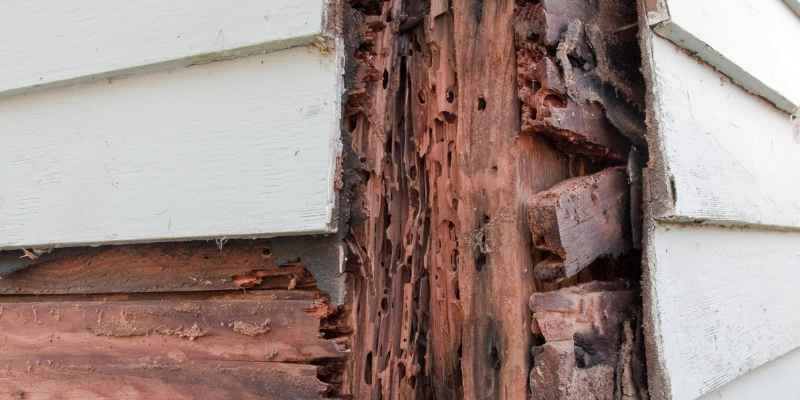
Wood rot is a serious issue that can damage your door. Identifying the problem early is crucial. Look for soft spots or discoloration on the wood. If the wood feels spongy or breaks easily, it’s likely rotted.
Common causes of wood rot include moisture and poor ventilation. Water exposure from rain or leaks can lead to rot. High humidity can also contribute to the problem. Regularly check for water damage and seal any gaps to prevent rot.
Preparation For Repair
Safety is crucial when repairing a rotted wood door. Always wear gloves and protective eyewear. Dust and chemicals can harm your skin and eyes.
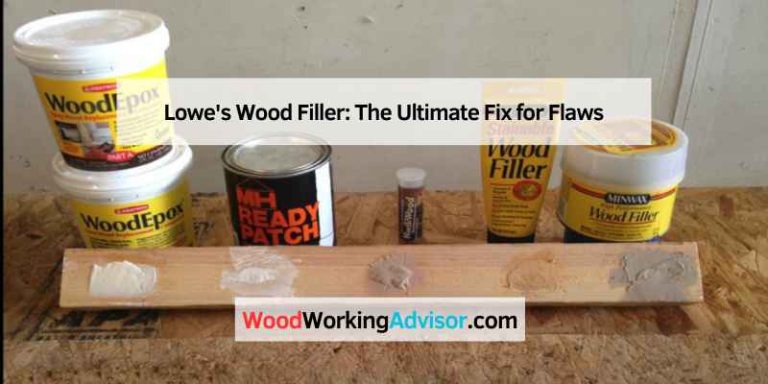
Gathering the right tools and materials is important. You will need a saw, chisel, and sandpaper. A wood filler will help repair the damaged area.
Use a paintbrush for applying wood preservative. This will protect the door from future damage. Have a measuring tape handy to ensure accurate cuts.
Keep a work surface ready for your tools. Make sure your area is well-lit and organized. This will make the repair process much easier.
Assessing The Damage
Check the wood door for signs of rot. Look for soft spots and discoloration. Use a screwdriver to probe the wood. This helps find hidden damage.
Evaluate the extent of the rot. If it’s shallow, repair might be possible. Deep rot often means replacement is better. Consider the door’s value and your budget.
Decide whether to repair or replace. If repair is chosen, gather supplies like wood filler and sandpaper. For replacement, find a suitable door that matches your style.
Removing Rotted Wood
Start by removing any loose paint or debris from the door. Use a chisel or saw to cut out the damaged areas. Make sure to cut into solid wood for a secure repair.
After cutting, clean the workspace thoroughly. This helps to keep the area safe and organized. Use a vacuum or a brush to remove dust and wood shavings. A clean space makes it easier to work.
Treating The Affected Area
To repair a rotted wood door, start by treating the affected area. Wood hardener is essential for strengthening the damaged section. Apply it generously to the rotted wood. Wait for the hardener to dry completely. This process usually takes a few hours.
Next, protecting the surrounding wood is crucial. Cover nearby areas with masking tape to avoid damage. Ensure the tape is secure and smooth. This will help maintain clean edges while working. Always wear gloves to protect your hands from chemicals.
Once everything is prepared, you can proceed with repairs. Use a putty knife to fill in any gaps. This will restore the wood’s original shape. Sand the area gently after it dries.
Rebuilding The Door
To repair a rotted wood door, start by removing the damaged areas. Clean the surface well to prepare for filling.
Use wood filler or epoxy to fill in the gaps. Apply the filler smoothly, ensuring no air pockets remain.
Allow the filler to dry completely before sanding. Sand the repaired sections until they are smooth and even.
Ensure the surface matches the rest of the door. This creates a seamless look after painting or staining.
Finishing Touches
Priming is the first step to ensure a great finish. Use a high-quality primer to seal the wood. This helps the paint stick better. Apply it evenly with a brush or roller.
After priming, choose a durable exterior paint. This will protect against weather damage. Apply at least two coats for the best results. Make sure each coat dries fully before the next.
Sealing the door is crucial for weather protection. Use a clear sealant that can withstand moisture. This will keep the wood safe from rot and decay.
Check the seal regularly. Reapply as needed to maintain protection. Proper care will extend the life of your door.
Preventive Measures
Regular maintenance is key for a long-lasting wood door. Check your door for signs of damage often. Clean the surface with mild soap and water. This helps remove dirt and grime.
Apply a protective finish every few years. This guards against moisture and weather damage. Inspect hinges and locks to ensure they work properly. Lubricate them to prevent rust.
Use a door sweep or weatherstripping to block rain and wind. This keeps moisture away from the wood. Store firewood and other materials away from the door. This prevents rot from spreading.
| Tip | Description |
|---|---|
| Regular Inspections | Check for any signs of wear or damage. |
| Cleaning | Use mild soap and water to clean the surface. |
| Protective Finish | Apply a finish to guard against moisture. |
| Hinge Maintenance | Lubricate hinges and locks to prevent rust. |
| Weatherproofing | Install door sweeps to block moisture. |
When To Call A Professional
Complex repairs on a rotted wood door can be tricky. If the damage is extensive, consider hiring a professional. They have the right tools and skills to fix the issue properly. Mistakes can lead to further damage, costing more money.
Ensuring quality workmanship is important. A skilled expert can restore your door to its original state. Look for someone with good reviews and experience. Ask about their past projects to gauge their abilities. Choosing a qualified professional saves time and ensures safety.
Frequently Asked Questions
How Do You Know If Wood Is Rotted?
To identify rotted wood, check for soft spots or discoloration. Press your finger into the wood; if it feels spongy, it’s likely rotted. Inspect for visible cracks or holes, and look for mold or fungus growth. Regular checks can help catch issues early.
Can You Repair A Rotted Wood Door?
Yes, you can repair a rotted wood door. Begin by removing the damaged wood using a chisel or saw. Fill in the gaps with a wood filler or epoxy. Sand the surface smooth once it dries, then repaint or refinish the door to restore its appearance.
What Materials Do I Need For Repairs?
For repairing a rotted wood door, gather a chisel, sandpaper, wood filler, epoxy, and paint. Additionally, have a putty knife and a primer handy for finishing touches. Ensure you also have safety gear, like gloves and a mask, to protect yourself during repairs.
How Long Does Wood Filler Last?
Wood filler can last several years if applied correctly. It’s essential to choose a high-quality filler and ensure proper application. Regular maintenance, such as repainting or refinishing, can extend its lifespan. Keep the door protected from moisture to prevent future rotting.
Conclusion
Repairing a rotted wood door can seem daunting, but it’s manageable with the right steps. By following the methods outlined, you can restore both functionality and aesthetics. Regular maintenance can prevent future damage, ensuring your door remains strong and beautiful for years.
Don’t hesitate to tackle this DIY project!
Sponsored / affiliate links. As an Amazon Associate I earn from qualifying purchases. I may earn additional commission from eligible campaigns.