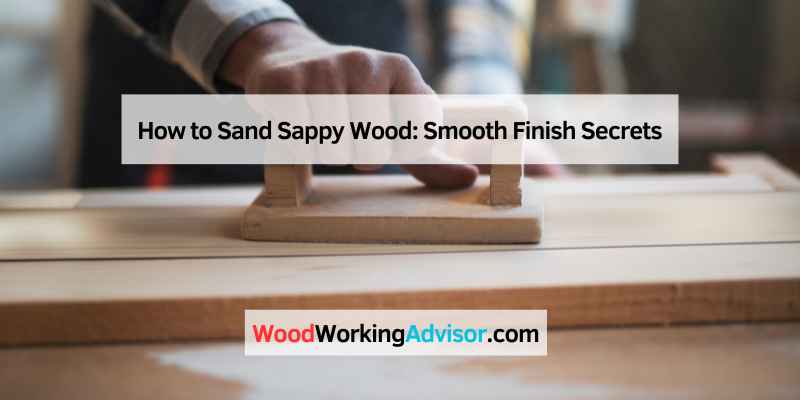
How to Sand Sappy Wood: Smooth Finish Secrets
To sand sappy wood effectively, use a coarse grit sandpaper first, followed by finer grits. Always sand with the grain to avoid scratches and ensure a smooth finish.
Sanding sappy wood can be challenging due to its sticky resin and soft texture. This type of wood, often found in pine and fir, requires special techniques to achieve a polished look. The resin can clog sandpaper quickly, making it essential to use the right grits and techniques.
Proper preparation and technique will help you achieve a smooth surface without damaging the wood. Understanding how to handle sappy wood ensures a successful project, whether you’re refinishing furniture or crafting a new piece. Master these sanding strategies to enhance your woodworking skills and create beautiful results.
Introduction To Sappy Wood
Sappy wood has unique characteristics that make it special. It often contains high levels of resin. This resin can make the wood feel sticky during sanding. The texture of sappy wood can be uneven, leading to challenges. Variations in grain can complicate the sanding process.
Common challenges arise from the resin itself. It can clog sandpaper quickly. This requires frequent changes of sandpaper. Proper techniques and tools help overcome these issues. Using a coarse grit first can help remove excess resin. Following up with a finer grit smooths the surface effectively.
Preparation Before Sanding
Start by cleaning the wood surface. Remove any dust and dirt. Use a soft cloth or brush. This helps the sandpaper work better.
Selecting the right tools is key. Use fine-grit sandpaper for sappy wood. A sanding block or electric sander can make the job easier. Always wear a mask to avoid inhaling dust.
Check the wood grain direction. Sand with the grain to prevent scratches. This makes the wood look smooth and nice.
Keep checking the surface as you sand. Stop when it feels smooth to the touch. A little effort goes a long way in achieving great results.
Initial Steps For Sanding Sappy Wood
Choosing the correct grit size is key for sanding sappy wood. Start with a coarse grit like 60 or 80. This helps to remove rough spots and blemishes. Then, move to a medium grit such as 120 or 150. This smooths the surface and prepares it for finish.
Testing on a small area is very important. Pick a spot that is not very visible. Sand this area first to see how the wood reacts. If the sappy areas become sticky, switch to a finer grit right away. Always ensure the wood feels smooth before continuing.
Techniques For Sanding
Manual sanding offers control and precision. It is great for small areas and detailed work. Use sandpaper with different grits for best results. Start with coarse grit and move to finer ones.
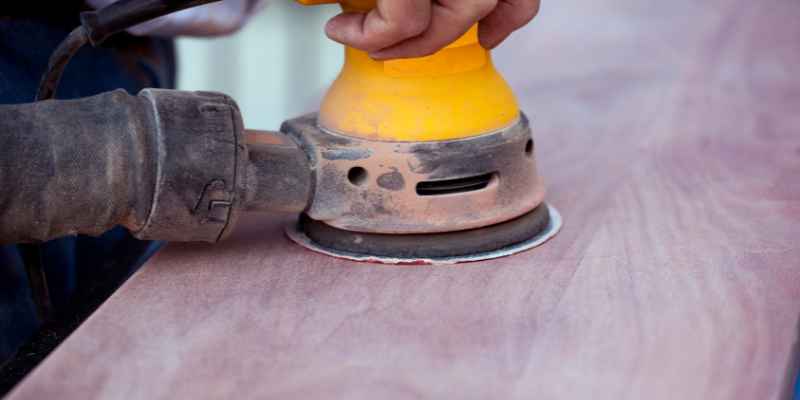
Power sanding saves time and effort. It works well on large surfaces. A power sander can remove material quickly. Always wear a mask to avoid inhaling dust.
Sap pockets can be tricky to deal with. They may clog sandpaper quickly. Use a scraper to remove excess sap first. This keeps your sandpaper clean.
After scraping, sand the area gently. Choose a medium grit to smooth the surface. Finish with fine grit for a polished look.
Minimizing Sap Issues During Sanding
Controlling temperature and humidity helps reduce sap issues during sanding. Ideal conditions are between 60°F and 80°F with low humidity. This prevents sap from flowing out during the process.
Using chemical treatments can also help manage sap. Apply a sealant before sanding to lock in the sap. This allows for a smoother sanding experience. Some common options include shellac and lacquer. Always test a small area first to ensure compatibility.
| Chemical Treatment | Benefits |
|---|---|
| Shellac | Effective sealant for blocking sap. |
| Lacquer | Quick-drying and strong protection. |
After Sanding: Cleaning And Finishing
After sanding, it is crucial to remove residual sap. Sap can interfere with the finish. Use a clean cloth to wipe the surface. For stubborn sap, try rubbing alcohol. This method helps dissolve the sticky residue.
Choosing the right finish is important for sappy wood. Oil-based finishes often work best. They penetrate the wood and seal it well. Water-based finishes are easier to clean up. They dry quickly but may not seal as deeply.
Consider your wood’s color and grain when selecting a finish. Test different finishes on a small area. This helps ensure the desired look.
Troubleshooting Common Problems
Sap can reappear on wood after sanding. This happens due to heat from sanding. Always use a cooler sanding method. Keep the wood moist to avoid sap flow.
For scratch and gouge repair, start by cleaning the area. Use a fine sandpaper to smooth the surface. Apply a wood filler that matches the wood color. After it dries, sand it again until smooth.
Finally, finish with a clear coat to protect the wood. This helps to hide the repairs and gives a nice shine.
Maintaining Sappy Wood Surfaces
Keeping sappy wood surfaces clean is essential for their beauty. Regular cleaning helps remove dirt and resin buildup. Use a soft cloth to gently wipe the surface. Avoid harsh chemicals that can damage the wood.
For deeper cleaning, mix mild soap with warm water. Dampen a cloth and scrub the wood lightly. Rinse with a clean damp cloth afterward. Always dry the wood with a soft towel.
Resanding may be needed when the surface feels rough or sticky. Check for visible scratches or discoloration. Resanding helps restore the wood’s smooth finish and protects it.
Frequently Asked Questions
How Do I Prepare Sappy Wood For Sanding?
To prepare sappy wood for sanding, start by cleaning the surface thoroughly. Remove any dirt, dust, or debris. Next, allow the wood to dry completely if it’s recently cut. This will help prevent sap from gumming up your sandpaper. Finally, consider using a sealant to minimize sap leakage during sanding.
What Sandpaper Grit Is Best For Sappy Wood?
For sappy wood, start with a medium grit sandpaper, like 120 grit. This will effectively remove rough spots without clogging too quickly. After that, move to finer grits, such as 220, for a smoother finish. Always sand in the direction of the grain to achieve the best results.
How Can I Prevent Sap From Clogging Sandpaper?
To prevent sap from clogging sandpaper, use a sanding block or power sander with a vacuum attachment. Regularly clean your sandpaper by tapping it to dislodge sap. Additionally, consider using a specialized sandpaper designed for sappy woods. This can enhance the efficiency of your sanding process.
Should I Use A Sealant On Sappy Wood?
Yes, using a sealant on sappy wood is highly recommended. A sealant can help contain the sap and prevent it from oozing during sanding. It also improves the overall finish and durability of the wood. Choose a sealant that is compatible with your intended final finish for the best results.
Conclusion
Sanding sappy wood can be a rewarding process. Proper techniques ensure a smooth finish and enhance the wood’s natural beauty. Remember to choose the right sandpaper and techniques for optimal results. With patience and care, your project will shine. Enjoy the satisfaction of transforming your sappy wood into a stunning piece.