How to Unscrew a Small Screw Without Stripping It (7 Fixes)
A small screw strips almost every time because the driver tip does not fully seat in the head, unless it is already rusted or over-torqued, matching the size prevents the problem entirely. Force a mismatched tip and you shear the slot, turning a 10-second job into a drilled-out repair. This guide covers picking the right precision driver size, the super-glue and rubber-band fixes for an already-stripped screw, and why electronics screws chew up a standard Phillips bit.
This post contains affiliate links. As an Amazon Associate, we earn from qualifying purchases at no extra cost to you.
Quick Answer
Use a precision screwdriver whose tip fully seats in the screw head — usually a Phillips #000 or #00, or a matching flathead, Torx, or JIS bit. Press straight down and turn counterclockwise with steady pressure. If the head is already stripped, add grip with a flat rubber band under the driver tip, or a drop of super glue on the tip itself for a one-time removal.
Tools You’ll Need
Best Precision Screwdriver Set Pick
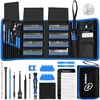
STREBITO 142-Piece Electronics Precision Screwdriver Set
Covers Phillips, flathead, Torx, and pentalobe bits down to #000 — the size range most small screws actually need.
- Best for: electronics, eyeglasses, and small hardware repairs
- Why we picked it: the widest bit range at this price covers nearly every small-screw head type in one case
- Main drawback: the smallest bits are delicate — do not force a stuck screw with them
Compare more small-screw removal tools
 Option 1 Amartisan Magnetic Tip Screwdriver Set
|
 Option 2 STREBITO Damaged Screw Extractor Set
|
 Option 3 Chumia Precision Jewelers Screwdriver Set
|
As an Amazon Associate we earn from qualifying purchases.
- Precision screwdriver set (Phillips #000-#1, flathead, Torx, and JIS bits)
- Needle-nose pliers or tweezers
- A flat rubber band
- A magnetized driver tip or small parts tray
- Cyanoacrylate (super) glue — for stripped heads only
- A manual impact driver or screw extractor set — for rusted or rounded screws
- A bright work light and a non-slip mat
Choosing the Right Screwdriver for a Small Screw
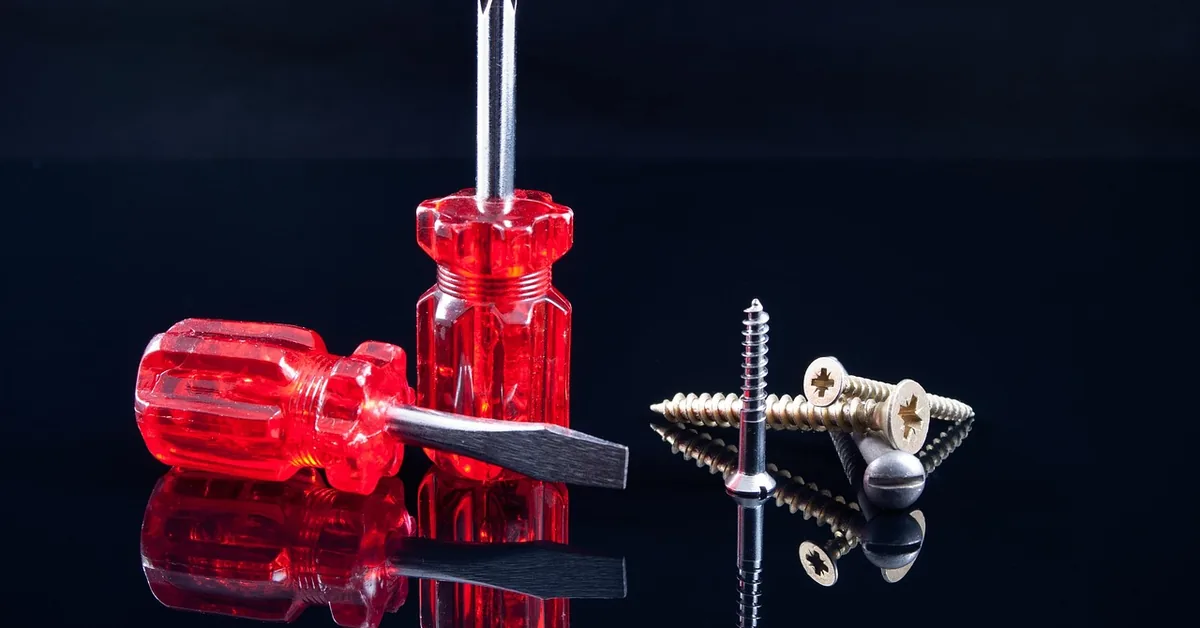
A precision screwdriver is a small hand driver with interchangeable or fixed tips sized for hardware under about 1/8 inch across the head. Match the tip so it fills the entire slot or cross with no visible gap and no wobble — a loose fit is what lets the driver cam out and round off the metal.
If you do not own a full set yet, household substitutes like a butter knife or tweezers can back out a slotted screw in a pinch, but they will not fit a Phillips or Torx head correctly.
📊 Screws on many Japanese-made cameras and older electronics use a JIS (Japanese Industrial Standard) head, not true Phillips. A JIS driver has a flatter cross with no ramped flanks built in to help it slip, so a standard Phillips bit cams out and strips these screws almost immediately — Source: JIS B 4633 screwdriver standard.
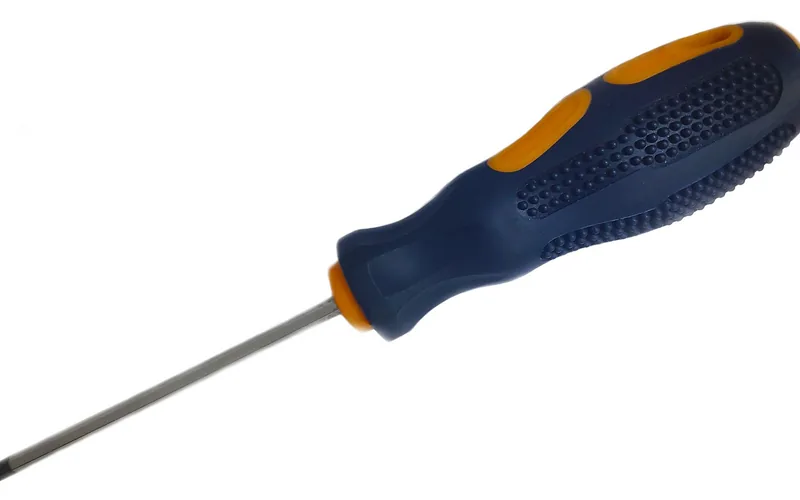
How to Unscrew a Small Screw, Step by Step
- Identify the head type and size: Look closely (a magnifier helps) to tell Phillips, flathead, Torx, or JIS apart before picking a bit.
- Set up in bright, even light: Work on a non-slip mat so a dropped screw does not roll away or disappear.
- Seat the driver fully: Press straight down into the head until the tip sits flush with no gap on any side.
- Turn counterclockwise with steady pressure: Apply firm downward pressure while turning slowly — speed causes cam-out, not force.
- Back off if it starts to slip: Re-seat the tip rather than pushing through a cam-out; a second slip strips the head.
- Catch the screw as it comes free: Use a magnetized tip or a parts tray so a tiny screw does not vanish into carpet or a vent.
Removing a Stripped or Stuck Small Screw
Once a small screw head is rounded or the screw will not turn, switch tactics instead of forcing the same driver back in — that only strips the head further.
- Rubber band grip: lay a flat rubber band over the stripped head, press the driver through it, and turn — the rubber fills the rounded gap.
- Super glue trick: place one drop of cyanoacrylate glue in the stripped head, seat the driver into the wet glue, hold for about ten seconds, then turn. Afterward, swab the joint with acetone nail polish remover to release the driver from the screw.
- Needle-nose pliers: if the head sits proud of the surface, grip the sides directly and twist counterclockwise.
- Lubricant and light heat: a drop of penetrating oil on a rusted or corroded screw can free it after a few minutes; skip heat on any screw near plastic housings or circuit boards, since a hair dryer or heat gun can warp or melt the surrounding material.
- Screw extractor as a last resort: drill a small pilot hole into the screw center on a low-speed setting, then thread in a reverse-fluted extractor bit and turn counterclockwise.
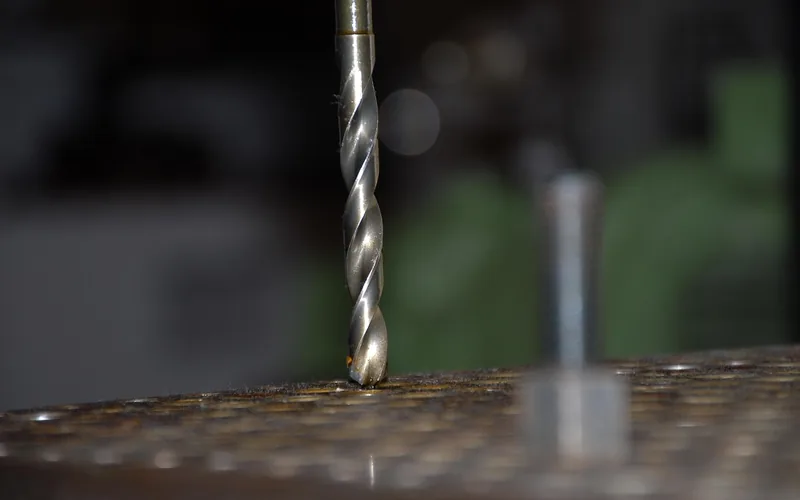
If the screw shears off entirely rather than just stripping, that is a different repair — see our guide on removing a broken screw for extraction methods once no head remains to grip.
Small Screw Head Types and the Driver Each One Needs
| Head Type | Common Where | Driver Needed |
|---|---|---|
| Phillips (#000-#1) | Electronics, eyeglasses, small hardware | Matching Phillips precision bit |
| Flathead / slotted | Older hardware, cabinet hinges | Flat bit matching slot width |
| Torx (T1-T6) | Laptops, game controllers, cameras | Torx precision bit |
| JIS | Japanese-made cameras and electronics | JIS bit — not Phillips |
| Pentalobe | Apple laptops and phones | Pentalobe P2, P5, or P6 bit |
Removing Tiny Screws From Electronics, Eyeglasses, and Hardware
Phone and laptop screws are usually Phillips #00 or Torx T5-T6 and sit in a plastic or aluminum housing that scratches easily — work slowly and keep the driver perpendicular to avoid slipping into the case.
Eyeglass hinge screws are among the smallest screws most people ever handle. Work over a light-colored cloth or tray, back the screw out no more than a turn or two at a time, and avoid fully removing it unless you are replacing the hinge — the spring tension in many hinges is easy to lose track of once the screw is out.
Furniture hardware screws (hinges, drawer pulls, cabinet latches) strip most often when a cordless drill is used instead of a hand driver — the extra torque rounds a small head before you can feel it slipping, so hand-drive these whenever the screw allows it.
“On a stripped precision screw, we have had better luck with a drop of super glue on the tip than with a rubber band alone — the glue grips the metal itself instead of just filling the gap.”
Common Mistakes That Strip Small Screws
- Using the closest-fitting bit instead of the exact size — a slightly small tip is the single most common cause of a stripped small screw.
- Pushing the driver in at an angle instead of straight down, which puts pressure on one side of the head only.
- Reaching for a cordless drill on delicate hardware — the torque overshoots before you can react.
- Skipping the light and a tray, then losing the screw once it comes free.
When to Get Professional Help
If a screw has sheared off flush with the surface, if it sits inside a sealed electronic device still under warranty, or if repeated attempts have rounded the head past what a rubber band or super glue can grip, a repair technician with a full extractor set will save the part rather than risk it. For an overview of the hand tools worth owning before you decide, browse our tools guides.
How do you unscrew a small screw without stripping it?
Match the driver tip exactly to the screw head so it seats with no gap, then turn with steady pressure instead of speed. A loose-fitting tip, not force, is what strips small screws.
What screwdriver size is best for tiny screws?
Most small screws in electronics and eyeglasses take a Phillips #000 or #00 bit. Test the fit before turning — the tip should sit flush with no visible wobble.
Can you remove a small screw without a screwdriver?
Yes. Tweezers, needle-nose pliers, or a butter knife can back out a slotted screw in a pinch, though none of them fit a Phillips or Torx head as securely as the correct bit.
How do you remove a stripped tiny screw?
Add grip with a flat rubber band under the driver tip, or place a drop of super glue in the stripped head, seat the driver, hold ten seconds, and turn. Release the driver afterward with an acetone swab.
Why do phone and electronics screws strip so easily?
Many are Torx or JIS heads that only look like Phillips at a glance. A mismatched bit cams out immediately on these, so confirm the head type before applying pressure.
What if a small screw will not turn at all?
Add penetrating oil and wait a few minutes if it may be rusted, then try a manual impact driver or a screw extractor with a pilot hole — never force a standard driver harder, since that only shears the head.
Conclusion
Matching the driver to the head is what separates a five-second fix from a stripped screw and a drilled-out repair. Keep a precision set on hand for electronics and eyeglasses, reach for the rubber-band or super-glue trick the moment a head starts to round, and save the extractor set for anything that shears off flush.
Sponsored / affiliate links. As an Amazon Associate I earn from qualifying purchases. I may earn additional commission from eligible campaigns.