Red Cedar Deck Stain: 4 Best Products & Application Steps
Ready Seal Natural Cedar and Penofin’s Western Red Cedar Red Label are the top-performing stains for red cedar decking — both are oil-based, penetrating formulas rather than surface films. Staining cedar before it drops below 15% moisture content, or using a film-forming product, causes peeling within one season. This guide covers the 4 best red cedar deck stains, how to prep the wood correctly, and how often to reapply for lasting color.
Why Western Red Cedar Needs the Right Stain
Best Red Cedar Deck Stain Pick
Ready Seal 112 Natural Cedar Stain & Sealer, 1 Gal
An oil-based penetrating stain and sealer in one coat, formulated specifically for cedar tones.
- Best for: Most red cedar decks needing a one-step stain and sealer
- Why we picked it: Penetrates without lap marks, no need to back-brush
- Main drawback: Strong solvent odor during application
Compare more red cedar deck stain options
 Option 1 Penofin Red Label Western Red Cedar Ultra Premium Stain, 1 Gal
|  Option 2 TWP 1501 Cedartone Low VOC Wood Preservation Stain
|  Option 3 Cabot Wood Toned Stain + Sealer, Cedar, 1 Gal
|
As an Amazon Associate we earn from qualifying purchases.
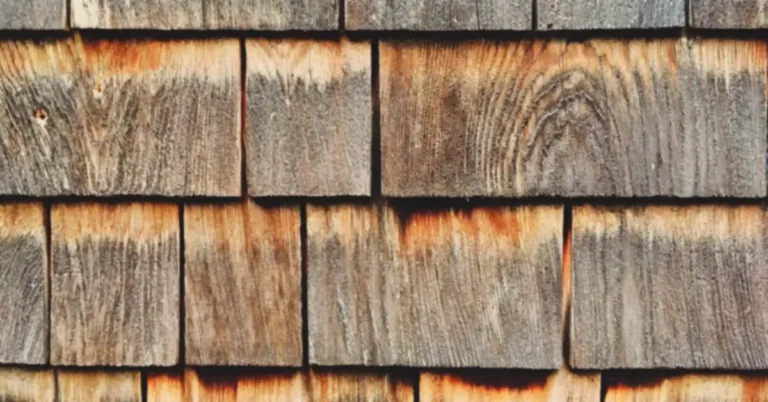
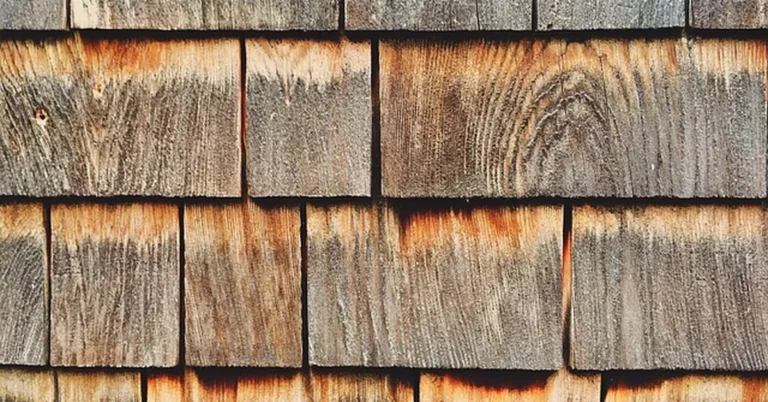
Deck lumber sold as “red cedar” in North America is almost always Western Red Cedar (Thuja plicata), not Eastern redcedar — a common mix-up, since Eastern redcedar is actually a juniper species used for closets and chests, not decking. Western red cedar’s heartwood resists rot and insects on its own, but its color still fades to gray under UV exposure unless it is stained or sealed.
📊 Cedar should read below 15% moisture content before staining — check with a pin-type moisture meter on a freshly cut edge. Staining wetter wood traps moisture under the finish and causes peeling or blotching within a season. — Source: Western Red Cedar Lumber Association

Oil-Based vs. Water-Based Stain for Cedar
Oil-based penetrating stains are the traditional choice for cedar: the wood’s soft, porous fibers pull the oil deep into the grain, where it conditions the wood and wears by fading gradually instead of peeling. Water-based acrylic stains dry faster and off-gas less, but they sit closer to the surface and generally need more frequent recoating on cedar. See our full guide to finishing cedar for outdoor use for a deeper breakdown of oil vs. film-forming finishes.
| Stain Type | How It Wears | Best For |
|---|---|---|
| Oil-based penetrating | Fades gradually, no peeling | Most red cedar decks |
| Water-based acrylic | Can peel if over-applied | Low-VOC/low-odor needs |
| Solid color (film-forming) | Hides grain, can peel | Older, weathered decks only |
For nearly every cedar deck where the point is to still see the wood grain, a semi-transparent oil-based stain in a cedar-tone shade is the right call. Save solid, paint-like stains for decks that are already too weathered or blotchy for a transparent finish to look good.
4 Best Red Cedar Deck Stains
These four stains cover the range most red cedar decks need — a dependable all-around pick, a UV-focused premium option, a low-VOC choice, and a budget-friendly alternative.
Prices and reapplication intervals vary by exposure — a south-facing deck in full sun needs recoating sooner than one under a covered porch.
How to Prepare a Red Cedar Deck for Staining
Proper prep is what makes any of the stains above actually last. Skipping a step here is the single most common reason a fresh coat peels within months.
Clean the Deck
Wash the deck with a wood-safe deck cleaner or a low-pressure power washer to remove dirt, mildew, and old flaking finish. Follow with a brightener/stripper if any old stain remains on the surface.
Repair Damaged Boards
Inspect for loose boards, cracked sections, or soft/rotted spots and repair or replace them before staining — stain will not hide or fix structural damage.
Sand and Check Moisture
Lightly sand rough or fuzzy areas with fine-grit sandpaper, then let the deck dry fully. Check moisture content with a meter before staining — new pressure-washed cedar often needs 48–72 hours of dry weather to drop below 15%.
How to Apply Red Cedar Deck Stain
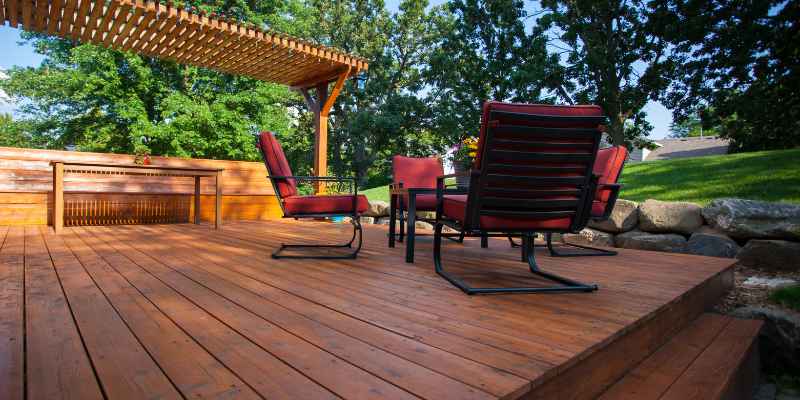
Once the deck is clean, repaired, sanded, and dry, apply stain in this order for even coverage and to follow the wood grain correctly. For a full walkthrough of stain-and-sealer combo products, see our guide to applying deck stain and sealer:
- Stir, don’t shake: stir the stain thoroughly before and during application so pigment stays suspended.
- Test a hidden spot: apply a small patch on an inconspicuous board to confirm the color before committing to the whole deck.
- Apply with the grain: use a brush, roller, or pump sprayer, working from one end of the deck to the other in the direction of the wood grain.
- Work in manageable sections: stain 2–3 boards at a time so the leading edge stays wet and doesn’t lap-mark.
- Back-brush excess: a few minutes after application, back-brush any pooled or excess stain so it doesn’t dry glossy or blotchy.
- Let the first coat dry fully: check the product label — most oil-based cedar stains need 24 hours minimum before a second coat.
- Keep the deck clear while curing: avoid foot traffic and furniture for at least 48 hours after the final coat.
Avoid staining in direct midday sun or if rain is forecast within 12 hours — both cause the stain to dry unevenly or wash out before it cures.
How Often to Re-Stain a Red Cedar Deck
Most oil-based cedar stains hold up for about 2 years before the color starts to fade noticeably, though a few premium film-building products are rated for up to 6 years on a covered or lightly-exposed deck. Full southern exposure, snow load, and high foot traffic all shorten that window.
Check the deck once a year: if water no longer beads on the surface, or the color has visibly grayed, it’s time to clean and recoat rather than wait for full peeling.
Common Mistakes When Staining a Red Cedar Deck
- Staining over wet wood: the most common cause of peeling — always confirm moisture is below 15% first.
- Skipping the cleaner/brightener step: mill glaze and surface tannins block stain absorption if left on.
- Using a film-forming solid stain on new cedar: hides the grain and is far more prone to peeling than a penetrating stain.
- Over-applying: extra stain doesn’t mean extra protection — unabsorbed stain left on the surface dries tacky or blotchy.
Frequently Asked Questions About Red Cedar Deck Stain
What is the best stain for a red cedar deck?
Ready Seal Natural Cedar and Penofin Red Label are the top picks for red cedar decking. Both are oil-based penetrating stains that soak into the wood instead of forming a surface film, which is what cedar needs to fade gradually rather than peel.
How often should you re-stain a red cedar deck?
Most oil-based cedar stains need reapplication about every 2 years. A few premium products are rated up to 6 years on decks with less direct sun exposure. Check yearly for graying color or water no longer beading on the surface.
Should I use oil-based or water-based stain on cedar?
Oil-based penetrating stain is the better choice for cedar in most cases — it soaks into the wood’s open grain and wears by fading rather than peeling. Water-based acrylic stains dry faster and off-gas less but generally need more frequent recoating.
What moisture content should cedar be before staining?
Cedar should read below 15% moisture content before staining, checked with a pin-type moisture meter. Staining wetter wood traps moisture under the finish and causes peeling or blotching within a season.
Do I need a wood brightener before staining red cedar?
Yes, if the deck has any old stain, mill glaze, or surface tannins. A brightener neutralizes the wood’s pH after cleaning so the new stain can absorb evenly instead of sitting on the surface.
Conclusion
An oil-based penetrating stain like Ready Seal or Penofin’s Red Label protects red cedar decking without hiding the grain, but the stain only lasts if the wood is clean, repaired, and below 15% moisture before you apply it. Reapply roughly every 2 years — sooner in full sun — and the deck keeps its warm cedar color instead of graying out.
Sponsored / affiliate links. As an Amazon Associate I earn from qualifying purchases. I may earn additional commission from eligible campaigns.