Sanding Sealer vs Shellac: What’s the Real Difference?
Most people assume sanding sealer and shellac are two completely different products. In a lot of cases, they’re not: several commercial “sanding sealer” formulas on the shelf are just shellac, diluted and sold under a different name. The real question isn’t which product wins – it’s whether the specific can you’re holding is going to help your topcoat stick, or quietly work against it. Here’s what’s actually inside each type, when a dedicated sanding sealer earns its keep, and when reaching for dewaxed shellac instead will save you a redo.
What’s the Difference Between Sanding Sealer and Shellac?
Best Lacquer Sanding Sealer Pick
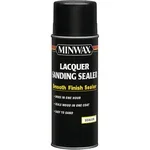 |
Minwax Lacquer Sanding Sealer, 12.25 oz – $17 A dedicated lacquer-based sanding sealer built to sand down to a glass-smooth surface in one coat before your topcoat goes on.
|
“Sanding sealer” is a job description, not a single ingredient – it just means a fast-drying prep coat meant to be sanded smooth before a topcoat goes on. Shellac is a specific material: a natural resin secreted by the lac bug and dissolved in alcohol. A lot of overlap exists between the two categories. Zinsser’s SealCoat, for example, is dewaxed shellac sold specifically as a universal sanding sealer. Meanwhile, lacquer- and vinyl-based sanding sealers, like the pick above, are a different chemistry built around one job: sanding down fast to a glass-smooth surface before a matching lacquer topcoat.
Why Some Sanding Sealers Can Actually Work Against Your Topcoat
This is the part most guides skip. Traditional lacquer and vinyl sanding sealers contain a “soaping agent,” usually a stearate, that makes the dried film powder off easily under sandpaper instead of clogging it. That’s the entire point of the product – it’s what lets you sand a whole tabletop smooth in a few minutes. But that same stearate residue sits on the wood’s surface after sanding, and it can interfere with how well certain topcoats bond, particularly water-based finishes and some catalyzed conversion varnishes. The result is a finish that looks fine going on and then delaminates, fisheyes, or peels months later, for no reason that shows up until it’s too late to fix easily.
This is exactly why many professional finishers reach for dewaxed shellac as their sanding sealer instead of a stearate-based product. It doesn’t leave a soaping residue, it sticks to almost any topcoat you put over it, and it still sands smooth and dries fast. If you’re not sure yet what topcoat a project will get, dewaxed shellac is the safer default sealer.
Shellac: Waxed vs. Dewaxed, and Why It Matters
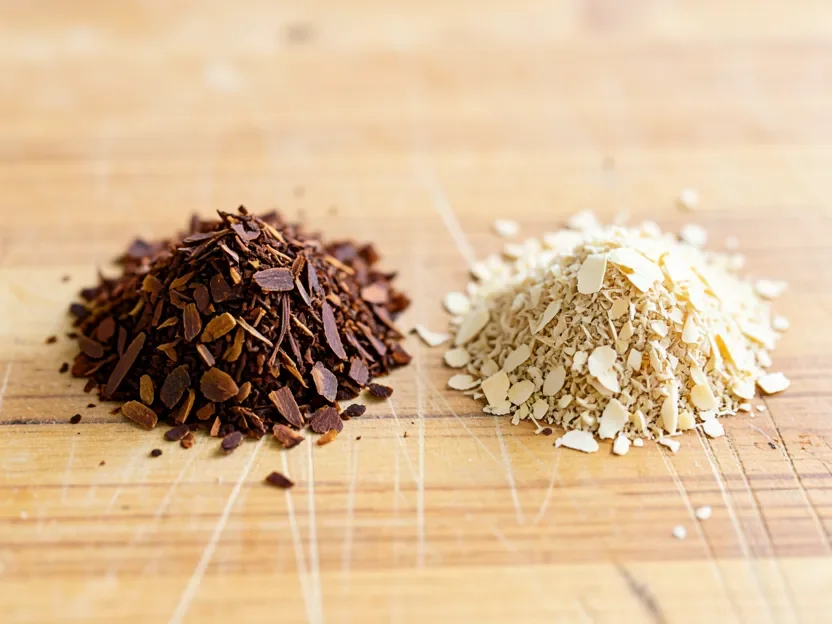
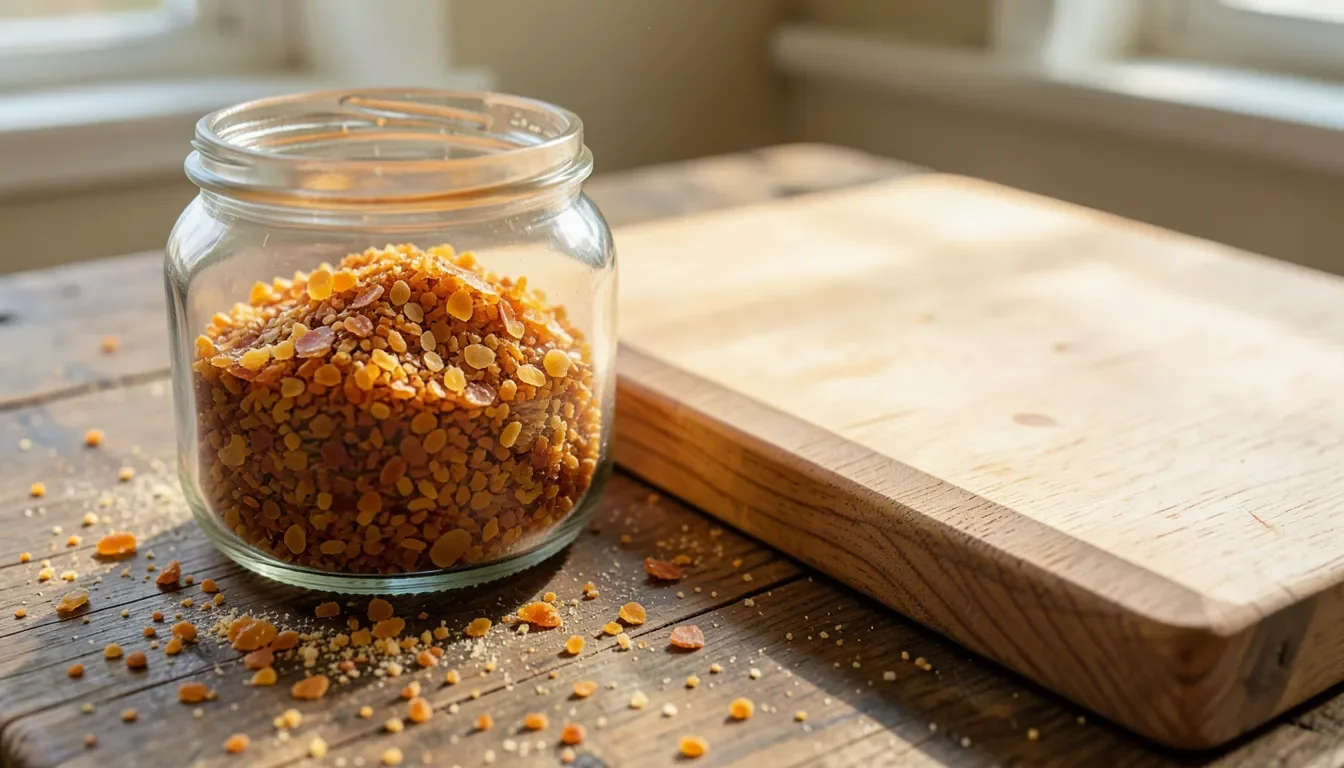
Shellac comes from the lac bug (Kerria lacca), a scale insect native to South and Southeast Asia that secretes a resin onto tree branches as it feeds. The resin is scraped off, processed into flakes, and dissolved in denatured alcohol to make a usable finish. Two versions of it matter for this comparison. Waxed shellac keeps the natural wax the insect also produces, giving a warmer garnet-to-amber color but limiting what can safely go over it – polyurethane in particular can struggle to bond to it. Dewaxed shellac has that wax filtered out, leaving a nearly universal sealer that bonds cleanly under oil-based poly, water-based finishes, lacquer, and even epoxy.
A simple rule of thumb: if a shellac product’s label doesn’t say “dewaxed,” assume it’s waxed, and don’t build a film-forming topcoat over it without testing compatibility on scrap first. Mixed liquid shellac also has a shelf life of roughly one to three years before it stops curing hard, while dry flakes stored properly last indefinitely – another reason many woodworkers buy flakes and cut only what they need.
Sanding Sealer vs. Shellac at a Glance
| Feature | Lacquer/Vinyl Sanding Sealer | Dewaxed Shellac |
|---|---|---|
| Primary job | Fast, easy sanding before a matching topcoat | Works as a sealer under any topcoat, or as a stand-alone finish |
| Dry time | About 30–60 minutes per coat | About 15–30 minutes per coat |
| Topcoat compatibility | Best under a matching lacquer; stearates can affect other finishes | Compatible with nearly every common topcoat |
| Water/alcohol resistance | Low to moderate | Low – alcohol and standing water will mark it |
| Shelf life | Long and stable in a sealed can | Mixed liquid: about 1–3 years; dry flakes: indefinite |
When to Use Each One
- Reach for a dedicated lacquer sanding sealer when you’re spraying a full lacquer finish system and want the fastest possible sanding between coats.
- Reach for dewaxed shellac when you don’t know yet what topcoat you’ll use, you’re sealing knots, pitch, or odors before painting, or you want one product that both seals and finishes.
- Use plain (waxed) shellac only as a final finish, not as a sealer under something else, unless you’ve confirmed it’s dewaxed.
How to Apply Either One Without Wasting Material
Both products go on the same three ways – brush, spray gun, or a folded cotton pad – but the right choice depends on the finish, not personal preference. A lacquer sanding sealer sprays best straight from the can or thinned about 10% with lacquer thinner if your gun is struggling to atomize it; brushing it is possible but leaves more material to sand off, which defeats the point of a fast-cutting sealer. Shellac is more forgiving. Fresh flakes cut to a 1-lb ratio (roughly 1 pound of flakes per gallon of denatured alcohol) brush on smoothly for a first sealer coat, while a 2-lb cut sprays or pads on well for full finish coats. Premixed shellac from the can is usually already close to a 3-lb cut, so cut it with alcohol before using it as a thin sealer coat rather than applying it full-strength.
Whichever you use, scuff-sand lightly between coats with 320-grit or finer instead of pressing hard with coarse paper. Both products are designed to cut fast, and heavy sanding pressure can burn through the thin film and expose bare wood in spots, which shows up as blotching once the topcoat goes on.
Two Shop Scenarios
Refinishing an antique table: The goal is a repairable, period-correct finish, so dewaxed shellac does double duty as both sealer and topcoat. A thin 1-lb cut washcoat seals the old wood first, then two or three fuller coats build the finish. Because shellac is compatible with itself indefinitely, any future touch-up or French-polished repair blends invisibly into the old coat – something a modern topcoat can’t do.
Building a new oak bookshelf: Oak’s open pores need filling before a smooth topcoat will look right, and the plan is a sprayed lacquer finish. Here, a dedicated lacquer sanding sealer is the better match: apply it, let it dry about an hour, sand with 320-grit until the surface feels glassy, then spray the lacquer topcoat straight over it. Using the matching sealer avoids any risk of the stearate-adhesion issue, since the topcoat is lacquer to begin with.
Frequently Asked Questions
Is sanding sealer the same thing as shellac?
Sometimes, yes. Several sanding sealer products, including Zinsser SealCoat, are dewaxed shellac sold under a different name. Others, like most lacquer and vinyl sanding sealers, contain no shellac at all and use a stearate-based soaping agent instead. Check the resin type on the label, not just the words “sanding sealer,” to know which one you actually have.
Why does sanding sealer sometimes weaken a topcoat’s grip?
Traditional lacquer and vinyl sanding sealers include a stearate additive that makes the dried film sand to a fine powder instead of gumming up your sandpaper. That same additive can leave a light residue on the surface that interferes with adhesion, especially under water-based finishes and some catalyzed varnishes. Dewaxed shellac does not have this issue.
Should I use waxed or dewaxed shellac as a sanding sealer?
Dewaxed. The natural wax left in regular shellac can prevent later coats, especially polyurethane, from bonding properly. Dewaxed shellac, sold as Zinsser SealCoat or as dewaxed flakes you cut yourself, is compatible with essentially every common topcoat.
How many coats of sanding sealer do I actually need?
One to two coats is standard. Applying more just builds up material you will sand off anyway, since the sealer’s whole job is to fill the wood’s pores once and leave a smooth, even surface for the topcoat to grip.
Is shellac waterproof enough for a kitchen table?
No. Shellac has poor resistance to standing water and almost none to alcohol, so it is a weak choice as the only finish on a kitchen or dining table. It works well as a sealer coat under a more water-resistant topcoat, such as a dewaxed-compatible polyurethane, for that kind of daily use.
Final Thoughts
The real decision here isn’t “sanding sealer vs. shellac” as two rival products – it’s understanding what’s actually in the can you’re holding. If it’s a stearate-based lacquer or vinyl sealer, match it to a lacquer topcoat and don’t take chances with anything else over it. If it’s dewaxed shellac, you’ve got a sealer that works under almost any finish and can double as the finish itself. When in doubt and you don’t yet know your topcoat, dewaxed shellac is the safer default – it’s the one product in this comparison that won’t paint you into a corner.
Sponsored / affiliate links. As an Amazon Associate I earn from qualifying purchases. I may earn additional commission from eligible campaigns.