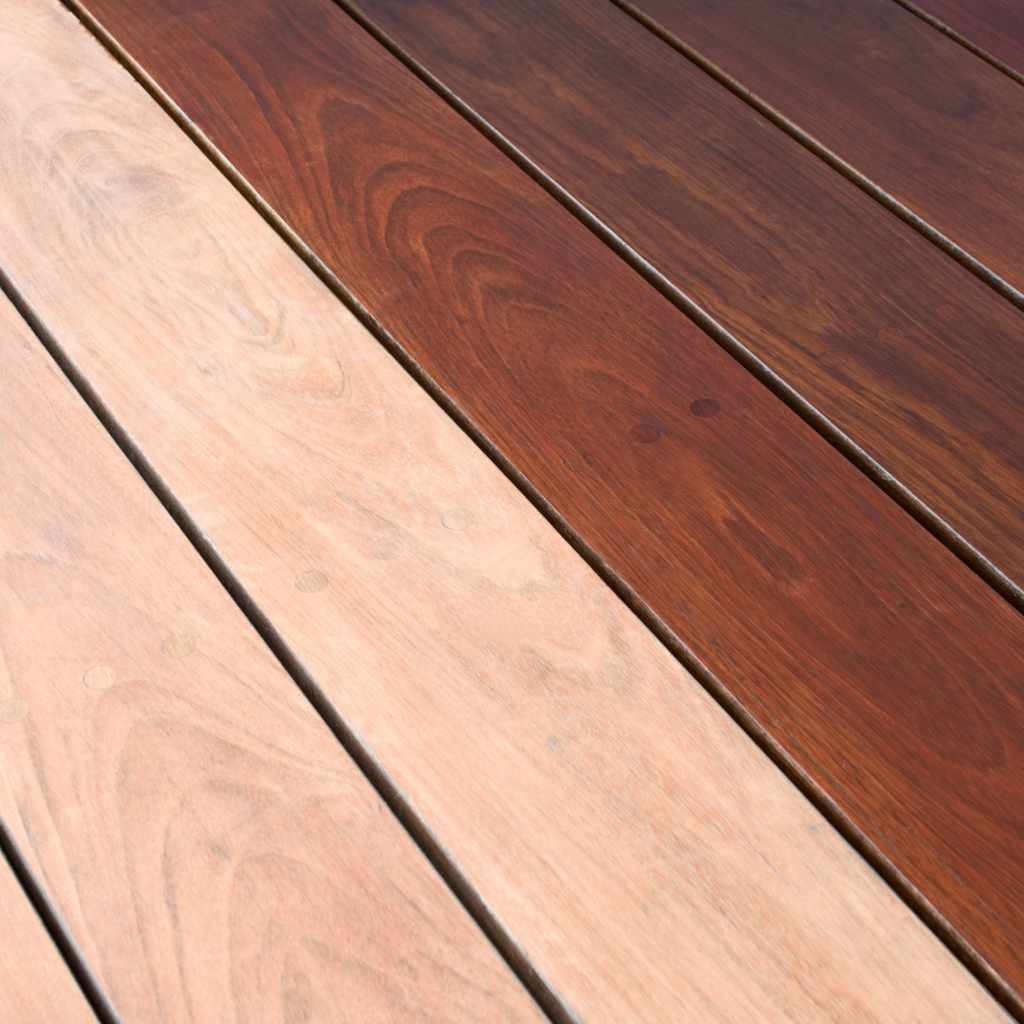
How to Stain Mahogany: Expert Tips for a Perfect Finish
If you want your mahogany wood to look rich, warm, and stunning, staining it the right way is key. But how do you bring out the natural beauty of this luxurious wood without making mistakes that ruin your project?
In this guide, you’ll discover simple, step-by-step tips to stain mahogany perfectly—whether you’re a beginner or have some experience. Keep reading, and you’ll learn how to make your woodwork stand out with a finish that lasts and impresses every time.
Choosing The Right Stain
Choosing the right stain for mahogany is important for a beautiful finish. The right stain enhances the wood’s natural grain and color. It protects the wood from damage and wear. Picking the wrong stain can make the wood look dull or uneven. Understanding stain types and color options helps make a better choice.
Types Of Stains For Mahogany
Oil-based stains soak deeply into mahogany, highlighting its rich tones. They dry slowly but offer strong protection. Water-based stains dry fast and have low odor. They keep the wood’s natural look without darkening it too much. Gel stains sit on the surface and cover uneven wood well. They are easy to apply and control. Choose a stain type based on your project’s needs and finish preference.
Color Selection Tips
Mahogany has a deep, reddish-brown color naturally. Select a stain that enhances this warmth. Test the stain on a small, hidden spot first. Darker stains create a bold and elegant look. Lighter stains keep the wood bright and natural. Avoid very light or very dark stains that hide the wood grain. Pick a color that matches your style and the room’s decor.
Preparing The Wood Surface
Preparing the wood surface is a vital step before staining mahogany. This process ensures the stain soaks evenly and looks natural. A well-prepared surface brings out mahogany’s rich, deep color. It also helps the finish last longer. Taking time to prepare the wood saves effort later.
Cleaning And Sanding
Start by cleaning the wood to remove dust and dirt. Use a soft brush or cloth for this task. Avoid wetting the wood too much, as mahogany can absorb moisture. Next, sand the surface with fine-grit sandpaper. Sanding smooths rough spots and opens wood pores. This allows the stain to penetrate better. Always sand along the grain to avoid scratches.
Removing Old Finishes
Old finishes block stain absorption and cause uneven color. Use a chemical stripper or sanding to remove these layers. Apply the stripper carefully and follow safety instructions. After the finish softens, scrape it off gently. Sand the area again to remove any residue. Ensure the wood is clean and dry before staining. Proper removal of old finishes gives a fresh surface for staining.
Applying The Stain
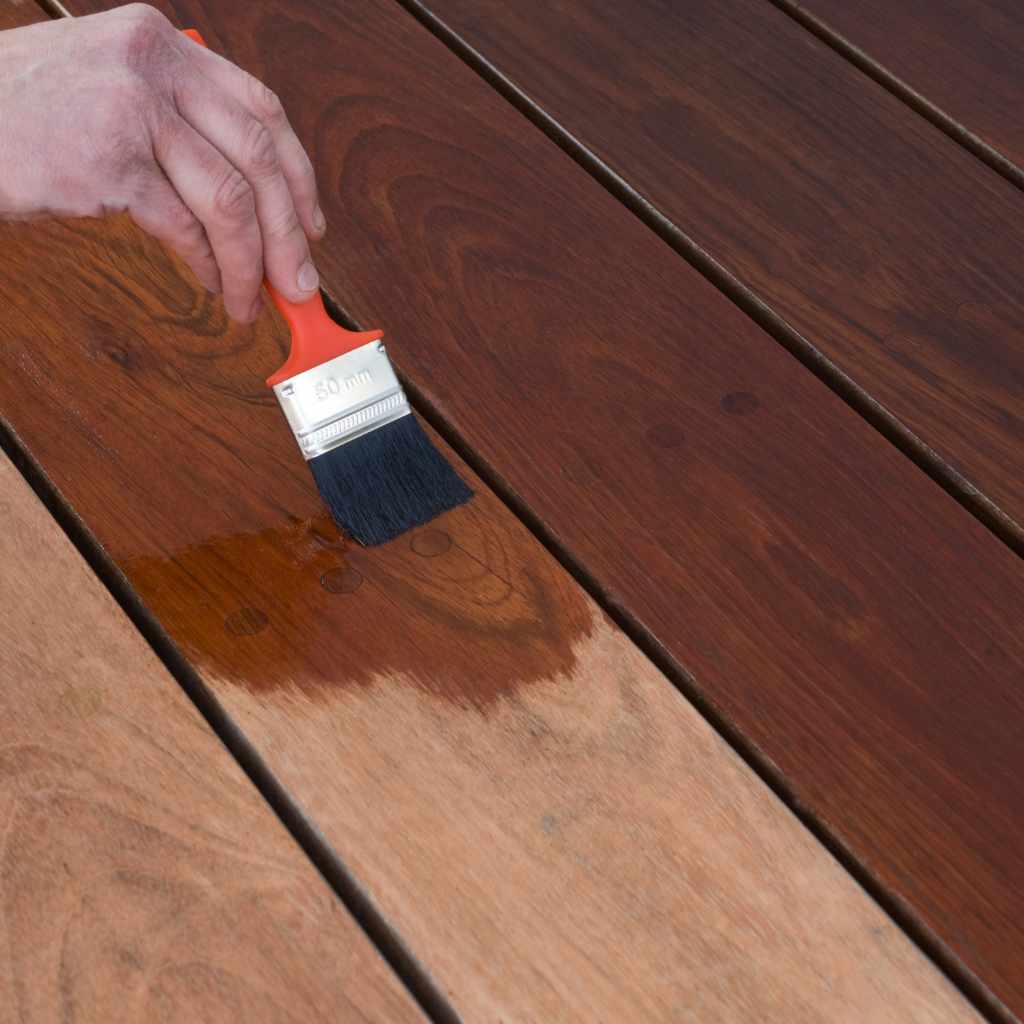
Applying the stain on mahogany brings out its rich color and natural beauty. This step requires care and the right technique. Proper application ensures the stain soaks evenly and highlights the wood’s unique grain. A smooth finish depends on how well you apply the stain.
Tools And Materials Needed
- Clean cloths or rags
- Natural bristle brush or foam brush
- Wood stain suitable for mahogany
- Sandpaper (220 grit)
- Gloves to protect your hands
- Protective drop cloth or newspaper
- Mineral spirits or stain thinner (optional)
Step-by-step Application
- Sand the mahogany surface lightly with 220 grit sandpaper.
- Wipe off dust with a clean, dry cloth.
- Stir the stain gently before use. Avoid shaking.
- Apply the stain with a brush or cloth in the direction of the grain.
- Let the stain sit for 5 to 15 minutes, depending on color depth desired.
- Wipe off excess stain using a clean cloth, following the grain.
- Allow the wood to dry completely before adding more coats.
- Apply additional coats for a darker finish, repeating the steps.
Tips For Even Coverage
- Work in small sections to avoid uneven drying.
- Apply thin layers rather than thick coats for better control.
- Always stain along the wood grain to enhance the natural look.
- Keep a clean cloth handy to remove excess stain quickly.
- Test the stain on a scrap piece of mahogany first.
- Maintain consistent pressure when brushing or wiping the stain.
- Ensure the workspace is dust-free to avoid particles on the surface.
Enhancing The Grain
Mahogany wood has a beautiful, natural grain that adds character to any piece. Enhancing this grain makes your woodwork stand out. It brings out the texture and depth hidden in the wood. Simple techniques and products can highlight the grain’s natural beauty.
Focusing on the grain enhances the overall look of your stained mahogany. It gives the surface a richer and more detailed appearance. This section covers easy ways to bring out the best in mahogany’s texture and patterns.
Using Grain Enhancers
Grain enhancers are special liquids or gels that soak into the wood. They darken the grain lines and make them more visible. Applying a grain enhancer before staining helps the wood’s natural patterns pop. Use a brush or cloth to apply it evenly. Let it dry completely before adding stain. This step deepens the wood’s character without hiding its beauty.
Techniques To Highlight Texture
Using a cloth to wipe off excess stain highlights the wood’s texture. Wipe gently along the grain to keep the pattern sharp. Applying multiple thin coats of stain also builds depth. Sand lightly between coats to smooth the surface. This prevents blotchiness and keeps the grain clear. Dry brushing with a lighter color can add contrast. It softly emphasizes the ridges and grooves of the wood.
Sealing And Protecting
Sealing and protecting mahogany is key to keeping its rich color and smooth finish. It stops moisture and dirt from damaging the wood. A good seal also makes the stain last longer and keeps the wood looking fresh. Taking time to seal right helps your mahogany piece stay beautiful for years.
Choosing The Right Sealer
Select a sealer made for hardwood like mahogany. Look for products labeled as clear or natural finish. Oil-based sealers deepen the wood’s color and add shine. Water-based sealers dry faster and have less odor. Make sure the sealer offers protection from water and sunlight.
Application Methods
Use a clean brush or lint-free cloth to apply the sealer. Apply thin, even coats to avoid drips and bubbles. Let the first coat dry fully before adding more. Lightly sand between coats with fine sandpaper for a smooth finish. Work in a well-ventilated area to speed drying.
Maintenance Tips
Clean mahogany surfaces regularly with a soft cloth. Avoid harsh cleaners that can wear the finish. Apply a fresh coat of sealer every one to two years. Check for scratches or dull spots and touch up as needed. Proper care keeps your mahogany strong and beautiful.
Common Mistakes To Avoid
Staining mahogany can bring out its rich, warm tones. Avoiding common mistakes helps achieve a smooth, even finish. These errors can ruin your project or cause extra work. Learn what to watch for to get the best results.
Over-application
Applying too much stain leads to uneven color and blotches. The wood may stay sticky and never dry properly. Use thin coats and build color slowly. Wipe off excess stain quickly to avoid dark spots.
Ignoring Wood Preparation
Skipping sanding or cleaning leaves dirt and rough spots. The stain won’t soak in evenly and looks patchy. Always sand the wood with fine grit paper. Clean off dust before staining for a smooth surface.
Choosing The Wrong Products
Using stains or sealers not meant for mahogany causes poor results. Some products can change the wood color or damage it. Pick stains designed for hardwoods and test on a small area first. Follow product instructions carefully for best effects.
Frequently Asked Questions
How Do You Prepare Mahogany Before Staining?
To prepare mahogany, sand the surface smoothly with fine-grit sandpaper. Remove dust with a tack cloth. Apply a wood conditioner to ensure even stain absorption and enhance the wood’s natural grain. This step prevents blotchiness and creates a perfect base for staining.
What Type Of Stain Works Best For Mahogany?
Oil-based stains work best for mahogany. They penetrate deeply, highlighting the rich grain and natural color. Water-based stains can raise the grain and require more preparation. Choose a stain that complements mahogany’s reddish-brown tones for the best finish.
How Long Should You Wait Before Applying A Second Coat?
Wait 4 to 6 hours between coats. This allows the stain to dry properly and prevents uneven coloring. Applying multiple thin coats rather than one thick coat ensures a richer, more durable finish on mahogany wood.
Can I Use Polyurethane Over Stained Mahogany?
Yes, applying polyurethane over stained mahogany protects the surface. Use a clear, oil-based polyurethane for the best durability. It enhances the wood’s natural beauty and provides a smooth, long-lasting finish. Make sure the stain is fully dry before application.
Conclusion
Staining mahogany can bring out its rich, natural beauty. Choose the right stain and apply it evenly for best results. Always prepare the wood by sanding it smooth first. Let the stain dry completely before adding a finish. Taking time with each step ensures a lasting, attractive look.
Enjoy your beautifully stained mahogany piece for years to come. Simple care keeps the wood looking fresh and vibrant. Ready to give your mahogany a new, warm glow?