Is Mahogany Wood Durable? Rot Resistance and Longevity Explained
Genuine mahogany is moderately to very durable, but it is not teak. Honduran mahogany (Swietenia macrophylla) is rated moderately to very durable against rot, African mahogany (Khaya) is moderately durable, and “Philippine mahogany” is really dark red meranti, which can be non-durable. Here is how the three compare on rot, hardness and stability, and what to do outdoors.
What Actually Makes Mahogany Rot-Resistant
Best Outdoor Mahogany Oil Pick
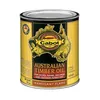 |
Cabot Australian Timber Oil, Mahogany Flame, 1 Quart ($34.71) Natural rot resistance only goes so far outdoors, as the outdoor section below explains. This penetrating oil is the kind of finish that covers the gap, in a red-brown tint that suits mahogany.
|
As an Amazon Associate we earn from qualifying purchases.
Mahogany heartwood resists decay because of the natural extractives in the wood, the same basic mechanism behind teak and cedar. The catch is how much protection you get. According to the Wood Database, Honduran mahogany “varies from moderately durable to very durable depending on density and growing conditions of the tree.” Older wild-grown timber tends to be darker and more durable, while plantation stock can be lighter and slightly less rot resistant.
So a single “mahogany durability rating” does not exist. Two boards sold under the same name can sit at different ends of that range, which is why the density and color of the actual board matter more than the label.
Insects are a separate question. Honduran mahogany heartwood is generally resistant to termites but vulnerable to other insects, per the same source. If you want the outdoor tradeoffs against a classic decay-resistant softwood, our cedar vs mahogany comparison covers them.
Three Woods Sold as Mahogany: A Durability Scorecard
Most durability pages treat “mahogany” as one wood. It is at least three, and they are not equal. This table uses figures from the Wood Database pages for each species, with teak added as the reference point.
| Wood | Janka hardness | Dried density | Decay resistance | Shrinkage (R / T / Vol) |
|---|---|---|---|---|
| Honduran mahogany (Swietenia macrophylla) | 900 lbf | 36.8 lb/ft3 (590 kg/m3) | Moderately to very durable | 2.9% / 4.3% / 7.5% |
| African mahogany (Khaya ivorensis, K. anthotheca) | 850 lbf | 33.9 lb/ft3 (545 kg/m3) | Moderately durable | 3.4% / 5.7% / 9.3% |
| “Philippine mahogany” (dark red meranti, Shorea) | 800 lbf | 42 lb/ft3 (675 kg/m3) | Moderately durable to non-durable | 3.9% / 7.8% / 12.5% |
| Teak (reference) | 1,070 lbf | 40.9 lb/ft3 (655 kg/m3) | Very durable | 2.6% / 5.3% / 7.2% |
The naming myth. Philippine mahogany is the densest of the three mahoganies in the table and the least stable, yet it has the weakest decay rating. Density alone does not predict durability: dark red meranti is about 14 percent denser than Honduran mahogany by these figures, but it “bears no relation to what is considered to be true mahogany,” as the Wood Database puts it. If a listing says “mahogany” without a species, assume nothing.
Teak’s Janka hardness is 1,070 lbf and its heartwood is rated very durable. Source: Wood Database, Teak. For the head-to-head, see teak vs mahogany.
Hardness Is a Separate Question From Rot Resistance
Janka hardness measures dent resistance, not decay resistance. Honduran mahogany rates 900 lbf, African 850 lbf and dark red meranti 800 lbf, all softer than teak. A softer wood scratches and dents more easily, but that tells you nothing about whether it will rot. For the numbers behind each species, see how hard mahogany is.
That is why the two ratings should be read together. A hard but rot-prone wood needs a finish outdoors, while a soft but decay-resistant one can survive unfinished and still dent. Mahogany sits in the middle: moderate hardness and moderate to good decay resistance.
Stability: The Quiet Durability Advantage
Wood that moves less with humidity holds its joints and finish longer. The Wood Database describes Honduran mahogany as having phenomenal stability, and its shrinkage numbers back that up. The ratio of tangential to radial shrinkage (the T/R ratio) is a rough warping predictor, and a lower number is better.
- Honduran mahogany: T/R ratio 1.5, from 4.3% tangential and 2.9% radial shrinkage.
- African mahogany: about 1.7, worked out from 5.7% tangential and 3.4% radial shrinkage.
- Teak and dark red meranti: both 2.0, so both move noticeably more than Honduran mahogany.
This is an angle most “is mahogany durable” pages skip. For a table top, a door or a boat part that sees humidity swings, stability can matter more than the rot rating. It is one reason genuine mahogany has such a long history in furniture, doors and boatbuilding.
Indoor Furniture: Durability Rarely Matters
Indoors there is no sustained moisture for the wood to resist, so rot resistance is almost irrelevant. How long a piece lasts comes down to joinery, the finish against scratches and spills, and keeping it away from radiators and direct sun. Mahogany is easy to work, glues, stains and finishes well, according to the Wood Database, which is part of why it shows up in cabinetry and chairs. Our guides to mahogany chairs and the pros and cons of mahogany go deeper on indoor use.
Outdoor Use: Mahogany Needs Help Teak Doesn’t
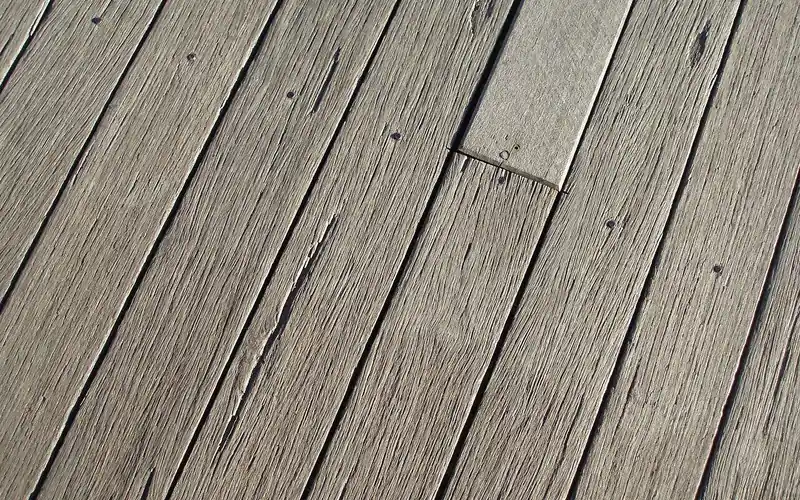
Left bare outdoors, mahogany behaves like most woods: it grays, checks and, if it stays wet, decays. A good finish is not optional. It slows UV graying and moisture uptake, and it is the main thing you control.
- Use a penetrating oil or marine-grade finish rated for exterior use, and follow the product label for coats and recoat timing.
- Seal the end grain, since cut ends absorb water fastest.
- Keep it off wet ground and out of standing water; drainage matters more than species.
- Expect more upkeep than teak. Teak is rated very durable and mahogany is not, so budget for refinishing.
If you are comparing finishes, our roundup of the best mahogany finishes breaks down types and costs, and the mahogany decking pros and cons page covers what to expect on a deck.
African vs. Honduran Mahogany: Does Durability Differ?
Yes, modestly. Honduran mahogany has the edge on paper: a rating that reaches very durable, termite resistance, higher hardness (900 versus 850 lbf) and better stability. African mahogany is rated moderately durable with moderate to poor insect resistance, and its interlocked grain can tear out during machining.
African mahogany is also cheaper. The Wood Database notes that Honduran mahogany is the more expensive of the two. For many indoor projects that price gap buys little real-world difference, but for outdoor furniture or boat parts the extra decay resistance can justify it. Our African mahogany vs sapele and mahogany identification guides help you tell the species apart before you buy.
CITES Status: What It Means for Buying Real Mahogany
Durability is only useful if you can actually buy the wood. The Wood Database lists Honduran mahogany (Swietenia macrophylla) in CITES Appendix II and as Endangered on the IUCN Red List, citing heavy harvest pressure on wild trees in parts of South America. African mahogany (Khaya) is also CITES Appendix II, listed genus-wide, and the main Khaya species are IUCN vulnerable. That affects sourcing and paperwork more than quality, so buy from a supplier who can name the species and origin. See where to buy mahogany wood, what kind of wood mahogany is and mahogany tree facts for more.
Frequently Asked Questions
Is mahogany as durable as teak for outdoor furniture?
No. The Wood Database rates teak heartwood as very durable and calls it the gold standard for decay resistance, while Honduran mahogany ranges from moderately durable to very durable and African mahogany is rated moderately durable. Teak is also harder, at 1,070 lbf against 850 to 900 lbf. Mahogany outdoors needs a finish.
Does mahogany rot if left outside unfinished?
Yes, eventually. Its oils slow decay, but unfinished mahogany still grays, checks and can rot when it stays wet. The ratings above describe heartwood, not a promise for bare wood in constant moisture. A penetrating oil or marine-grade finish, kept up on schedule, is what extends its life.
Is African mahogany less durable than Honduran mahogany?
Slightly, on paper. African mahogany (Khaya) is rated moderately durable with moderate to poor insect resistance, while Honduran mahogany (Swietenia macrophylla) ranges up to very durable and resists termites. African is also a little softer at 850 lbf against 900 lbf, and it costs less.
Is Philippine mahogany as durable as real mahogany?
Usually not. Philippine mahogany is a trade name for dark red meranti (Shorea), which the Wood Database reports as moderately durable to non-durable and susceptible to insect attack. It is not related to true mahogany. Quality varies a lot between Shorea species, so ask what you are actually buying.
Does mahogany attract termites?
Honduran mahogany heartwood is generally resistant to termites but vulnerable to other insects, according to the Wood Database. African mahogany is rated moderate to poor for insect resistance. Neither is termite-proof, so keep wood off damp soil and out of standing water.
Conclusion
Genuine mahogany is a solid, stable, moderately to very durable wood that works well indoors with almost no upkeep and outdoors with a good finish. African mahogany is a close, cheaper relative with a slightly lower rating, and Philippine “mahogany” is a different wood entirely. If you are weighing colors next, see mahogany vs walnut color, and okoume vs mahogany for marine plywood. For the full property profile (grain, hardness, workability), see our mahogany wood characteristics guide.
Sponsored / affiliate links. As an Amazon Associate I earn from qualifying purchases. I may earn additional commission from eligible campaigns.