How to Fix Door Hinge Holes That Are Too Big (Without Replacing the Door)
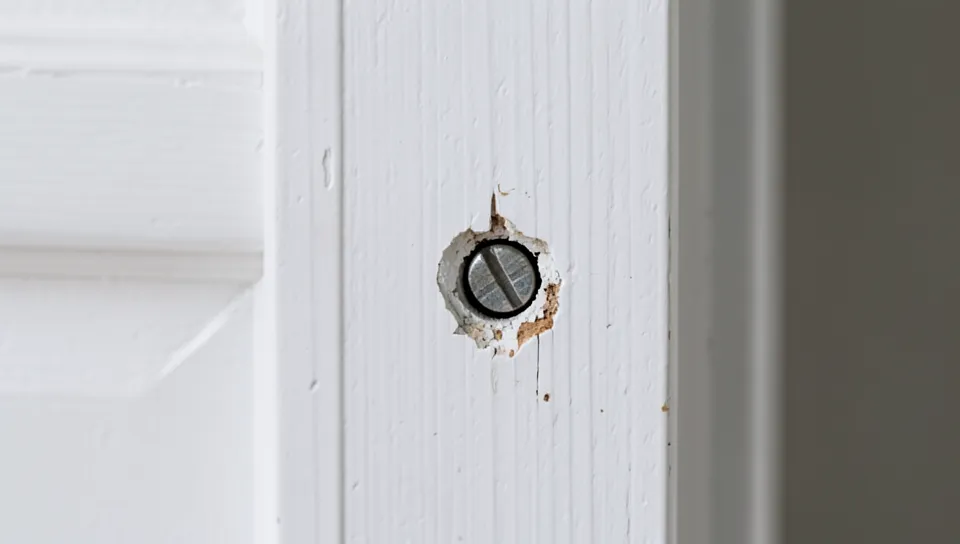
An oversized or stripped hinge screw hole happens from years of a heavy door sagging and working the screw loose, or from a screw being driven in and out too many times over the door’s life. Once the hole is too big, the screw threads have nothing left to bite into, and just driving the same screw back in will not hold the door up for long. The fix depends on how far gone the hole is.
Here are the real options, from fastest to most permanent.
Fastest Fix: A Screw Hole Repair Kit
Fastest Fix for a Stripped Hinge Hole
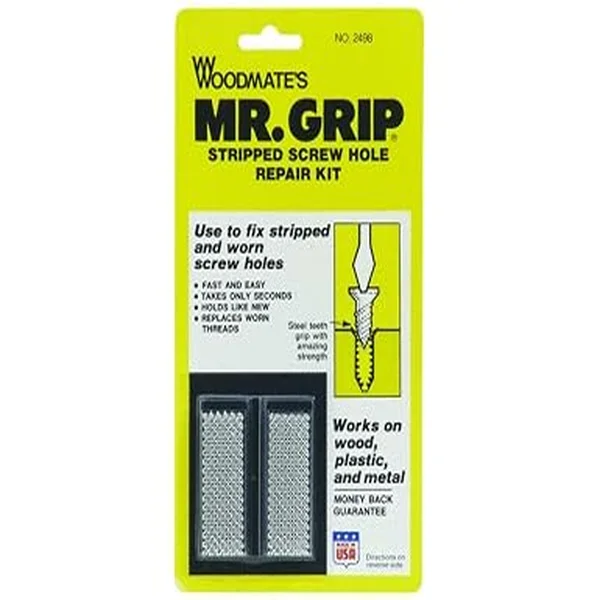 |
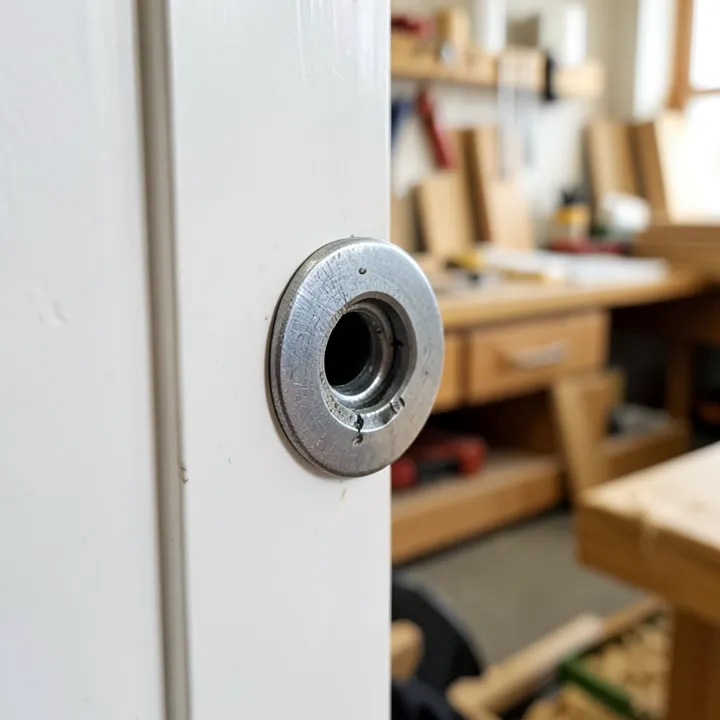
Woodmate Mr. Grip Screw Hole Repair Kit – $3.39 Purpose-built for exactly this problem: a stripped screw hole that needs new material for the threads to bite into, without filler cure time.
|
For a hole that’s stripped but not torn out or oversized beyond the screw’s head, a purpose-built screw hole repair kit is the quickest real fix. These kits use steel or fiber mesh strips that you insert into the hole; the strips give the screw threads new material to grip as it’s driven back in, instead of spinning uselessly in a hole that’s become too smooth or too wide.
- Remove the hinge screw and clear any loose debris from the hole.
- Cut a strip from the kit to roughly fit the hole’s depth.
- Insert the strip lengthwise into the hole, folding or trimming as needed so it packs the opening without blocking it entirely.
- Drive the original screw back in through the strip — the strip compresses and grips the threads, holding the screw firmly.
This works well for holes that are stripped from wear but still roughly screw-sized. It’s not the right fix for a hole that’s visibly torn out or noticeably wider than the screw itself — there, the strips won’t have enough surrounding wood to grip against.
Wood Filler Fix for a Moderately Enlarged Hole
If the hole is noticeably wider than the screw but the surrounding wood is otherwise solid, a stainable or paintable wood filler (or a two-part epoxy wood filler for more strength) can rebuild the hole:
- Clean out the hole completely, removing any loose wood fibers or old screw threads.
- Pack the filler firmly into the hole, slightly overfilling since most fillers shrink a little as they cure.
- Let it cure fully — don’t rush this step, since a soft or partially cured filler will crumble under the stress of a door opening and closing.
- Pre-drill a pilot hole in the center of the cured filler, sized slightly smaller than the screw, and drive the screw in.
The Most Durable Fix: Wood Dowels or Golf Tees
For a hole that’s badly torn out, or for a repair you want to genuinely last as long as the original wood did, filling the hole with real wood gives the screw the most solid material to bite into — more durable than a filler compound alone. This is the classic carpenter’s fix, and it’s simple:
- Coat a wood golf tee, dowel, or a whittled scrap of wood in wood glue.
- Tap it into the hole until it’s snug, adding more glue-coated wood if needed to fully fill the cavity.
- Let the glue cure fully per the label, typically 24 hours for a full-strength bond.
- Trim the excess flush with a utility knife or chisel.
- Pre-drill a fresh pilot hole in the center of the plug and drive the hinge screw into solid wood again.
If the Frame Itself Is Damaged, Not Just the Hole
Sometimes the real problem isn’t the hole but a split or cracked section of the door frame around the hinge. If you see a crack radiating from the screw hole, filling the hole alone won’t hold — the split needs wood glue worked into the crack and clamped until it cures before any of the above hole repairs will actually stay put. Skipping this and just refilling the hole on a cracked frame usually means the repair fails again within weeks under the door’s weight.
Frequently Asked Questions
Can I just use a longer screw instead of repairing the hole?
Sometimes, if the hole isn’t torn out and there’s enough surrounding wood depth, a slightly longer or thicker screw can bite into fresh material past the damaged section. But if the hole is stripped smooth or torn wider than the screw, a longer screw alone usually just strips the same way once it hits the same worn spot.
How long does wood filler need to cure before rehanging a door?
Follow the product label, but most wood and epoxy fillers need several hours to a full 24 hours to reach enough hardness to hold a screw under load. Rehanging the door too soon on a partially cured filler is a common reason this repair fails quickly.
Are golf tees actually a legitimate fix for stripped hinge holes?
Yes, this is a well-known, genuinely effective carpenter’s trick. A wood golf tee or dowel coated in wood glue and tapped into the hole gives the screw solid new wood to grip, which typically outlasts a filler-only repair since it’s real wood fiber rather than a compound.
Sponsored / affiliate links. As an Amazon Associate I earn from qualifying purchases. I may earn additional commission from eligible campaigns.