Best Screw Extractors for Stripped Screws (2026): research shows
The best screw extractor kit for stripped screws is a two-stage set with left-hand drill bits and spiral-flute extractors. Start with the smallest bit that bites. For very small screws, small-fastener kits usually work better than oversized tapered sets. Bad matches round the head, snap the fastener, or chew up surrounding wood or metal. This guide helps you choose the right extractor style by screw size and failure mode, then remove it with the least damage.
Best screw extractor kit for stripped screws: top pick
For small fasteners and mixed repair jobs, the most useful starting point is often a compact kit with matched drill and extractor sizes, plus a case that keeps each piece in place. Bob Vila named the Alden Grabit Pro the best overall pick, and that compact layout fits the small-fastener-first approach this article uses.
A stripped screw is one whose drive recess no longer holds a driver well enough to turn it. The basic extraction sequence is simple: drill a centered pilot, let the reverse-threaded tool bite, then back the fastener out. The right kit keeps that process controlled, which matters when the surrounding material is cabinet face frame, plywood, drywall anchor material, or sheet metal.
Bob Vila’s review covered five screw extractor kits with a price range of $25 to $60. That spread shows why matching the tool to the failure mode matters more than chasing the biggest box.
Quick comparison
| Product | Badge | Best for | Price | ||
|---|---|---|---|---|---|
 |
TOPEC Damaged Screw Extractor Set, 7 Piece Easy Out BoltTopec | Budget pick | 7-piece · CR-MO steel · 6 sizes | $9.99
Price as of 13 Oct 2026
|
View |
 |
Irwin Tools IRWIN Screw Extractor/ Drill Bit Set, 10-PieceIRWIN | Our pick | 10-piece · spiral flute · includes drill bits | $67.19
Price as of 13 Oct 2026
|
View |
 |
39-Piece Damaged Screw Extractor Set with 3/8" Drive BoltTHINKWORK | Upgrade pick | 39-piece · 2-21mm · blow-mold case | $39.97
Price as of 13 Oct 2026
|
View |
 |
CRAFTSMAN Screw Extractor, 6Piece Set (CMAT136)CRAFTSMAN | Also great | 6-piece · reverse spiral · universal fit | $21.95
Price as of 13 Oct 2026
|
View |
The comparison below should be read by screw condition first, then by size. A good match for a flush #6 cabinet screw is often the wrong choice for a protruding lag screw or a broken stud.
Small hardware needs different bite geometry than larger bolts. So does rust.
How we chose
The list below centers on four checks: size coverage, material quality, layout, and failure limits. That means looking at whether a kit handles micro screws, whether it uses HSS or cobalt steel, whether the pieces are paired and labeled, and where the method starts to struggle.
Size coverage: small-fastener support matters because #6 screws and electronics hardware leave little room for error.
Material quality: HSS is common for durability, hardness, and heat resistance; cobalt steel sits higher on the toughness ladder for harder removal jobs.
Kit layout: matched drill bits and extractors, a storage case, and clear size markings cut mix-ups.
Use limits: rust, recessed heads, and broken-off fasteners change the best tool fast.
TOPEC Damaged Screw Extractor Set: best for budget repair kits
This 7-piece set fits buyers who want a lower-cost repair kit for stripped screws, damaged bolts, and broken studs. The spec sheet points to CR-MO steel, 6 sizes, and clearly labeled pieces, which makes it a practical choice when you want a compact box that is easy to sort in a tool bag.
It stands out for use on rusty, damaged, or broken fasteners, but it is not the first pick for micro work. The smaller the screw, the less forgiveness you have if the bit wanders or the hole starts to grow.
Drawback: a 7-piece layout is more limited than larger multi-size sets, so it can leave gaps if you regularly handle both precision screws and bigger hardware.
IRWIN Screw Extractor/ Drill Bit Set: best for spiral extraction
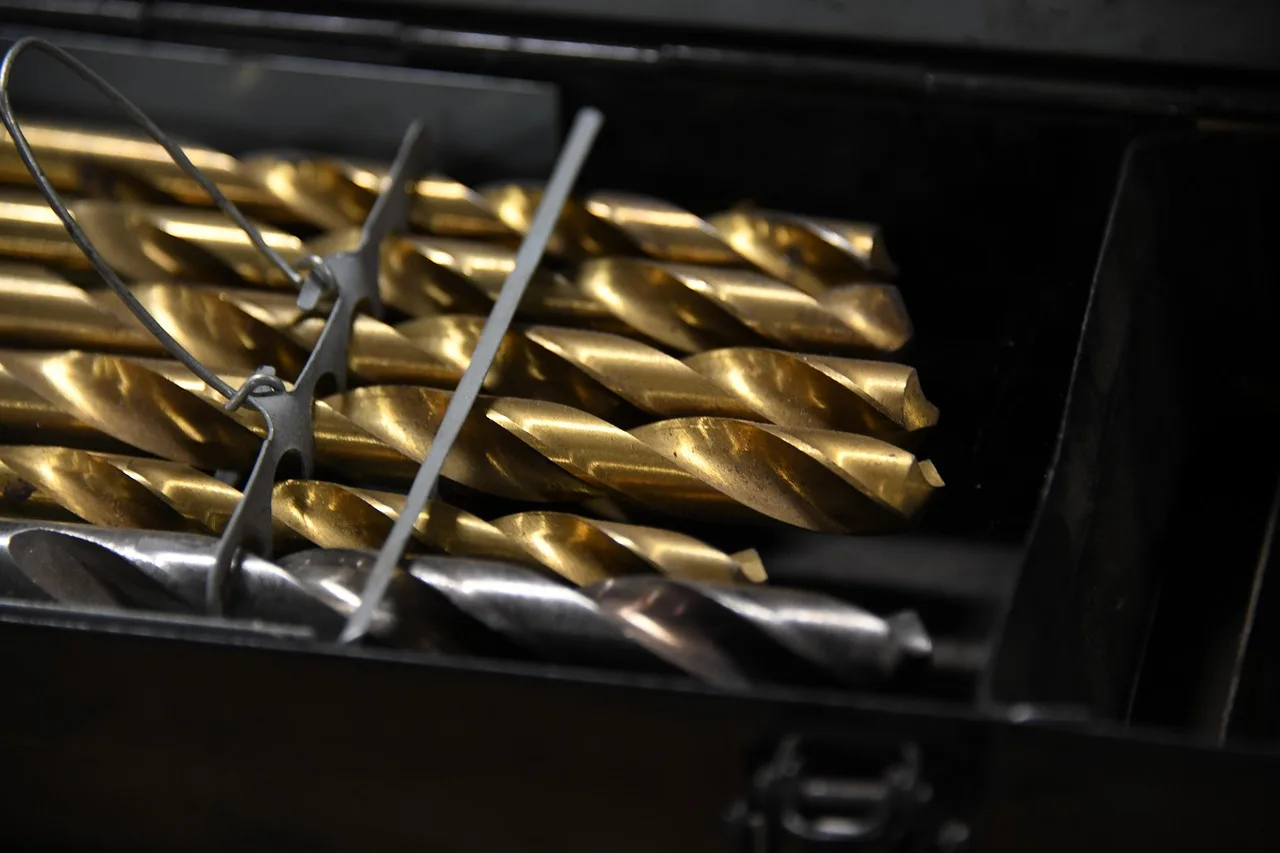
This 10-piece spiral extractor and drill bit set is the clearest fit when you want the classic two-step method in one box. Bob Vila listed the Irwin set as a 10-piece spiral extractor and drill bit set, and that pairing matters because spiral flutes bite deeper as resistance increases.
It is a strong choice for deeper engagement, especially when a screw head is stripped but the shank is still centered enough to drill cleanly. The etched sizes also help selection, which is useful when you are moving quickly and do not want to mix drill and extractor sizes.
Drawback: a spiral kit is less forgiving on very small screws and can be too aggressive if the head is shallow, split, or already chewed out.
THINKWORK 39-Piece Damaged Screw Extractor Set: best for large size ranges
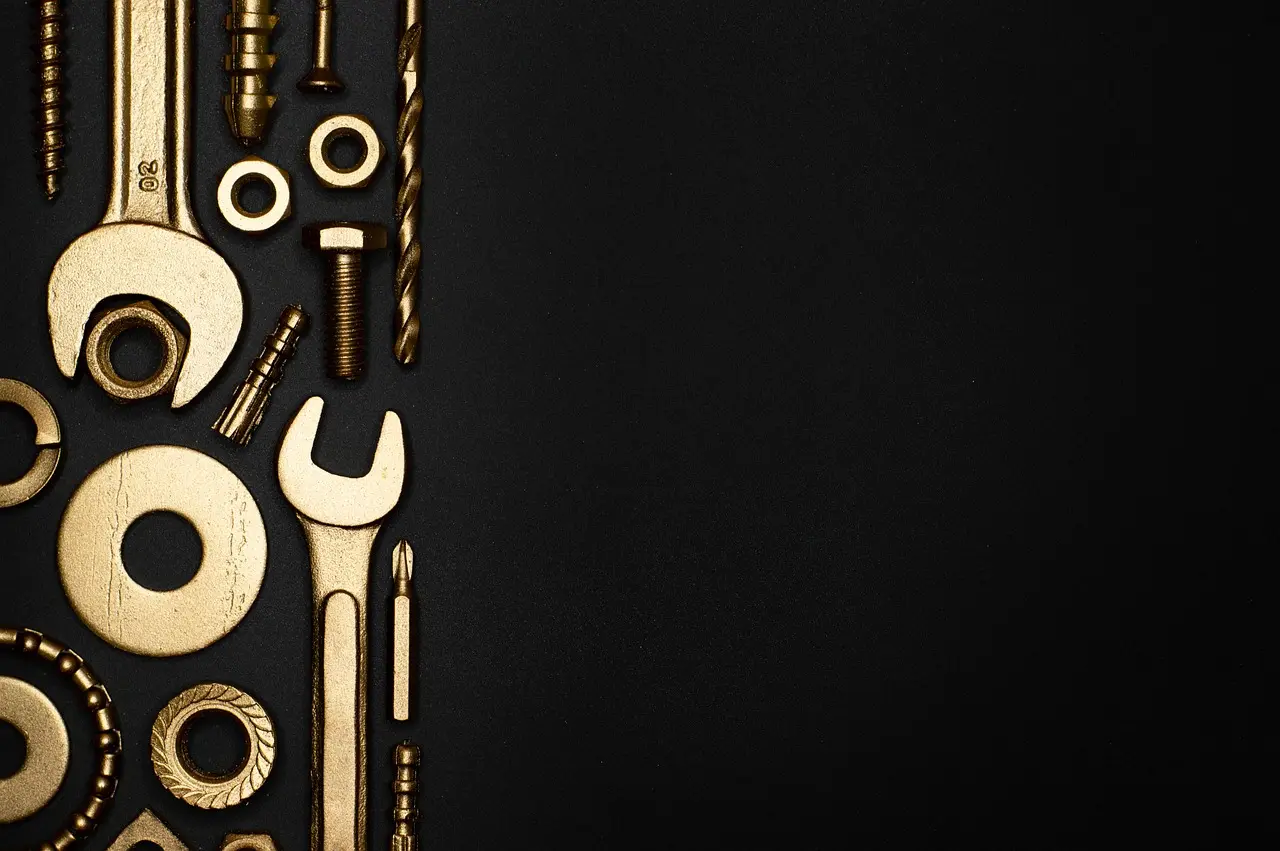
This 39-piece set is aimed at shoppers who need broader size coverage, especially for bolts and larger fasteners. The listed 2 mm to 21 mm range, blow-mold case, adapters, and knockout pin make it the most range-heavy option in this group.
It is a sensible buy when your repair list includes cabinet hardware, machinery screws, larger bolts, and studs in the same kit. Based on the spec sheet and reviews, the chrome-molybdenum and HSS 6542 steel mix should hold up well for repeated use.
Drawback: the sheer number of pieces can slow selection, and that is not ideal when you only need a compact answer for a #6 screw or a small appliance fastener.
CRAFTSMAN Screw Extractor 6-Piece Set: best for simple general use
This 6-piece reverse spiral set is a straightforward option for users who want a universal-style extractor kit without a lot of extra parts. Its reverse spiral flutes are designed for maximum grip, and the brand positions it for broken, damaged, or rusted hardware.
That makes it a reasonable general-purpose pick for wood screws, metal screws, and other common fasteners. For many DIY jobs, a simple set is easier to reach for than a bulkier box with more sizes than you will use.
Drawback: a universal claim does not remove the size problem, and small screws still need tighter size matching than large hardware.
Which one should you buy
Start with the screw size and the way it failed. If you are removing a #6 cabinet screw, a micro extractor kit or a compact small-fastener set is the safer bet. If the head protrudes, extractor pliers may beat a spiral kit. If you are facing a larger bolt or stud, move up to a bigger extractor set with stronger bite geometry.
If you want one compact kit for mixed household work, the TOPEC set is the budget-friendly place to start. If you want a more classic spiral system, the IRWIN set matches that method closely. If your work spans small screws through bolts, the THINKWORK set offers the widest spread.
When should you buy extractor pliers instead of a spiral kit?
Buy extractor pliers when the screw head sticks out far enough to grip from the outside. They are useful for protruding screw heads, broken bolts with exposed shanks, and other fasteners that still give you purchase at the surface. They are not the right tool for recessed or flush screws, where there is nothing to grab.
Extractor pliers work because they clamp the outside of the head instead of depending on an internal bite. That makes them especially helpful when the recess is stripped but the head still stands proud of the surface, such as on face-mounted hardware or a corroded machine screw with a rounded top.
If pliers slip, stop before flattening the head more. Reposition for a deeper grip, clean rust off the visible edges, or switch to a left-hand drill bit if the head is too damaged to hold. On woodwork, protect the surface with thin scrap or tape so a slip does not bruise the finish.
Which extractor style fits your screw size?
Small fasteners need small extractors. A #6 screw, micro electronics screw, or precision cabinet fastener usually needs a micro extractor or a small reverse-thread kit with matched bits. Larger screws, bolts, and studs need bigger extractor sizes and often a different gripping style.
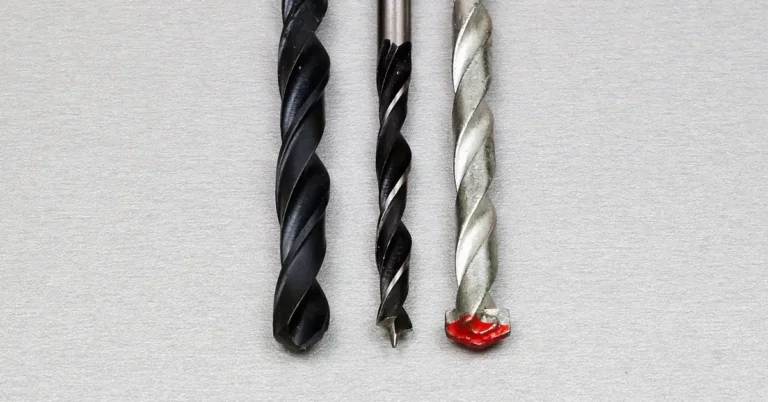
Spiral extractors suit deeper bite and general repair work. The left-hand spiral bites into a drilled hole and can be used with a ratchet or drill, which helps when the fastener is seized but still aligned. Micro extractors are better when the screw is tiny and the bite area is limited.
Left-hand drill bits are often the first move on seized fasteners because they drill while also helping loosen the screw. That can be enough on a lightly rusted screw. For larger bolts and studs, multispline or bolt-specific sets usually fit the job better than a small tapered kit.
Quick picks
- #6 screws and precision hardware: micro extractor kit or small reverse-thread set
- Cabinet screws and wood screws: compact spiral extractor kit with matched drill bits
- Protruding heads: extractor pliers
- Bolt heads and studs: larger multispline or bolt extractor set
- Seized fasteners with enough center punch room: left-hand drill bit first
Decision table: choose the right tool by failure mode
| Failure mode | Typical size range | Best tool type | No-go case | Rescue step after a failed first attempt |
|---|---|---|---|---|
| Flush head | #6 to 1/4 inch | Micro extractor or spiral extractor | Extractor pliers, because there is no protrusion to grip | Re-center with a smaller pilot; do not widen the hole fast |
| Recessed head | Small to medium screws | Left-hand drill bit, then spiral extractor | Extractor pliers and large bolt sets | Clear debris, deepen the pilot slightly, then retry with the next smaller bit |
| Protruding head | Any size with exposed edge | Extractor pliers | Micro extractors if the head can already be clamped cleanly | If the grip slips, switch to a left-hand bit before crushing the head flat |
| Broken-off screw or stud | Medium to large hardware | Left-hand drill bit or bolt extractor set | Small tapered extractors on a large stud | Center punch carefully; if the pilot wanders, stop and reassess before drilling larger |
| After a failed first attempt | Any size | Step down one size or change tool type | Drilling wider immediately | Use cutting oil on metal, clean chips, and move to a tighter-fitting bit or pliers |
What to buy for small fasteners, bolts, and studs
For #6 screws and smaller hardware, buy a micro kit or a precision extractor set. iFixit’s Precision Screw Extractor Set is aimed at small stripped screws, and iFixit lists 1.1-2.0 mm dimensions with double-sided, reversible extractor tips. That kind of scale is what precision work needs.
For cabinetry and wood screws, a small spiral extractor set or a compact two-stage kit is often the safer fit. Wood around the screw can crumble if you force a large tapered bit into a small damaged hole, so matched sizing matters more than brute force.
For large bolts and studs, move up to a larger set such as a bolt extractor kit. Bob Vila named the Irwin Bolt-Grip 5-piece set the best for bolts, which is the right category when the fastener is too large for a small screw kit to bite well.
A good storage case should keep drill bits, extractors, and labels separated so sizes do not mix. That is not a luxury. It is what keeps you from grabbing the wrong diameter in the middle of a repair.
How to use a stripped screw extractor
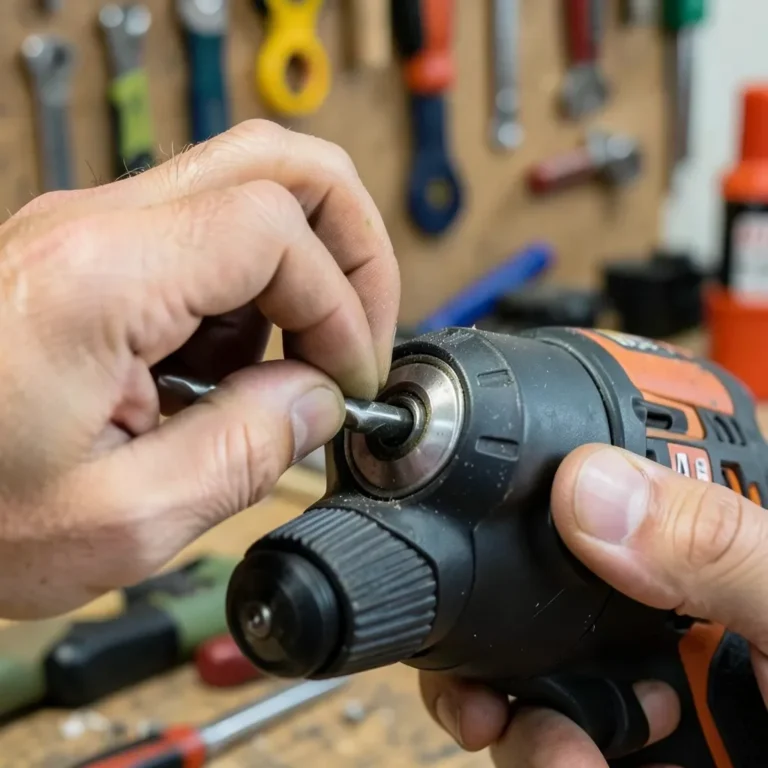
The best way to use a stripped screw extractor is to start with the smallest centered pilot that still gives the tool room to bite. Drill slowly, keep the bit centered, and let the reverse-threaded extractor do the turning. If the screw resists, stop and change size before the hole gets too large.
Choose the extractor style first. Spiral extractors are better when you can get deeper engagement. Micro extractors are better for small hardware. Extractor pliers only make sense when the head protrudes enough to grip. Left-hand drill bits are often the first step on seized screws because they can loosen the fastener while drilling.
- Mark the center of the damaged recess with a punch if the head is metal.
- Drill the smallest pilot that fits the chosen extractor.
- Seat the extractor fully before turning counterclockwise.
- Use steady pressure, not sudden force.
- If it slips, stop and move to a different size or tool type.
Can I use a screw extractor on rusted screws?
Yes, but rust changes the odds. A screw extractor can work on rusted screws when the fastener still has enough material for the bit to bite and the pilot can be centered. Heavy corrosion, heat galling, or crusted threads make failure more likely, especially with small fasteners.
For rusted hardware, a left-hand drill bit is often worth trying first because it can loosen the screw while cutting. On larger bolts, a bolt-specific extractor set or extractor pliers may work better than a small spiral kit. Penetrating oil and cleaning the visible threads can help before you drill.
Do screw extractor kits work better on wood or metal screws?
They work on both, but the surrounding material changes the risk. Wood screws and cabinetry hardware can be easier to start because the screw is often smaller, yet the wood can tear if the extractor walks. Metal screws give a firmer drilling surface, but harder hardware may require better bits and more control.
Drywall anchors are a separate case. The anchor material can collapse before the extractor fully bites, so you may need to remove the anchor shell first or switch tools. For metal hardware, HSS and cobalt steel bits are a better fit because they handle heat and abrasion more cleanly.
What size screw extractor do I need?
Match the extractor to the damaged fastener, not to the box size. For a #6 screw, start with a micro or precision extractor. For common wood screws, a compact spiral kit is usually enough. For bolts and studs, choose a larger set with sizes meant for those diameters.
A common rule of thumb is to pick the smallest extractor that still leaves room for a centered pilot. Oversizing the tool is a fast way to split the head, widen the hole, or damage nearby finish. If in doubt, step down one size rather than forcing the next larger bit.
Frequently asked questions
what is the best screw extractor kit for stripped screws
The best kit depends on screw size and failure mode. For small hardware, a micro or compact spiral set is often the right fit. For mixed work, a kit with matched left-hand drill bits, reverse-thread extractors, and a labeled storage case is the most practical setup.
will a screw extractor work on small screws
Yes, but only with the right size. Tiny screws have limited bite area, so a standard oversized extractor can do more harm than good. For #6 screws and smaller hardware, micro extractor kits or precision sets are better than broad, general-purpose kits.
should I buy a spiral extractor or extractor pliers
Buy extractor pliers when the screw head protrudes enough to grip from the outside. Buy a spiral extractor when the head is flush or recessed and you need internal bite. If the head is too damaged for pliers, a left-hand drill bit is often the smarter first move.
Sponsored / affiliate links. As an Amazon Associate I earn from qualifying purchases. I may earn additional commission from eligible campaigns.