How To Use Wood For Smoking For The Best, Proven Results
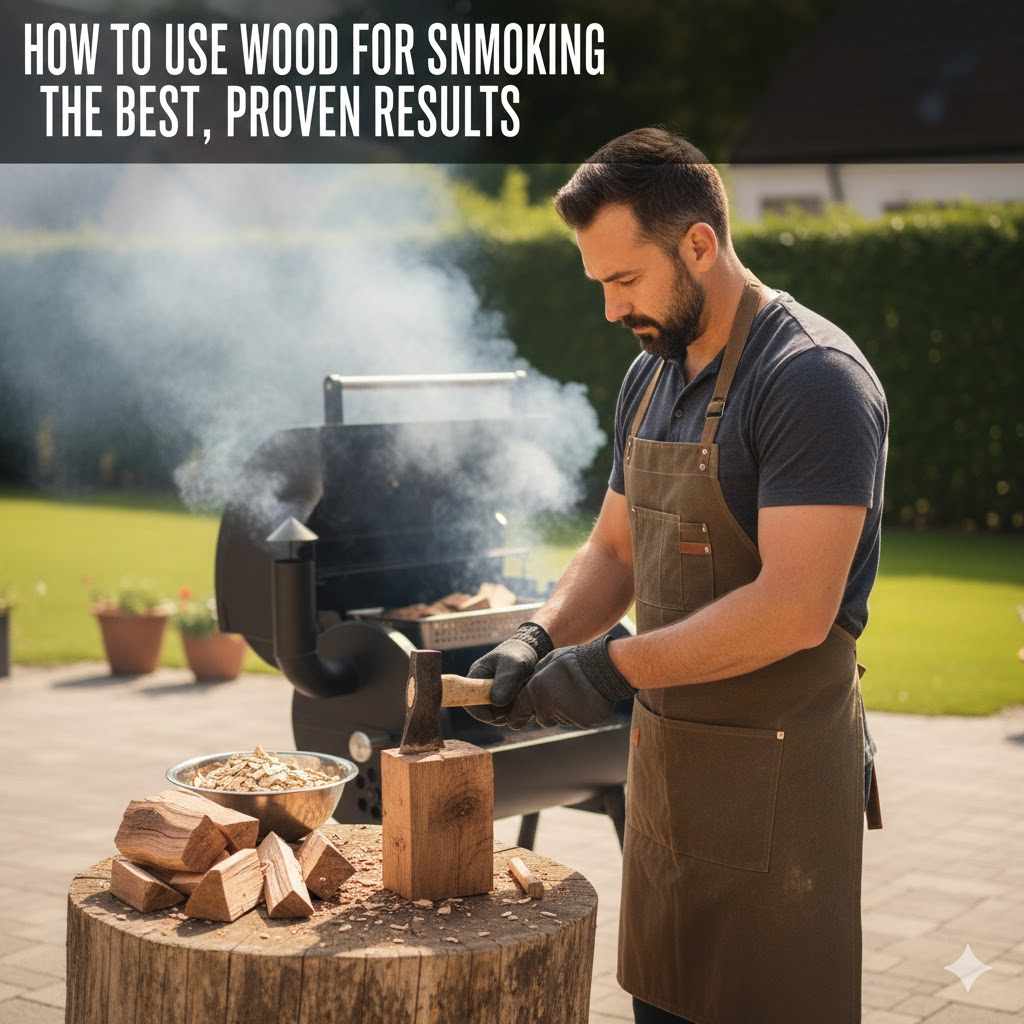
To use wood for smoking, choose the right type and form (chips, chunks, or logs) for your food and smoker. Add the wood once your grill is hot and wait for thin, blue smoke before adding your food. This clean smoke, not thick white smoke, is the key to achieving a delicious, smoky flavor without any bitterness.
Have you ever been excited to try smoking meat, only to end up with food that tastes bitter or overly smoky? It’s a common problem, and it can be very frustrating. You put in all that time and effort, but the result isn’t what you dreamed of. It can make you feel like giving up on smoking altogether.
But don’t worry, you are in the right place. The secret to amazing flavor isn’t complicated. It comes down to understanding a few simple things about wood. I’m here to walk you through everything, step by step. We’ll explore the best woods to use, how to prepare them, and exactly how to get that perfect, clean smoke. Let’s get you started on the path to incredible results.
Why the Right Wood Is the Secret Ingredient
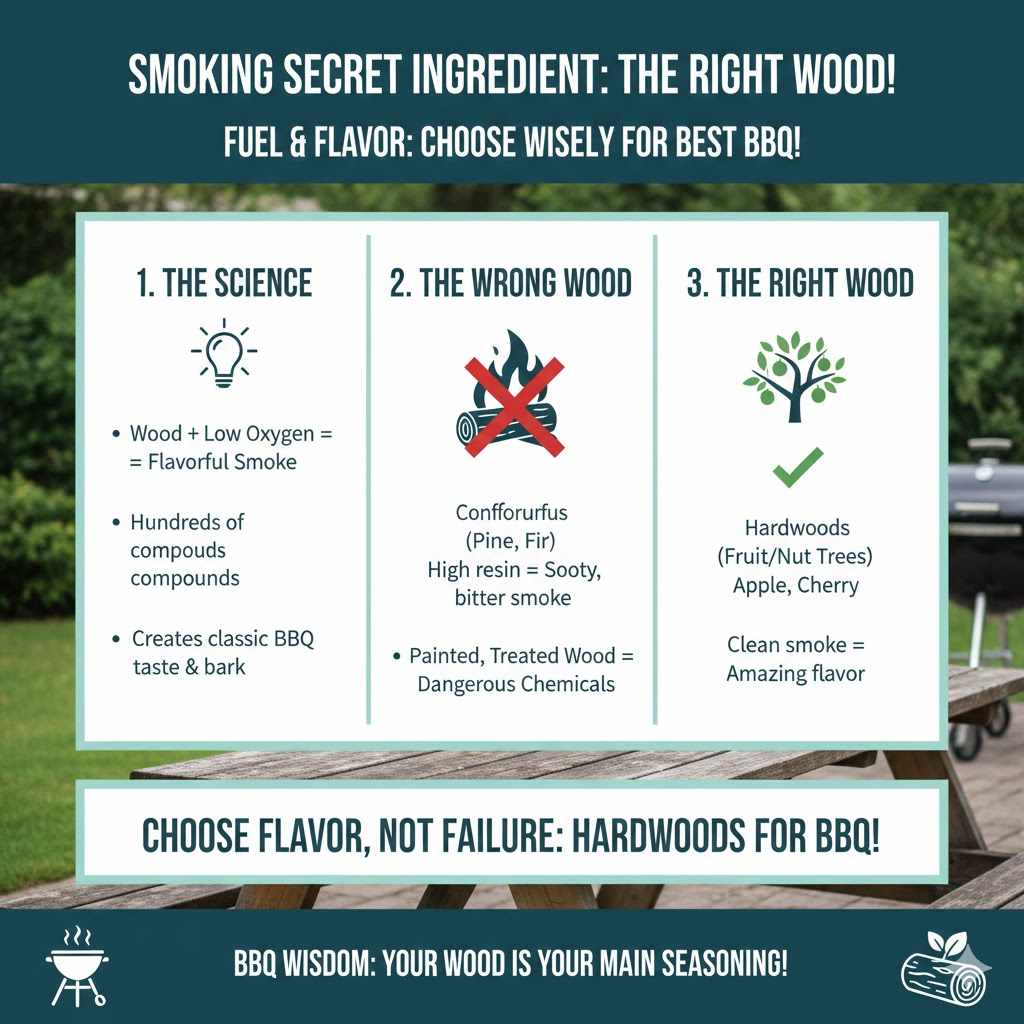
Think of wood as more than just fuel; it’s the main seasoning for your food. When you heat wood in a low-oxygen environment, like a smoker or a covered grill, it doesn’t just burn. It smolders and releases smoke. This smoke is filled with hundreds of flavor compounds that stick to the surface of your food, creating that classic barbecue taste and beautiful reddish-brown color known as the bark.
Using the wrong kind of wood can ruin your meal. Wood from coniferous trees like pine or fir contains a lot of resin. This resin creates a thick, sooty smoke that makes food taste like an ashtray. Similarly, using wood that is painted, treated, or pressure-treated is dangerous. These woods can release harmful chemicals when burned. Always use hardwoods from trees that produce a fruit or nut, as these are the ones that give us those amazing smoky flavors we love.
Understanding Wood Forms: Chips, Chunks, Logs, and Pellets
Smoking wood comes in several different shapes and sizes. The one you choose depends on your smoker and how long you plan to cook. Each has its own best use, so let’s break them down.
Wood Chips
Wood chips are small, thin pieces of wood, about the size of a coin. They burn fairly quickly, which makes them perfect for shorter cooks. If you’re smoking something for less than an hour, like fish, chicken breasts, or vegetables, chips are a great choice. Because they burn fast, you may need to add more chips every 30-45 minutes to keep the smoke going.
- Best for: Short cooks (under 1 hour)
- Smoker type: Electric smokers, gas grills, and charcoal grills
- How to use: Place them in a smoker box or a foil pouch with holes poked in it. Put the box or pouch directly over the heat source.
Wood Chunks
Wood chunks are fist-sized blocks of wood. They are my personal favorite for most smoking projects. Chunks burn much slower and more consistently than chips. This makes them ideal for longer cooks, like pork shoulders, briskets, and ribs. A few well-placed chunks can provide hours of steady, clean smoke without you needing to constantly add more fuel.
- Best for: Long cooks (1 hour or more)
- Smoker type: Charcoal grills, offset smokers, and kamado-style cookers
- How to use: Simply place a couple of chunks directly on top of the hot charcoal. They will start smoldering and producing smoke.
Wood Logs (Splits)
Wood logs, also called splits, are the largest form of smoking wood. They are basically small logs, about 12-18 inches long. These are used as both the heat source and the smoke source in large offset smokers. Managing a fire with logs takes more practice, but it gives you ultimate control over your temperature and flavor.
- Best for: Very long cooks in large smokers
- Smoker type: Large offset smokers (stick burners)
- How to use: You maintain a small, hot fire of logs in the firebox, adding a new log every 45-60 minutes to maintain temperature and clean smoke.
Wood Pellets
Pellets are made from compressed hardwood sawdust. They are a uniform size and designed specifically for use in pellet grills. The grill’s auger automatically feeds them into a fire pot to create heat and smoke. It’s an easy, set-it-and-forget-it way to smoke. They provide a very consistent, but often milder, smoke flavor.
- Best for: Convenience and ease of use
- Smoker type: Pellet grills
- How to use: Pour them into the hopper on your pellet grill, and the grill does the rest of the work.
Comparing Wood Forms At a Glance
| Wood Form | Best For | Burn Time | Common Smoker Types |
|---|---|---|---|
| Chips | Short cooks (fish, vegetables) | Fast (refill often) | Gas, Electric, Charcoal |
| Chunks | Long cooks (brisket, pork shoulder) | Slow and steady | Charcoal, Offset, Kamado |
| Logs | Very long cooks, main fuel source | Long (maintains fire) | Large Offset Smokers |
| Pellets | Ease of use, any length cook | Varies by grill | Pellet Grills |
Choosing the Best Wood for Smoking: The Flavor Guide
Different woods create different flavors. Some are light and sweet, while others are strong and bold. Matching the right wood to your food is one of the most fun parts of smoking! Think of it like pairing wine with dinner. Here’s a simple guide to get you started.
Mild Woods (Fruitwoods)
These woods are subtle, sweet, and great for beginners. They pair wonderfully with delicate meats like poultry and fish and are fantastic with pork. It’s very hard to over-smoke your food with these.
- Apple: Slightly sweet, fruity, and dense flavor. Excellent for pork, chicken, and ham.
- Cherry: Mildly sweet and fruity. Pairs well with everything, especially chicken and pork. It can give poultry skin a beautiful dark red color.
- Peach/Pear: Very similar to apple and cherry, offering a light, sweet, and fruity smoke.
Medium Woods
These woods offer a more distinct smoky flavor that isn’t overpowering. They are very versatile and work with a wide range of foods.
- Hickory: This is the classic, iconic barbecue flavor. It’s smoky, strong, and a little bacon-like. Perfect for pork, ribs, and beef. Be careful, as too much hickory can turn food bitter.
- Oak: A great all-purpose wood. It’s not as strong as hickory but gives a solid, medium smoke flavor that is wonderful on beef (especially brisket), lamb, and sausage.
- Pecan: Related to hickory, but much milder and sweeter. It’s a wonderful wood for poultry, pork, and even baking on the smoker.
Strong Woods
These woods pack a powerful punch of flavor. They are best suited for large, rich cuts of meat like beef brisket and are popular in certain regional barbecue styles. Use them sparingly until you know you like the flavor.
- Mesquite: Has a very strong, earthy flavor. It’s famous in Texas-style barbecue for grilling steaks and smoking brisket. Mesquite burns hot and fast, so be mindful when using it. A little goes a long way.
- Walnut: Delivers a heavy, sometimes bitter smoke flavor. It’s best mixed with a milder wood like apple or pecan to balance it out.
Wood Flavor Pairing Guide
Use this table as a handy cheat sheet when you’re at the store. Remember, you can also mix woods to create your own unique flavor combinations!
| Wood Type | Flavor Profile | Pairs Best With |
|---|---|---|
| Apple | Mild, sweet, fruity | Pork, Chicken, Ham, Vegetables |
| Cherry | Mild, sweet, slightly tart | Chicken, Pork, Beef, Lamb |
| Hickory | Medium to Strong, savory, bacon-like | Pork, Beef, Ribs, Bacon |
| Oak | Medium, classic smoke flavor | Beef (especially Brisket), Lamb, Sausage |
| Pecan | Medium, sweet, nutty | Chicken, Pork, Fish, Ribs |
| Mesquite | Strong, earthy, bold | Beef, Steak, Fajitas (use sparingly) |
The Great Debate: To Soak or Not to Soak Wood Chips
You’ll see this question everywhere: should you soak your wood chips or chunks in water before using them? For years, the common advice was to soak them. Let’s look at both sides.
The Case for Soaking
The theory is that soaking wood makes it smolder instead of burn, producing more smoke for a longer period. Wet wood has to dry out before it can ignite, so it seems logical that this would prolong the smoke.
The Case Against Soaking (My Recommendation)
In my experience, soaking wood doesn’t create better smoke. It just creates steam. When you put wet wood on a hot fire, the first thing that happens is the water boils off. This creates a lot of white, billowy steam. This isn’t the kind of “smoke” that adds flavor. In fact, it can delay the real smoke and make your fire’s temperature harder to control.
Clean-burning wood, the kind that produces the almost invisible “blue smoke,” is what you want. This smoke is full of the best flavor compounds. Wood can only produce this good smoke when it smolders at the right temperature. Putting wet wood on the fire cools things down and messes up that process. So, my advice is simple: do not soak your wood. Add dry chips or chunks to a well-managed fire for the best results.
How to Use Wood for Smoking: Step-by-Step Instructions
Getting great smoke is all about technique. The goal is to get the wood to smolder, not to catch fire and burn up. Here’s how to do it on different types of cookers.
For a Charcoal Grill or Smoker
- Get Your Coals Ready: Light your charcoal using a chimney starter. Once the coals are mostly white and ashed over, pour them into your grill. Set up your grill for two-zone cooking (coals on one side, empty space on the other). This gives you a direct heat zone and an indirect heat zone.
- Add Your Wood: Place 2-3 wood chunks directly on top of the hot coals. Don’t bury them. Spreading them out a bit is a good idea.
- Wait for Clean Smoke: Close the lid and open the vents. At first, you’ll see thick, white smoke. Wait for about 5-10 minutes. The smoke will thin out and turn into a light, bluish-colored smoke. This is the good stuff! The famous pitmaster Aaron Franklin discusses the importance of managing your fire for clean smoke in many of his BBQ with Franklin videos.
- Add Your Food: Place your food on the indirect heat side of the grill, away from the hot coals. Close the lid and let the magic happen.
For a Gas Grill
Gas grills aren’t designed for smoking, but you can still get great results with a little effort.
- Use a Smoker Box: You’ll need a smoker box or a homemade foil pouch. A smoker box is a small metal box with holes in it. If making a pouch, take a piece of heavy-duty foil, place a handful of wood chips in the center, and fold it into a sealed packet. Poke a few holes in the top with a fork.
- Preheat Your Grill: Turn one or two burners on high and leave the others off. Let the grill get hot.
- Position the Wood: Place the smoker box or foil pouch directly over the lit burner, under the cooking grate.
- Wait for Smoke: Close the grill lid. It will take 10-15 minutes for the wood chips to get hot enough to start smoking. Once you see a steady stream of smoke coming from the grill vents, you’re ready.
- Cook Your Food: Turn the hot burner down to your target cooking temperature. Place your food on the unlit side of the grill (indirect heat) and close the lid.
For an Electric Smoker
Electric smokers make things very easy. They have a built-in heating element that heats a small tray of wood chips.
- Add Wood Chips: Fill the smoker’s wood chip tray with dry wood chips. Don’t overfill it.
- Preheat the Smoker: Set your smoker to the desired temperature and turn it on. The heating element will heat the chips and they will begin to smolder.
- Wait for Smoke: It will take a few minutes for the smoke to start. As with other methods, you’re looking for that thin, steady smoke.
- Add Food and Water: Place your food on the racks. Be sure to also fill the water pan. The water helps to regulate the temperature and keep the cooking environment moist.
- Refill as Needed: Most electric smokers have a tray that lets you add more wood chips without opening the main door, which helps keep the temperature stable. You’ll likely need to add more chips every hour or so.
Common Mistakes to Avoid When Smoking with Wood
Even seasoned pros make mistakes. Here are a few common pitfalls to watch out for as you learn how to use wood for smoking.
- Using Too Much Wood: This is the number one mistake. More smoke does not equal more flavor. It equals bitter food. Start with just a couple of chunks or a single handful of chips. You can always add more later if you need to.
- Using the Wrong Smoke: As we discussed, thick white smoke is bad. It means the wood is smoldering inefficiently and depositing soot on your food. Be patient and wait for the thin blue smoke.
- Not Controlling Your Temperature: Good barbecue is cooked “low and slow.” Maintain a steady temperature between 225°F and 275°F for the best results. Big temperature swings will make your food cook unevenly.
- Opening the Lid Too Often: Every time you open the lid, you let out heat and smoke. This extends your cooking time. Trust the process! “If you’re lookin’, you ain’t cookin’.”
- Using Green or Treated Wood: Never use fresh-cut “green” wood, as it has too much moisture and will produce a harsh smoke. And as mentioned before, never, ever use wood that has been painted, stained, or pressure-treated. According to the U.S. Forest Service, knowing the properties of wood is crucial for safe and effective use.
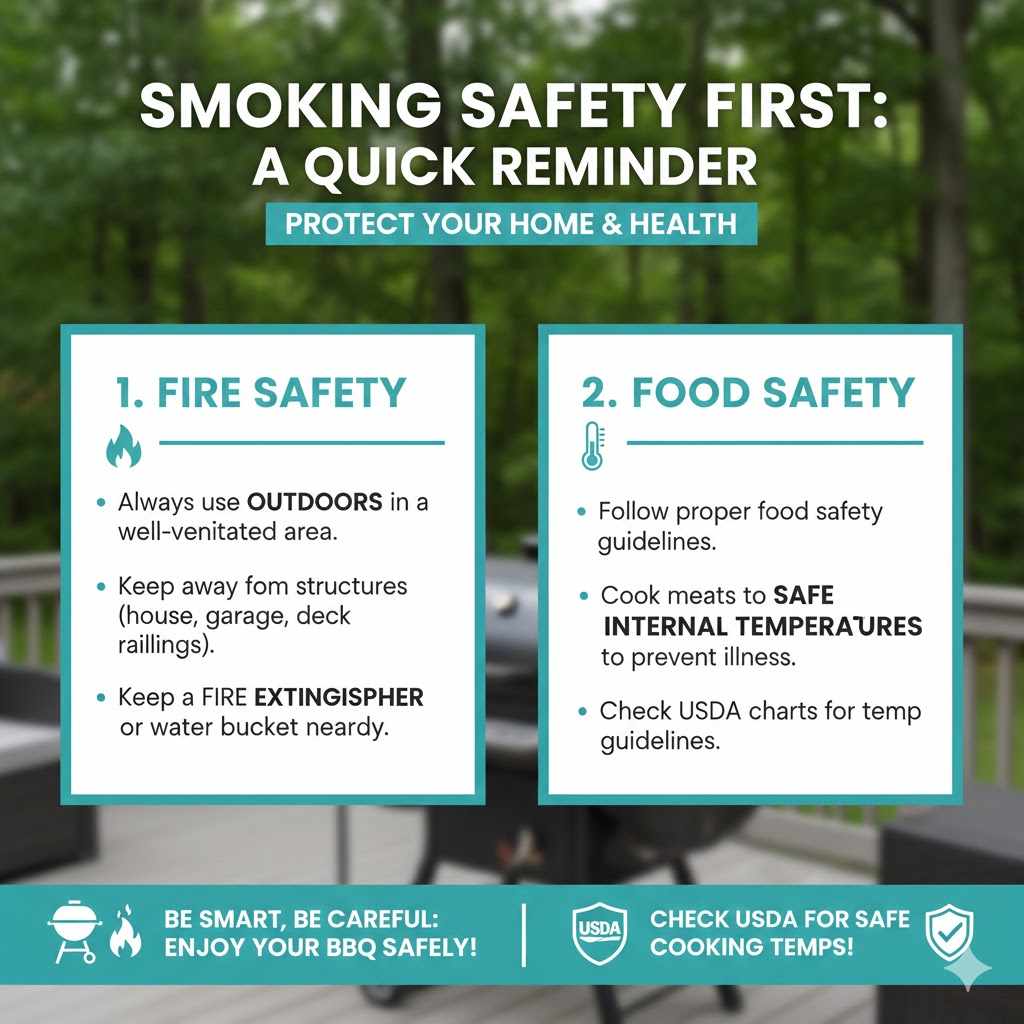
Safety First: A Quick Reminder
Smoking involves fire, so safety is key. Always use your smoker or grill outdoors in a well-ventilated area, far from any structures. Keep a fire extinguisher or a bucket of water nearby, just in case. And when handling food, always follow proper food safety guidelines. Cook meats to their safe internal temperatures to prevent foodborne illness. The USDA provides excellent charts for safe cooking temperatures.
Frequently Asked Questions
Can I use wood from my backyard for smoking?
You can, but you must be 100% certain of the tree type. Only use hardwoods like oak, maple, hickory, or fruitwoods like apple and cherry. Never use wood from conifers like pine, spruce, or cedar. Also, the wood must be properly seasoned (dried) for at least 6-12 months before use. Fresh-cut or “green” wood will produce a bitter smoke.
How much wood should I use?
Less is more! For a long cook on a charcoal smoker, start with 2-3 fist-sized chunks. For a shorter cook on a gas grill, one handful of chips in a smoker box is plenty to start. You are aiming for a gentle kiss of smoke, not an overwhelming cloud.
Do I need to soak wood chunks?
No, you do not need to soak wood chunks. Chunks are large enough that they will smolder for a long time without being soaked. Soaking them just adds steam and can make your fire temperature harder to manage. Just add them dry to the hot coals.
What is “blue smoke” and why is it important?
Blue smoke is the ideal smoke for barbecue. It’s a very thin, almost invisible smoke that has a faint blue tint in the right light. This is the smoke from a clean-burning, hot fire, and it carries the best flavors. Thick, white smoke means the fire is not hot enough and is producing bitter-tasting creosote.
Can I mix different types of wood?
Absolutely! Mixing woods is a great way to create complex and unique flavor profiles. A common combination is using a base wood like oak and adding a chunk of a fruitwood like cherry for a bit of sweetness. Experiment and find what you like best.
Why does my food taste bitter after smoking?
A bitter taste is almost always caused by one of two things: using too much wood or having “bad” white smoke instead of clean blue smoke. Try using less wood next time and focus on managing your fire to ensure it burns cleanly.
How long does the wood need to smoke for?
Food only absorbs a significant amount of smoke flavor during the first few hours of the cook, when the meat is still cold and moist. For a long cook like a pork shoulder, you only need to add wood for the first 2-4 hours. After that, you can just continue cooking with heat until it’s done.
Your Journey to Amazing Flavor Starts Now
There you have it—a complete guide on how to use wood for smoking. It might seem like a lot of information, but it all comes down to a few simple principles: choose the right wood, use the right amount, and manage your fire to get clean smoke. Don’t be afraid to try different woods and techniques. The best part of this journey is the delicious experimenting you get to do along the way.
Remember, this is a craft. Your first attempt might not be perfect, and that’s okay. Every cook is a chance to learn something new. So fire up that grill, grab some good-quality hardwood, and start your adventure in smoke. You’ve got the knowledge now. Go make something delicious!