Maloof Rocking Chair: History, Price & the Signature Joint
A Maloof rocking chair is the sculpted walnut rocker Sam Maloof began shaping by hand in the 1950s — original pieces now sell for $12,000 to $80,000 at auction, while authorized reproductions start near $3,200. The signature dado-and-rabbet joint and 5-degree back-leg splay are hard to fake, so most “Maloof-style” listings are unlicensed copies. This guide covers real pricing, the joint that makes it work, how to spot an authentic chair, and where the design has been exhibited.
This article may contain affiliate links. If you buy through them, we may earn a small commission at no extra cost to you.
The Real History Behind the Maloof Rocking Chair
Best Maloof Reference Pick
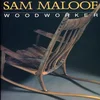
Sam Maloof, Woodworker
Sam Maloof’s own account of his career and design process, straight from the source.
- Best for: understanding the design philosophy behind the joint and the curves
- Why we picked it: it’s Maloof’s own first-hand account, not a secondhand summary
- Main drawback: covers his broader furniture career, not just the rocker
Compare more Maloof-technique resources
 Option 1 The Furniture of Sam Maloof
|
 Option 2 Narex 872532 Hand Cut Stitched 10 Inch Cabinet Maker’s Rasp Medium Cut 15-1/2 Inches Overall European Hornbeam Handle
|
 Option 3 JORGENSEN No.59F Spokeshave for Woodworking – Stainless Steel Hand Planer
|
As an Amazon Associate we earn from qualifying purchases.
Sam Maloof was born in 1916 to Lebanese immigrant parents in Southern California. He was entirely self-taught — after returning from World War II, he started building furniture in his own garage simply because he and his wife needed some, with no formal woodworking training behind him. He began developing his now-famous rocking chair design in the mid-1950s, and by his own account it took roughly two decades of steady work before the business was reliably profitable.
Maloof worked from his workshop in Alta Loma, California for the rest of his career, eventually producing an estimated 5,000 pieces of furniture over more than 50 years. In 1985 he became the first craftsman ever awarded a MacArthur Foundation “genius” grant. He continued working until his death in 2009, and the Maloof legacy is now carried on by the foundation and workshop he left behind.
What Makes the Maloof Joint So Distinctive
The detail that actually defines a Maloof rocker is the leg joint, not the silhouette. Maloof invented a dado-and-rabbet joint — a 1/4-inch tongue-and-groove connection between the legs and the seat — specifically to maximize glue surface area and mechanical strength while keeping every screw and bolt hidden. The back legs get an additional 5-degree inward splay, cut with tapered rabbeting bits Maloof developed to match the geometry.
None of that joinery is left sharp-edged. After the chair is glued up, Maloof and the artisans who trained under him blend every joint into the surrounding curve by hand with rasps, files, and a spokeshave, and shape the crest rail with a grinder to get a fair, continuous line. The seat itself is a five-piece, dowel-joined scalloped panel, and the curved rocker feet are built from glued, bent strips rather than cut from solid stock — which is why an original chair flexes and rocks smoothly instead of pivoting stiffly on a fixed radius.
If you want to build your own version of this joint, our Maloof chair construction guide walks through the process step by step, and free Maloof rocker plans give you a starting template for the seat and leg geometry.
How Much Does a Maloof Rocking Chair Cost?
Real Maloof rockers sell in three distinct price tiers depending on where they came from — an original vintage chair at auction, an authorized reproduction still built in Maloof’s own workshop, or an unlicensed “Maloof-style” copy from an unrelated maker.
| Chair Type | Typical Price | Best For |
|---|---|---|
| Original vintage (auction) | $18,900 – $80,000+ | Collectors and museum-grade investment pieces |
| Authorized workshop reproduction | $12,000 – $20,000+ | Buyers who want the real joint and workshop pedigree |
| “Maloof-style” (unlicensed) | $3,200 and up | Budget buyers who want the look, not the provenance |
📊 A 1981 walnut Maloof rocking chair sold at auction for $39,300 against a $20,000-$30,000 estimate — Source: Los Angeles Modern Auctions / Wright Auctions sale records, 2023-2024.
If you’re shopping for one, our guide to where to find a Maloof rocking chair for sale covers the specific dealers, auction houses, and galleries most likely to have authentic pieces.
Real vs. “Maloof-Style”: How to Tell an Authentic Chair
Because the design has been imitated for decades, “Maloof-style” is now used loosely for almost any sculptural spindle-back rocker. Three things separate a real one from a copy:
- The leg joint. An authentic chair has no visible screws or bolts where the legs meet the seat — just the blended dado-and-rabbet joint, hand-finished so the transition is invisible.
- The workshop. Authorized reproductions are still built today in Maloof’s original Alta Loma workshop, using his patterns and tooling, and come with documentation tying the piece to the Maloof Foundation.
- The wood. Original chairs use walnut, maple, rosewood, cherry, or zircote — see our breakdown of the exact wood grades Maloof selected for what to look for in the grain.
An unlicensed “Maloof-style” piece from an unrelated maker can still be well built, but it will not match the original joint geometry or carry any provenance — treat it as a tribute piece, not an investment.
Where Maloof Rocking Chairs Have Been Displayed
In 1981, a Maloof rocking chair became the first piece of handcrafted contemporary American furniture ever added to the White House collection. Presidents Jimmy Carter, Ronald Reagan, and Bill Clinton all owned or commissioned Maloof rockers — Carter’s was built for him while he was still in office. Maloof’s furniture is also held by the Smithsonian American Art Museum, which received a donated chair in 1997 and mounted a full retrospective of his work at the Renwick Gallery in 2001-2002, along with the Metropolitan Museum of Art, the Los Angeles County Museum of Art, and the Philadelphia Museum of Art.
“I want to be able to work a piece of wood into an object that contributes something beautiful and useful to everyday life.”
Maloof’s home and studio in Alta Loma are preserved today by the Sam and Alfreda Maloof Foundation — see our guide on visiting Maloof’s home and studio for what to expect if you want to see the workshop in person.
Caring for a Maloof Rocking Chair
- Dust with a soft, dry cloth rather than spray polish — most finishes are a hand-rubbed oil-and-wax blend that spray products can dull or streak.
- Check the leg joints periodically. A well-made joint should stay tight for decades; any new movement is worth having a furniture conservator look at rather than tightening yourself.
- Keep the chair out of direct sunlight and away from forced-air vents — walnut fades and can crack if humidity swings too fast.
- Keep any receipts, foundation documentation, or provenance paperwork with the chair; it is what separates an authenticated piece from an unverifiable one at resale.
For the specific oil-and-wax ratio Maloof’s workshop used on the finish itself, see our breakdown of Sam Maloof’s finish recipe.
Frequently Asked Questions
What is a Maloof rocking chair?
A Maloof rocking chair is the sculpted, spindle-back rocker that woodworker Sam Maloof began developing by hand in his Alta Loma, California workshop in the 1950s. It is built around a scooped five-piece wood seat and a dado-and-rabbet leg joint Maloof invented himself, then hand-shaped with rasps and spokeshaves until the joinery disappears into the curve of the wood. The Maloof workshop still builds the design today.
What wood does a Maloof rocking chair use?
Maloof built most of his rockers from black walnut, usually common #1 and #2 grade lumber chosen for its streaks and figure rather than flawless clear stock. He also worked in maple, rosewood, cherry, and zircote depending on the commission.
How much does a Maloof rocking chair cost?
An original vintage Maloof rocker sells for $18,900 to $80,000 at auction depending on age and provenance — a 1981 walnut example brought $39,300 against a $20,000-$30,000 estimate. Authorized reproductions built in Maloof’s original workshop typically run $12,000-$20,000, and unlicensed “Maloof-style” copies start around $3,200.
What is the Maloof joint?
The Maloof joint is a dado-and-rabbet leg-to-seat joint using a 1/4-inch tongue and groove, designed to maximize glue surface area and mechanical strength without any visible screws or hardware. The back legs get an additional 5-degree inward splay cut with tapered rabbeting bits, then the whole joint is hand-blended into the chair’s curve with rasps, files, and a spokeshave.
How can you tell if a Maloof rocking chair is authentic?
Check the leg joinery first — an authentic chair has no visible screws or bolts at the leg-to-seat connection, just the blended dado-and-rabbet joint. Authorized reproductions are still built in the original Alta Loma workshop and carry documentation tying them to the Maloof Foundation; a “Maloof-style” chair from an unrelated maker has neither the original joint geometry nor the paperwork, even if the silhouette looks similar.
Has a Maloof rocking chair ever been in the White House?
Yes. In 1981 a Maloof rocking chair became the first piece of handcrafted contemporary American furniture added to the White House collection. Presidents Jimmy Carter, Ronald Reagan, and Bill Clinton all owned or commissioned Maloof rockers, and Maloof’s work is also held by the Smithsonian American Art Museum, the Metropolitan Museum of Art, LACMA, and the Philadelphia Museum of Art.
Conclusion
The Maloof rocking chair earned its reputation the hard way — through a joint Sam Maloof invented himself and decades of hand work blending it into the curve of the wood, not just a recognizable silhouette. Whether you’re shopping for an original, an authorized reproduction, or just trying to understand what makes the design work, the joint and the provenance are what actually matter.
Sponsored / affiliate links. As an Amazon Associate I earn from qualifying purchases. I may earn additional commission from eligible campaigns.