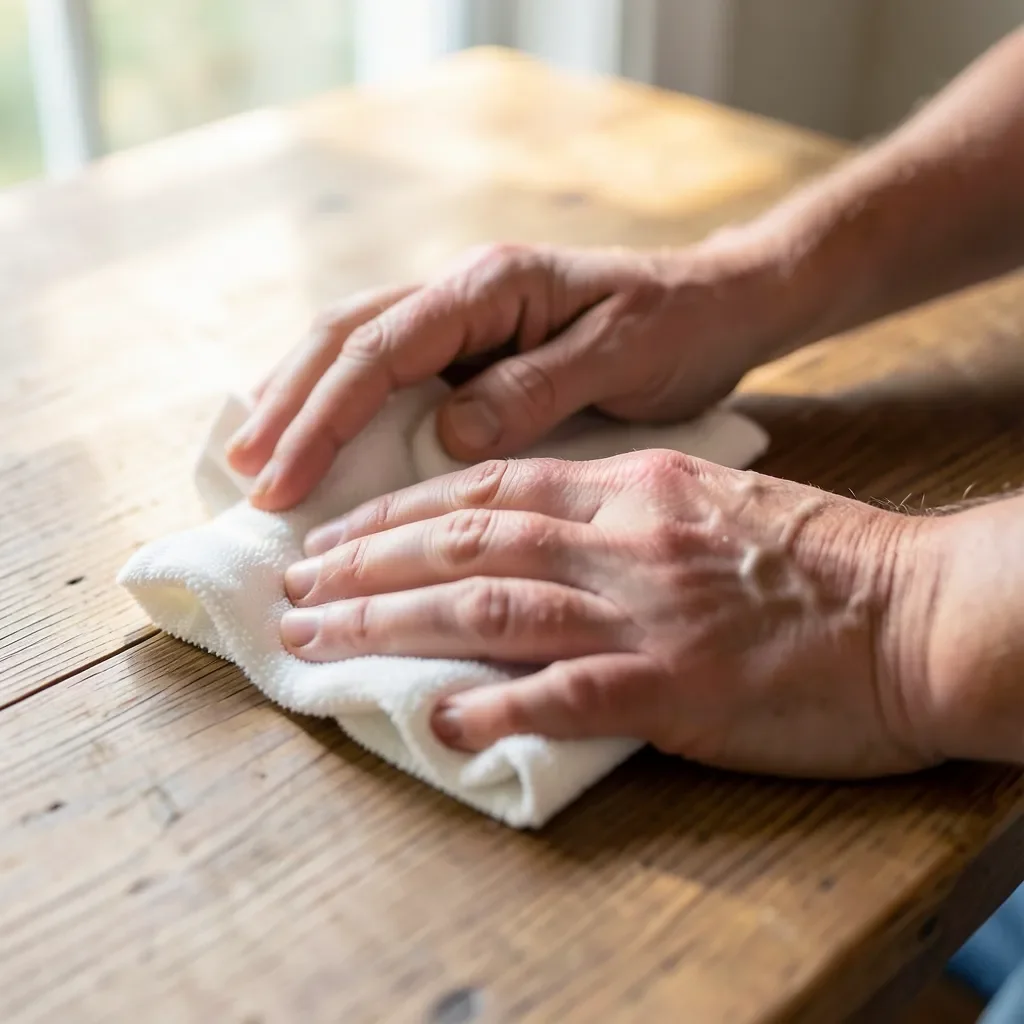
How to Wash Wood Safely Without Damaging It
The safest way to wash wood is with a barely-damp cloth and a pH-neutral cleaner, never a soaking-wet rag or standing water. Wood swells when it absorbs water and shrinks back unevenly as it dries, which over repeated soakings causes cracking, warping, and finish failure – the actual damage mechanism behind most “don’t get wood wet” warnings.
Match the Cleaner to the Finish
Best pH-Neutral Cleaner for Finished Wood
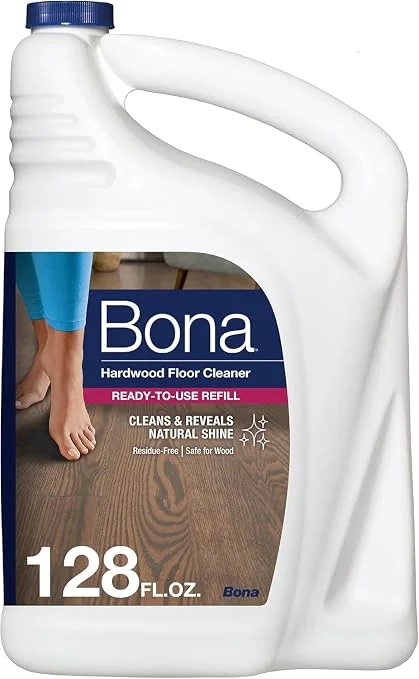 |
Bona Hardwood Floor Cleaner Refill – $19.97 A pH-neutral formula is exactly what this guide recommends over vinegar or ammonia-based cleaners, which can dull a polyurethane finish over repeated use.
|
A polyurethane or lacquer-finished piece (most modern furniture and flooring) can handle a mild, pH-neutral cleaner since the finish itself is the water barrier, not the bare wood. An oil-finished piece (Danish oil, tung oil) has no plastic film protecting it, so water and most cleaners sit directly on wood fibers – use a dry or barely-damp cloth only, and re-oil periodically instead of relying on cleaning products.
Never Let Water Sit
Wipe any wood surface dry immediately after cleaning – the damage isn’t from brief contact with a damp cloth, it’s from moisture sitting long enough to penetrate through finish seams, around hardware, or into end grain (the cut ends of boards, which absorb water far faster than the flat grain faces).
What to Avoid
Skip ammonia-based glass cleaners and vinegar solutions on finished wood – both can dull or cloud a polyurethane finish with repeated use, even though a single wipe won’t show visible damage right away. Skip oil-based furniture “polish” sprays too; many just leave a wax buildup that dulls the finish and attracts dust over time rather than actually cleaning anything.
Testing an Unfamiliar Cleaner First
Before using any new cleaning product on a visible piece of furniture or flooring, test it on an inconspicuous spot first – the underside of a table leaf, or a closet-hidden corner of a floor – and wait 24 hours to check for clouding, softening, or color change in the finish. This is especially important for antique or unusually finished pieces, where the original finish formulation may react differently to a modern cleaner than a contemporary polyurethane-finished piece would.
Handling Spills Differently From Routine Cleaning
A spill should be blotted up immediately with a dry or barely damp cloth, working from the outside of the spill inward to avoid spreading it – never wipe in wide circles, which just relocates the liquid across a larger area of finish. Wine, coffee, and other pigmented liquids left to sit even briefly can leave a stain in the finish itself, distinct from water damage to the wood underneath, so speed matters more than technique for anything beyond plain water.
Wood Furniture With a Wax Finish Needs Different Care
A wax-finished antique or reproduction piece should never be cleaned with a wet cloth or commercial spray cleaner at all – wax finishes are maintained with dry dusting and an occasional fresh coat of paste wax buffed in by hand, since water and most cleaners can cloud or strip a wax finish that a polyurethane topcoat would simply shed. Identifying which finish type a piece has (a drop of water that beads and wipes off cleanly usually indicates a film finish like polyurethane; wax tends to show water spots) is worth doing before cleaning any unfamiliar piece.
Microfiber vs. Cotton Cloths
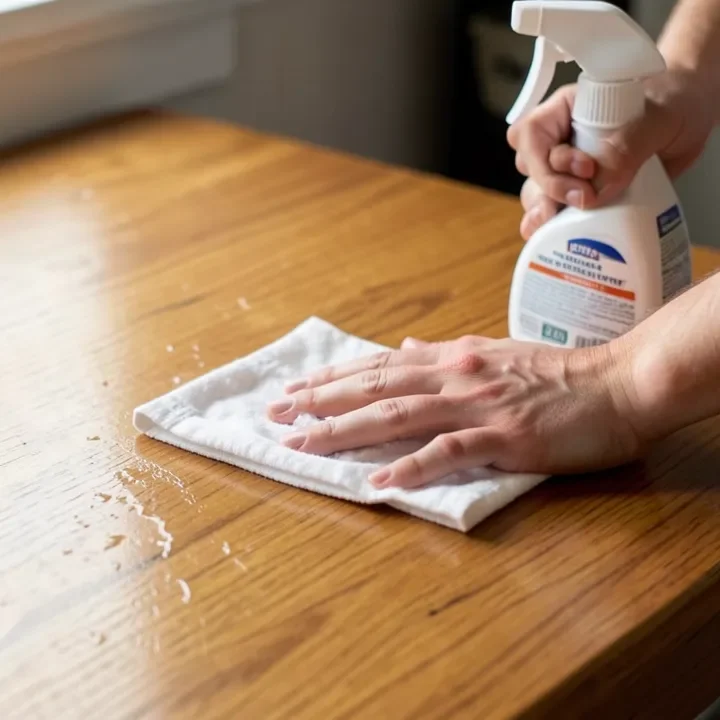
A microfiber cloth traps dust and grime more effectively than a cotton rag and is less likely to leave lint or fibers behind on a fresh cleaning pass, making it the better everyday choice for both dusting and damp cleaning of finished wood. Reserve cotton cloths for oil application, where their higher absorbency is actually useful for wiping off excess oil finish rather than a drawback.
Cleaning Carved or Detailed Surfaces
Intricate carvings and moldings trap dust in ways a flat surface doesn’t, and a stiff cloth can’t reach into tight recesses without either missing dust or scrubbing hard enough to risk the finish. A soft-bristled brush (a clean paintbrush works well) loosens trapped dust first, followed by a vacuum with a brush attachment on low suction to lift it away, before any damp cleaning of the surrounding flat surfaces.
Why “Natural” Cleaners Aren’t Automatically Safer
Homemade cleaning mixes using lemon juice, olive oil, or vinegar are often assumed to be gentler than commercial products simply because they’re “natural,” but several of these ingredients are actually harder on a finish than a purpose-formulated, pH-neutral commercial cleaner – lemon juice’s acidity and oil-based mixtures both carry real risk of dulling or building up residue on polyurethane over repeated use, the same concern that applies to vinegar.
Cleaning Wood Near Electronics or Built-In Appliances
Wood surfaces surrounding a built-in appliance or near outlets need extra care to avoid moisture reaching electrical components – wringing a cloth thoroughly dry before use and avoiding spray cleaners applied directly (spray onto the cloth instead, off the piece) keeps liquid away from gaps and seams near hardware or wiring.
Frequently Asked Questions
Can you use soap and water to clean wood furniture?
A small amount of mild dish soap diluted in water works on finished wood if wrung out well and wiped dry immediately – avoid soaking the cloth or letting suds sit.
Is vinegar safe for cleaning wood floors?
Not ideal for repeated use – vinegar’s acidity can gradually dull a polyurethane finish. A pH-neutral hardwood cleaner is the safer routine choice.
Why does water damage unfinished wood faster than finished wood?
Finish (polyurethane, lacquer) creates a plastic-like barrier between water and the wood fibers. Unfinished or oil-finished wood has no such barrier, so moisture reaches the fibers directly and causes swelling faster.
Sponsored / affiliate links. As an Amazon Associate I earn from qualifying purchases. I may earn additional commission from eligible campaigns.