How to Care for Acacia Wood Outdoor Furniture (So It Lasts)
Acacia is a genuinely beautiful outdoor wood, but it dries out and grays faster than teak without regular oiling — the maintenance routine that keeps it looking good is more frequent than teak’s, not identical to it. Acacia’s tight, attractive grain and real weather resistance make it a popular outdoor furniture choice, but it doesn’t have teak’s naturally high oil content, so it needs help retaining moisture that true teak provides on its own.
This guide focuses on outdoor furniture specifically and how its care differs from teak. If you also own acacia cutting boards, indoor furniture, or want the full maintenance schedule across every use, see our complete acacia wood maintenance guide.
Why Acacia Needs More Attention Than Teak
Best Oil Sealer For Acacia (Not Just Teak)
 |
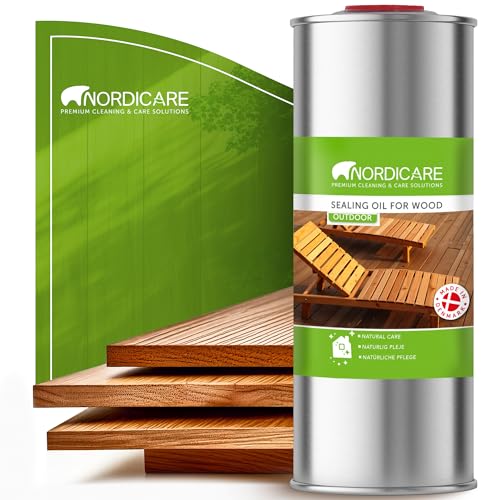
Nordicare Teak Oil for Outdoor Furniture, 84.5 oz – $41.99 Formulated for acacia as well as teak, mahogany, oak, and pine — which matters since generic “teak oil” isn’t always rated for other wood species.
|
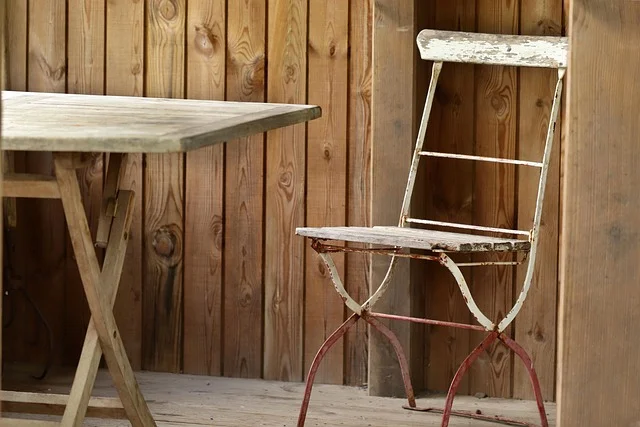
Teak’s natural oils are what let it go essentially unmaintained outdoors for years and still hold up — acacia doesn’t have that same oil content, so left untreated, it dries out, develops surface checking (small cracks), and turns a silvery gray from UV exposure faster than teak would in the same conditions. None of this means acacia is a bad outdoor wood choice; it just means the maintenance routine matters more than it would with teak, and skipping it has real, visible consequences within a single season rather than gradually over years.
The Real Care Routine
- Clean regularly with mild soap and water, not harsh detergents or pressure washing at close range, which can strip the finish and drive water into the grain.
- Dry thoroughly before storing or covering — trapping moisture under a cover promotes mildew and accelerates the graying/checking process rather than preventing it.
- Oil 2-3 times per year (more in harsh sun/coastal climates, less in mild or shaded conditions) with a product rated specifically for acacia, not just generic “teak oil” that may not be formulated the same way.
- Address spills promptly — wine, oil, and acidic foods can stain unsealed or under-maintained acacia if left to sit, the same way they would on any porous wood surface.
Dealing With Graying Acacia
Graying is UV damage to the wood’s surface fibers — a real, common, and reversible cosmetic issue, not a sign the furniture is ruined. Some owners actually prefer the weathered silver-gray look and choose to let it happen intentionally, which is a legitimate aesthetic choice with no real downside beyond appearance. To restore the original color instead, sand the grayed surface lightly to remove the damaged top layer, clean thoroughly, then apply a wood brightener or restorer product followed by fresh oil or sealer — this won’t work on wood with deep structural damage (major checking, soft/rotted spots), which needs repair or replacement rather than a cosmetic restoration attempt.

Signs Of Real Damage (Vs. Normal Cosmetic Wear)
- Surface graying and minor color fading: normal, cosmetic, reversible with restoration or oiling.
- Fine surface checking (hairline cracks): common and largely cosmetic if shallow; worth addressing with oil before it deepens.
- Soft, spongy, or crumbling wood: a real structural problem — rot has set in, and that section needs repair or the piece needs replacing, not just cleaning and oiling.
- Persistent mildew or dark staining that doesn’t clean off: often means moisture has been trapped (a cover left on wet wood, poor drainage under the piece) — address the moisture source, not just the visible stain.
Storage Tips
A breathable furniture cover (not plastic, which traps condensation) protects against the worst weather while still letting the wood dry out between wet periods. For genuinely harsh winters, moving acacia furniture into a garage, shed, or covered space extends its life meaningfully more than leaving it exposed year-round, even with a good cover — covers reduce weather exposure, they don’t eliminate it.
Things To Avoid
- Pressure washing at close range or high PSI: can strip the finish and force water deep into the grain, accelerating rather than preventing damage — a soft brush and mild soap does the real work.
- Bleach or harsh chemical cleaners: can discolor and dry out the wood beyond what UV alone would cause, and aren’t necessary for routine cleaning.
- Leaving furniture wet under a plastic cover: traps moisture against the wood instead of protecting it, promoting mildew and accelerating the exact damage a cover is meant to prevent.
- Skipping oiling because the wood “still looks fine”: UV and moisture damage accumulate before they become visibly obvious — sticking to a seasonal schedule matters more than waiting for visible signs of dryness.
Frequently Asked Questions
How do you keep acacia wood furniture from turning gray?
Regular oiling (2-3 times a year with an acacia-rated oil) is the main defense against UV-driven graying. Once graying has already happened, light sanding plus a wood brightener and fresh oil can restore the original color.
How often should you oil acacia outdoor furniture?
Typically 2-3 times per year, more often in intense sun or coastal salt-air conditions, less in mild or shaded climates. Acacia needs more frequent oiling than teak, which has higher natural oil content.
Is gray acacia wood furniture ruined?
No — graying is cosmetic UV surface damage, not structural failure, and it’s reversible with sanding and a wood brightener/oil treatment. It only becomes a real problem if soft, spongy wood (actual rot) develops underneath.
Conclusion
Acacia furniture rewards consistent, seasonal care — regular cleaning, prompt spill response, and oiling 2-3 times a year — specifically because it lacks teak’s natural oil reserves. Skip that routine and it grays and dries out faster than teak would; keep up with it and acacia is a genuinely durable, attractive outdoor wood choice.
Sponsored / affiliate links. As an Amazon Associate I earn from qualifying purchases. I may earn additional commission from eligible campaigns.