Polyurethane Spray For Outdoor Wood: Top Picks Reviewed
That’s why finding the right protection for your outdoor wood is so important. It’s not just about looks; it’s about making your wood last longer. You want a finish that’s easy to use and truly does the job. Let’s break down what makes a great outdoor polyurethane spray.
The best polyurethane sprays for outdoor wood offer strong UV protection, water resistance, and durability. They should dry clear or with a slight tint, resist yellowing, and be easy to apply. Look for water-based or hybrid formulas for better flexibility and less cracking in changing temperatures. Proper preparation and application are key to long-lasting results.
What is Outdoor Polyurethane Spray?
Real Outdoor-Rated Pick
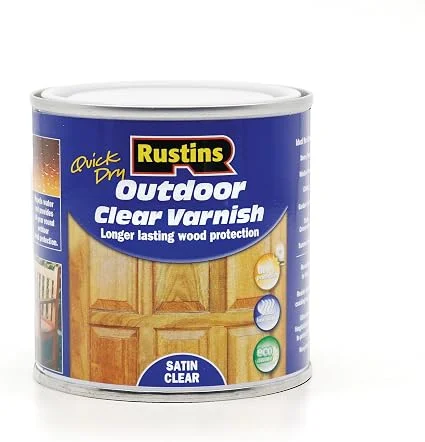 |
Rustins Quick Dry Outdoor Clear Satin Varnish, 250ml – $17.50 A genuinely outdoor-rated finish – brush-on rather than aerosol, which gives more control on furniture and trim than a spray can.
|
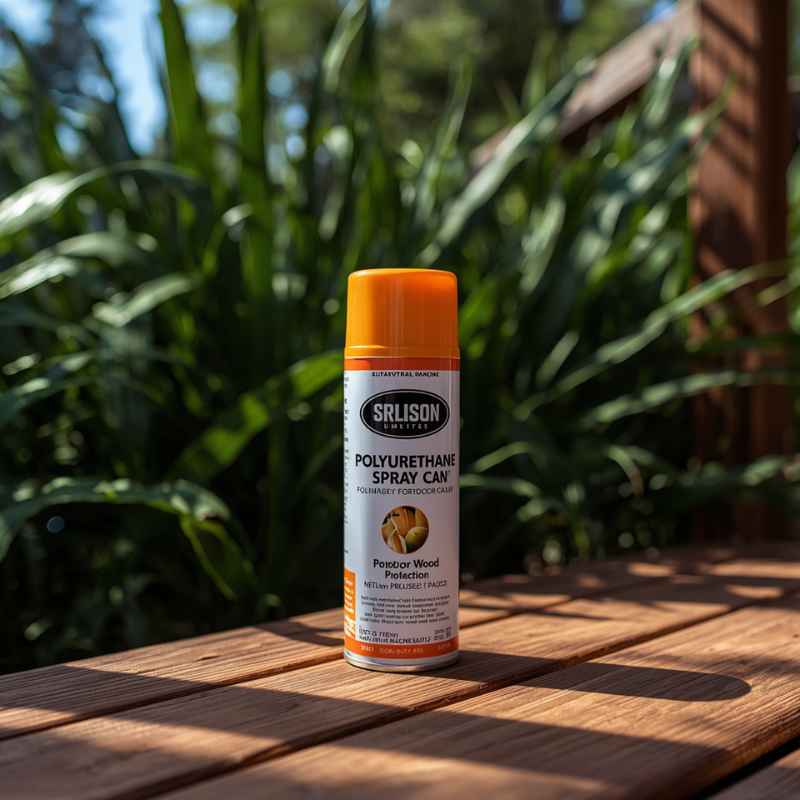
Polyurethane spray for outdoor wood is a protective coating. It forms a hard, clear layer over the wood surface. This layer shields the wood from bad weather. Think of it like a raincoat for your furniture or deck.
Wood naturally expands and shrinks with weather changes. Without protection, this causes cracks and splits. Polyurethane helps keep the wood stable. It stops water from soaking in, which also prevents rot and mold. It also blocks harmful UV rays from the sun.
Outdoor formulas are different from indoor ones. They need to be tougher. They must stand up to rain, snow, heat, and cold. They also need to resist fading and chalking. Most outdoor polyurethanes contain special additives for this extra protection.
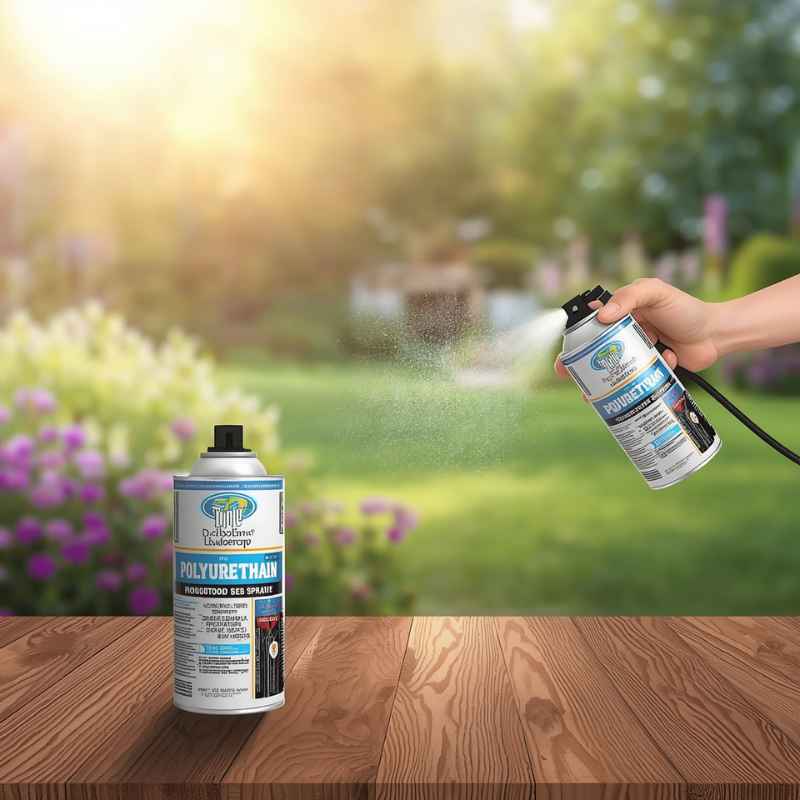
Why a Regular Indoor Sealant Fails Outdoors
A common, costly mistake is sealing an outdoor project with whatever clear finish is already on the shelf. An indoor-rated sealant has no meaningful UV inhibitors and little flexibility, so on an exposed deck rail, planter, or piece of furniture it typically peels within a season and shows visible sun damage by the following spring – the wood underneath ends up worse off than if it had been left bare, since trapped moisture under a failed film promotes rot.
That failure mode is exactly why “spar” or “outdoor” labeled formulas exist: they carry the added UV blockers and flexibility that plain interior polyurethane simply doesn’t need indoors.
Why Outdoor Wood Needs Special Care
Wood is a natural material. It reacts to its environment. Outdoor wood faces challenges that indoor wood doesn’t. These include:
- Sunlight: UV rays break down wood fibers. This causes graying and fading.
- Moisture: Rain, dew, and humidity soak into wood. This can lead to rot, mold, and swelling.
- Temperature Swings: Wood expands when warm and shrinks when cool. This constant movement causes cracks.
- Pests: Insects like termites and ants can damage unprotected wood.
A good outdoor polyurethane spray acts as a barrier. It stops these problems before they start.
Key Features of Good Outdoor Polyurethane Sprays
When you’re looking for a polyurethane spray for your outdoor projects, there are a few things to keep in mind. These features make a big difference in how well the product works and how long it lasts.
UV Protection is Crucial
The sun is one of the biggest enemies of outdoor wood. Its ultraviolet (UV) rays break down the lignin in wood. Lignin is what gives wood its strength and color. Without UV protection, wood will turn gray and brittle.
Look for sprays that specifically mention “UV protection” or “UV blockers.” These products have additives that absorb or reflect harmful UV rays. This keeps your wood looking its natural color and prevents it from drying out and cracking.
Water Resistance and Repellency
Water is another major threat to outdoor wood. When wood gets wet and then dries, it swells and shrinks. This constant change weakens the wood structure. It can lead to warping, splitting, and rot.
A good polyurethane spray will create a water-repellent barrier. Water should bead up on the surface and roll off. This prevents moisture from penetrating the wood. It also helps stop the growth of mold and mildew, which thrive in damp conditions.
Flexibility and Durability
Outdoor wood is constantly exposed to temperature changes. It expands in the heat and shrinks in the cold. A rigid coating will crack and peel when the wood moves. You need a finish that can move with the wood.
Look for water-based or hybrid polyurethanes. These tend to be more flexible than old-school oil-based ones. Flexibility means the coating can stretch slightly without breaking. This leads to much better long-term durability and fewer touch-ups.
Ease of Application
One of the main reasons people choose spray cans is for ease of use. A good spray should offer an even mist. It shouldn’t drip or spatter easily. This helps you get a smooth, consistent finish without a lot of fuss.
The spray should also dry reasonably fast. This allows you to apply multiple coats without waiting too long. Most products will have recommended drying times between coats. It’s also good if cleanup is simple. Water-based sprays often just need soap and water.
Understanding Polyurethane Types
There are a few main types of polyurethane you might see:
Oil-Based Polyurethane
Tough and durable. Dries with a yellowish tint. Can be harder to clean up. Less flexible, can crack with wood movement.
Water-Based Polyurethane
Dries clear. More flexible. Easier to clean up with water. May require more coats for similar protection to oil-based.
For outdoor use, water-based or hybrid formulas are generally preferred due to their flexibility and UV resistance.
Top Polyurethane Sprays for Outdoor Wood
Choosing the right product can be tough with so many options. I’ve looked at some of the highly-rated sprays that people use for their outdoor wood projects. These are known for doing a good job.
Product Example 1: Minwax Helmsman Spar Urethane Spray
This is a popular choice for a reason. Minwax is a well-known brand in wood finishing. Helmsman Spar Urethane is designed for tough conditions. It offers good UV protection to prevent fading. It also provides excellent water resistance.
Many users say it holds up well on decks, outdoor furniture, and even doors. The spray application makes it easy to cover large areas. It dries to a slightly amber tint, which can give wood a warmer look. It’s important to note that it’s oil-based, so cleanup needs mineral spirits. It offers great durability but might be less flexible than some water-based options.
Quick Scan: Minwax Helmsman Spar Urethane Spray
| Feature | Rating / Note |
|---|---|
| UV Protection | Excellent (Specific UV blockers) |
| Water Resistance | Very Good |
| Durability | High (Oil-based) |
| Flexibility | Moderate |
| Application Ease | Good Spray Mist |
| Cleanup | Mineral Spirits |
Product Example 2: Rust-Oleum Triple Thick Polyurethane Spray
Rust-Oleum is another brand many people trust for protective coatings. Their Triple Thick Polyurethane spray is designed to provide a thick, protective layer. It’s often recommended for its ability to build up quickly.
This is a water-based formula, which means it dries clear and is quite flexible. This flexibility is great for outdoor wood that moves with temperature changes. It’s also easier to clean up with soap and water. While it’s great for protecting against moisture and scuffs, some users might find it doesn’t offer as robust UV protection as dedicated spar urethanes. However, for projects needing a clear, durable, and flexible finish, it’s a solid choice.
Contrast: Rust-Oleum Triple Thick vs. Standard Poly
Rust-Oleum Triple Thick
Applies thicker per coat. Builds protective layer faster. Water-based, more flexible, dries clear. Good for general outdoor protection.
Standard Polyurethane Spray
Thinner coats. May require more coats. Can be oil or water-based. Clarity and flexibility vary by type. Always check for outdoor ratings.
Product Example 3: Krylon Crystal Clear Acrylic Spray
While technically an acrylic, many people use Krylon Crystal Clear for light-duty outdoor wood protection. It dries perfectly clear and offers a nice gloss finish. It’s known for being easy to spray and quick to dry.
It’s a good option for items that aren’t in constant direct sun or rain, like decorative wooden signs or birdhouses. However, it’s important to manage expectations. It doesn’t offer the same level of UV resistance or water protection as specialized spar urethanes. For high-traffic decks or furniture that gets heavy weather exposure, this might not be the best long-term solution. It’s best for lighter applications where a clear, protective gloss is the main goal.
Application Insight: Spraying Technique
Getting a good finish with spray cans takes a little practice. Here’s how to get it right:
- Prep is Key: Clean and sand your wood. Make sure it’s dry and dust-free.
- Shake Well: Shake the can for at least one minute. Do this before and during use.
- Test Spray: Spray a test area first. Check the mist and flow.
- Consistent Motion: Hold the can about 8-12 inches away. Move your arm in smooth, even strokes.
- Overlap Strokes: Overlap each stroke by about half. This prevents missed spots.
- Light Coats: Apply thin, even coats. Multiple thin coats are better than one thick one.
- Dry Between Coats: Let each coat dry according to the can’s instructions.
- Avoid Rushing: Don’t spray in windy or dusty conditions.
Product Example 4: Varathane Spar Urethane Water-Based Spray
Varathane offers a water-based spar urethane in a spray can. This is a great option for those who want the benefits of spar urethane but prefer water-based products. It combines good UV protection with flexibility.
This product is known for drying clear and being easy to clean up. It’s a good choice for wooden decks, outdoor furniture, and trim. Because it’s water-based, it resists yellowing over time. This helps maintain the natural look of the wood. It’s a more modern approach to outdoor wood protection that balances performance with user-friendliness.
Myth vs. Reality: Outdoor Finishes
Myth: Any outdoor sealant will work.
Reality: Different finishes offer different levels of protection. Outdoor wood needs specialized coatings for UV and moisture resistance.
Myth: Once sealed, wood is protected forever.
Reality: Outdoor finishes need maintenance. Reapplication is usually needed every 1-3 years, depending on the product and climate.
Preparing Your Wood for Spray Polyurethane
No matter how good the spray you choose is, it won’t work its best without proper preparation. Think of it like cooking. You need to prep your ingredients before you start. Wood prep is similar.
Cleaning the Surface
First, the wood must be clean. Remove any dirt, dust, or mildew. You can use a stiff brush and soapy water. For tougher grime or mold, a specialized wood cleaner might be needed. Rinse the wood thoroughly with clean water afterward.
Make sure the wood is completely dry before you apply any finish. This can take 24-48 hours or even longer if it’s humid. Moisture trapped under the finish will cause problems later.
Sanding for Smoothness
Sanding helps the polyurethane adhere better. It also creates a smoother surface for the spray. Start with a medium-grit sandpaper, like 100 or 120 grit. Sand in the direction of the wood grain.
After sanding, wipe away all the dust. A tack cloth works very well for this. You want a surface that’s smooth to the touch and free of any dust particles. If you’re refinishing old wood, you might need to remove old paint or sealant first. This often involves stripping or sanding.
When to Stain First
Sometimes you want to change the color of your wood. Many outdoor polyurethanes can be applied over a compatible stain. Always check the product labels to make sure they work together.
If you stain your wood, let the stain dry completely according to its instructions. Then, sand lightly and wipe away dust before applying the polyurethane spray. This ensures a good bond.
Applying the Polyurethane Spray
Applying polyurethane spray requires a bit of care to get the best results. It’s not difficult, but following a few steps makes a big difference.
Choosing the Right Conditions
The weather plays a big role. Don’t spray when it’s too hot or too cold. Most products recommend temperatures between 50°F and 80°F (10°C and 27°C). Avoid spraying in direct, hot sunlight. The finish can dry too fast and leave marks.
Also, avoid windy days. Wind can blow dust and debris onto the wet finish. It can also cause an uneven spray pattern. Try to spray on a calm, partly cloudy day if possible.
Coating Techniques
Shake the can well for about a minute. Then, hold the can about 8 to 12 inches away from the surface. Move the can in a steady, sweeping motion across the wood. Overlap each pass by about half to ensure even coverage.
Apply multiple thin coats. It’s much better to do three thin coats than one thick one. Thick coats can drip and run, and they don’t dry as hard or evenly. Let each coat dry completely before applying the next. Check the can for specific drying times.
Drying and Curing Times
“Dry to touch” means you can lightly touch the surface without getting the finish on your finger. This usually happens within an hour or two for spray polyurethanes. However, “dry” is not the same as “cured.”
Curing is when the finish hardens completely. This can take several days or even a couple of weeks. During the curing period, be gentle with the finished item. Avoid heavy use or placing heavy objects on it. This allows the polyurethane to reach its maximum hardness and durability.
Best Practices for Spray Application
Here’s a quick reminder for the best spray results:
- Ventilation is Key: Always spray in a well-ventilated area. Wear a mask to avoid inhaling fumes.
- Test Spray: Always test the spray on scrap material first.
- Steady Pass: Keep the can moving at a consistent speed.
- Thin Coats: Apply thin, even layers.
- Overlapping: Overlap each spray stroke to avoid lines.
- Patience: Let coats dry fully between applications.
Real-World Context: Where to Use Outdoor Polyurethane Spray
Polyurethane spray isn’t just for one type of outdoor project. It’s versatile and can protect many wooden items around your home.
Outdoor Furniture
Wooden chairs, tables, benches, and even porch swings can benefit greatly. These items often experience direct sun and rain. They are also subject to regular use, which can wear down finishes.
Using a durable spar urethane spray will help keep your furniture looking good for longer. It protects against water damage, fading, and general wear and tear. This means fewer costly replacements.
Decks and Railings
While often treated with deck stains or sealers, polyurethane can be a good option for deck railings, steps, or even smaller deck areas. It provides a tough, clear protective layer that stands up to foot traffic and weather.
Remember that for large deck surfaces, specialized deck coatings might offer better grip and wear. However, for vertical surfaces like railings, a good spar urethane spray is excellent. It seals out moisture and UV rays, preventing wood rot and graying.
Wooden Shutters and Doors
Exterior wooden shutters and doors are constantly exposed to the elements. They can warp, crack, and fade if not properly protected.
A good polyurethane spray can seal these surfaces, preventing moisture absorption and UV damage. It helps maintain their color and structural integrity. A clear finish can highlight the natural beauty of the wood grain.
Decorative Items and Accents
Wooden garden ornaments, decorative signs, mailboxes, or even carved wooden figures can be enhanced and protected with spray polyurethane.
For these items, the focus is often on preserving detail and color. A crystal clear acrylic spray might be sufficient if the exposure isn’t extreme. However, a spar urethane will offer longer-lasting protection against weathering.
Environmental Factors to Consider
The climate where you live matters a lot. Consider:
- High Heat & Sun: Look for products with excellent UV blockers. These are essential in sunny climates like Arizona or California.
- Heavy Rain & Humidity: Prioritize superior water repellency. Places like Florida or the Pacific Northwest need this.
- Freeze/Thaw Cycles: In colder regions like the Northeast or Midwest, flexibility is key. The finish must withstand expansion and contraction without cracking.
Choosing a product suited to your local climate will greatly extend its lifespan.
What This Means for You
Understanding outdoor polyurethane sprays means you can make informed choices. You can protect your investment in wooden items and make them last much longer.
When is it Normal for the Finish to Wear?
It’s normal for any outdoor finish to show signs of wear over time. Even the best products aren’t permanent. Factors like extreme weather, heavy use, and direct sun exposure will eventually break down the coating.
Signs of wear include slight fading, a dulling of the finish, or minor scuffs. This doesn’t necessarily mean the protection is gone. It often signals that it’s time to think about recoating.
When Should You Worry?
You should worry if you see major issues like:
- Significant Peeling or Chipping: This means the bond between the finish and the wood has failed. Water can now get in.
- Cracking and Splitting: This indicates the finish is too rigid for the wood’s movement or has broken down from UV rays.
- Mold or Mildew Growth: If mold is growing on the surface, the finish isn’t repelling water effectively.
- Deep Fading or Graying: This suggests the UV protection has failed and the wood is being damaged.
These issues mean the underlying wood is likely being exposed to damage. It’s important to address them promptly.
Simple Checks You Can Do
Regularly inspect your outdoor wood items. Do a quick check at least once a year, ideally in the spring. Look for:
- Water Beading: Sprinkle a little water on the surface. Does it bead up? If it soaks in quickly, the finish is failing.
- Surface Smoothness: Run your hand over the wood. Are there rough spots, blisters, or peeling areas?
- Color Consistency: Is the color fading unevenly? Are there gray patches?
These simple checks can help you catch problems early.
Quick Fixes and Tips for Longevity
Keeping your outdoor wood looking its best involves more than just the initial application. A little ongoing care goes a long way.
Recoating Schedule
Plan to recoat your outdoor wood items every 1 to 3 years. The exact timing depends on the product used, the amount of exposure it gets, and your climate. A simple clean and a fresh coat of spray polyurethane can restore protection.
For minor wear, you might just need one coat. For more significant wear, you might need to lightly sand first. Always ensure the surface is clean and dry before recoating.
Maintenance Cleaning
Regular cleaning helps maintain the finish. Gently wash your outdoor wood items with mild soap and water. Use a soft brush or cloth. This removes dirt, pollen, and other debris that can break down the coating over time.
Rinse thoroughly and let the wood air dry completely. Avoid using harsh chemicals or pressure washers, as these can damage the wood and the finish.
Protecting During Harsh Weather
If possible, protect your outdoor wood items during extreme weather. This could mean bringing furniture indoors during harsh winters or covering them with breathable tarps during heavy rain seasons.
Even simple measures like storing cushions indoors can reduce moisture exposure on wooden furniture. This extra protection can significantly extend the life of the finish and the wood itself.
Wood Types and Finish Performance
Different woods react differently. Here’s a quick look:
- Cedar & Redwood: Naturally resistant to rot and insects. Hold finishes well.
- Pine & Fir: Softer woods. Absorb finishes more readily but can be more prone to damage without good protection.
- Hardwoods (Oak, Teak): Dense and durable. May require more prep for finishes to adhere well, but hold up better once sealed.
Ensure your chosen spray is suitable for the type of wood you are finishing.
Frequently Asked Questions
Can I use regular polyurethane spray on outdoor wood?
No, it’s not recommended. Regular polyurethane is typically designed for indoor use and lacks the necessary UV protection and flexibility for outdoor conditions. It will likely peel, crack, or chalk quickly when exposed to the elements.
How many coats of spray polyurethane do I need for outdoor use?
For outdoor use, aim for at least three thin coats. Some products might suggest more, especially if they are designed for very harsh conditions or if you want maximum protection. Always follow the manufacturer’s specific recommendations on the can.
Will polyurethane spray turn my wood yellow?
Oil-based polyurethanes can develop a yellowish tint over time, especially when exposed to UV light. Water-based polyurethanes are designed to dry clear and resist yellowing. If you want to maintain the exact natural color of your wood, a water-based formula is usually the better choice.
How long does outdoor polyurethane spray last?
The lifespan of outdoor polyurethane spray can vary greatly. In ideal conditions with a high-quality product, it might last 1-3 years. However, in harsh climates with intense sun, heavy rain, or extreme temperature changes, you might need to recoat sooner, perhaps every year.
Can I spray polyurethane over painted outdoor wood?
Yes, you can spray polyurethane over some outdoor paints, especially exterior acrylic latex paints. Ensure the paint is clean, dry, and in good condition. Lightly scuff-sanding the paint can improve adhesion. Always test on an inconspicuous area first to ensure compatibility and prevent lifting or peeling.
What is the difference between spar urethane and regular polyurethane?
Spar urethane is specifically formulated for outdoor use. It contains extra UV inhibitors to prevent sun damage and often includes oil to give it more flexibility. This flexibility helps it expand and contract with wood through temperature changes without cracking. Regular polyurethane lacks these specialized outdoor additives and is best suited for indoor projects.
Conclusion
Protecting your outdoor wood is essential for its longevity and appearance. Choosing the right polyurethane spray means looking for features like UV protection, water resistance, and flexibility. Proper preparation and application are just as important as the product itself.
By understanding your needs and the options available, you can confidently select a spray that keeps your wooden furniture, decks, and accents looking beautiful for years to come. Regular maintenance will ensure that protection lasts.
Sponsored / affiliate links. As an Amazon Associate I earn from qualifying purchases. I may earn additional commission from eligible campaigns.