Is Birch Softwood or Hardwood Simple Answer
Many folks wonder if birch trees give us softwood or hardwood. It can seem like a puzzle at first, especially when you’re learning about different kinds of wood. But don’t worry!
We’re going to break down Is Birch Softwood or Hardwood? Simple Answer in a way that’s super easy to get. We’ll look at what makes a wood hard or soft and then tell you exactly where birch fits in.
Get ready for a clear explanation that makes sense.
What Makes Wood Hardwood or Softwood
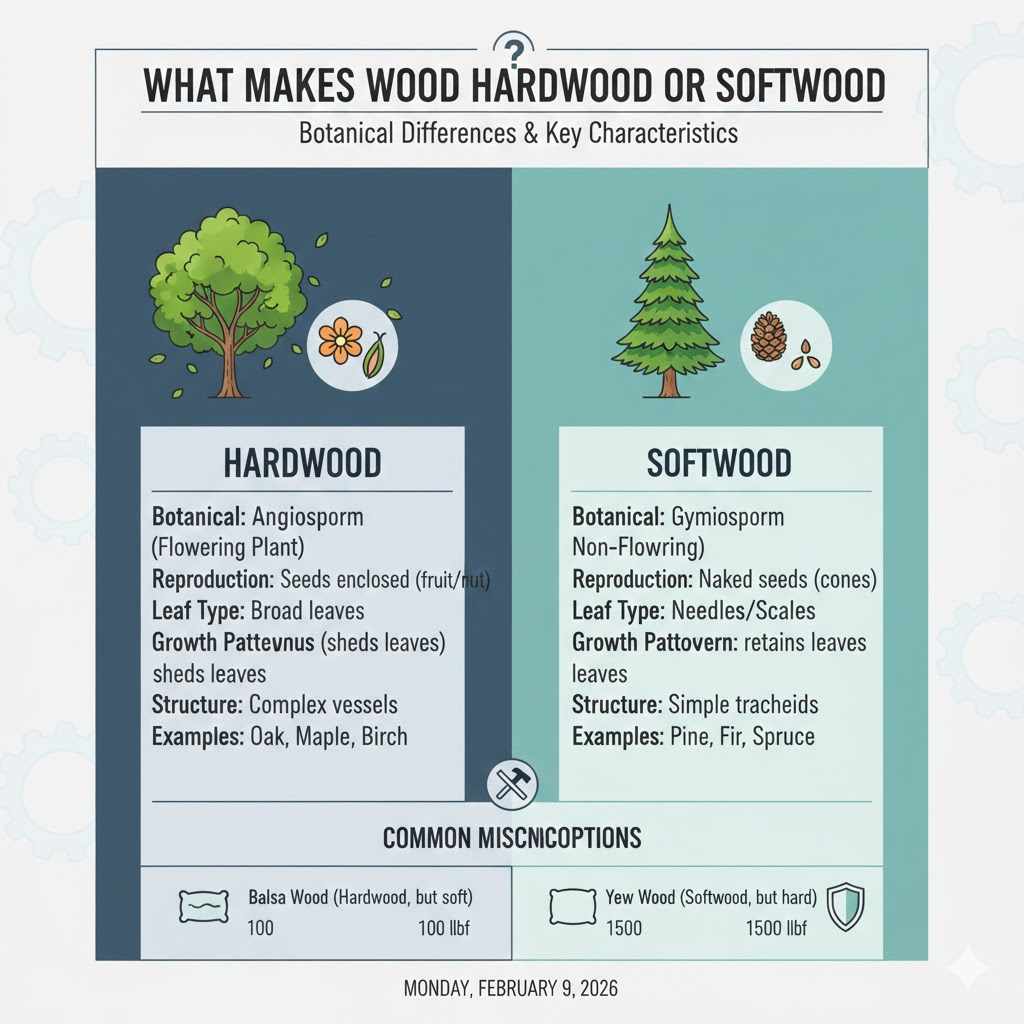
The difference between hardwood and softwood isn’t about how tough the wood feels to the touch. It actually comes down to how the trees grow. Hardwoods come from trees that have broad leaves and reproduce by seeds that are enclosed in a fruit or a shell.
These trees are typically deciduous, meaning they lose their leaves each year. Think of oaks, maples, and yes, birch trees.
Softwoods, on the other hand, come from trees that have needles or cones and reproduce through cones. These trees are usually evergreen, staying green all year round. Pines, firs, and spruces are common examples of softwoods.
This fundamental biological difference in how the trees reproduce and grow is the main way scientists and woodworkers classify them.
- Hardwood trees typically have broad leaves and are deciduous, losing their leaves annually. This means they often have a more complex growth structure.
- Softwood trees usually have needles or scale-like leaves and bear cones. They are generally evergreen, keeping their foliage throughout the year. This leads to a simpler growth pattern.
- The classification is botanical, not based on the wood’s physical hardness or density. Some hardwoods can be softer than some softwoods, and vice versa.
Understanding this basic distinction helps when you start learning about wood types. It’s the first step to knowing why certain woods are used for different purposes. For instance, the denser structure of hardwoods often makes them more durable for flooring and furniture, while the lighter weight and easier workability of softwoods make them popular for framing and construction.
Botanical Classification Explained
The botanical classification system places trees into categories based on their reproductive strategies and leaf structure. Hardwoods belong to a group of plants called angiosperms. Angiosperms are flowering plants whose seeds are protected within a fruit.
This group includes a vast array of trees, from towering oaks to flowering cherry trees. Their wood often has a more complex cellular structure, featuring vessels that help transport water throughout the tree.
Softwoods, conversely, are gymnosperms. Gymnosperms are non-flowering plants whose seeds are exposed, typically in cones. Pine cones are a familiar example.
The wood of gymnosperms generally has a simpler structure, lacking the large vessels found in hardwoods. Instead, they primarily rely on tracheids for water transport. This structural difference impacts the physical properties of the wood, influencing its strength, density, and how it behaves when worked.
Leaf Type and Growth Patterns
The shape and type of leaves a tree has are strong indicators of whether it’s a hardwood or softwood. Hardwoods typically sport broad, flat leaves, which are effective for capturing sunlight for photosynthesis, especially in temperate climates where they can be shed to conserve energy during winter. The broad leaves allow for maximum light absorption during the growing season.
Softwood trees, in contrast, usually have needle-like or scale-like leaves. These shapes are adaptations to drier or colder environments, reducing water loss and allowing the tree to withstand harsh weather conditions and snow. Because they are evergreen, they can photosynthesize whenever conditions are favorable, even during mild winter days.
This adaptation influences the wood’s growth rings and overall density.
Reproductive Strategies
The way a tree reproduces is a key factor in its classification. Hardwood trees are angiosperms, meaning they produce flowers and their seeds develop inside a protective ovary, which often develops into a fruit. This process ensures that the seed is nurtured and protected, increasing its chances of germination.
Examples include acorns from oak trees or cherries from cherry trees.
Softwood trees are gymnosperms. They reproduce using cones. Male cones produce pollen, and female cones contain ovules that are fertilized by the pollen.
The resulting seeds are typically found on the scales of the female cone, exposed rather than enclosed. This reproductive strategy is common in coniferous trees, allowing them to thrive in environments where flowering plants might struggle.
Is Birch Wood Hardwood or Softwood
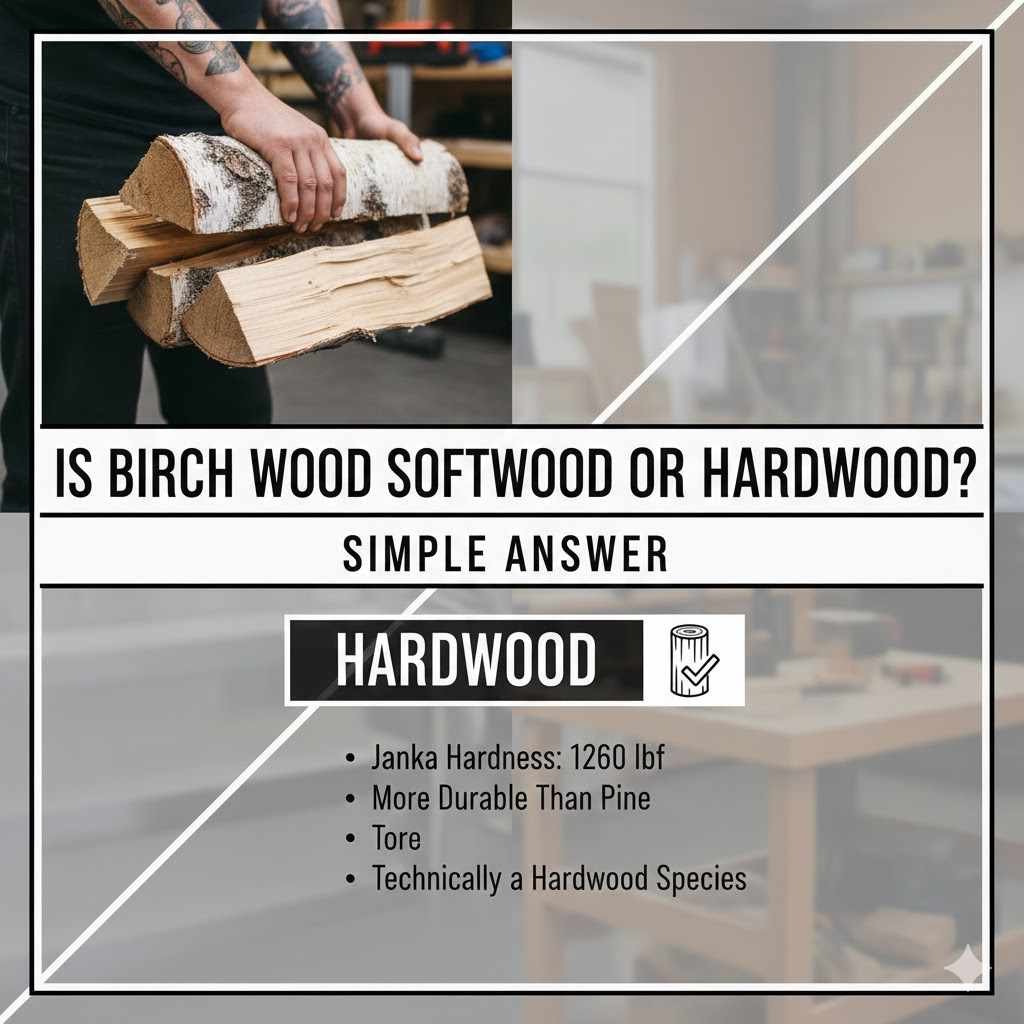
Now that we know the basics, let’s talk about birch. When we look at birch trees, we see they have broad leaves that they shed each fall. They also reproduce using seeds.
Based on our earlier discussion, this means birch trees are hardwoods. Birch is a well-loved wood for many reasons, and its hardwood classification tells us a lot about its properties.
This classification is important because it helps people understand what to expect from birch wood. It’s not soft and punky like pine might be. Instead, it’s known for its strength and versatility.
From furniture to cabinetry and even musical instruments, birch is a popular choice because it performs well in many applications. Its smooth texture and consistent grain also make it attractive.
- Birch is botanically classified as a hardwood because it comes from deciduous trees with broad leaves that shed annually.
- This means birch wood shares characteristics with other hardwoods like oak and maple, such as good strength and density.
- The classification helps predict birch’s suitability for various uses, like furniture making, where durability is key.
The fact that birch is a hardwood is a key piece of information for anyone choosing wood for a project. It tells you it’s going to be relatively strong and durable. This makes it a fantastic option for items that need to withstand regular use and wear.
Birch Tree Characteristics
Birch trees are known for their distinctive bark, which is often white, gray, or yellow and peels in paper-like layers. They are found in cooler climates across the Northern Hemisphere. These trees typically grow at a moderate pace and can reach impressive heights.
Their beauty is not just in their wood but also in their ornamental appeal in landscaping.
The wood itself is generally pale in color, ranging from creamy white to light brown with a reddish tinge in the heartwood. It has a fine, even texture with straight grain, though some varieties can exhibit wavy or curly patterns which are highly prized for their decorative qualities. This fine grain makes birch smooth to the touch and easy to finish, which is why it’s a favorite for furniture makers.
Common Uses of Birch Wood
Due to its strength, durability, and attractive appearance, birch wood is used in a wide variety of applications. It’s a popular choice for manufacturing furniture, especially chairs, tables, and cabinets, where its smooth surface takes stains and finishes beautifully. Birch plywood is also common, valued for its stability and strength, often used in the construction of cabinets and drawers.
In addition to furniture, birch finds its way into flooring, doors, and interior trim due to its resistance to wear. Musical instrument makers also favor birch for its acoustic properties, using it for drum shells and parts of guitars. Its consistent grain also makes it an excellent material for turning on a lathe, leading to its use in decorative items and handles.
Birch vs. Other Hardwoods
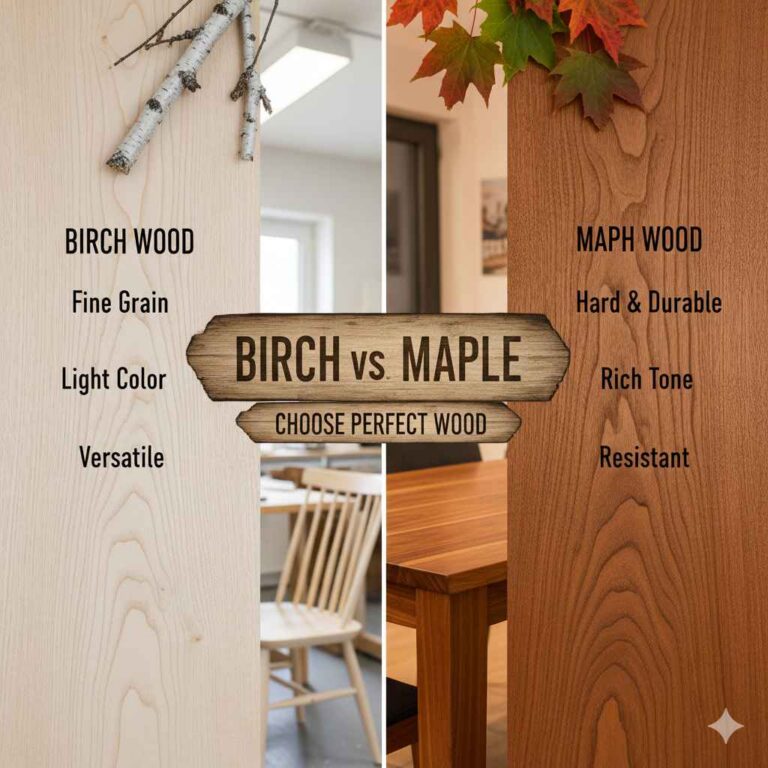
Comparing birch to other common hardwoods like oak and maple highlights its unique properties. Oak, for example, is known for its prominent grain pattern and exceptional hardness, making it a benchmark for durability. Maple is also very hard and dense, often used for butcher blocks and sports flooring due to its resistance to denting.
Birch falls somewhere in the middle in terms of hardness and density compared to these giants. It’s generally harder and denser than many softwoods but might not reach the extreme hardness of some oak varieties or hard maple. However, its consistent grain and lighter color offer a different aesthetic appeal.
Birch is often more affordable than some of its harder counterparts, making it an excellent value for projects requiring good quality hardwood at a reasonable price.
Properties of Birch Wood
Birch wood possesses a range of properties that make it suitable for many uses. Its color is usually light, ranging from white to light brown, sometimes with a reddish heartwood. This light color makes it easy to stain and finish in various colors, allowing for great design flexibility.
The grain is typically straight and fine, giving a smooth appearance and feel.
In terms of strength, birch is considered a good hardwood. It’s strong enough for furniture frames and durable enough for flooring. It also works well with tools, whether you are cutting, sanding, or shaping it.
However, like many woods, it can be prone to denting if subjected to heavy impacts, though it is more resistant than most softwoods. Its overall balance of properties makes it a very practical choice.
- Color: Typically creamy white to light brown, with a possible reddish heartwood. This light color is excellent for taking stains and paints.
- Grain: Fine and even, usually straight. This results in a smooth finish and a uniform appearance, though curly or wavy grain patterns can occur and are prized.
- Strength and Density: Birch is a medium-density hardwood. It offers good strength and stability, suitable for structural elements in furniture and for flooring.
- Workability: It machines well, sands smoothly, and takes glues and finishes effectively. This makes it relatively easy for woodworkers to handle.
- Durability: Good resistance to wear and tear, but can be susceptible to dents and scratches under heavy impact compared to some of the hardest woods.
The properties of birch make it a versatile wood. You can use it for visible parts of furniture where aesthetics matter, and also for structural components where strength is needed. This adaptability is a big reason why birch remains a popular wood choice across different industries.
Strength and Hardness
Birch wood is known for its good strength and moderate hardness. On the Janka hardness scale, which measures resistance to denting and wear, birch typically ranges from around 1200 to 1400 lbf (pounds-force). For comparison, common white oak ranges from 1300 to 1400 lbf, and hard maple can reach 1400-1500 lbf.
This means birch is quite resilient and can hold up well to everyday use.
This level of hardness makes birch suitable for flooring, where it can withstand foot traffic, and for furniture that sees a lot of use. While not as hard as some of the exceptionally dense hardwoods, it provides a great balance of durability and workability. Its strength also means it’s unlikely to warp or bend easily under normal conditions, providing stability for various projects.
Staining and Finishing Qualities
One of birch’s most appreciated qualities is its ability to accept stains and finishes beautifully. Because its grain is fine and relatively uniform, stains can penetrate evenly, creating rich and consistent color. This makes it an excellent choice when you want to achieve a specific look, such as mimicking more expensive dark woods like walnut or cherry, or when you want a vibrant, solid color finish.
The smooth surface of birch also allows for a very sleek finish. Whether you opt for a clear coat to showcase its natural pale tones or a deep stain, the wood polishes up well. This ease of finishing saves time and effort in projects, leading to professional-looking results even for DIY enthusiasts.
Its adaptability in finishing is a major reason for its popularity in furniture and cabinetry.
Birch Plywood and Veneer
Birch is widely used in the production of plywood and veneers due to its consistent properties and attractive appearance. Birch plywood is made by gluing together thin layers, or veneers, of birch wood. This construction creates a panel that is exceptionally strong, stable, and resistant to warping or cracking.
It’s a staple in the furniture industry for cabinet boxes, drawer bottoms, and furniture backs.
Birch veneer is often used to cover less attractive core materials, giving furniture and cabinets the look and feel of solid birch at a lower cost. The fine, straight grain of birch veneer can create a very elegant look, especially when used for large surfaces like tabletops or cabinet doors. The availability of birch in both solid form and as plywood or veneer offers tremendous flexibility for designers and builders.
Real-World Applications and Examples
Seeing birch wood in action really helps solidify its place as a hardwood. Think about the stylish kitchen cabinets you’ve seen in magazines or the sturdy dining table in a restaurant. Many of these items are made from birch.
Its balance of beauty and durability makes it a go-to material for many designers and manufacturers.
Let’s look at some common places you’ll find birch. It’s frequently used for making doors, especially interior doors, because it’s strong enough to withstand regular use and takes paint or stain well. Flooring is another big area.
Birch floors can be beautiful and stand up to foot traffic, though they might require a bit more care than harder woods against heavy dents. Its adaptability is truly impressive.
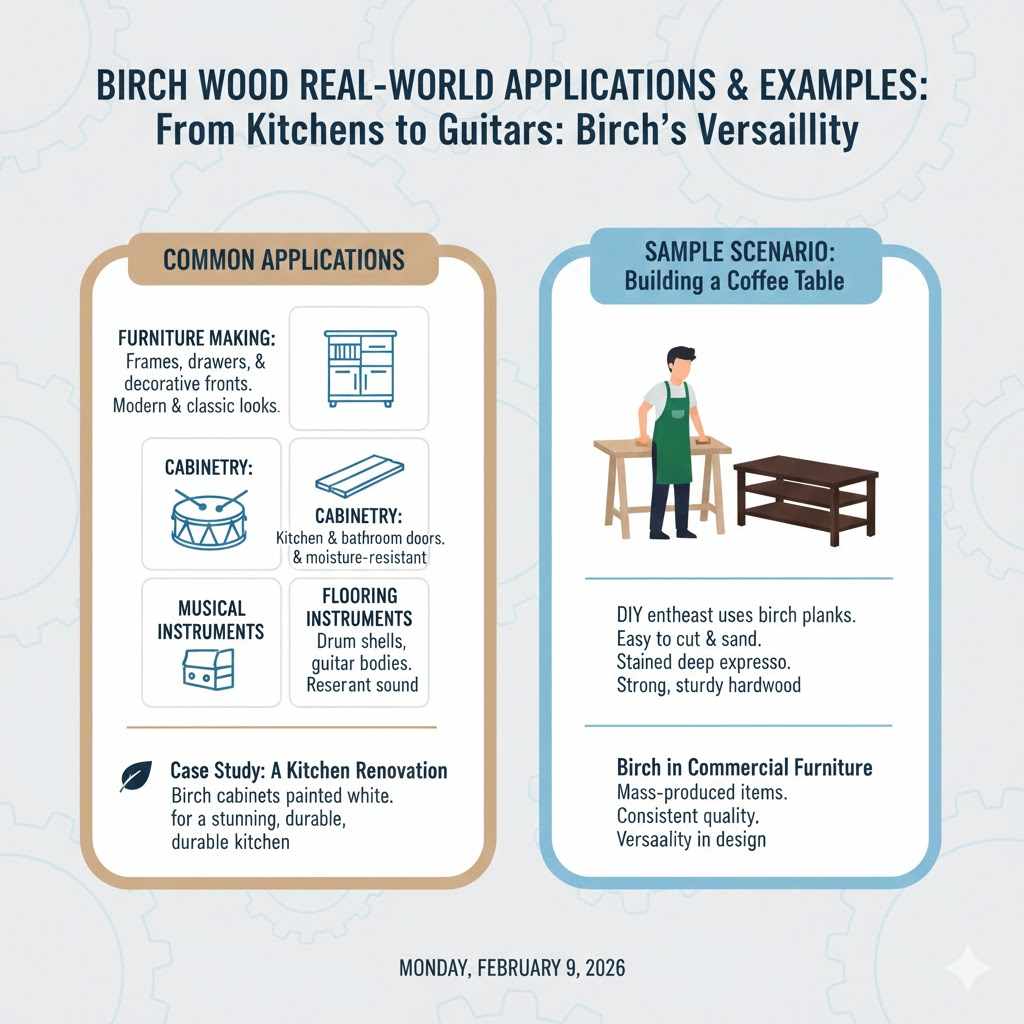
- Furniture Making: Many popular furniture lines use birch for frames, drawers, and decorative fronts. Its smooth finish and ability to take stain make it ideal for creating pieces that look both modern and classic.
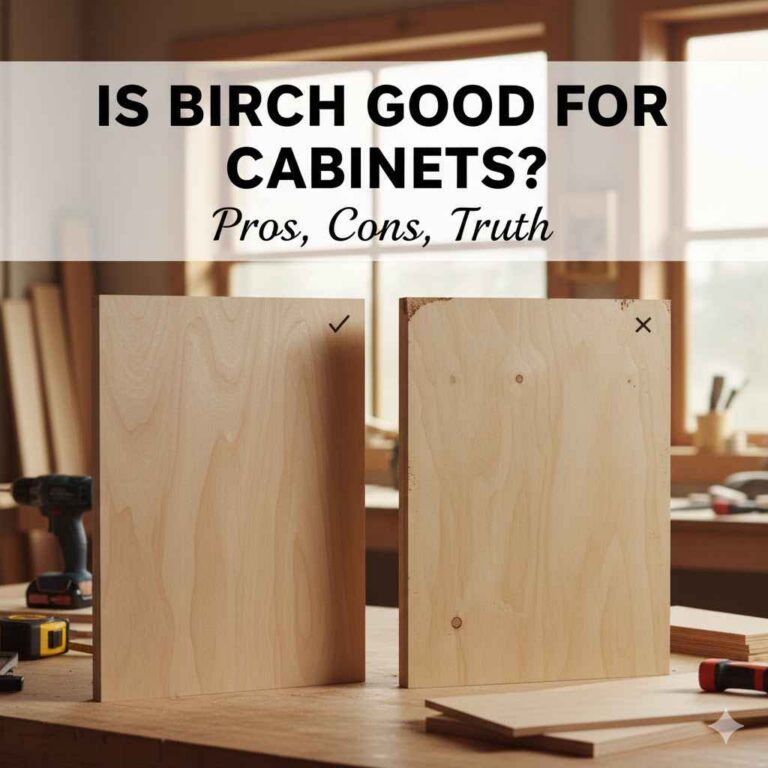
- Cabinetry: Kitchen and bathroom cabinets often feature birch doors and drawer fronts. Its stability and resistance to moisture fluctuations make it a good choice for these humid environments.
- Flooring: Birch hardwood flooring is a popular option, offering a beautiful and durable surface. Its hardness is sufficient for most residential settings.
- Musical Instruments: The resonant qualities of birch make it a preferred wood for drum shells, providing a bright and punchy sound. It’s also used in some guitar bodies.
These examples show just how versatile birch wood is. Its hardwood classification means it’s built to last and look good doing it. Whether you’re buying furniture or building something yourself, understanding birch as a hardwood helps you appreciate its qualities.
Case Study: A Kitchen Renovation
Consider a family renovating their kitchen. They wanted a warm, inviting look without spending a fortune on exotic woods. They chose birch cabinets for their durability and natural beauty.
The cabinet maker explained that birch’s fine grain would allow for a smooth, painted finish in a soft white color, and its hardwood strength would ensure the cabinets lasted for years.
The result was a stunning kitchen. The birch cabinets held up perfectly to the daily wear and tear of family life. They resisted scratches better than anticipated, and the painted finish remained pristine.
This case shows how birch, as a hardwood, offers a practical and aesthetically pleasing solution for high-traffic areas like kitchens, proving its value through real-world performance.
Sample Scenario: Building a Coffee Table
Imagine a DIY enthusiast wants to build a coffee table. They select birch because they want a table that is strong enough to hold heavy items and has a smooth surface that’s easy to clean and finish. They purchase birch planks, planning to join them for the tabletop and use thicker pieces for the legs.
During the building process, they find the birch easy to cut and sand. They decide to stain it a deep espresso color and then apply a protective polyurethane coat. The finished coffee table is not only beautiful with its smooth, dark surface but also very sturdy, proving that birch is a reliable hardwood choice for furniture projects that require both form and function.
Birch in Commercial Furniture Production
Many furniture manufacturers rely on birch for mass-produced items. Its consistent quality, availability, and predictable behavior during machining make it efficient to work with. For example, a company producing office chairs might use birch plywood for the seat and back shells.
This ensures a strong, comfortable base for the chair.
The wood’s ability to be stained or painted in a variety of colors also allows manufacturers to offer a wide range of styles from a single material. This versatility in design and production efficiency, stemming from its hardwood nature, makes birch a commercially sound choice for companies aiming to produce durable and attractive furniture for a broad market.
Frequently Asked Questions
Question: Is birch wood considered a hardwood or softwood?
Answer: Birch wood is considered a hardwood. This is because it comes from deciduous trees with broad leaves, which is the botanical definition of hardwood.
Question: Does birch wood dent easily compared to other hardwoods?
Answer: Birch wood is moderately hard. It is less prone to denting than very soft woods but might dent more easily than extremely hard woods like hickory or hard maple under heavy impact.
Question: Is birch wood good for making furniture?
Answer: Yes, birch wood is an excellent choice for furniture. Its strength, fine grain, and ability to take stains and finishes make it very popular for cabinets, tables, chairs, and more.
Question: Can birch wood be used for flooring?
Answer: Yes, birch wood can be used for flooring. Its hardness is sufficient for most residential use, and its smooth appearance is attractive. However, it might require more care than harder woods to avoid dents.
Question: Is birch wood more expensive than pine?
Answer: Generally, birch wood is more expensive than pine. This is because birch is a hardwood and typically has a denser structure and higher demand for applications like furniture, while pine is a softwood often used for less demanding structural purposes.
Conclusion
So, is birch softwood or hardwood? Birch is definitively a hardwood. This classification comes from its botanical characteristics: broad leaves, deciduous nature, and seed-bearing reproduction.
Birch wood offers a great balance of strength, durability, and workability, making it ideal for furniture, cabinetry, and flooring. Its smooth, fine grain and light color also make it a pleasure to finish, allowing for a wide range of aesthetic possibilities. You can trust birch for projects that need a reliable and attractive hardwood.