Is Birch Wood Good for Burning What You Need
Many folks wonder, Is Birch Wood Good for Burning? What You Should Know is a common question, especially for those new to heating with wood. It can seem a bit tricky to know which woods burn best.
Some burn fast, some dirty, and some just don’t give much heat. But don’t worry! We’ll walk through this step-by-step, making it super simple to understand.
Get ready to learn all about burning birch and making your cozy fires just right.
Birch Wood Basics For Your Fire
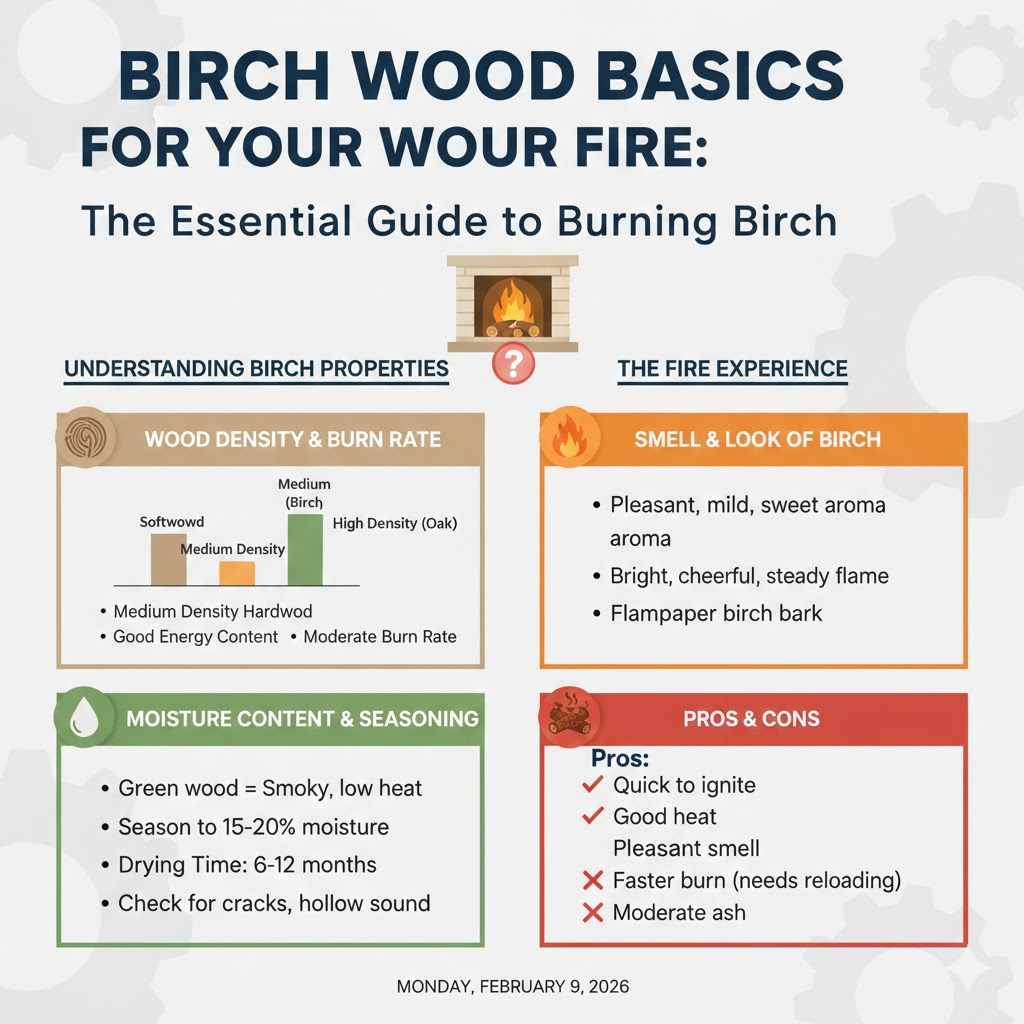
Birch wood is a popular choice for firewood, and it’s good to know its characteristics. It’s a hardwood, meaning it comes from deciduous trees that lose their leaves annually. Unlike very dense hardwoods like oak, birch is considered a medium-density hardwood.
This means it burns hotter and faster than oak but provides more sustained heat than softwoods like pine. Its clean burning properties and pleasant aroma make it appealing. However, birch also has a higher moisture content when freshly cut, which is a key factor in its burning performance.
Understanding Birch Wood Density
Wood density plays a big role in how well it burns. Denser woods have more energy packed into them. Think of it like packing more bricks into a truck; you can carry more weight.
Birch is moderately dense. This means it offers a good balance of heat output and burn time. It’s not as dense as oak, which can burn for many hours.
But it’s much denser and hotter burning than softwoods like poplar or pine. This makes it a good all-around choice for many fireplaces and wood stoves.
- Medium Density Hardwood Birch falls into the medium-density category. This classification helps predict its burning behavior. It burns hotter than softwoods but not as long as the densest hardwoods. This balanced characteristic makes it versatile for various heating needs.
- Energy Content The moderate density of birch translates to a good energy content per cord. A cord of seasoned birch will provide a substantial amount of heat. This is why it’s a favored fuel source for many households looking for efficient burning.
- Burn Rate Because of its density, birch burns at a moderate rate. It ignies easily and produces a good flame. It doesn’t burn too quickly like some softwoods, nor does it smolder for extremely long periods like very dense hardwoods without proper management.
Moisture Content and Seasoning Birch
The moisture content of any firewood is critical for efficient and clean burning. Freshly cut wood, also called green wood, has a very high moisture content. When you try to burn green wood, a lot of the heat energy is used up just boiling off the water.
This results in a smoky fire with very little heat output and can even damage your chimney by creating creosote. Birch is no exception. It needs to be properly seasoned.
Seasoning is the process of drying wood. This is usually done by stacking it in a way that allows air to circulate around it. This process can take anywhere from six months to two years, depending on the wood type, climate, and stacking method.
For birch, aiming for a moisture content of 15-20% is ideal. This is typically achieved after about 6-12 months of proper seasoning. You can check the moisture content with a wood moisture meter.
Well-seasoned birch will have a distinct crackling sound when you tap it, and the ends of the logs will show drying cracks. The bark might also peel away more easily.
- Importance of Seasoning Burning unseasoned birch is a common mistake. It leads to smoky fires, poor heat, and creosote buildup. Properly seasoned wood burns much cleaner and hotter. This is vital for both your comfort and the safety of your chimney.
- Drying Time for Birch Birch typically requires around 6 to 12 months to season adequately. This can vary based on local humidity and how the wood is stacked. Proper airflow is key to speed up the drying process.
- Checking for Seasoning You can tell if birch is seasoned by looking for cracks on the ends of the logs and listening for a hollow sound when tapped. A moisture meter is the most accurate way to confirm it’s ready, with ideal levels below 20%.
The Smell and Look of Burning Birch
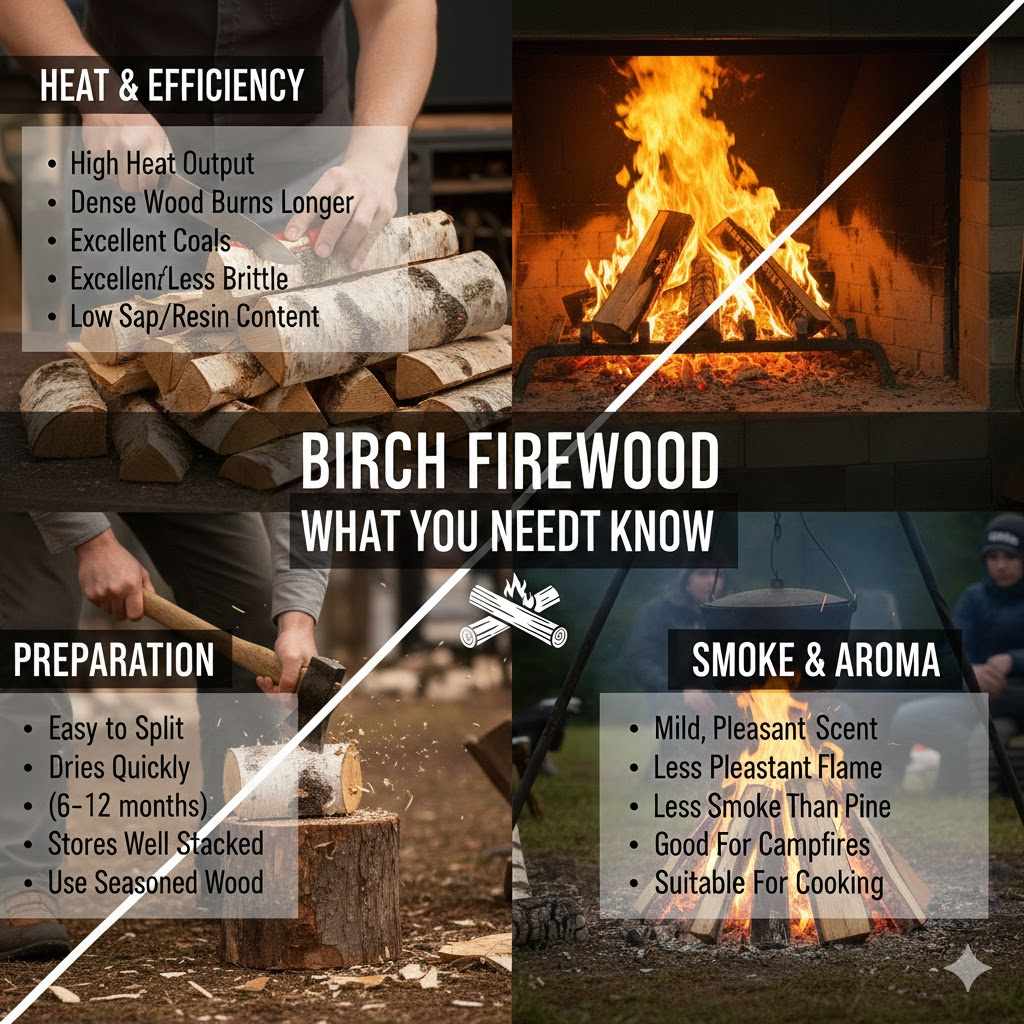
One of the appealing aspects of burning birch is its aroma. When birch burns, it releases a pleasant, mild scent. This is often described as clean and slightly sweet.
It’s not as strong or distinct as some other woods, like hickory or mesquite, but it adds a nice touch to the ambiance of a fire. This makes it a popular choice for indoor fireplaces.
Visually, birch burns with a bright, cheerful flame. The flames tend to be steady and yellow, creating a lovely fire display. It doesn’t typically spark or pop excessively, which contributes to its reputation as a clean-burning wood.
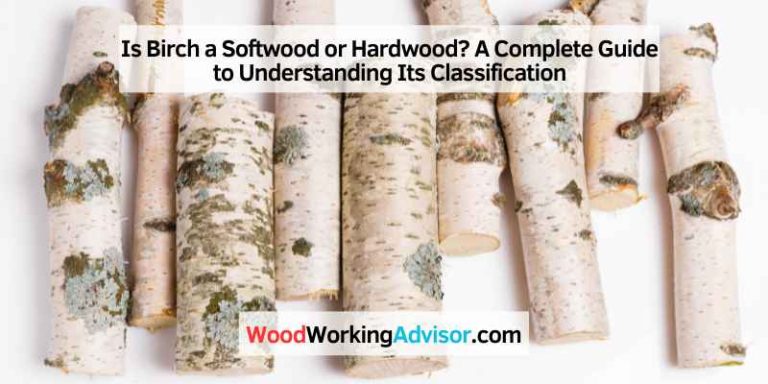
The bark of birch trees is also distinctive, often white, papery, and peeling. While the bark itself burns, it can contribute to faster initial ignition. However, the bulk of the heat and burn time comes from the dense wood itself.
- Pleasant Aroma Birch emits a clean, mild, and often sweet scent when burned. This makes it a favorite for creating a cozy atmosphere indoors. The aroma is noticeable but not overpowering.
- Bright Flame Appearance The flames produced by burning birch are typically bright yellow and steady. This visual appeal makes it a great wood for fireplaces where aesthetics are important.
- Bark Burn Characteristics Birch bark is flammable and ignites easily. It can be used as kindling to start a fire. While it burns quickly, the wood itself provides the sustained heat.
Benefits of Burning Birch Wood
Birch wood offers several advantages that make it a desirable fuel source. Its heat output is good, it ignites easily, and it burns relatively cleanly when properly seasoned. These factors contribute to a comfortable and efficient heating experience.
For those who are particular about the smell of their fires, birch’s mild aroma is a significant plus. It’s also widely available in many regions where birch trees grow abundantly.
Consistent Heat Output
Birch provides a good amount of heat. While it might not be as long-lasting as oak or maple, its medium density ensures a steady release of warmth. This makes it suitable for maintaining a comfortable temperature in a room for a few hours.
It’s a good choice for getting a fire going and keeping it going at a steady pace.
- Reliable Warmth Birch delivers consistent heat. This means you can count on it to keep your space warm without significant fluctuations in temperature. It’s great for everyday use.
- Good For General Heating Its steady burn rate makes it ideal for general heating purposes. You don’t need to constantly feed the fire to maintain a comfortable level of warmth.
Easy Ignition and Burn Management
One of the great things about birch is how easily it ignites. This is partly due to its slightly lower density compared to some other hardwoods and, if you include it, the flammable bark. This makes it an excellent choice for starting fires.
Once lit, it burns with a good flame that is easy to manage in most wood stoves and fireplaces. You won’t struggle to get your fire going, and it responds well to adjustments in airflow.
- Quick Start Fires Birch is very easy to start burning. This is a big advantage, especially when you need to warm up a space quickly. The bark can act as a natural accelerant for ignition.
- Controlled Burning Once burning, birch flames are generally steady and manageable. This makes it easier to control the heat output by adjusting your stove’s air vents.
Pleasant Burning Experience
Beyond just heat, birch offers a pleasant overall experience. The mild, clean scent is a big part of this. It doesn’t produce a lot of smoke when seasoned properly, which means less creosote buildup in your chimney and a cleaner-smelling room.
The visual appeal of its bright flame adds to the cozy atmosphere. This combination of factors makes birch a favorite for many who enjoy a real wood fire.
- Clean Burning Properties When seasoned, birch burns relatively cleanly. This means less smoke and fewer harmful emissions compared to unseasoned wood. It contributes to a healthier indoor environment.
- Aesthetic Appeal The bright, steady flame of birch adds to the visual charm of a fireplace. It creates a warm and inviting ambiance, making your living space feel more comfortable and cozy.
Challenges and Considerations with Birch Firewood
While birch is a good firewood option, it does come with certain considerations. The most significant challenge is its tendency to burn faster than denser hardwoods. This means you might need to restock your firewood more frequently.
Additionally, birch logs can be more prone to splitting and cracking as they season, and they don’t store as well long-term as some other woods if not handled properly. Understanding these challenges will help you make the most of your birch firewood.
Burn Rate and Longevity
Compared to dense hardwoods like oak, maple, or hickory, birch burns faster. This means that while it produces a good amount of heat, the logs will turn to ash more quickly. If you are looking for a firewood that will provide a slow, steady burn for many hours through the night, birch might not be your first choice unless mixed with denser woods.
You’ll likely need to add logs to your fire more often to maintain a consistent heat level.
- Shorter Burn Time Birch logs typically don’t last as long as those from denser hardwood species. This is a direct result of its medium density.
- Frequent Reloading Needed To maintain consistent heat, you will need to add more birch logs to your fire more frequently compared to burning oak or maple.
- Best for Active Heating Birch is excellent for quickly heating a room or for periods when you are actively tending the fire. It’s less ideal for overnight burns without supplementary fuel.
Storage and Stability
Birch wood can be a bit more finicky to store than some other firewood types. It tends to split and crack more as it dries. While some splitting is normal and actually helps with seasoning, excessive splitting can lead to smaller pieces that burn even faster.
It’s also susceptible to rot and insect infestation if not stored properly in a dry, well-ventilated area. Protecting it from direct rain and ground moisture is crucial for maintaining its quality.
- Tendency to Split Birch logs are known to split more readily during the seasoning process. This can sometimes result in smaller, faster-burning pieces.
- Proper Storage is Key To prevent rot and insect damage, birch must be stored off the ground and covered to protect it from rain. Good airflow is essential for continued drying.
- Shelf Life Considerations While seasoned birch is good to burn, improperly stored wood can degrade over time. It’s best to use it within one to two years of seasoning for optimal performance.
Potential for Bark Beetles
Birch trees can be targets for certain types of insects, including bark beetles. If you are sourcing birch firewood, it’s wise to be aware of this. While properly seasoned and burned wood usually poses no threat, carrying firewood that has active infestations into your home or onto your property is not recommended.
Buying from reputable sources who inspect their wood can help prevent issues. If you are cutting your own, ensure the wood is well-seasoned and any bark beetle issues are resolved before burning.
- Insect Awareness Be aware that birch can sometimes be affected by bark beetles. This is more of a concern with green wood.
- Sourcing Reputable Wood Purchase firewood from trusted suppliers who ensure their wood is free from pests. This helps avoid potential problems.
- Seasoning to Deter Pests Proper seasoning and storage help to dry out any potential insect eggs or larvae, making the wood safer to burn.
Is Birch Wood Good for Burning Compare With Other Woods
To truly answer Is Birch Wood Good for Burning? What You Need To Know, it’s helpful to see how it stacks up against other common firewood types. Different woods have different strengths and weaknesses, and knowing these can help you choose the best wood for your specific heating needs.
Birch offers a good middle ground, but understanding its place among other hardwoods and softwoods is key.
Birch Versus Oak
Oak is often considered the king of firewood. It’s a very dense hardwood with a high BTU (British Thermal Unit) output, meaning it produces a lot of heat. Oak logs burn slowly and consistently for long periods, making them ideal for overnight burns and maintaining a steady temperature without frequent reloading.
However, oak can be harder to ignite, burn less brightly than birch, and produce a less noticeable aroma. It also takes longer to season. Birch, on the other hand, ignites more easily, burns hotter initially, and has a pleasant smell.
Its main drawback is its shorter burn time compared to oak.
| Wood Type | Density | Heat Output | Burn Time | Ease of Ignition | Aroma |
|---|---|---|---|---|---|
| Oak | High | Very High | Very Long | Moderate | Mild |
| Birch | Medium | High | Moderate | Easy | Pleasant |
- Oak for Sustained Heat If your priority is long, slow burns to keep your home warm throughout the night, oak is generally a better choice. Its high density means it smolders more effectively.
- Birch for Quick Warmth and Ambiance Birch excels when you need a quick burst of heat, want a brighter flame, or prefer a pleasant scent. It’s great for fires that you can actively tend.
- Seasoning Time Difference Oak typically requires 12-24 months to season properly, whereas birch can be ready in 6-12 months. This makes birch more accessible for use sooner.
Birch Versus Pine
Pine is a softwood. Softwoods are much less dense than hardwoods. This means pine ignites very easily and burns very hot and fast.
It produces a lot of flame and can heat a room up quickly. However, pine also burns out very quickly, leading to more frequent reloading. It tends to spark and pop more than hardwoods, and its smoke can carry a stronger, sometimes resinous odor.
Pine also produces more creosote due to its higher resin content, which can increase chimney fire risk if not managed. Birch, being a hardwood, offers a more controlled burn, longer heat duration, and less creosote risk.
- Pine Burns Fast and Hot Pine is excellent for starting fires or for quick bursts of heat. Its low density means it combusts rapidly.
- Birch Offers More Longevity While pine burns out quickly, birch provides a more sustained heat output, requiring less frequent reloading.
- Creosote Risk Factor Pine’s high resin content can lead to significant creosote buildup. Birch, when seasoned, is a much cleaner-burning wood with lower creosote risks.
Birch Versus Maple
Maple, like oak, is a dense hardwood and is considered a premium firewood. It burns hot and long, offering excellent heat output and sustained warmth, comparable to oak. Some varieties of maple, like sugar maple, are even denser than oak.
Maple burns efficiently and cleanly when seasoned. Birch is similar in that it’s a hardwood that burns well, but it’s generally less dense than maple. This means maple will burn longer and provide heat for a more extended period than birch.
However, birch ignites more easily and has a lighter, more pleasant scent than some maples.
- Maple for Extended Burns Maple is a top-tier firewood, known for its ability to burn hot and long, providing consistent heat for many hours.
- Birch for Easier Starts and Aroma Birch is easier to light and offers a milder, often preferred scent compared to the sometimes more pungent smell of burning maple.
- Heat vs. Burn Time Balance Maple provides more burn time for its volume, while birch offers a slightly hotter initial burn and quicker readiness for use.
Tips for Maximizing Your Birch Firewood
To get the most out of your birch firewood, proper handling and burning techniques are essential. This includes ensuring your wood is well-seasoned, storing it correctly, and using it in conjunction with other types of wood if needed. By following these tips, you can enjoy efficient and pleasant fires with your birch wood.
Ensure Proper Seasoning
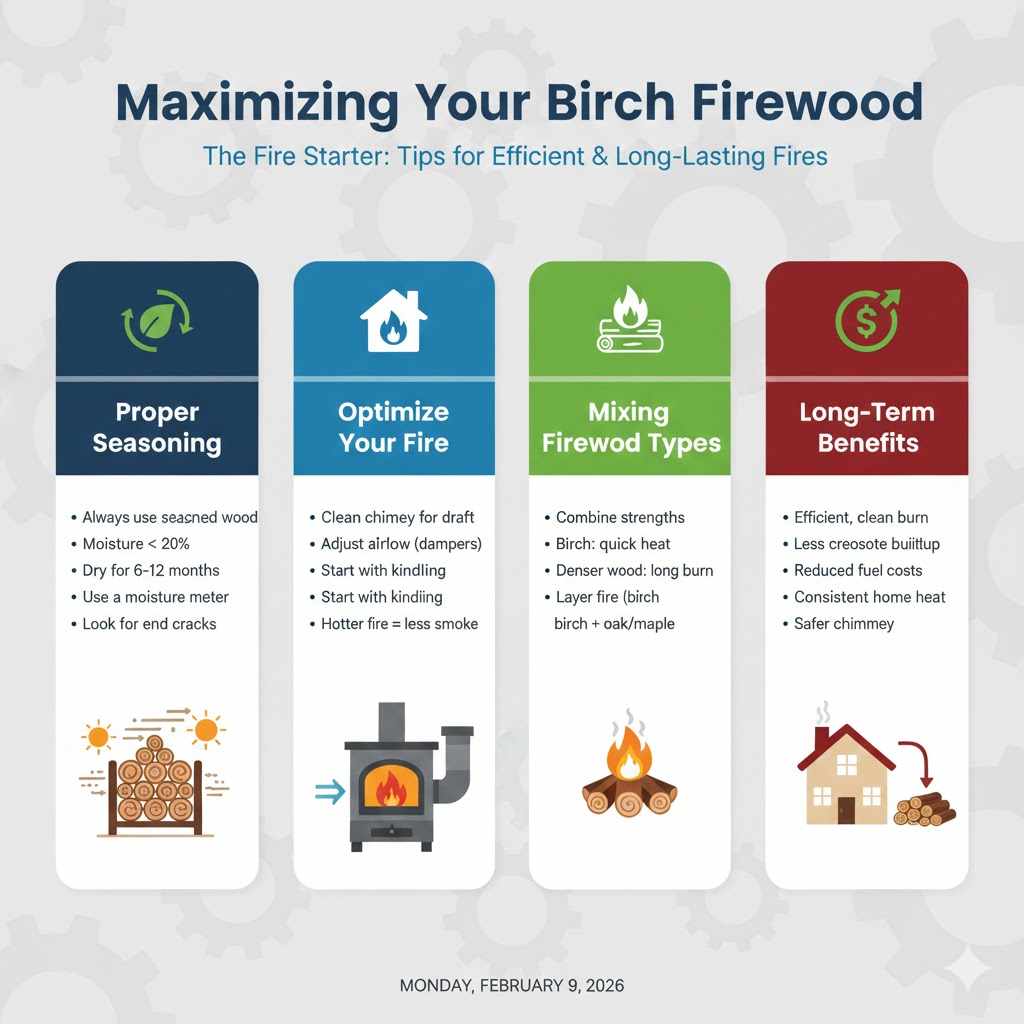
This cannot be stressed enough: always burn well-seasoned birch. Green wood is inefficient and can cause problems. Aim for a moisture content below 20%.
This means allowing your wood to dry for at least 6-12 months in a well-ventilated, dry location. Using a moisture meter is the best way to confirm readiness. Seasoned wood will make a much hotter, cleaner fire.
- Seasoning is Non-Negotiable Always verify that your birch firewood is properly seasoned before burning. This is the single most important step for a good fire.
- Use a Moisture Meter For accuracy, invest in a wood moisture meter. It takes the guesswork out of determining if your wood is dry enough.
- Patience Pays Off Properly seasoned wood burns much better, giving you more heat and less smoke. The effort in waiting for it to dry is well worth it.
Optimize Your Fireplace or Wood Stove
The way you manage your fireplace or wood stove significantly impacts how birch burns. Ensure your chimney is clean and well-maintained to allow for good draft. Adjusting the airflow (dampers) in your stove will control the burn rate.
More airflow means a hotter, faster burn, while less airflow will slow it down. For birch, you might find that a slightly more open damper is needed to achieve optimal combustion due to its moderate density.
- Clean Chimneys Promote Draft A clean chimney ensures good airflow, which is crucial for efficient burning. Smoke needs a clear path to escape.
- Airflow Controls Burn Rate Adjusting the air vents on your wood stove allows you to manage how quickly the wood burns. Experiment to find the best setting for birch.
- Start with Kindling Always start your fire with dry kindling and small pieces of split wood before adding larger birch logs. This builds a good base of coals.
Consider Mixing Firewood Types
For longer, more sustained burns, consider mixing birch with denser hardwoods like oak or maple. You can start your fire with birch for easy ignition and a quick heat boost. Once you have a good bed of coals, add some oak or maple logs.
These denser woods will burn longer, providing heat throughout the night or for extended periods. This combination allows you to benefit from the easy-starting qualities of birch and the longevity of denser hardwoods.
- Combine Strengths Mixing birch with denser hardwoods allows you to get the best of both worlds. Enjoy birch’s easy ignition and then its sustained heat from denser woods.
- Layer Your Fire A good strategy is to use birch for kindling and initial heating, then add oak or maple logs on top of the established coals.
- Extend Burn Times This approach helps to extend the overall burn time of your fire, reducing the frequency of reloading and maintaining a more consistent temperature.
Frequently Asked Questions
Question: Is birch wood safe to burn in a fireplace?
Answer: Yes, birch wood is safe to burn in a fireplace, provided it is properly seasoned. Burning unseasoned wood can lead to excessive smoke and creosote buildup, which is a fire hazard. Properly seasoned birch burns cleaner and hotter.
Question: How long does a log of birch wood burn?
Answer: The burn time for a log of birch wood varies depending on its size, density, and how it is burning in your stove or fireplace. Generally, a birch log burns for a moderate amount of time, typically 45-90 minutes, which is less than denser hardwoods like oak or maple.
Question: Can I use birch bark as kindling?
Answer: Absolutely! Birch bark is highly flammable and makes excellent natural kindling. It ignites easily and helps to get your main birch logs burning quickly.
Just be sure to use it sparingly as it burns very fast.
Question: What is the best way to store birch firewood?
Answer: Store birch firewood off the ground on a pallet or frame to allow for airflow underneath. Stack it loosely in a well-ventilated area, such as a woodshed or a covered, open-sided rack, to protect it from rain and moisture while allowing it to continue drying.
Question: Does burning birch wood produce a lot of creosote?
Answer: When properly seasoned, birch wood produces a moderate amount of creosote compared to very resinous softwoods like pine. The key to minimizing creosote buildup is to ensure your wood is seasoned and to burn your fire hot enough to achieve complete combustion.
Summary
So, Is Birch Wood Good for Burning? What You Need To Know boils down to understanding its characteristics. Birch offers easy ignition, a pleasant aroma, and good heat.
It burns faster than dense hardwoods but is a solid choice for cozy fires. Always burn it seasoned for the best results and consider mixing it with other woods for longer burns. Enjoy your warm and inviting fires!