Is Ebony Wood Sustainable? It Depends on the Species
Ebony wood is not reliably sustainable — several Diospyros species are CITES-restricted, and heartwood needs 70 to 200 years to reach its deepest black. Buying uncertified ebony can fund illegal logging in Madagascar and Cameroon, where export bans already exist for the most depleted species. This guide covers which ebony species are endangered, what CITES actually restricts, and legal alternatives like African Blackwood and ebonized wood.
Insert your Affiliate Disclosure reusable block here.
What Makes Ebony Wood Unsustainable?
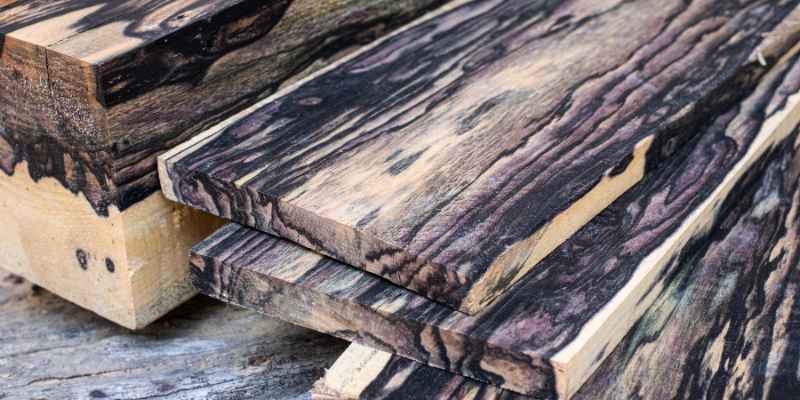
Ebony is a dense, nearly black hardwood in the Diospyros genus, valued for furniture, piano keys, guitar fingerboards, and carving because of its fine grain and near-black heartwood. The problem is speed: ebony trees grow so slowly that harvest has outpaced regrowth for decades. In one 50-year-old ebony plantation in Cameroon, researchers measured only 0.8 centimeters of trunk diameter growth per year in Diospyros crassiflora — and a tree’s heartwood doesn’t turn pure black until it is roughly 150 to 200 years old.
That growth rate collides with demand. Loggers historically felled entire trees just to find the small percentage with solid black heartwood, and according to the World Resources Institute, as much as 90% of cut ebony was left to rot on the forest floor when it turned out to be lighter-streaked wood instead of pure black. That waste ratio, more than the wood’s rarity alone, is why several ebony species are now restricted.
Which Ebony Species Are Actually Endangered?
“Ebony” is a trade name for several unrelated Diospyros species, and their conservation status varies a lot — lumping them together is the biggest mistake buyers make. Here’s the real status of the five species most commonly sold as ebony:
| Species | Main Region | IUCN Status | Trade Restriction |
|---|---|---|---|
| Gaboon Ebony (D. crassiflora) | Cameroon, Central Africa | Vulnerable (upgraded from Endangered in 2017) | Cameroon export permit required |
| Madagascar Ebony (88 Diospyros spp.) | Madagascar | Varies by species | CITES Appendix II since 2013 |
| Macassar Ebony (D. celebica) | Sulawesi, Indonesia | Vulnerable | Export restricted |
| Mun Ebony (D. mun) | Vietnam, Laos | Critically Endangered | Export banned |
| Ceylon Ebony (D. ebenum) | Sri Lanka, India | Commercially extinct | Export banned in both countries |
Gaboon ebony is the one exception worth noting: the IUCN Red List upgraded it from Endangered to Vulnerable in 2017 after the Congo Basin Institute counted roughly 30 million ebony trees with at least a 4-inch diameter still standing across Central West Africa — far more than earlier estimates assumed. That doesn’t make it sustainable to harvest at current rates, but it means the “near-extinct” framing repeated on many sites is out of date for this specific species.
What Does CITES Appendix II Actually Restrict?
CITES Appendix II is an international trade category for species that aren’t yet threatened with extinction but could become so without controlled trade. At the 2013 CITES conference (CoP16), all Malagasy populations of Diospyros — 88 named large-tree species from Madagascar — were added to Appendix II, covering logs, sawn wood, and veneer sheets specifically.
In practice, this means exporting raw Madagascar ebony lumber or veneer requires a CITES permit issued by Madagascar’s government. It does not automatically make finished products illegal to own — a pre-existing guitar or furniture piece isn’t retroactively banned — but new raw material moving across borders without documentation is. Buyers should ask suppliers for the CITES permit number on any Madagascar-sourced ebony, not just a verbal assurance that it’s “legal.”
The Taylor Guitars Ebony Project
The most-cited real-world case study in ebony sustainability is Taylor Guitars’ own supply chain. In 2011, Taylor Guitars and Madinter Trade took over Crelicam, an ebony mill in Cameroon, rather than continuing to buy from unaccountable middlemen. The company then more than doubled mill workers’ wages and started using streaked, lighter-colored ebony on guitar fingerboards instead of discarding it — directly reducing the waste ratio described above.

“We’ve gone into countries, and we’ve used the ebony until it’s all gone… then we move into another country, and we take their ebony until it’s all gone.”
Taylor funded a parallel restoration initiative, the Ebony Project, planting ebony saplings and native fruit trees alongside them in Cameroon — an effort cited by conservationists as one factor in the 2017 IUCN status upgrade mentioned above. It’s a real, verifiable example that supply-chain accountability can measurably change a species’ outlook, even if it can’t undo decades of overharvesting on its own.
Sustainable Alternatives to Ebony Wood
If you don’t need certified, traceable ebony for a specific restoration or instrument-matching job, there are legal ways to get a similar look without buying restricted lumber:
| Alternative | How It Works | Best For |
|---|---|---|
| African Blackwood | A separate, naturally near-black species (Dalbergia melanoxylon) | Carving, small turned items, instrument fittings |
| Ebonized wood | Any tight-grained wood (often maple or ash) darkened with an iron-acetate solution or black dye/gel stain | Furniture trim, banisters, cabinet accents |
| Richlite (paper composite) | Resin-impregnated paper composite used by Martin and Gibson on some fretboards | Guitar fingerboards, countertops |
| Sonowood Black | Compressed beechwood from Swiss Wood Solutions, densified via heat and pressure until it matches ebony’s density and hardness — no adhesives or resins added | Violin and cello fingerboards |
Best Ebonizing Stain Pick
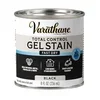 |
Varathane Total Control Black Gel Stain – $10.59 A water-based black gel stain for ebonizing maple, ash, or oak — the same “ebonized wood” approach listed in the alternatives table above, without buying restricted lumber.
|
As an Amazon Associate we earn from qualifying purchases.
How to Buy Ebony Responsibly
- Ask the supplier for the specific species name (not just “ebony”) and, for Madagascar sources, the CITES permit number for that shipment.
- Prefer FSC-certified ebony over uncertified stock — certification requires a documented chain of custody back to a managed forest.
- Consider Crelicam-sourced Cameroon ebony specifically, since that supply chain has independent wage and sourcing audits tied to it.
- Buy streaked ebony instead of solid black when the application allows it — it’s the same species, harvested with far less waste, and usually costs less.
- Compare pricing against what ebony actually costs before assuming a cheap “ebony” listing is genuine — unusually low prices are a common sign of misidentified or illegally sourced wood.
📊 As much as 90% of harvested ebony was historically discarded because it wasn’t solid black — Source: World Resources Institute, 2019
Frequently Asked Questions
Is it illegal to own ebony wood products?
No. Owning a finished item made with ebony — a guitar, a chess set, an heirloom piece of furniture — is not illegal. CITES Appendix II and national export bans restrict moving raw logs, sawn lumber, and veneer across borders without permits; they don’t apply retroactively to products already made and sold.
Is all ebony wood endangered?
No. Status varies sharply by species: Mun ebony is Critically Endangered with a banned export, Ceylon ebony is commercially extinct, while Gaboon ebony was upgraded from Endangered to Vulnerable in 2017 after new population surveys in Central Africa. Always ask which species you’re buying, not just “ebony.”
Why does ebony wood take so long to grow?
Diospyros crassiflora, the most commercially traded ebony species, has been measured growing as little as 0.8 centimeters in trunk diameter per year in plantation conditions. Combined with the fact that heartwood only turns solid black after roughly 150 to 200 years, a harvestable tree represents multiple human generations of growth.
What’s the best legal alternative to ebony wood?
African Blackwood is the closest natural substitute — it’s a separate species that is naturally near-black and not subject to the same CITES Appendix II restrictions as Madagascar ebony. For furniture and trim work, ebonized maple or ash (darkened with iron-acetate or a black gel stain) gets a similar look on wood that’s already sustainably farmed.
Why is streaked ebony cheaper than solid black ebony?
Solid black heartwood only forms in the oldest, slowest-growing trees, so it’s rarer by definition. Streaked ebony comes from younger trees or outer heartwood and was historically discarded by loggers hunting only for pure black — mills that now sell streaked ebony instead of wasting it, like Taylor Guitars’ Crelicam mill, price it lower because supply is far less constrained.
Conclusion
Ebony’s sustainability depends entirely on which species you mean and where it was sourced — Mun and Ceylon ebony are effectively off the table, Madagascar ebony requires a CITES permit, and Gaboon ebony’s outlook has genuinely improved through documented restoration work. Ask for the species name and sourcing documentation before buying, favor streaked wood or FSC certification when the project allows it, and consider African Blackwood or ebonized domestic wood when true ebony isn’t necessary.
Sponsored / affiliate links. As an Amazon Associate I earn from qualifying purchases. I may earn additional commission from eligible campaigns.